Best-Temples-In-Bhopal: Let’s Explore the Historical temples of the Mp’s Capital
Bhopal, the capital of Madhya Pradesh, is home to several beautiful and historically significant temples. The temples in Bhopal are not only places of worship but also offer rich cultural heritage, spiritual peace, and architectural beauty. Here’s a look at some of the best and most famous temples in Bhopal:
1. Bhojpur Temple
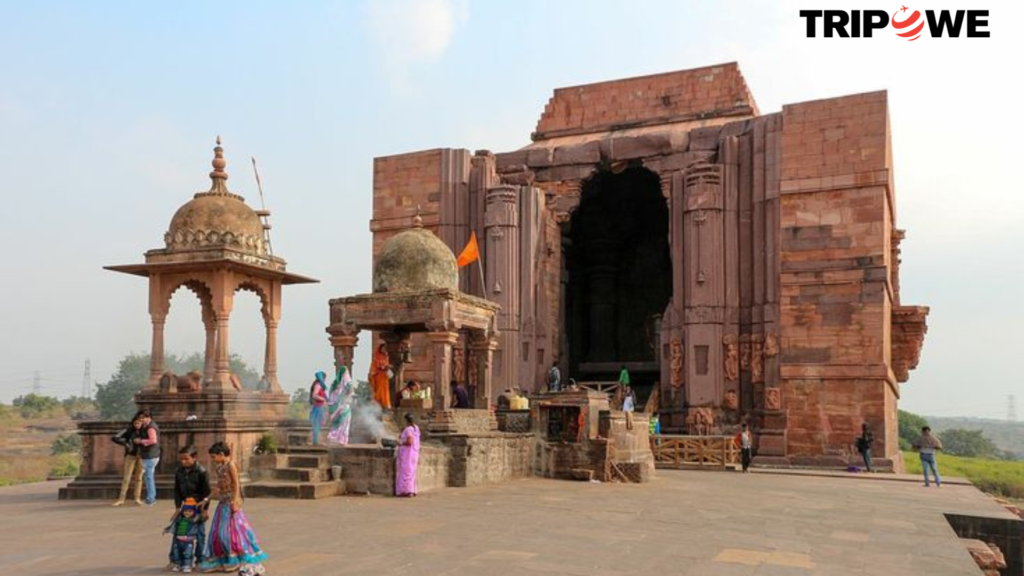
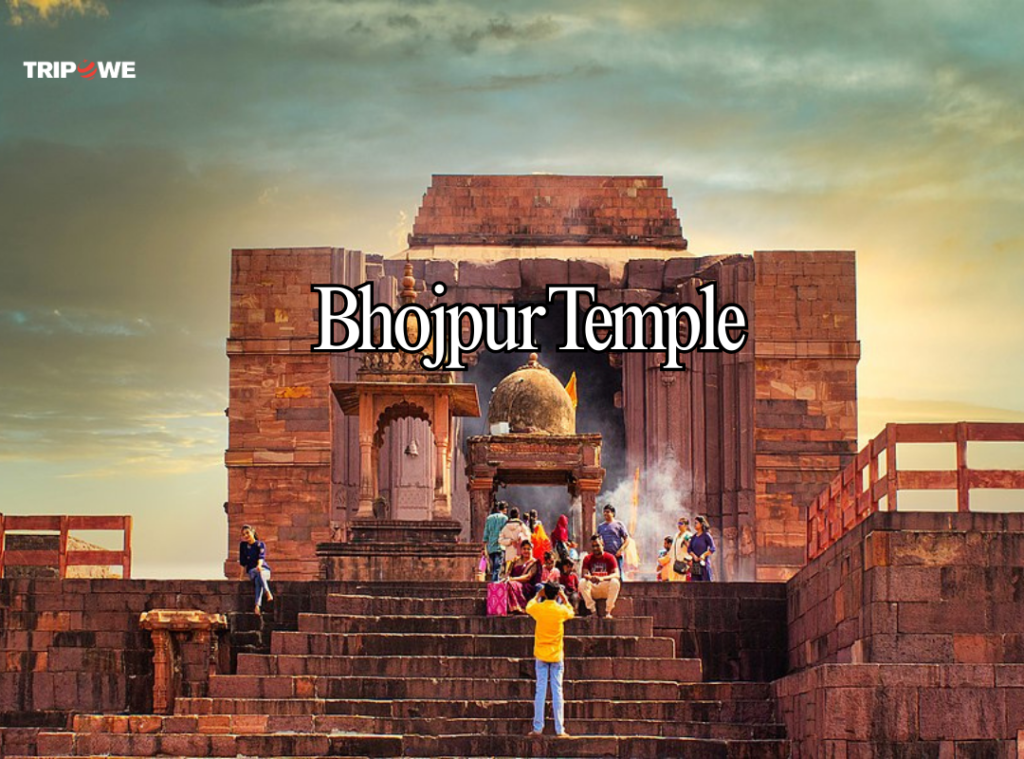
The Bhojpur Temple, located near the town of Bhojpur in Madhya Pradesh, is one of the most significant and ancient temples dedicated to Lord Shiva. It is an architectural marvel, steeped in history and mythology, and is widely recognized for its colossal Shivalinga—one of the largest in India.
Architecture and Structure
The Bhojpur Temple is renowned for its grand and ambitious design, even though much of it was never completed. The most striking feature of the temple is the enormous Shivalinga, which is believed to be one of the largest in India. The Shivalinga is made of stone and stands at an impressive height of 7.5 feet and a diameter of about 8 feet.
Tourist Experience
Visitors to the Bhojpur Temple can expect to experience both the religious and historical significance of the site.
Scenic Views:
The temple’s location amidst natural surroundings adds to its appeal. The nearby hills and fields provide excellent opportunities for photography and nature walks.
Guided Tours:
For those interested in learning about the temple’s history, architecture, and religious significance, guided tours are available. These tours help visitors understand the historical context of the temple and its construction.
2. Lakshmi Narayan Temple
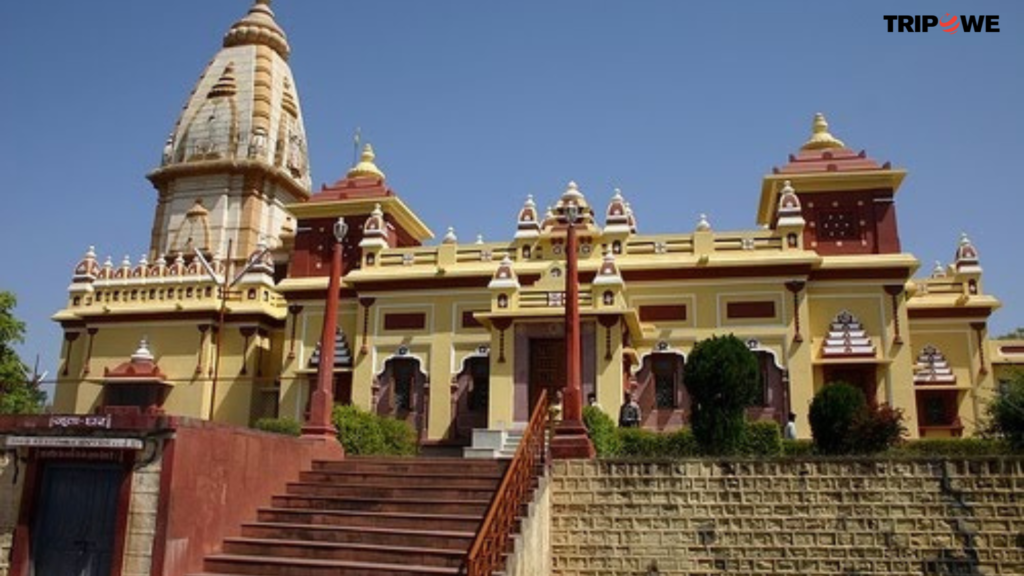
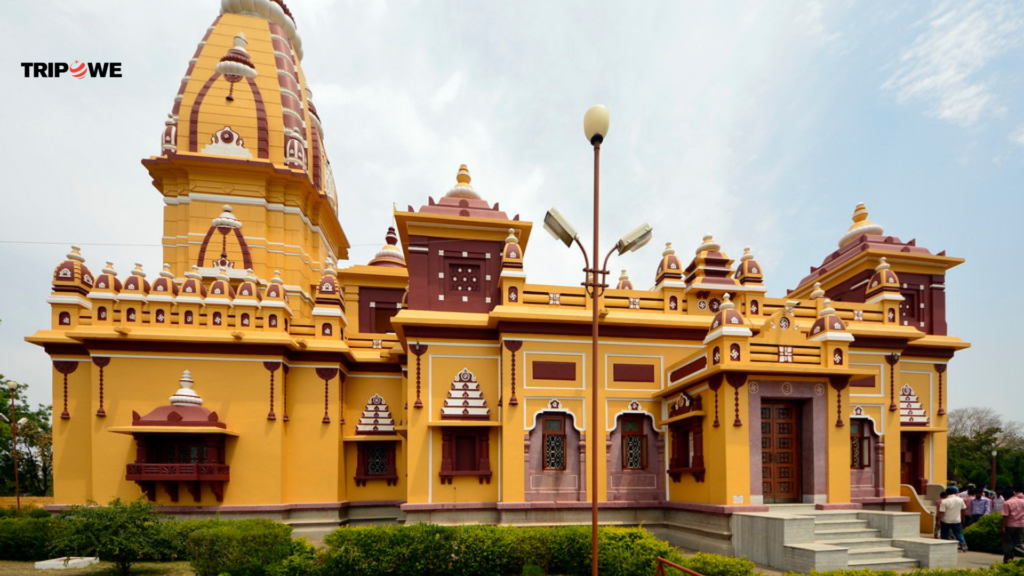
Overview: The Lakshmi Narayan Temple, also known as the Birla Mandir, is one of the most iconic and revered temples in Bhopal, Madhya Pradesh. Situated on top of a hill in the Shyamla Hills area, it offers a breathtaking view of the city and the Upper Lake (Bhojtal). This temple is dedicated to Lord Vishnu and Goddess Lakshmi, the divine couple who represent wealth, prosperity, and well-being.
Architectural Features:
- Main Shrine:
- The central sanctum houses the deities of Lord Vishnu and Goddess Lakshmi in beautifully adorned idol forms.
- The idols are made of white marble and are set on a raised platform in the temple’s central hall.
- The Structure:
- The temple is built on a hilltop, providing a panoramic view of the surrounding city, including the famous Upper Lake (Bhojtal) and Lower Lake.
- The walls of the temple are adorned with intricately carved figures and symbols representing various gods and goddesses.
3.Brahma Mandir
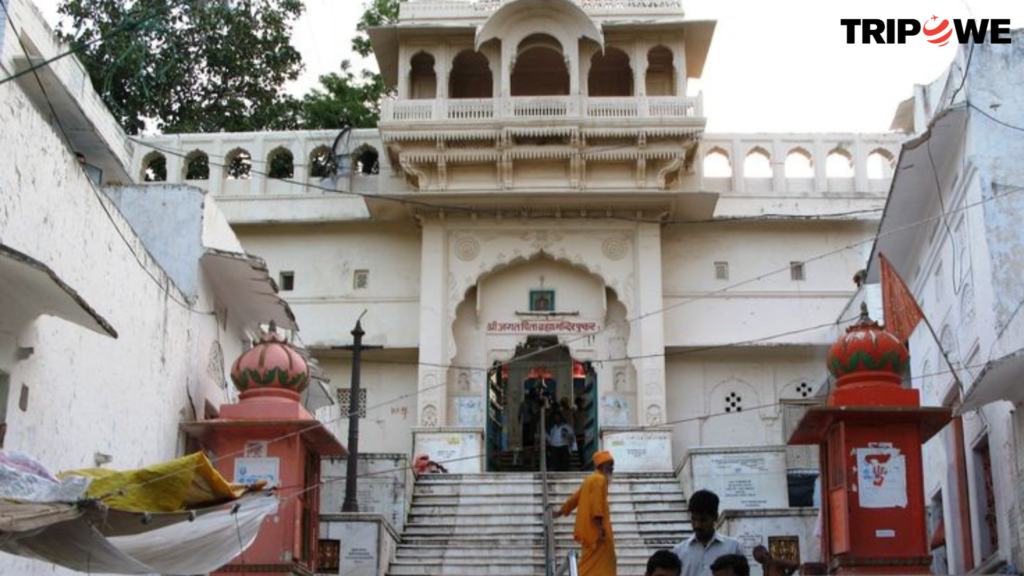
- Location: Near the Sanchi Stupa, Bhopal
- Significance: This temple is dedicated to Lord Brahma and is one of the few temples in India devoted to the creator of the universe. The temple’s simple yet striking architecture adds to the charm of this sacred site.
Architectural Features:
The Brahma Mandir is not as grandiose as some of the larger temples in Bhopal, but it stands out for its simplicity and peaceful surroundings. Some key architectural features include:
- Main Sanctum:
- The temple is relatively modest in size and features a single sanctum where the idol of Lord Brahma is enshrined.
- The idol of Lord Brahma in this temple is typically depicted with four faces, symbolizing his all-encompassing nature as the creator of the universe.
- Temple Design:
- The temple has a traditional Hindu architectural style, with the sanctum placed on a raised platform.
- The entrance and walls of the temple are decorated with carvings and sculptures of Hindu deities and mythological figures, though it is relatively simple compared to more ornate temples in the region.
4. Raja Bhoj Temple
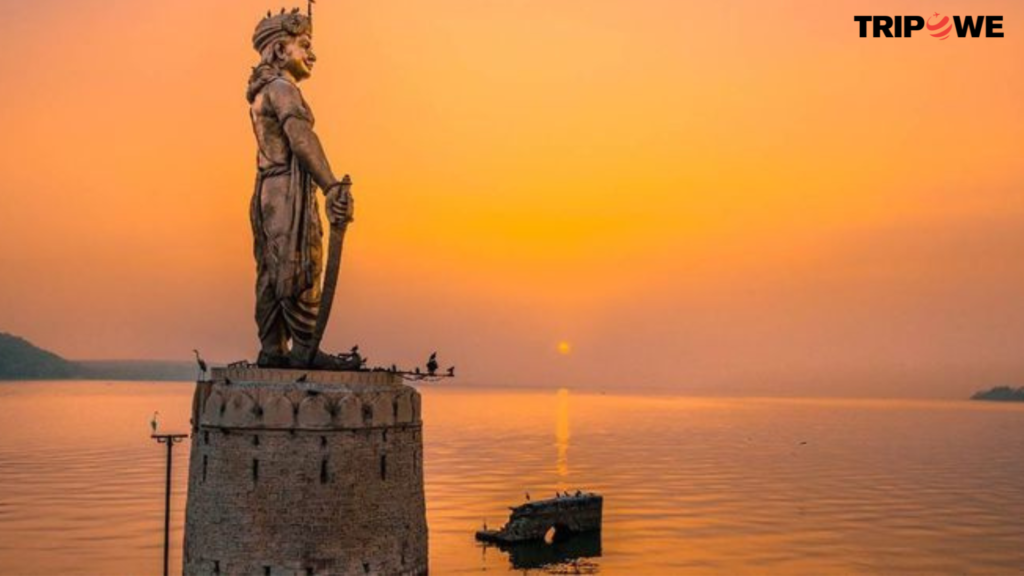
- Location: Bhojpur, near Bhopal (around 30 km from the city)
- Significance: Located at Bhojpur, this temple is dedicated to Lord Shiva and is known for its massive Shiva Lingam. The temple is a great example of ancient Indian architecture and is situated in a picturesque location, surrounded by natural beauty.
Nearby Attractions:
- Bhojtal Lake (Upper Lake):
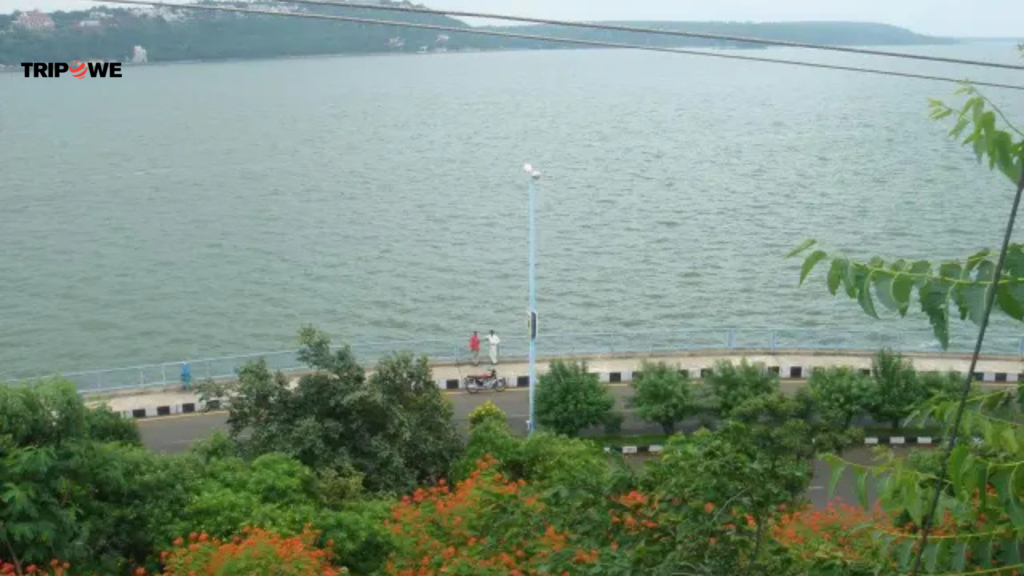
- The temple is located near the Upper Lake, which is a major attraction in Bhopal. Visitors can enjoy boat rides on the lake, which offers beautiful views of the surrounding area and the temple on the hilltop.
- Sanchi Stupa:
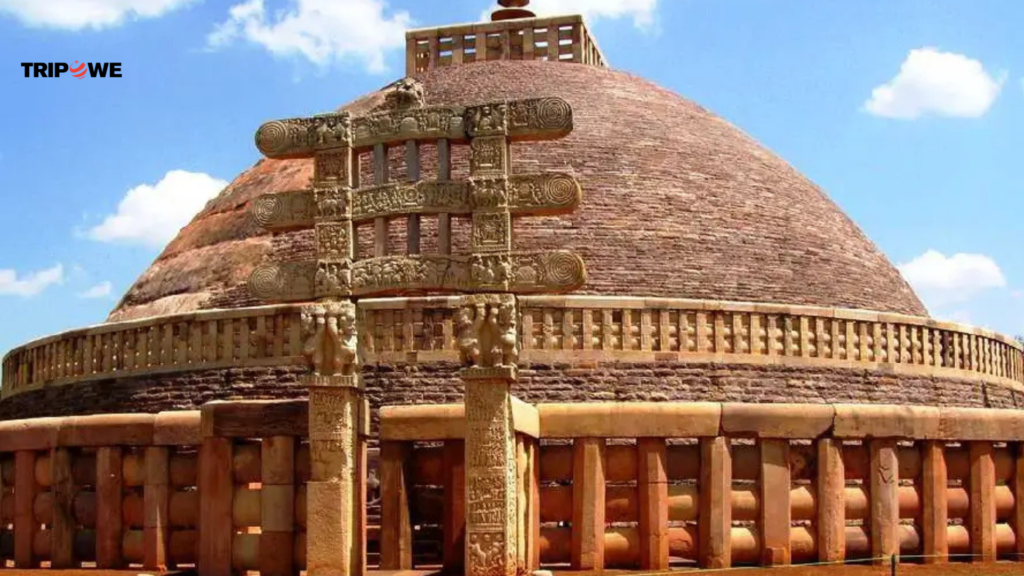
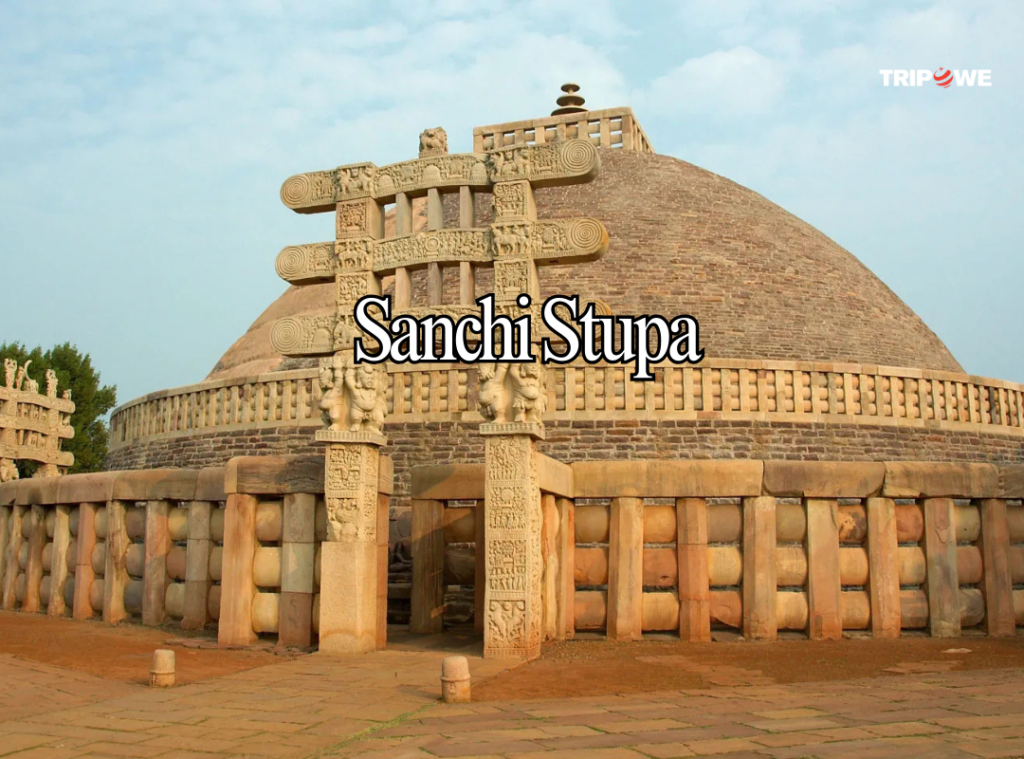
- Sanchi, a UNESCO World Heritage site, is located about 30 kilometers from the Raja Bhoj Temple. The Sanchi Stupa is one of India’s oldest and most important Buddhist monuments and a major tourist destination in the region.
5. Shree Kolar Mandir
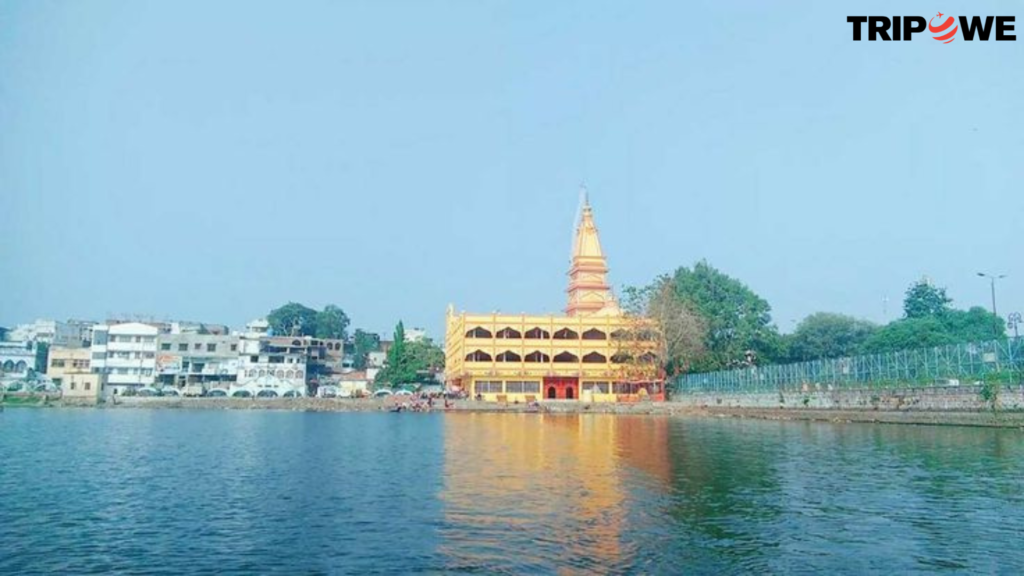
- Why Visit: Located in the Kolar area of Bhopal, this temple is dedicated to Lord Shiva. The temple is especially famous during the festival of Maha Shivaratri, when devotees from all over the region gather here for prayers and celebrations.
- Highlights: Spiritual atmosphere, Maha Shivaratri celebrations, scenic surroundings.
Temple Architecture
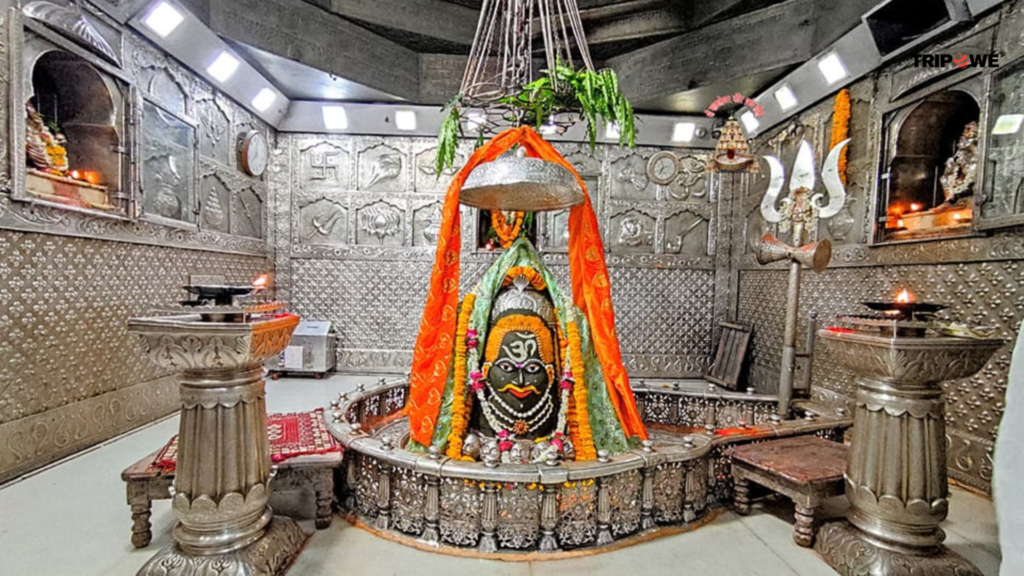
Shree Kolar Mandir boasts a simple yet striking architectural design, typical of many Hindu temples dedicated to Lord Shiva. The main sanctum houses a Shivlinga, which is the central point of worship. Devotees come here to perform Abhishekam (ritual bathing of the Shivling) with milk, honey, and other sacred offerings. The temple also has a series of smaller shrines dedicated to various deities, including Goddess Parvati, Lord Ganesha, and Lord Kartikeya.
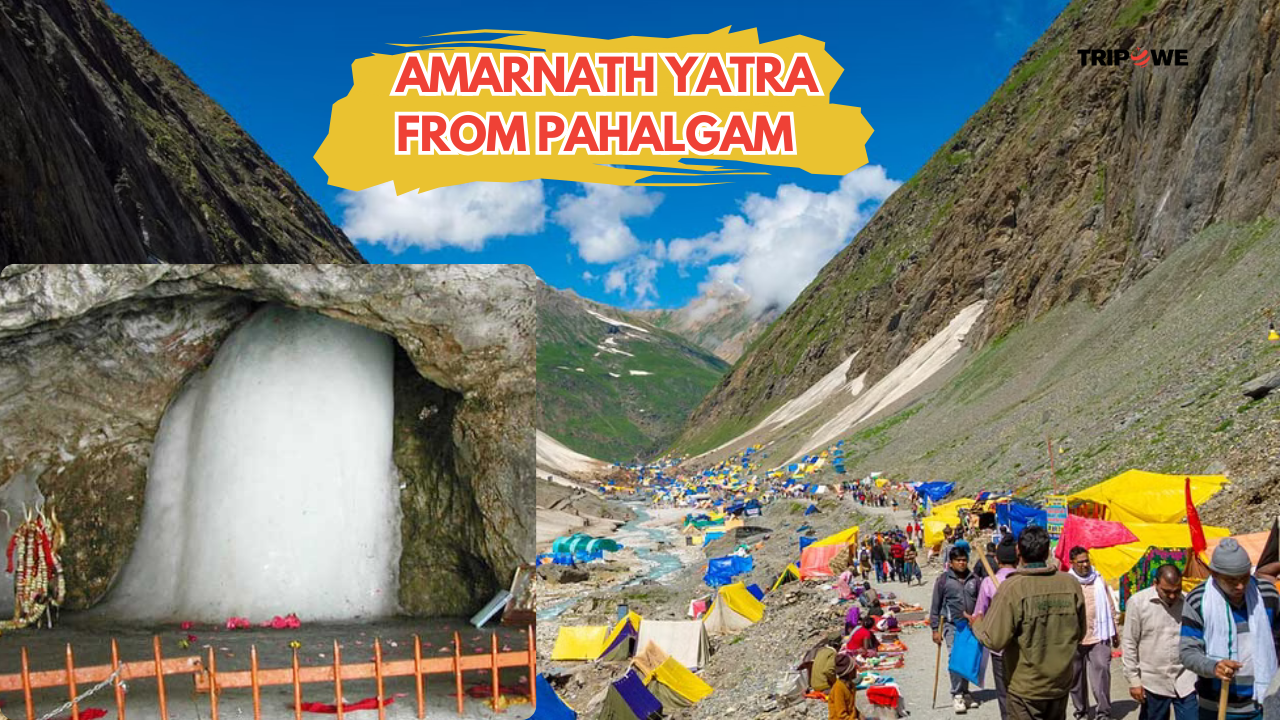
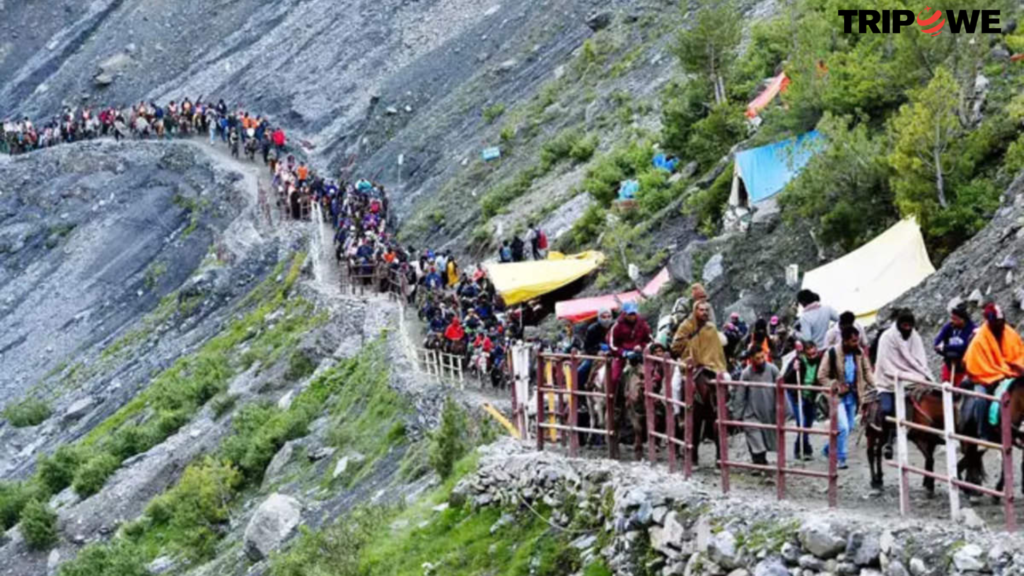 The Amarnath Yatra is extremely religiously significant since it is thought to be the cave where Lord Shiva gave the mysteries of immortality to Goddess Parvati. Every year, thousands of devotees make this pilgrimage during the Shravan month (July-August), braving the difficult terrain in search of divine blessings.
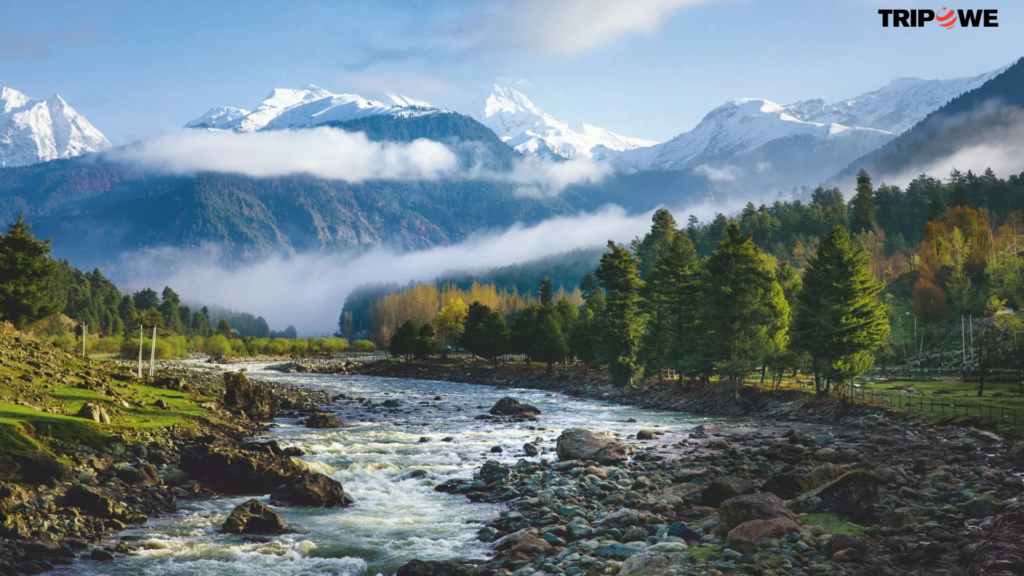 Pahalgam, often known as the “Valley of Shepherds,” serves as the base camp for the traditional Amarnath Yatra path. This charming hamlet is bordered by lush meadows, pine trees, and the Lidder River, making it an ideal site to begin your spiritual journey. Devotees frequently spend a day here to acclimate before starting the climb.
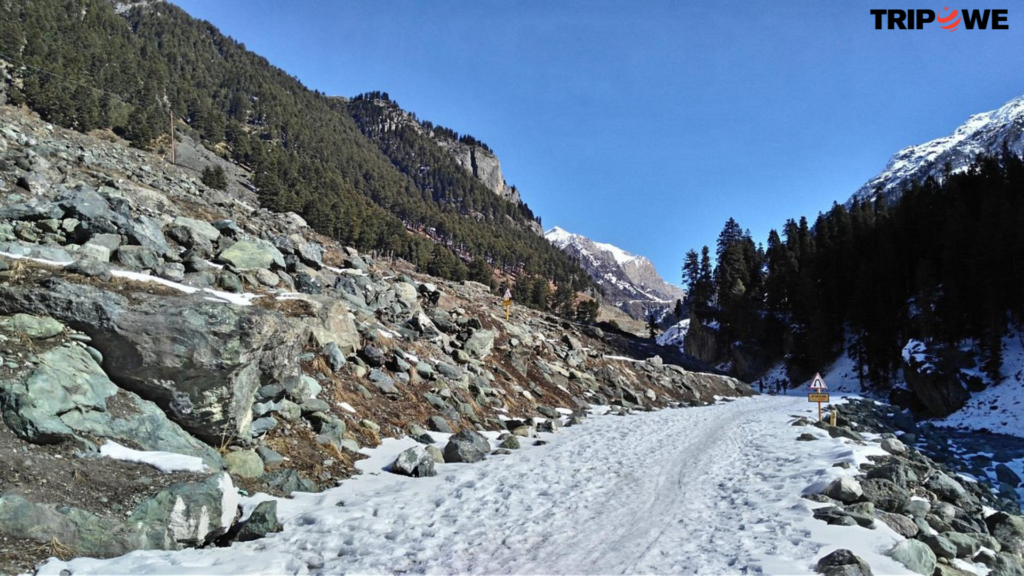 The trek begins with a car or a short trek to Chandanwari, the first destination. Chandanwari is famed for its snow bridges and serves as the entryway to higher heights.
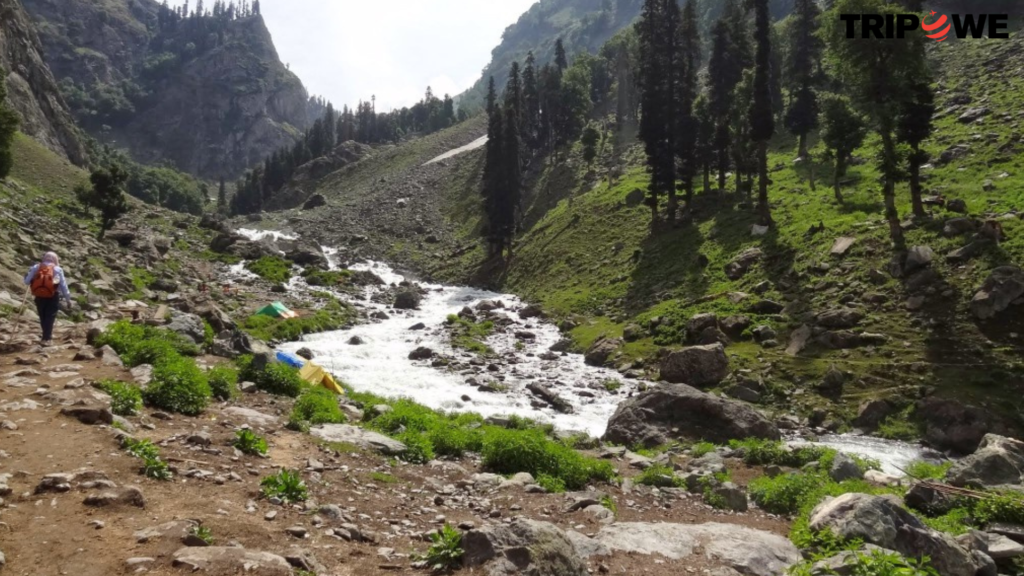 The trek leads to Sheshnag Lake, a tranquil and magical high-altitude lake. The name is derived from the mythical serpent Sheshnag.
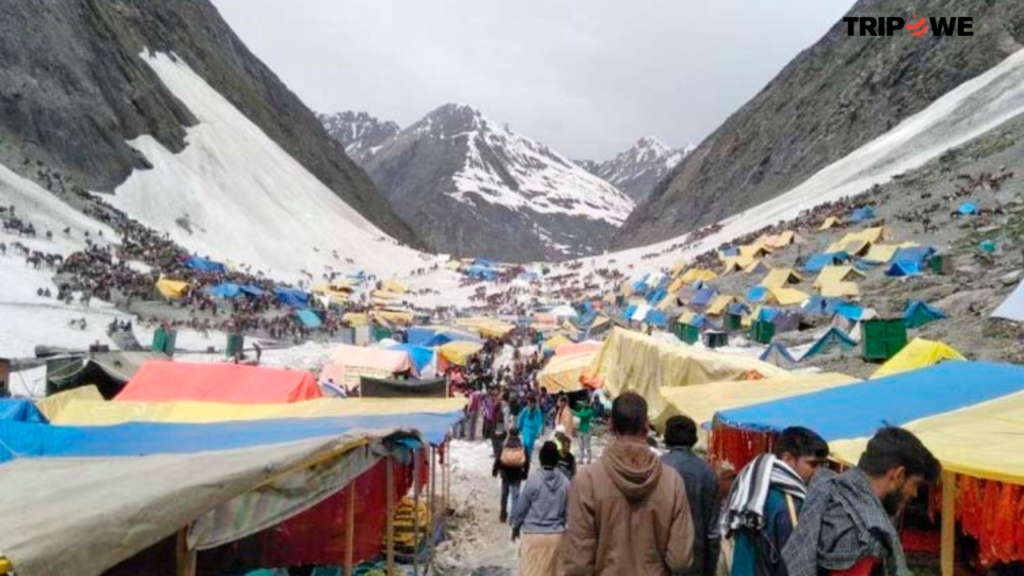 Panchtarni, the confluence of five rivers, is the final halt before reaching the Amarnath Cave. The scenery here is stunning, with amazing vistas of the Himalayan ranges.
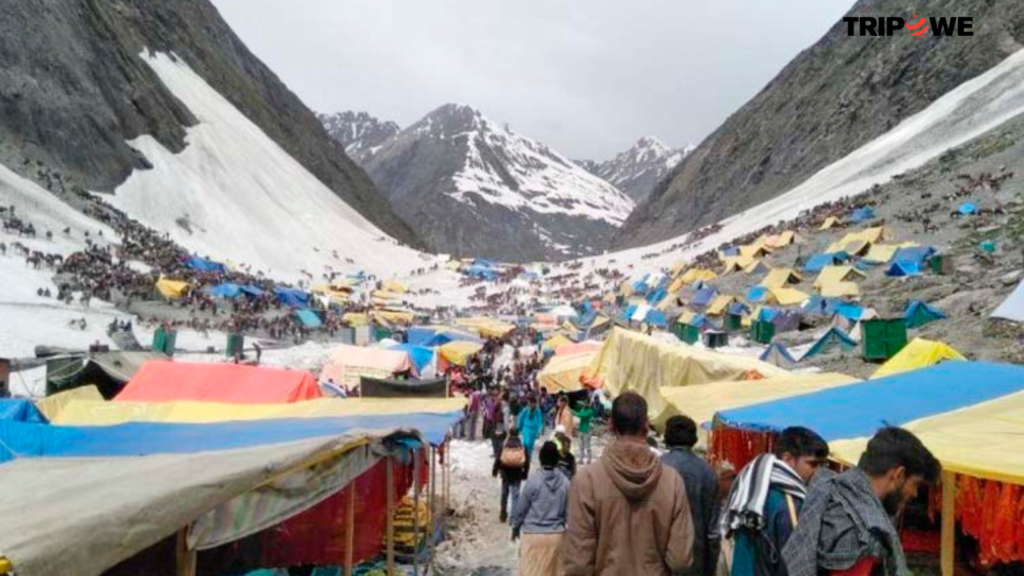 The final portion of the voyage is both demanding and spiritually rewarding. As they approach the holy cave, devotees chant “Om Namah Shivaya”. Inside, the natural ice Shivling awaits, emitting miraculous energy.
 Registration: Visit the official Amarnath Yatra website or one of the designated centers and register well in advance. Carry your Yatra permission and proof of identification.
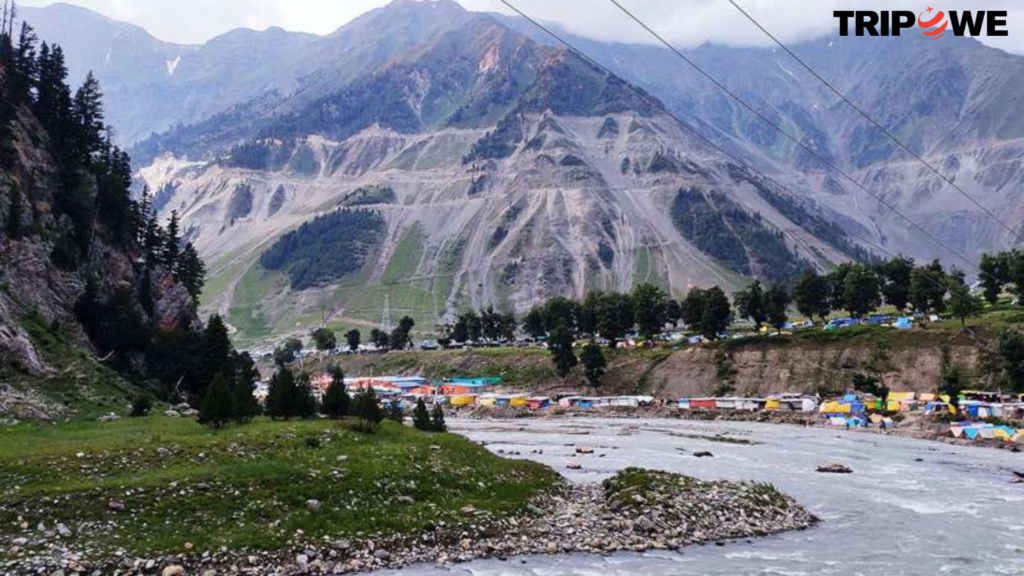 Those looking for a shorter way to the cave might take the Baltal trail, which is 14 kilometers long. However, it is steeper and more difficult than the Pahalgam way.
 Gulmarg is a tourist place and attracted millions of people throughout its existence with the hilly Mountains . Gulmarg is heaven for that person who loves nature. The best time to visit Gulmarg in April to June . This is just 48 km away from the city of Srinagar . A long nature walk at the lush green mountains of Gulmarg and valleys will make your trip to Gulmarg definitely worth it. You can also ride of Gondola ride .
 If you are looking for a place that offers the natural beauty , then Srinagar is the right place for you . It offers the most beautiful views in the world . The best month to visit Jammu and Kashmir from June to November . Now days , Srinagar is popular destination tourist for its houseboats , Shikara ride , Mughal garden and the Nigeen lake . Take a walk in Indira Gandhi memorial tulip garden .
 Pahalgam is know as ‘ Village of Shepherds’ . Pahalgam serves as a base camp for the annual Amarnath Yatra pilgrimage to the holy cave of Amarnath, which is dedicated to Lord Shiva . The valley was formed by two streams coming together, one from the Aru Glacier and one from the Lidder River . Aru Valley , located from 12 kilometer away from the Palagam , which is another place of tourist spot .
 Dal lake is the famous lake of Jammu and Kashmir . The lake is covered around 18 square kilometers . It is commonly know as ‘ Lake of Flowers’ . Dal lake has faced many environmental changes like pollution and so many other things . Dal lake is renowned for its unique houseboats , commonly know as ‘Shikaras’ . Dal lake is very beautiful destination in Jammu and Kashmir that’s why comes in the list of Best places to visit in jammu and kashmir .
 Sonamarg is one of the famous hill station place in Jammu and Kashmir , which is also know as ‘ Meadow of Gold ‘ . It is situated on the banks of Sindh river and located in District Ganderbal and is about 80 km from the summer capital of Jammu and Kashmir. . During summer Sonamarg is most popular place for trekking and hiking . It was also starting point for the silk road , which is linked Kashmir to China .