Category: SOUTH ASIA

  • Best Temples In Bhopal : Let’s Explore the Historical temples of the Mp’s Capital

    Best Temples In Bhopal : Let’s Explore the Historical temples of the Mp’s Capital

    Best-Temples-In-Bhopal: Let’s Explore the Historical temples of the Mp’s Capital

    Bhopal, the capital of Madhya Pradesh, is home to several beautiful and historically significant temples. The temples in Bhopal are not only places of worship but also offer rich cultural heritage, spiritual peace, and architectural beauty. Here’s a look at some of the best and most famous temples in Bhopal:

    1. Bhojpur Temple
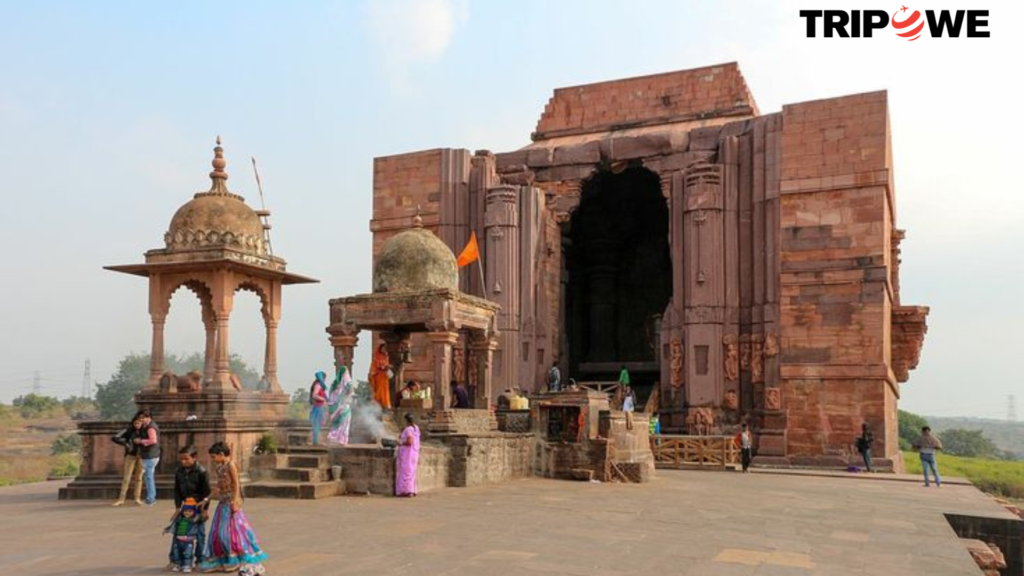
    Bhojpur Temple

    The Bhojpur Temple, located near the town of Bhojpur in Madhya Pradesh, is one of the most significant and ancient temples dedicated to Lord Shiva. It is an architectural marvel, steeped in history and mythology, and is widely recognized for its colossal Shivalinga—one of the largest in India.

    Architecture and Structure

    The Bhojpur Temple is renowned for its grand and ambitious design, even though much of it was never completed. The most striking feature of the temple is the enormous Shivalinga, which is believed to be one of the largest in India. The Shivalinga is made of stone and stands at an impressive height of 7.5 feet and a diameter of about 8 feet.

    Tourist Experience

    Visitors to the Bhojpur Temple can expect to experience both the religious and historical significance of the site.

             Scenic Views:

    The temple’s location amidst natural surroundings adds to its appeal. The nearby hills and fields provide excellent opportunities for photography and nature walks.

              Guided Tours:

    For those interested in learning about the temple’s history, architecture, and religious significance, guided tours are available. These tours help visitors understand the historical context of the temple and its construction.

    2. Lakshmi Narayan Temple
    Lakshmi Narayan Temple

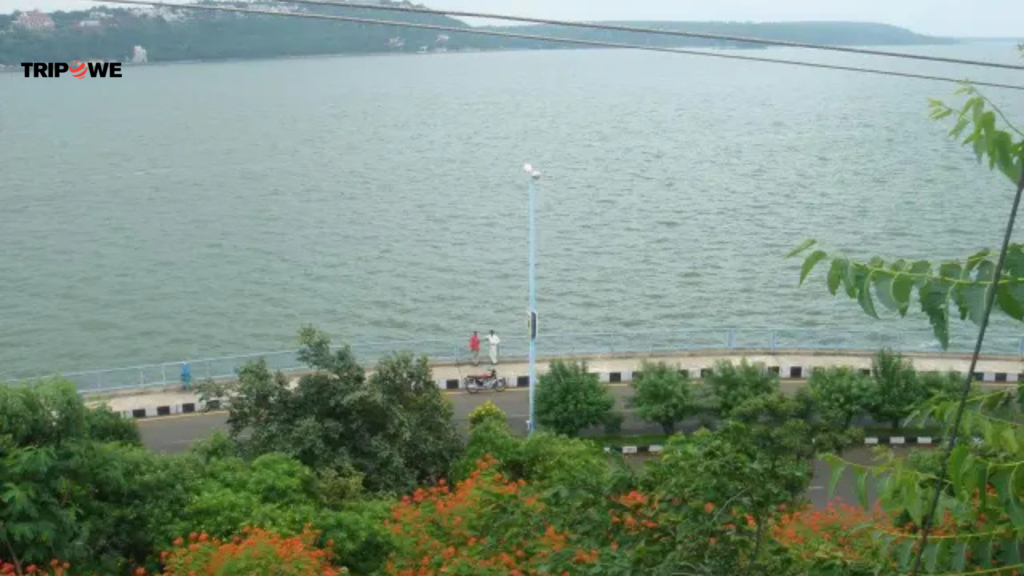
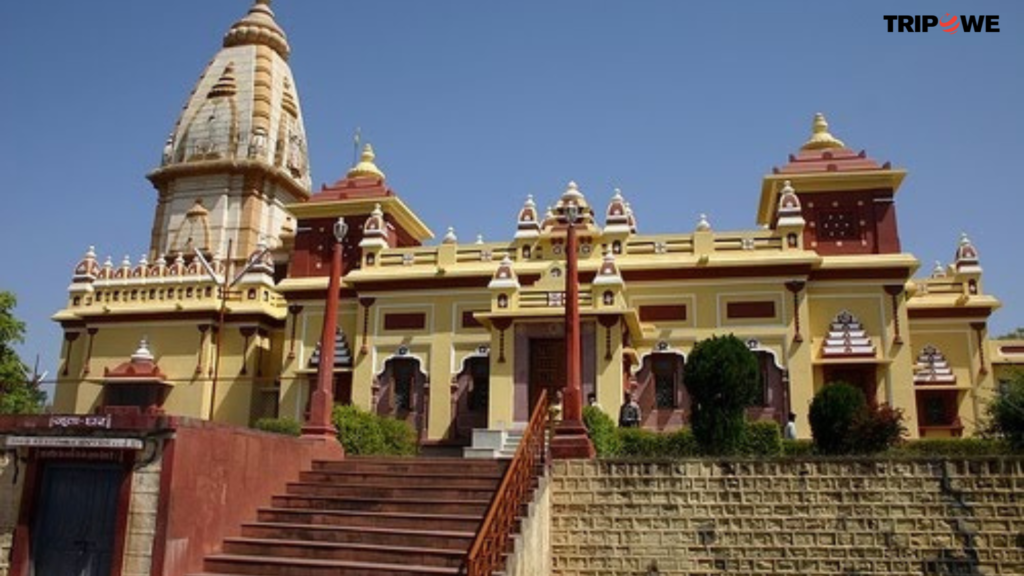
    Overview: The Lakshmi Narayan Temple, also known as the Birla Mandir, is one of the most iconic and revered temples in Bhopal, Madhya Pradesh. Situated on top of a hill in the Shyamla Hills area, it offers a breathtaking view of the city and the Upper Lake (Bhojtal). This temple is dedicated to Lord Vishnu and Goddess Lakshmi, the divine couple who represent wealth, prosperity, and well-being.

    Architectural Features:

    1. Main Shrine:
      • The central sanctum houses the deities of Lord Vishnu and Goddess Lakshmi in beautifully adorned idol forms.
      • The idols are made of white marble and are set on a raised platform in the temple’s central hall.
    2. The Structure:
      • The temple is built on a hilltop, providing a panoramic view of the surrounding city, including the famous Upper Lake (Bhojtal) and Lower Lake.
      • The walls of the temple are adorned with intricately carved figures and symbols representing various gods and goddesses.

    3.Brahma Mandir
    Brahma Mandir

    • Location: Near the Sanchi Stupa, Bhopal
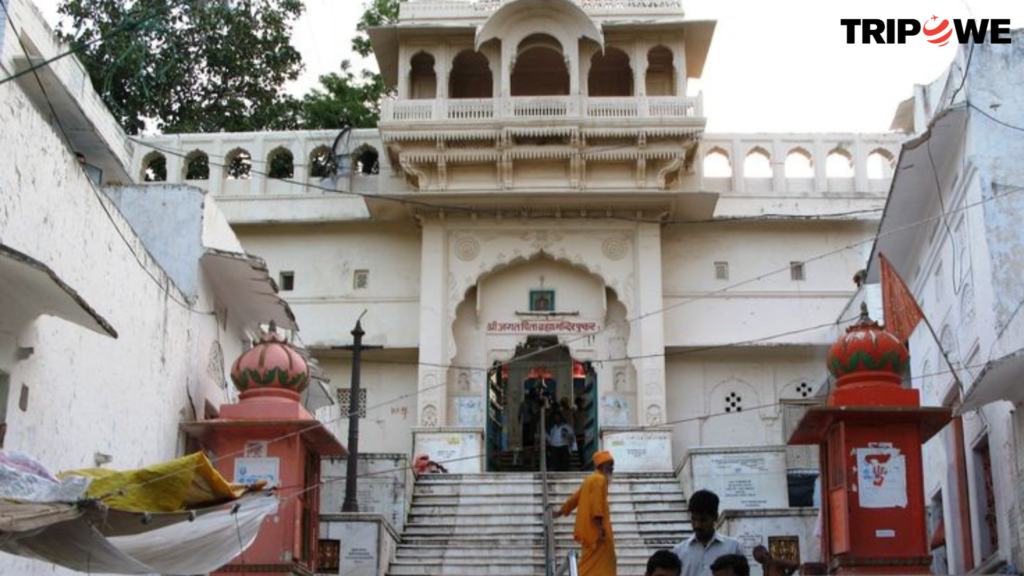
    • Significance: This temple is dedicated to Lord Brahma and is one of the few temples in India devoted to the creator of the universe. The temple’s simple yet striking architecture adds to the charm of this sacred site.

    Architectural Features:

    The Brahma Mandir is not as grandiose as some of the larger temples in Bhopal, but it stands out for its simplicity and peaceful surroundings. Some key architectural features include:

    1. Main Sanctum:
      • The temple is relatively modest in size and features a single sanctum where the idol of Lord Brahma is enshrined.
      • The idol of Lord Brahma in this temple is typically depicted with four faces, symbolizing his all-encompassing nature as the creator of the universe.
    2. Temple Design:
      • The temple has a traditional Hindu architectural style, with the sanctum placed on a raised platform.
      • The entrance and walls of the temple are decorated with carvings and sculptures of Hindu deities and mythological figures, though it is relatively simple compared to more ornate temples in the region.

    4. Raja Bhoj Temple
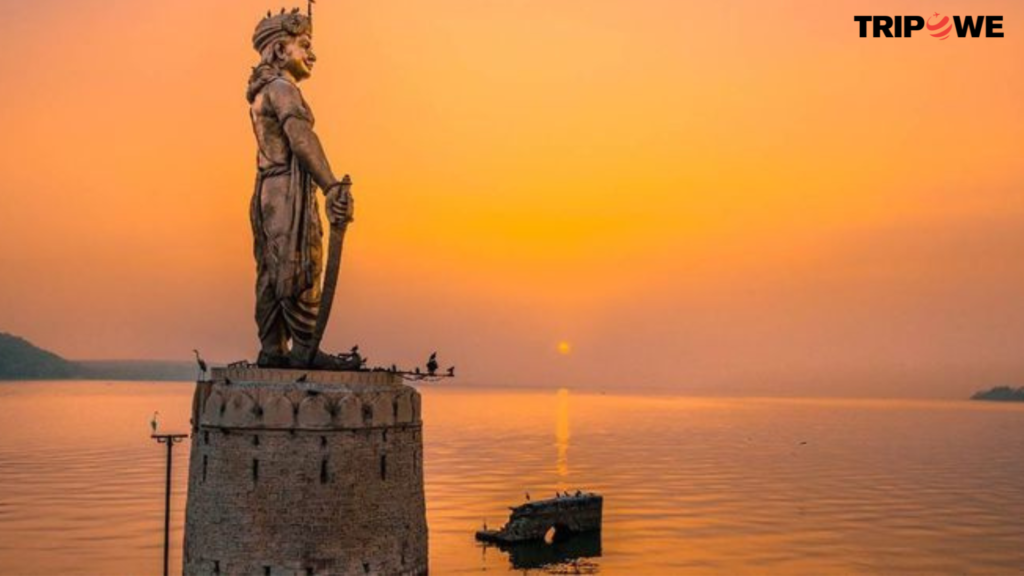
    Raja Bhoj Temple

    • Location: Bhojpur, near Bhopal (around 30 km from the city)
    • Significance: Located at Bhojpur, this temple is dedicated to Lord Shiva and is known for its massive Shiva Lingam. The temple is a great example of ancient Indian architecture and is situated in a picturesque location, surrounded by natural beauty.

    Nearby Attractions:

    1. Bhojtal Lake (Upper Lake):
      • The temple is located near the Upper Lake, which is a major attraction in Bhopal. Visitors can enjoy boat rides on the lake, which offers beautiful views of the surrounding area and the temple on the hilltop.
    2. Sanchi Stupa:
      • Sanchi, a UNESCO World Heritage site, is located about 30 kilometers from the Raja Bhoj Temple. The Sanchi Stupa is one of India’s oldest and most important Buddhist monuments and a major tourist destination in the region.

    5. Shree Kolar Mandir
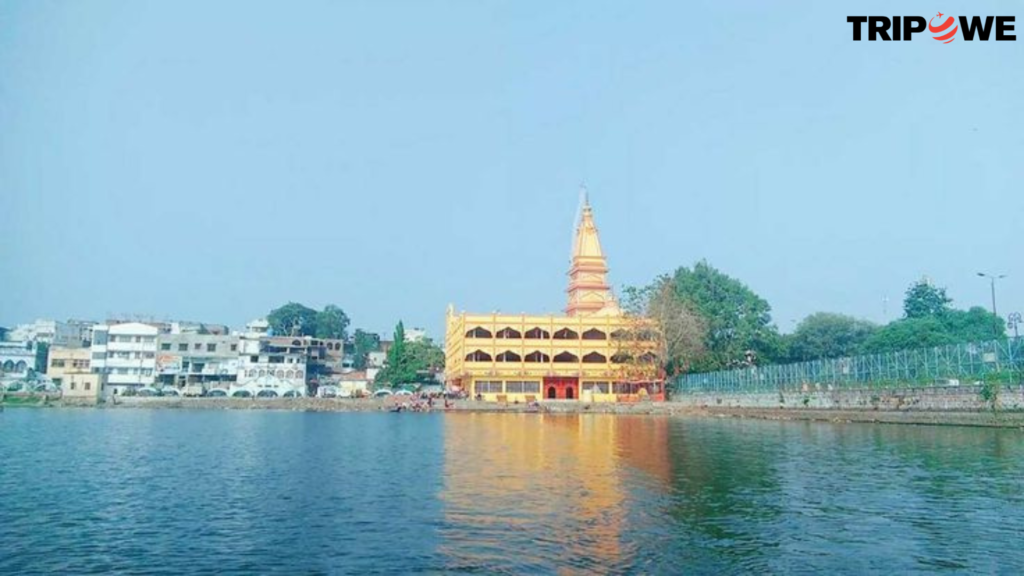
    Shree Kolar Mandir

    • Why Visit: Located in the Kolar area of Bhopal, this temple is dedicated to Lord Shiva. The temple is especially famous during the festival of Maha Shivaratri, when devotees from all over the region gather here for prayers and celebrations.
    • Highlights: Spiritual atmosphere, Maha Shivaratri celebrations, scenic surroundings.

    Temple Architecture
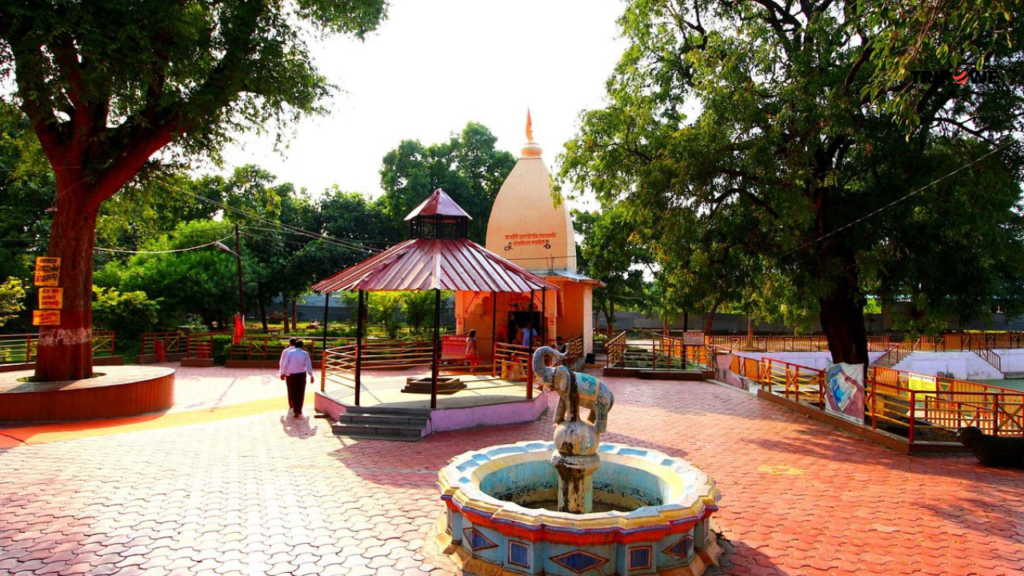
    Shree Kolar Mandir boasts a simple yet striking architectural design, typical of many Hindu temples dedicated to Lord Shiva. The main sanctum houses a Shivlinga, which is the central point of worship. Devotees come here to perform Abhishekam (ritual bathing of the Shivling) with milk, honey, and other sacred offerings. The temple also has a series of smaller shrines dedicated to various deities, including Goddess Parvati, Lord Ganesha, and Lord Kartikeya.
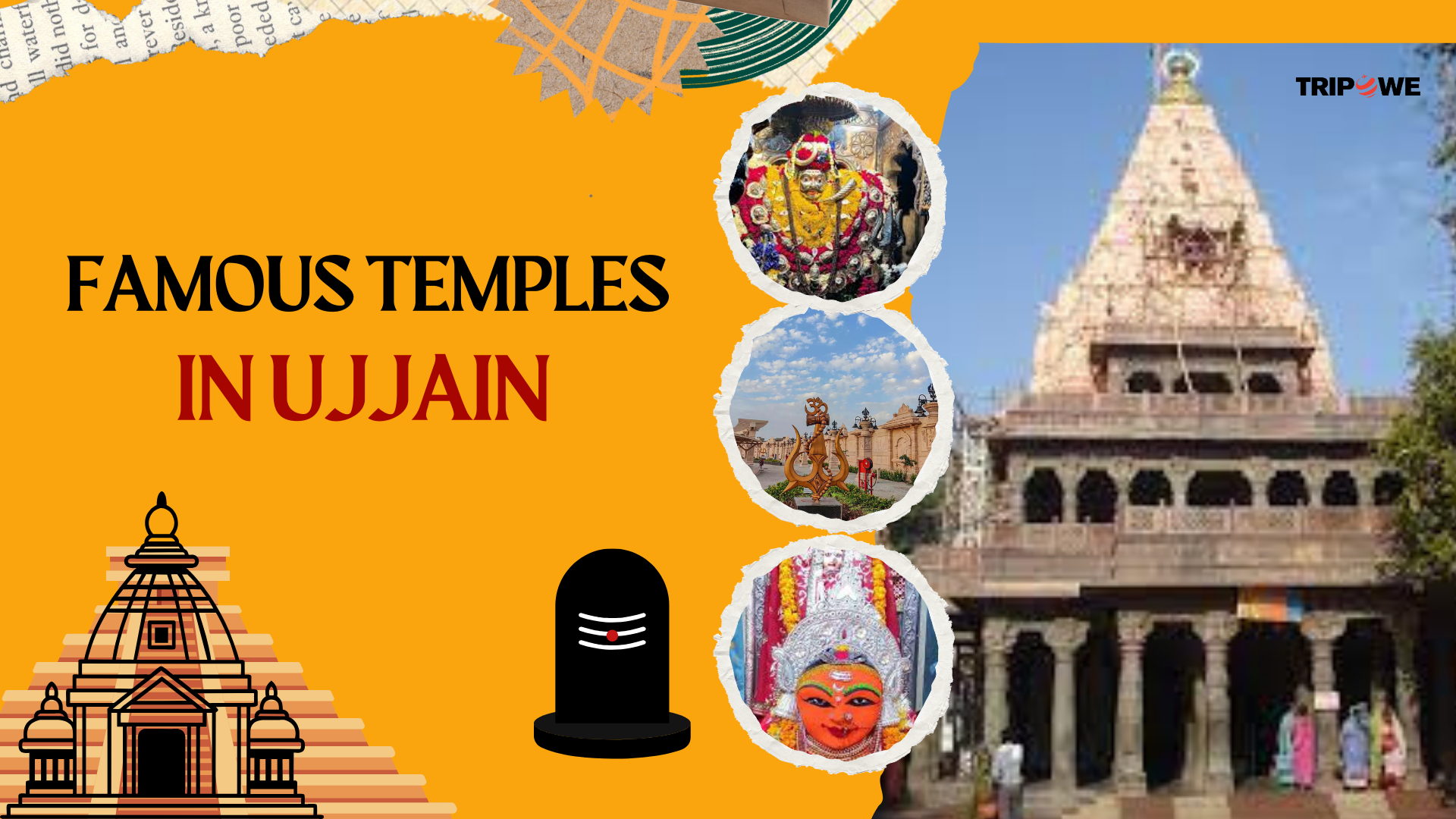
  • Famous Temples of Ujjain: A Divine Journey into Spirituality.

    Famous Temples of Ujjain: A Divine Journey into Spirituality.

    Famous Temples of Ujjain: A Divine Journey into Spirituality.

    Ujjain, situated on the banks of the sacred Shipra River, is one of India’s most ancient and respected cities. Ujjain, known as the “City of Temples,” is rich in spirituality, history, and culture. It is one of the Sapta Puris (seven sacred cities) and a must-see for devout Hindus. The city’s association with mythology, astronomy, and religion makes it a popular pilgrimage destination, particularly during the Kumbh Mela. This blog guides you through Famous Temples of Ujjain, explaining their history, significance, and the spiritual experiences they offer.

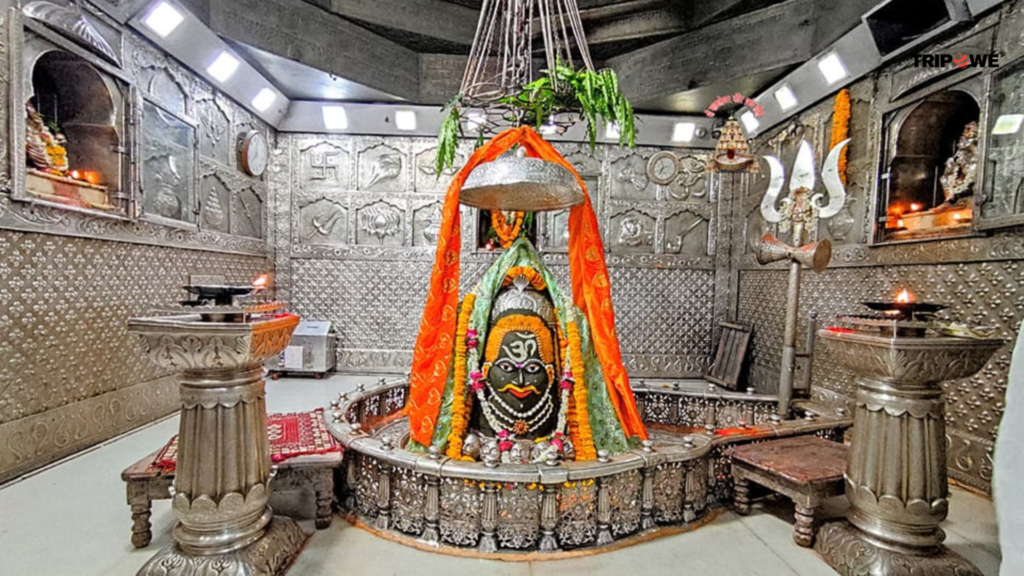
    1. Mahakaleshwar Temple: The Jyotirlinga of Eternal Power
    Famous temples in ujjain

    The Mahakaleshwar Temple, one of the 12 Jyotirlingas, is Ujjain’s most well-known temple. The temple, dedicated to Lord Shiva, is unusual in that it is the only Jyotirlinga that faces south, portraying the deity as the Lord of Time and Death. The temple’s Bhasma Aarti, a procedure in which the Shiva Lingam is showered in sacred ash, offers a unique spiritual experience.

    Key highlights:

    • Experience the mysterious Bhasma Aarti at dawn.
    • Admire the exquisite architecture and relaxing atmosphere.
    • Participate in the Shivratri celebrations, which attract thousands of devotees each year.

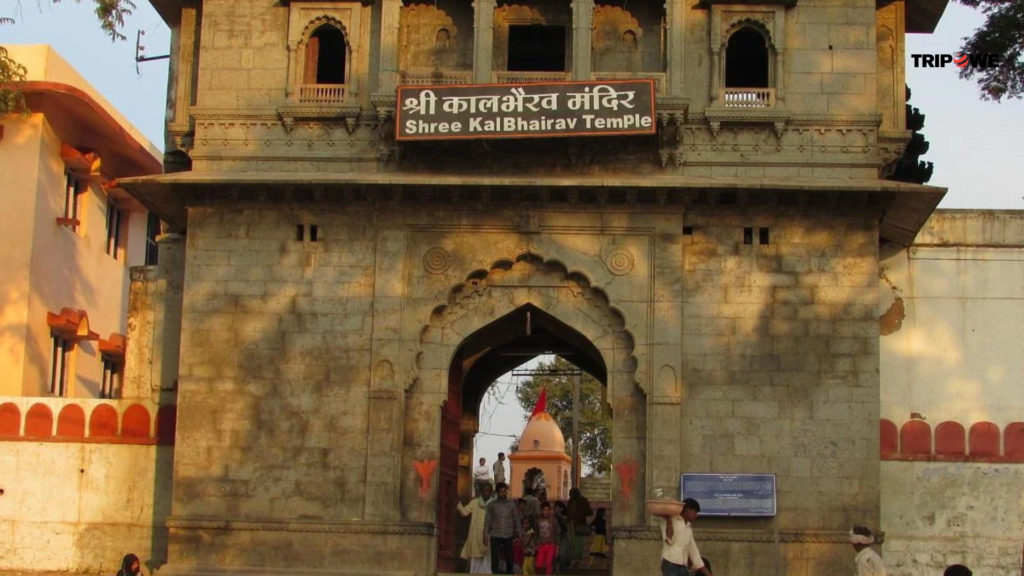
    2. Kal Bhairav Temple: The Guardian Deity of Ujjain
    Famous temples in ujjain

    The Kal Bhairav Temple, which is devoted to Lord Kal Bhairav, a furious manifestation of Shiva, is well-known for its distinctive liquor offerings. This tradition, based on ancient Tantric traditions, represents the notion that Lord Bhairav protects the city and its inhabitants. The temple’s magical air and unique traditions make it a must-see destination in Ujjain.

    Key highlights:

    • Participate in the liquor offering ritual.
    • Discover the temple’s ties to ancient Tantra.
    • Feel Lord Kal Bhairav’s protective and mighty energies.

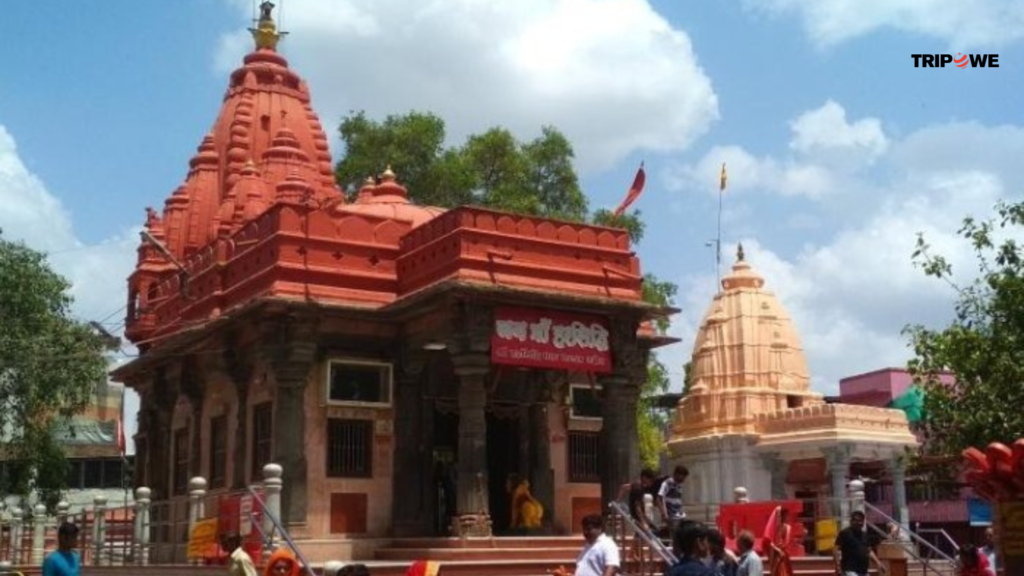
    3. Harsiddhi Temple: A Famous Shaktipeetha

    The Harsiddhi Temple is one of the 51 Shaktipeethas dedicated to the goddess Durga. It is claimed that Maa Harsiddhi bestows power, health, and prosperity upon her followers. The temple is renowned by its Deepa Stambhas (light towers), which are illuminated during festivals and create an unforgettable sight.

    Key highlights:

    • Witness the splendor of the Deepa Stambhas during Navratri.
    • Seek favors from the goddess of strength and prosperity.
    • Admire the temple’s historical significance and tranquil setting.

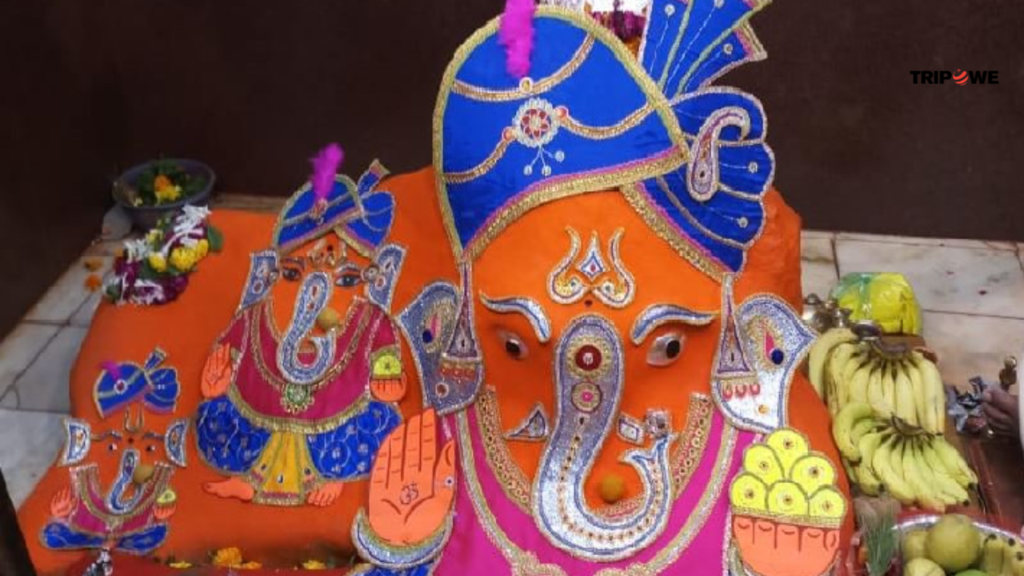
    4. Chintaman Ganesh Temple, Lord of Beginnings
    Famous temples in ujjain

    The Chintaman Ganesh Temple, situated on the outskirts of Ujjain, is one of the oldest temples dedicated to Lord Ganesha. The name “Chintaman” means “the remover of worries,” and devotees think that visiting this temple helps them overcome their anxiety and troubles.

    Key highlights:

    • Offer prayers to Lord Ganesh’s self-manifested idol.
    • Enjoy the temple’s serene atmosphere, away from the rush and bustle of the city.
    • Seek blessings for a new beginning and success.

    Key highlights:

    • Pay tribute to the deity that inspired Kalidasa.
    • Discover the temple’s historical and cultural significance.
    • Experience the heavenly atmosphere that fosters creativity.

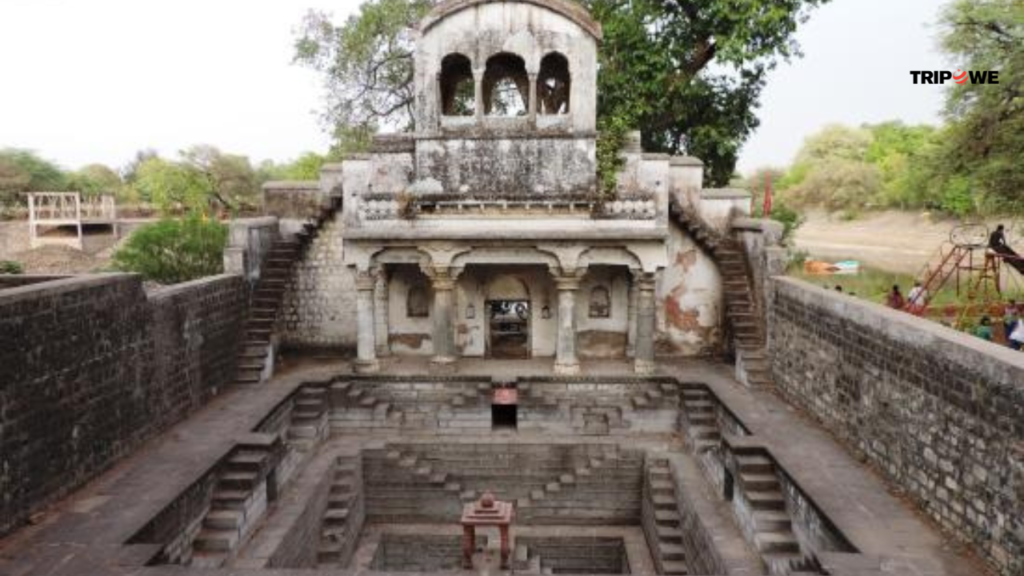
    5. Ram Janardhan Temple: A Masterpiece of Ancient Architecture
    Famous temples in ujjain

    The Ram Janardhan Temple is an excellent representation of Ujjain’s rich architectural heritage. The temple, dedicated to Lord Vishnu and Lord Rama, is decorated with beautiful carvings and sculptures that showcase ancient craftsmanship.

    Key highlights:

    • Admire the beautiful buildings and sculptures.
    • Seek blessings from Lords Vishnu and Rama.
    • Discover the historical significance of this ancient temple.

    6. Sandipani Ashram: The Gurukul of Krishna

    The Sandipani Ashram is an important spiritual place where Lord Krishna, Balram, and Sudama are thought to have learned under Guru Sandipani. The ashram’s peaceful surroundings and historical significance make it a must-see.

    Key highlights:

    • Visit the sacred Gomti Kund, which is said to have been created by Lord Krishna.
    • Explore the old learning centre.
    • Immerse yourself in the mythological stories surrounding Lord Krishna’s boyhood.

    Festivals & Special Events in Ujjain.

    Mahashivratri: A grand event at the Mahakaleshwar Temple.

    Kumbh Mela: This spiritual gathering occurs every 12 years and is unparalleled.

    Navratri: Exciting celebrations at the Harsiddhi Temple.

    Shraavana is a sacred month for Shiva believers, attracting millions to Ujjain.

    How to Get to Ujjain

    By air: The nearest airport is Devi Ahilya Bai Holkar Airport in Indore, 55 kilometers away.

    By Train: Ujjain Junction is a major railway station with connections to places such as Delhi, Mumbai, and Bhopal.

    By Road: Ujjain is accessible by road from Indore, Bhopal, and other surrounding places.

    Conclusion

    Ujjain has a wealth of spirituality, history, and culture. The major temples in Ujjain, such as the Mahakaleshwar Temple, Kal Bhairav Temple, and Harsiddhi Temple, provide a spiritual experience, whereas Sandipani Ashram and Gadkalika Temple provide cultural and mythical insights. Whether you’re a pilgrim seeking blessings, a traveler discovering India’s spiritual legacy, or a history buff, Ujjain is a location that will leave an impression.

    Plan your Famous Temples Of Ujjain  journey to experience the city’s holy aura, sacred rituals, and timeless stories.


  • Amarnath Yatra from Pahalgam: A Journey to the Divine

    Amarnath Yatra from Pahalgam: A Journey to the Divine

    Amarnath Yatra from Pahalgam: A Journey to the Divine

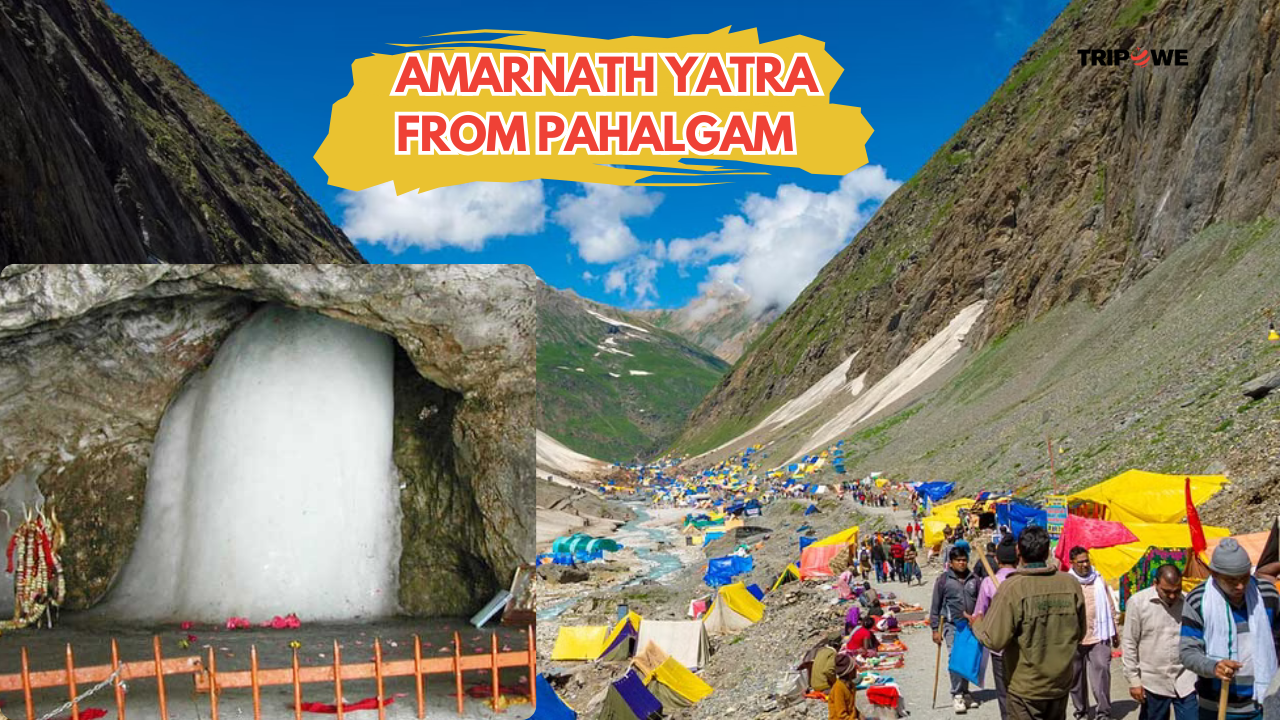
    The Amarnath Yatra, a spiritual pilgrimage, is one of the most renowned travels among Hindus worldwide. Nestled in the Himalayas, the Amarnath Cave is home to the naturally created ice Shivling, which represents Lord Shiva. The Yatra through Pahalgam, a calm town in Jammu and Kashmir, provides a peaceful and attractive approach to the holy cave. This blog will walk you through the spiritual journey, emphasizing its significance, the path, preparation, and advice for a rewarding encounter.

    Significance of the Amarnath Yatra

    The Amarnath Yatra is extremely religiously significant since it is thought to be the cave where Lord Shiva gave the mysteries of immortality to Goddess Parvati. Every year, thousands of devotees make this pilgrimage during the Shravan month (July-August), braving the difficult terrain in search of divine blessings.
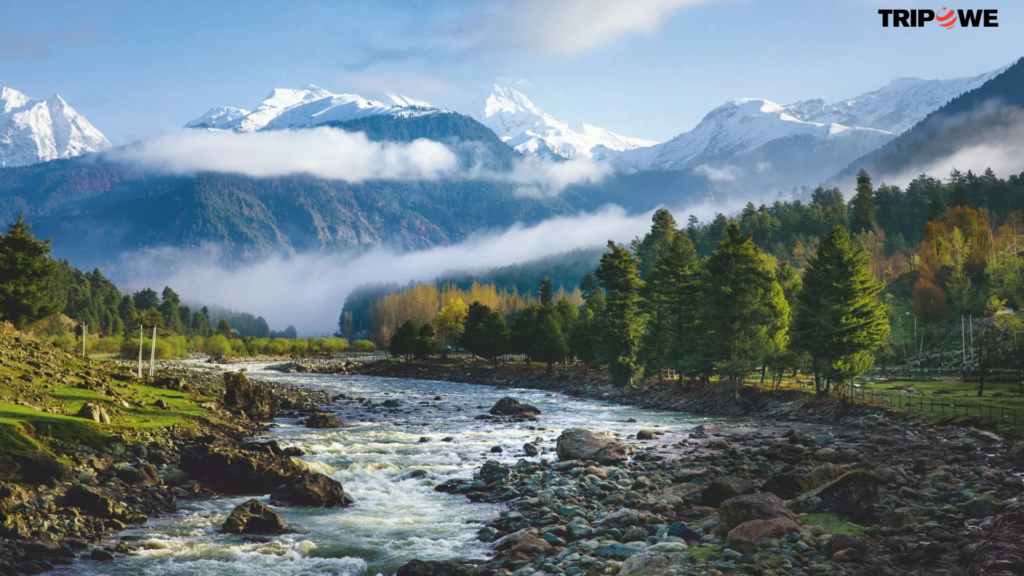
    Starting Point: Pahalgam.

    Pahalgam, often known as the “Valley of Shepherds,” serves as the base camp for the traditional Amarnath Yatra path. This charming hamlet is bordered by lush meadows, pine trees, and the Lidder River, making it an ideal site to begin your spiritual journey. Devotees frequently spend a day here to acclimate before starting the climb.
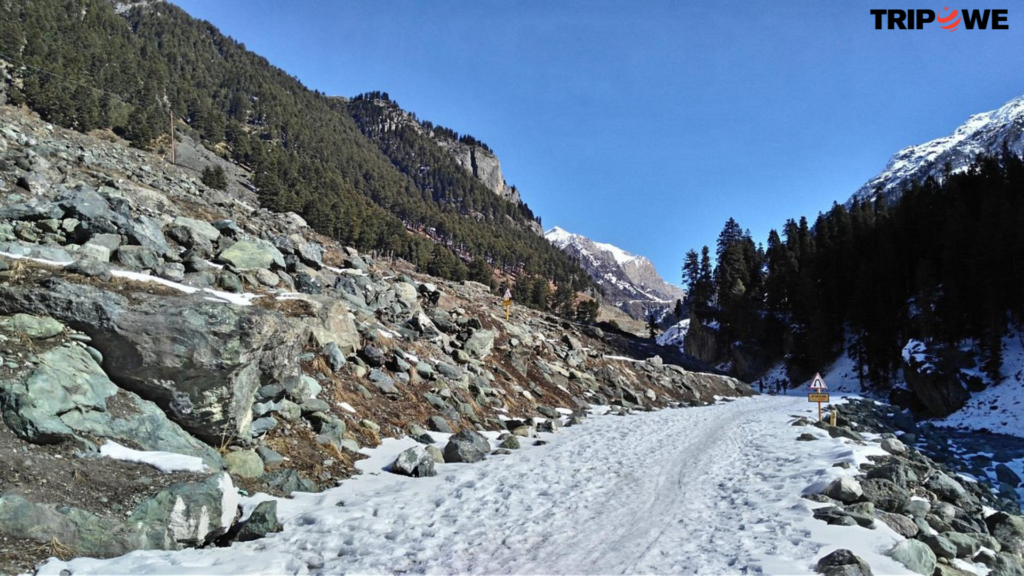
     

    The Route

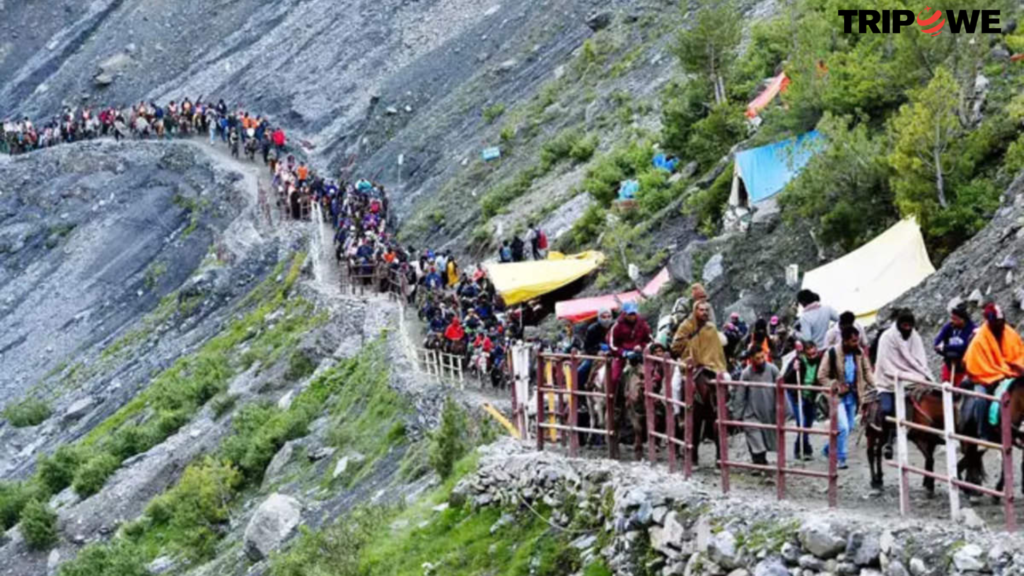
    The path from Pahalgam to Amarnath Cave is 46 kilometers long and broken into various stages:

    Pahalgam to Chandanwari (16 kilometers)

    Pahalgam to ChandanwariThe trek begins with a car or a short trek to Chandanwari, the first destination. Chandanwari is famed for its snow bridges and serves as the entryway to higher heights.
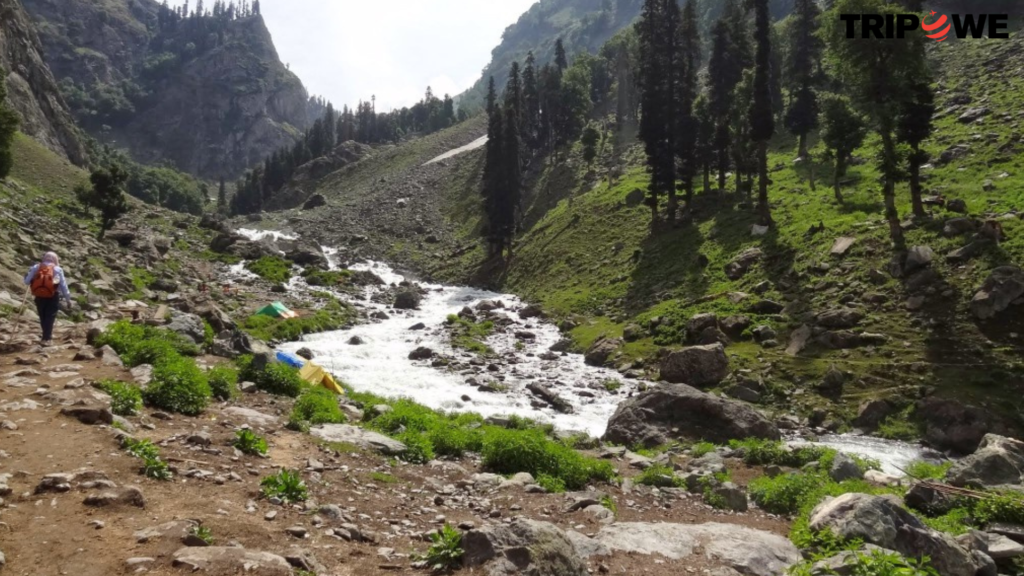
    Chandanwari to Pissu Top.

    This steep incline tries the pilgrims’ stamina. Pissu Top is thought to symbolize the gods’ victory over devils.

    Pissu Top to Sheshnag (12 kilometers)

    Pissu Top to SheshnagThe trek leads to Sheshnag Lake, a tranquil and magical high-altitude lake. The name is derived from the mythical serpent Sheshnag.
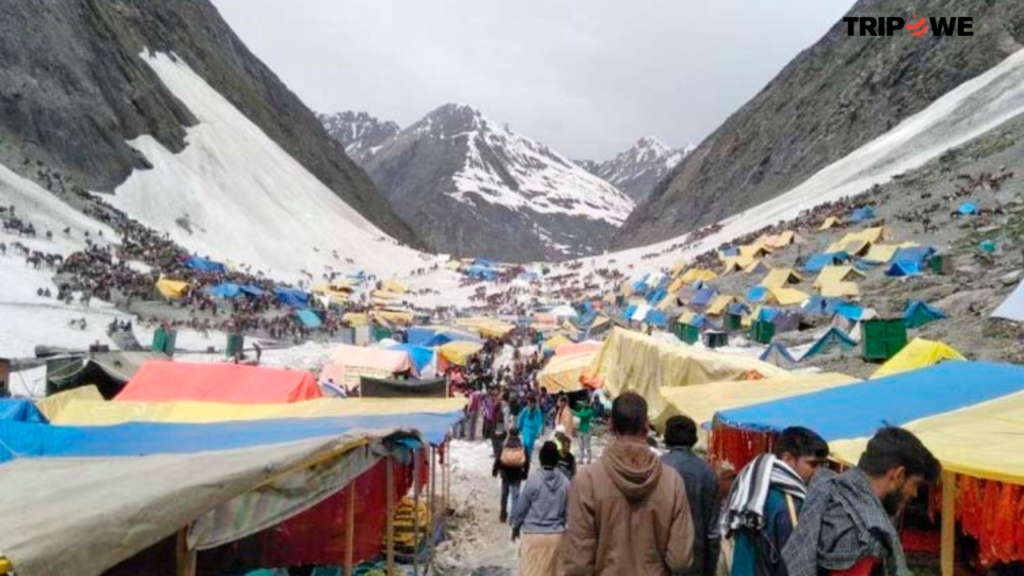
    Sheshnag to Panchtarni (9 kilometers)

    Sheshnag to PanchtarniPanchtarni, the confluence of five rivers, is the final halt before reaching the Amarnath Cave. The scenery here is stunning, with amazing vistas of the Himalayan ranges.
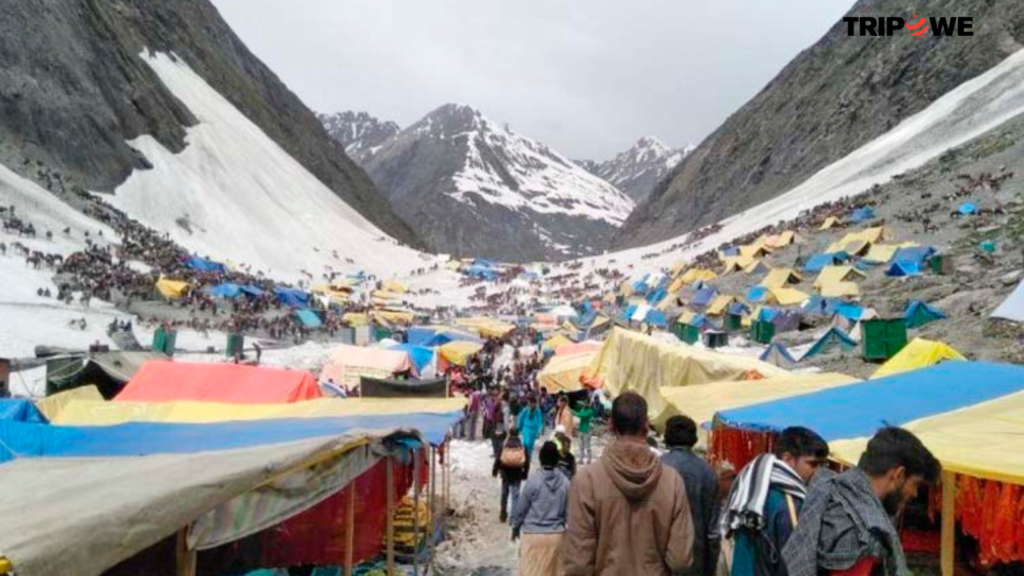
    Panchtarni to Amarnath Cave (6 km)

    Panchtarni to Amarnath CaveThe final portion of the voyage is both demanding and spiritually rewarding. As they approach the holy cave, devotees chant “Om Namah Shivaya”. Inside, the natural ice Shivling awaits, emitting miraculous energy.
    Tips for Pilgrims

    Tips for PilgrimsRegistration: Visit the official Amarnath Yatra website or one of the designated centers and register well in advance. Carry your Yatra permission and proof of identification.
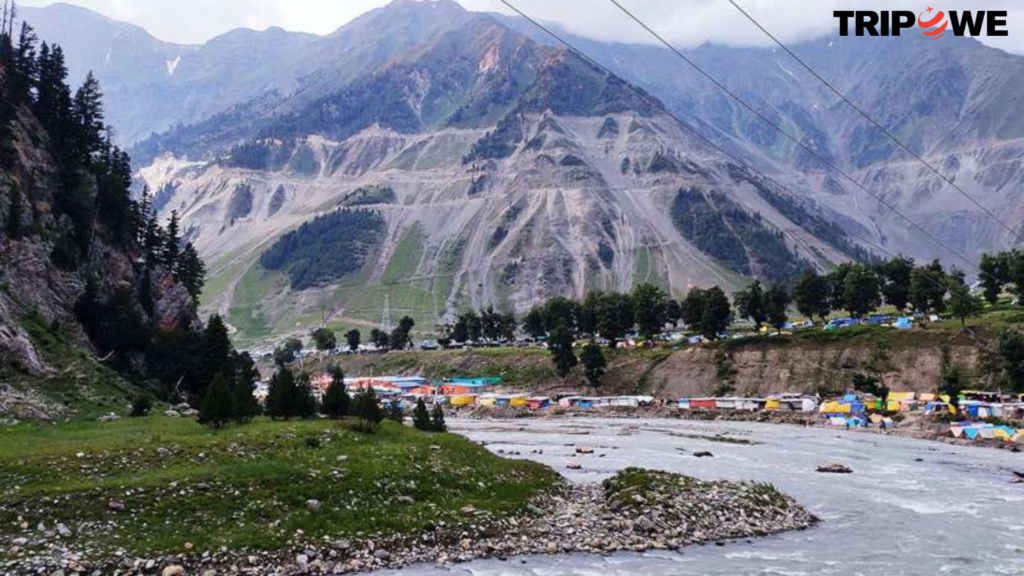
    Health and Fitness: Make sure you are physically fit enough to complete the arduous hike. A medical fitness certificate is required for registration.

    Clothing and gear: Bring warm, waterproof clothing, strong walking shoes, gloves, and a raincoat.

    Food and drink: While there are langars (community kitchens) along the route, bring snacks and drink in case of an emergency.

    Acclimatization: Spend a day at Pahalgam or Chandanwari to get used to the high altitude and avoid altitude sickness.

    First Aid Kit: Keep a personal first aid kit stocked with important medications.

    Best time to visit

    The Amarnath Yatra is open during the Shravan month, which runs from late June to early August. This time period was chosen because of the ideal weather conditions. However, in the Himalayas, the weather can be unpredictable.

    Cultural and Scenic Experience

    The tour through Pahalgam is more than just spiritual; it also provides a diverse cultural and environmental experience.

    Pahalgam is a centre for Kashmiri handicrafts and traditional cuisine. Explore the local markets and enjoy cuisines such as Rogan Josh, Yakhni, and Kahwa.

    The trail is studded with stunning vistas, ranging from verdant valleys to snow-covered summits.

    Interactions with fellow pilgrims and locals offer insights into the region’s traditions and hospitality.

    Challenges and Safety

    The journey to the Amarnath Cave is strenuous and not recommended for individuals with major health issues. Ensure that you obey the Shri Amarnath Shrine Board’s (SASB) guidelines. There are emergency services available along the route, such as oxygen cylinders and rescue squads.

    Alternative Route: Baltal.

    Baltal.Those looking for a shorter way to the cave might take the Baltal trail, which is 14 kilometers long. However, it is steeper and more difficult than the Pahalgam way.
    Conclusion

    The Amarnath Yatra from Pahalgam is a pilgrimage of faith, dedication, and fortitude. It provides a distinct blend of spirituality and natural beauty, leaving pilgrims with lasting memories and a sense of accomplishment. This voyage to Lord Shiva’s dwelling is a soul-stirring experience for both devotees and adventurers.

    Set out on this sacred trek with trust in your heart and determination in your footsteps. Har Har Mahadev!

  • Best places to visit in jammu and kashmir

    Best places to visit in jammu and kashmir

    Best places to visit in jammu and kashmir

    Best places to visit in jammu and kashmir – Jammu and Kashmir is such a beautiful place . It is also know as the heaven of the Earth . It is famous for its natural greenery , elegant lakes , hilly mountains and unbreakable beauty . The Kashmir valley is the popular destination in India .

    It attract tourist for its unique handicrafts and the Kashmir shawls . Kashmiri is the mostly speak language in the area of Kashmir valley and also speaks other languages . There are so many tourist places to visit in Jammu and Kashmir .

    Here, are the list of Best places to visit in jammu and kashmir

     1.  Gulmarg :

    Places to visit in Jammu and Kashmir : 2024Gulmarg is a tourist place and attracted millions of people throughout its existence with the hilly Mountains . Gulmarg is heaven for that person who loves nature. The best time to visit Gulmarg in April to June . This is just 48 km away from the city of Srinagar . A long nature walk at the lush green mountains of Gulmarg and valleys will make your trip to Gulmarg definitely worth it.  You can also ride of Gondola ride .

    2.  Srinagar :

    SrinagarIf you are looking for a place that offers the natural beauty , then Srinagar is the right place for you . It offers the most beautiful views in the world .  The best month to visit Jammu and Kashmir from June to November . Now days , Srinagar is popular destination tourist for its houseboats , Shikara ride , Mughal garden and the Nigeen lake . Take a walk in Indira Gandhi memorial tulip garden .

    3.  Pahalgam :

    Jammu and KashmirPahalgam is know as ‘ Village of Shepherds’ . Pahalgam serves as a base camp for the annual Amarnath Yatra pilgrimage to the holy cave of Amarnath, which is dedicated to Lord Shiva .  The valley was formed by two streams coming together, one from the Aru Glacier and one from the Lidder River . Aru Valley , located from 12 kilometer away from the Palagam , which is another place of tourist spot .

    4.  Dal lake :

    Dal lakeDal lake is the famous lake of Jammu and Kashmir . The lake is covered around 18 square kilometers . It is commonly know as ‘ Lake of Flowers’ . Dal lake has faced many environmental changes like pollution and so many other things . Dal lake is renowned for its unique houseboats , commonly know as ‘Shikaras’ . Dal lake is very beautiful destination in Jammu and Kashmir that’s why comes in the list of Best places to visit in jammu and kashmir .

    5. Sonamarg :

    SonamargSonamarg is one of the famous hill station place in Jammu and Kashmir , which is also know as ‘ Meadow of Gold ‘ . It is situated on the banks of Sindh river and located in District Ganderbal  and is about 80 km from the summer capital of Jammu and Kashmir. . During summer Sonamarg is most popular place for trekking  and hiking . It was also starting point for the silk road , which is linked Kashmir to China .
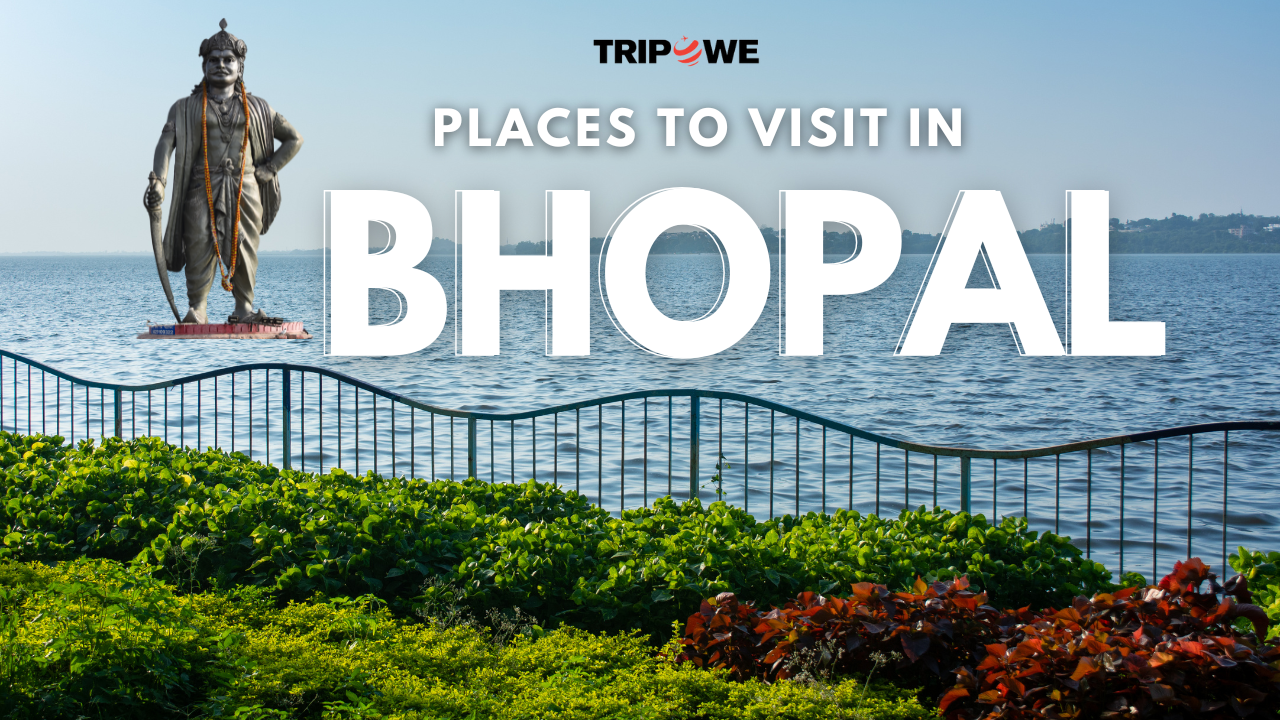
  • Places to Visit in Bhopal : A Traveler’s Guide

    Places to Visit in Bhopal : A Traveler’s Guide

    Places to Visit in Bhopal: A Traveler’s Guide

    Bhopal, Madhya Pradesh’s capital city, combines modernity and history, providing travelers with a rich cultural and historical experience. Bhopal, also known as the City of Lakes, is home to peaceful bodies of water, lush green landscapes, ancient landmarks, and busy markets. Whether you enjoy history, nature, or spirituality, this city has something for everyone. Let’s look at the Places to Visit in Bhopal that should be on your vacation itinerary.

    1. Upper Lake (Bhoj Tal)
    Places to visit in bhopal

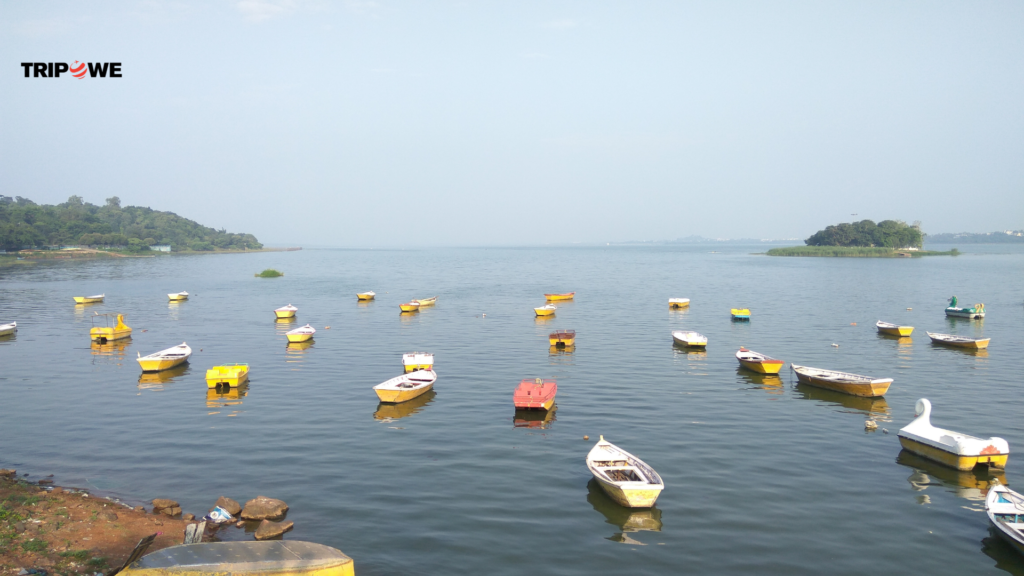
    Upper Lake, commonly known as Bhojtal, is one of India’s largest manmade lakes and a popular attraction in Bhopal. This serene location, surrounded by lush nature, is ideal for boating, picnicking, and seeing breathtaking sunsets.

    Key highlights:

    • provides boating and other water activities.
    • It is home to the beautiful Kamla Park along its banks.
    • Ideal for photography and wildlife walks.

    Why should you visit?

    Upper Lake is a must-see for its tranquil beauty and recreational activities, making it one of the top attractions in Bhopal.

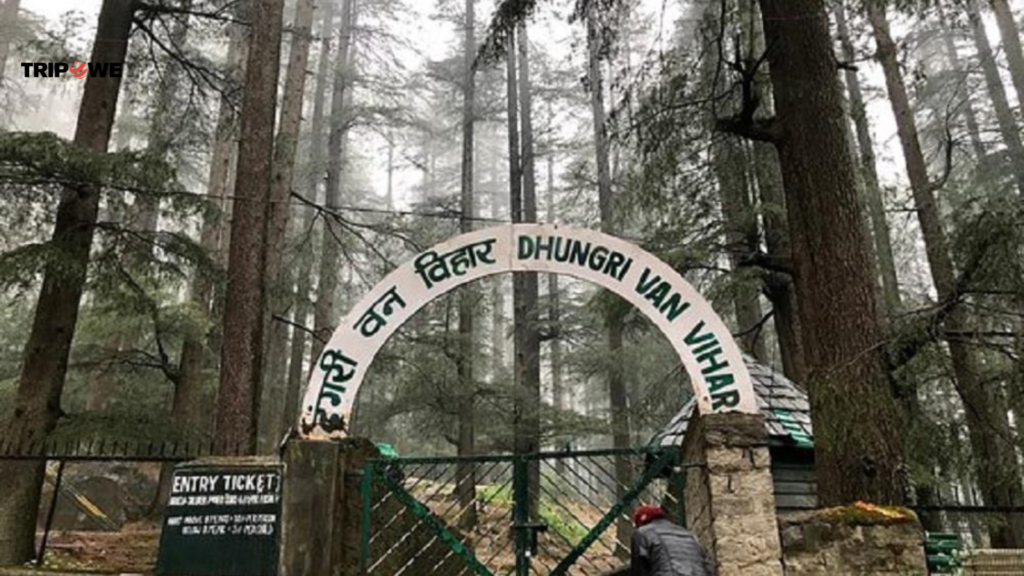
    2. Van Vihar National Park.

    Van Vihar National Park, located near the Upper Lake, is ideal for wildlife aficionados. The park provides a safe setting for animals in their native habitats while also allowing people to relax in the middle of nature.

    Key highlights:

    • Tigers, leopards, bears, and other bird species call this place home.
    • Ideal for biking and hiking paths.
    • Combines a zoo with a natural woodland environment.

    Why should you visit?

    Van Vihar is one of the best destinations in Bhopal for nature enthusiasts, providing an ideal balance of adventure and relaxation.

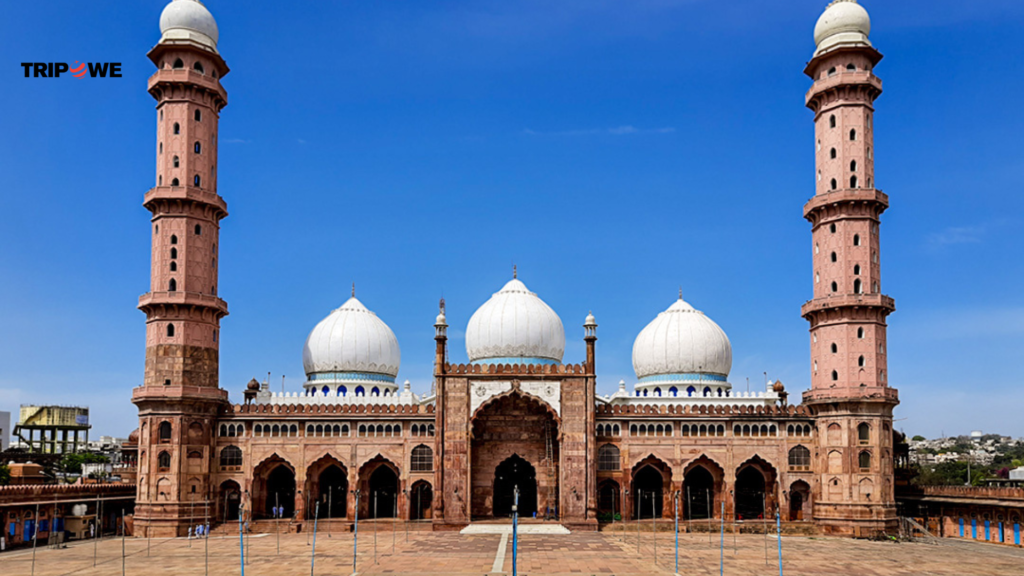
    3. Taj-ul-Masjid
    Places to visit in bhopal

    Taj-ul-Masajid, which translates as “Crown of Mosques,” is one of India’s largest mosques. This architectural marvel boasts breathtaking domes, minarets, and a massive prayer hall. It embodies the city’s rich Mughal heritage.

    Key highlights:

    • Elegant Mughal architecture with elaborate embellishments.
    • An important religious location for Muslims.
    • Holds annual religious gatherings.

    Why should you visit?

    The Taj-ul-Masajid is one of Bhopal’s most well-known attractions, providing insight into the city’s architectural magnificence and cultural significance.

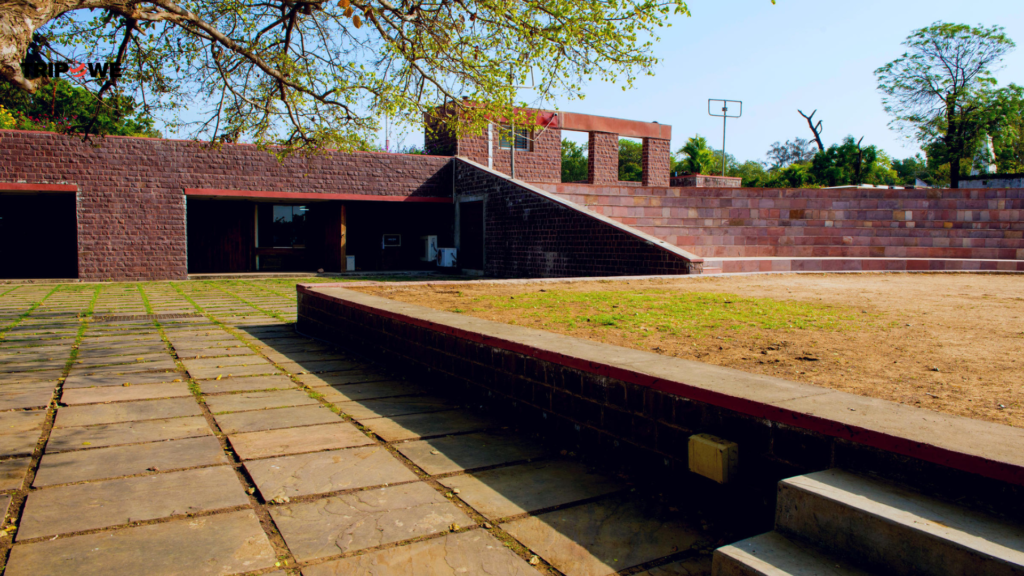
    4. Bharat Bhavan

    Bharat Bhavan is a multi-arts complex that acts as a focal point for cultural and artistic expression. It features a museum, an art gallery, a library, and an outdoor amphitheater.

    Key highlights:

    Displays traditional and contemporary Indian art.

    Organizes cultural events, performances, and workshops.

    Provides excellent views of the Upper Lake.

    Why should you visit?

    Bharat Bhavan, one of the top Places to Visit in Bhopal, showcases the city’s creative past.

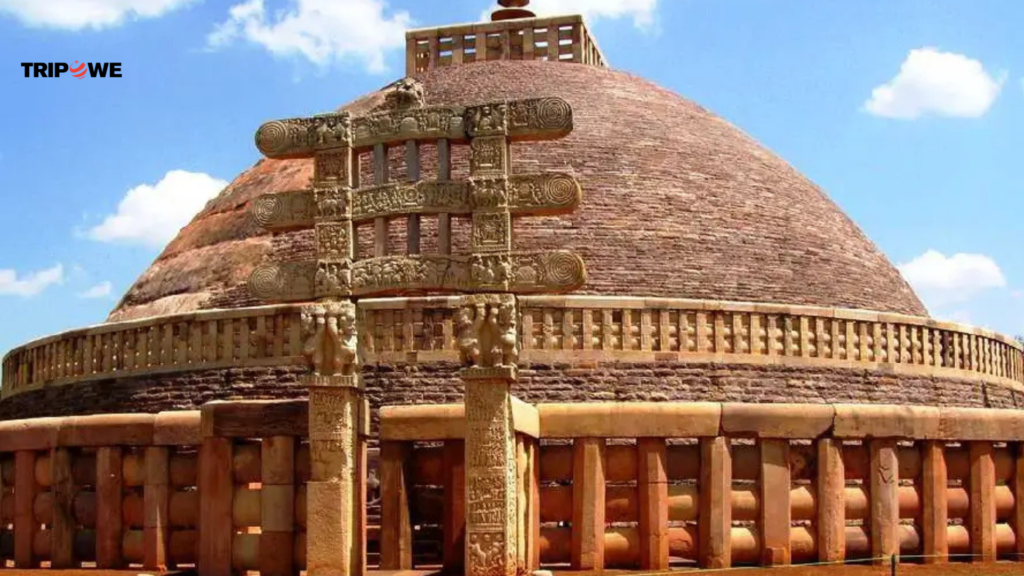
    5) Sanchi Stupa

    Places to visit in bhopal

    The Sanchi Stupa, located around 46 kilometers from Bhopal, is a UNESCO World Heritage Site and a must-see site. This ancient Buddhist monument from the third century BCE is a symbol of peace and enlightenment.

    Key highlights:

    • With finely carved gateways and a large dome.
    • This represents India’s rich Buddhist tradition.
    • Provides peaceful surroundings for meditation.

    Why should you visit?

    Sanchi Stupa is a well-known attraction near Bhopal, drawing visitors from all over the world who are interested in history and spirituality.

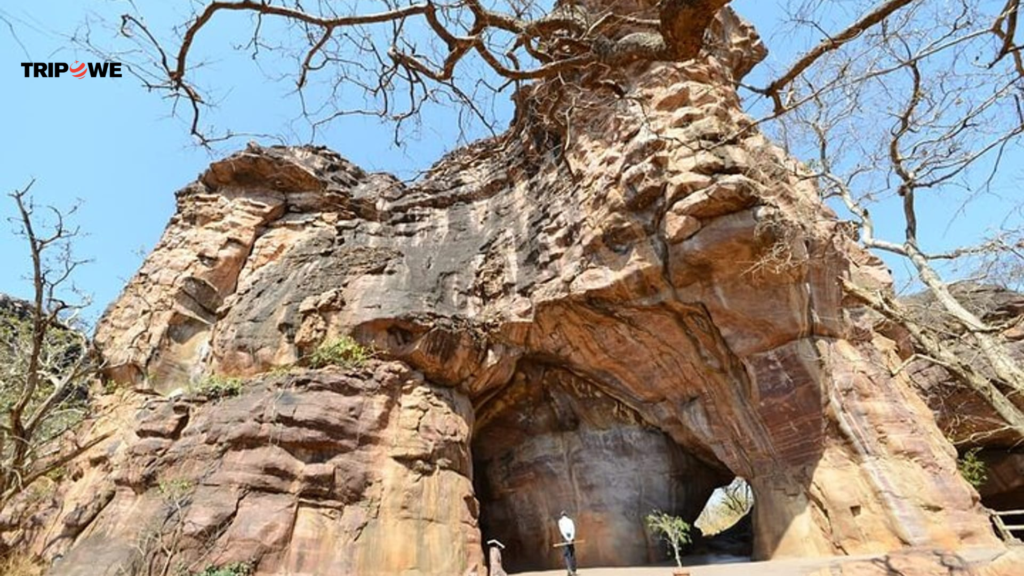
    6. Bhimbetka’s Rock Shelters
    Places to visit in bhopal

    The Bhimbetka Rock Shelters, another UNESCO World Heritage Site near Bhopal, contain an incredible amount of prehistoric art and culture. The rock paintings here date back thousands of years and represent the lives of the early humans.

    Key highlights:

    • It contains old rock art and engravings.
    • provides an insight into prehistoric human life.
    • Surrounded by verdant trees and natural beauty.

    Why should you visit?

    Bhimbetka Rock Shelters are among the best historical sites to visit around Bhopal, making them a must-see for both history aficionados and environment lovers.

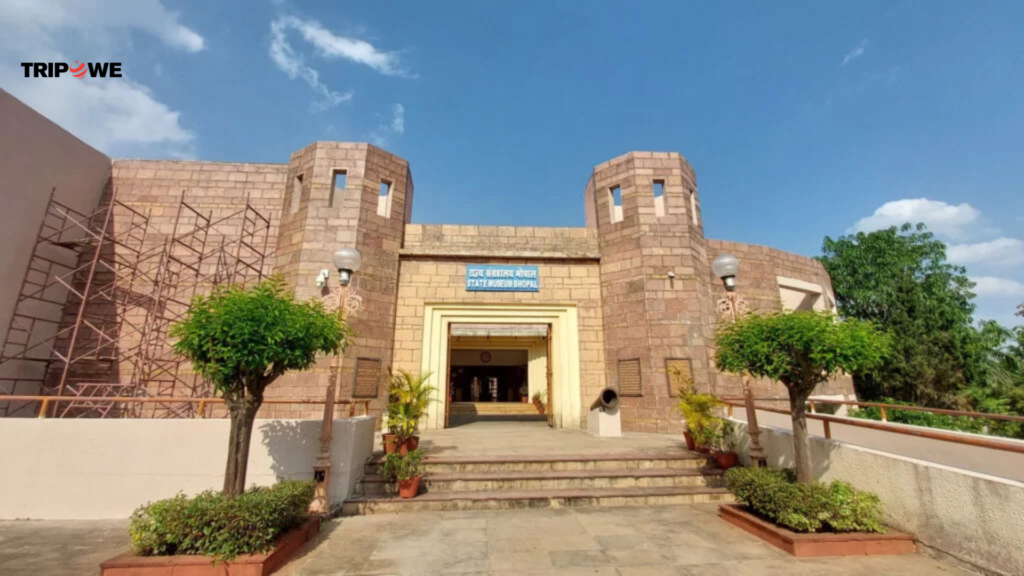
    7. State Museum Bhopal.

    Bhopal’s State Museum is a historical treasure trove, displaying an extensive collection of antiquities, sculptures, and paintings. The museum provides insight into the city’s rich cultural and historical past.

    Key highlights:

    • Exhibits sculptures, coins, texts, and fossils.
    • Provides thematic galleries, including one for tribal art.
    • History buffs will appreciate the well-kept grounds and educational content.

    Why should you visit?

    The State Museum is one of the top educational institutions in Bhopal, ideal for anyone interested in exploring the city’s history.

    • Exhibits beautiful carvings and sculptures.
    • offers amazing views of Bhopal’s skyline.

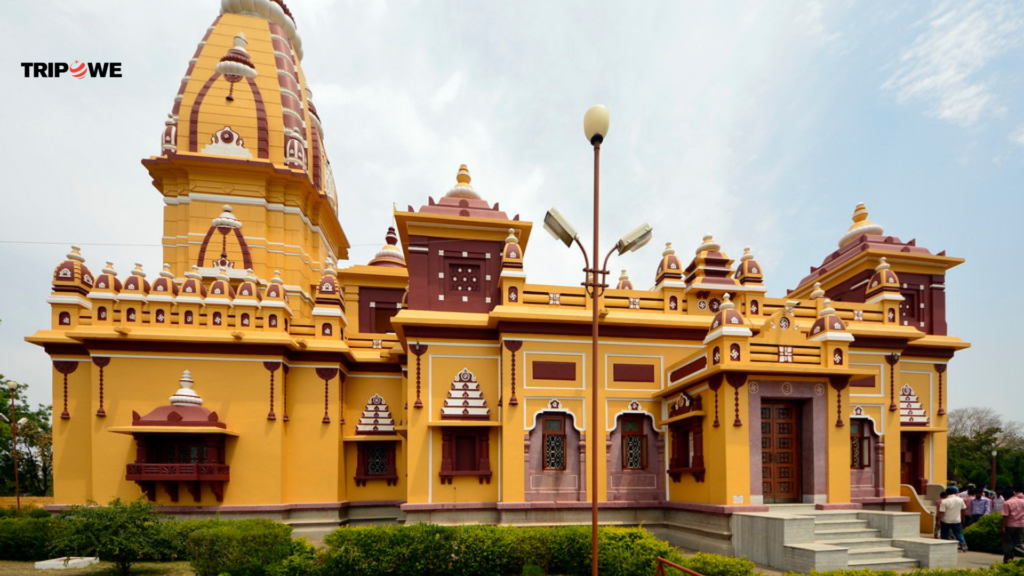
    8. Birla Mandir
    Places to visit in bhopal

    Birla Mandir, located on the Arera Hills, is a peaceful and spiritually uplifting temple devoted to Lord Vishnu and Goddess Lakshmi. The temple is famous for its beautiful architecture and panoramic views of the city.

    Key highlights:

    • Provides a tranquil environment for meditation and prayer.
    • Exhibits beautiful carvings and sculptures.
    • offers amazing views of Bhopal’s skyline.

    Why should you visit?

    Birla Mandir is a popular religious destination in Bhopal, providing an ideal blend of spirituality and architectural beauty.
    The State Museum is one of the top educational institutions in Bhopal, ideal for anyone interested in exploring the city’s histor

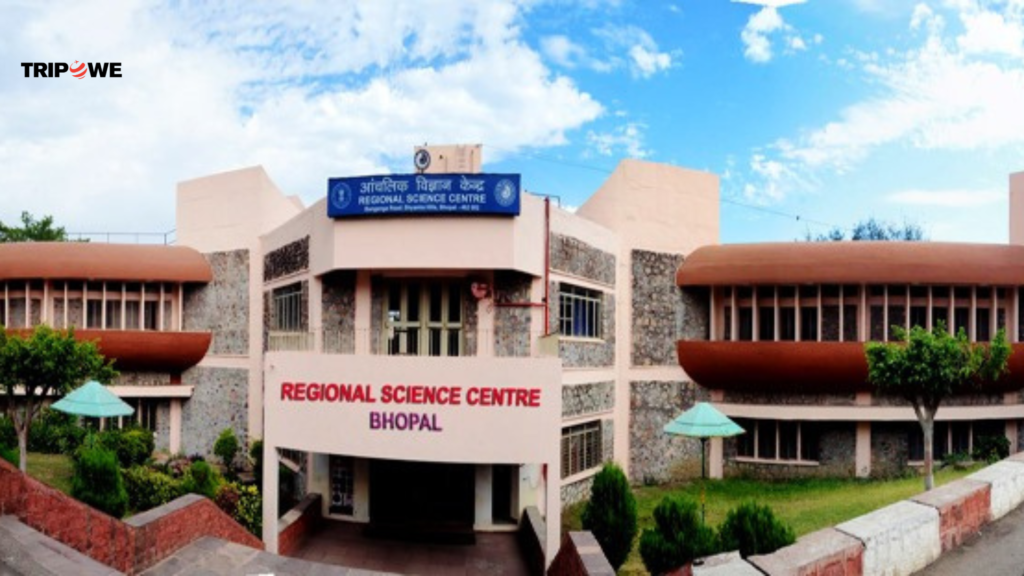
    9. Regional Science Center.

    The Regional Science Centre in Bhopal provides an educational and participatory environment for both children and adults. It includes science exhibitions, a planetarium, and interactive activities.

    Key highlights:

    • Provides hands-on exhibitions and science displays.
    • Includes a 3D cinema for instructional films.
    • Ideal for a family outing.

    Why should you visit?

    This is one of the most enjoyable locations to visit in Bhopal, particularly for families and science aficionados.

    10. Lower Lake
    Places to visit in bhopal

    The Lower Lake, like the Upper Lake, is a magnificent piece of water in Bhopal. It is surrounded by hills and provides a tranquil refuge for guests.

    Key highlights:

    • Perfect for picnics and evening walks.
    • Provides boating and fishing options.
    • Offers a peaceful respite from the hustle and bustle of metropolitan life.

    Why should you visit?

    The Lower Lake is a must-see for nature lovers, ranking among the top natural attractions in Bhopal.

    Conclusion

    Bhopal is a city that harmoniously combines historical beauty with modern attractions. From the serene Upper Lake to the prehistoric wonder of Bhimbetka Rock Shelters, the greatest places to see in Bhopal have something for everyone. Bhopal delivers an amazing voyage, whether you’re exploring its heritage sites, admiring its natural beauty, or engaging in cultural activities. Here Is The Blog of Places to Visit in Bhopal read and make the plan to explore bhopal

  • Best Places to Visit in Agra with Family

    Best Places to Visit in Agra with Family

    Best Places to Visit in Agra with Family

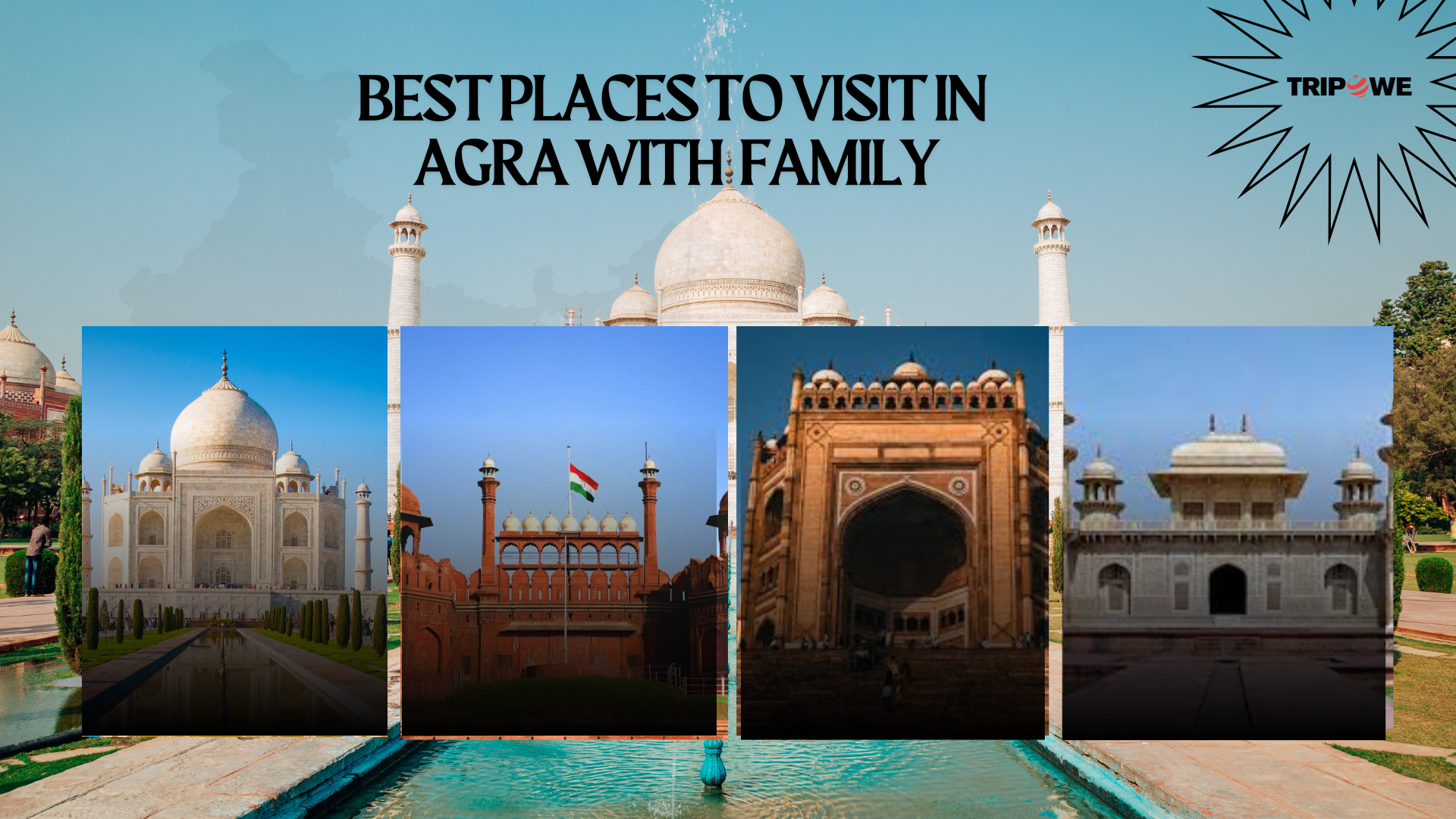
    Agra is one of India’s most famous tourist sites, with its rich history and architectural marvels. Agra is well-known for its stunning Taj Mahal, but there is much more to see here. Whether you are a history buff, an art lover, or just looking for a relaxed vacation, Agra has something for everyone. If you’re planning a family trip, here’s a list of the Best Places to visit in Agra with family, assuring a great experience for everyone.

    1) Taj Mahal

    No journey to Agra is complete without visiting the renowned Taj Mahal, a UNESCO World Heritage Site. This marble monument, constructed by Emperor Shah Jahan in memory of his wife Mumtaz Mahal, represents eternal love. The elaborate sculptures and the peaceful Yamuna River adjacent combine for a beautiful scene. Families can take a quiet stroll around the lush grounds and capture great images with the Taj in the backdrop.

    2)Agra Fort

    The Agra Fort, another UNESCO World Heritage Site, is a huge red sandstone stronghold that exemplifies the Mughal Empire’s magnificence. The fort, located only 2.5 kilometers from the Taj Mahal, provides a glimpse into the royal lifestyle. Exploring the courtyards, palaces, and mosques within the fort may be both instructive and amusing for children. Don’t miss the Jahangir Mahal, Diwan-i-Aam, and Diwan-i-Khas, all located within the fort.

    3) Mehtab Bagh

    Mehtab Bagh is ideal for families who enjoy the outdoors and gorgeous sights. Located across the Yamuna River, this garden provides a breathtaking view of the Taj Mahal, particularly around sunset. Children can run around in the wide space, while adults can relax and take in the peaceful surroundings. The garden is great for family picnics and photography lovers.

    4) Itimad-ud-Daulah’s tomb

    Itimad-ud-Daulah’s Tomb, often known as the “Baby Taj,” is a must-see attraction for families visiting Agra. This stunning white marble edifice, surrounded by beautiful gardens, foreshadowed the architectural style of the Taj Mahal. The elaborate latticework and exquisite decorations make it an interesting spot to visit for both children and adults.

    5) Fatehpur Sikri

    Fatehpur Sikri, located 40 kilometers from Agra, is a historical treasure and a UNESCO World Heritage site. Built by Emperor Akbar, this ancient metropolis combines Persian and Indian architectural elements. It is home to some remarkable structures, including the Buland Darwaza, Jama Masjid, and Panch Mahal. Families can spend hours examining the well-preserved structures and discovering their historical significance.

    Historical Destination in Madhyapradesh 

    6. Wildlife SOS

    Wildlife SOS is a must-see for families who care about wildlife conservation. This non-profit organization rescues and rehabilitates animals, such as elephants and bears. Children will enjoy engaging with the animals and learning about their rescue stories. The facility offers guided tours and is an ideal combination of education and pleasure.

    7. The Tomb of Akbar

    Another architectural wonder that families should not miss is Akbar’s Tomb, which is situated in Sikandra, roughly 13 miles from the heart of Agra. Surrounded by lush grounds, the exquisitely built mausoleum is the perfect place for a tranquil family outing. The majesty of the Mughal era is demonstrated by the intricate carvings and buildings in the Mughal style.

    8. Agra shopping

    Agra has lively markets where families can enjoy shopping in addition to its monuments. For leather items, handicrafts, and souvenirs, visit Sadar Bazaar. Traditional textiles and jewelry can be purchased in the busy Kinari Bazaar. Remember to purchase some of the well-known Agra Petha, a delightful treat that both children and adults will enjoy.

    9. The Sur Sarovar Bird Sanctuary’s Keetham Lake

    Families that enjoy the outdoors shouldn’t miss Keetham Lake, also called Sur Sarovar Bird Sanctuary. This peaceful location, which is roughly 20 miles from Agra, is home to many different kinds of birds. Boating is a great way for families to see birds in their natural environment. It’s a great spot for children to learn about wildlife and to enjoy the natural world.

    10. The Tomb of Mariam

    Emperor Akbar’s wife, Mariam-uz-Zamani, is buried in Mariam’s Tomb, which is located outside of Agra. The architecture of the tomb combines Rajput and Mughal elements. The mausoleum is a serene location for family visits because of the serene surroundings and verdant gardens.

    Tips for visiting Agra with Family

    Make a plan in advance because Agra may get busy, particularly during the busiest travel seasons. Purchase tickets in advance for well-known sites like the Taj Mahal and Agra Fort.

    Keep Hydrated: Bring water bottles with you because Agra’s weather can get scorching, especially during the summer.

    Wear comfortable shoes: because the majority of the attractions require walking.

    Local Cuisine: Be sure to sample some of Agra’s specialties, namely Dalmoth and Bedai Puri.

    Transportation: For hassle-free transportation between sights, use guided tours or private taxis.

    Why Take Your Family to Agra?

    Agra offers more than monuments; it’s a place to experience nature, culture, and history. Agra has a variety of activities for people of all ages, from the breathtaking Taj Mahal to the lively marketplaces and tranquil gardens. While adults can enjoy the rich cultural legacy, children can enjoy visiting historic forts.

    Arrange your family’s journey to Agra and make lifelong memories. The city’s beauty will captivate you whether you’re visiting for a weekend or a longer trip. Prepare to experience the Best Places To visit in Agra with your family by packing your bags .


  • Solo Destinations in India : A Perfect Guide for Wanderlust Souls

    Solo Destinations in India : A Perfect Guide for Wanderlust Souls

    Solo Destinations in India : A Perfect Guide for Wanderlust Souls

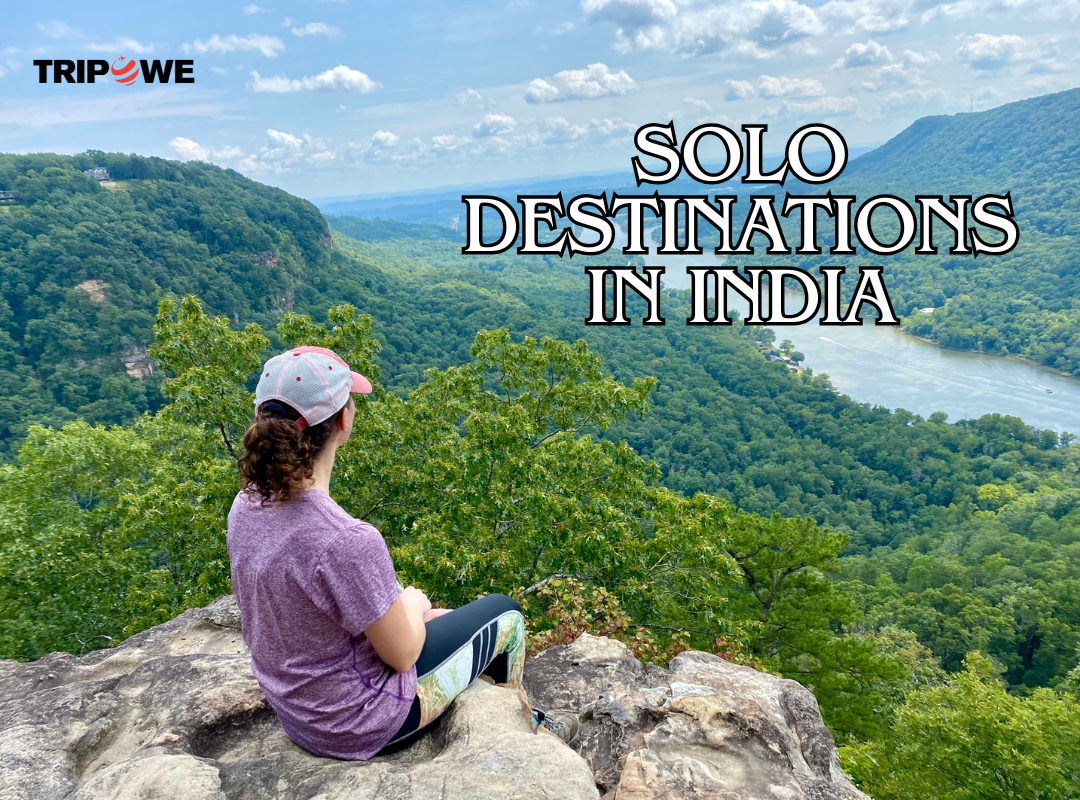
    Exploring solo travel in India can be an incredibly liberating experience, offering a blend of serenity, adventure, and self-discovery. India, with its vast diversity in landscapes, cultures, and experiences, is a fantastic choice for solo travelers looking to venture beyond their comfort zone. Below is a list of some of the most enriching Solo Destinations in India, including budget insights to help plan a trip to each.
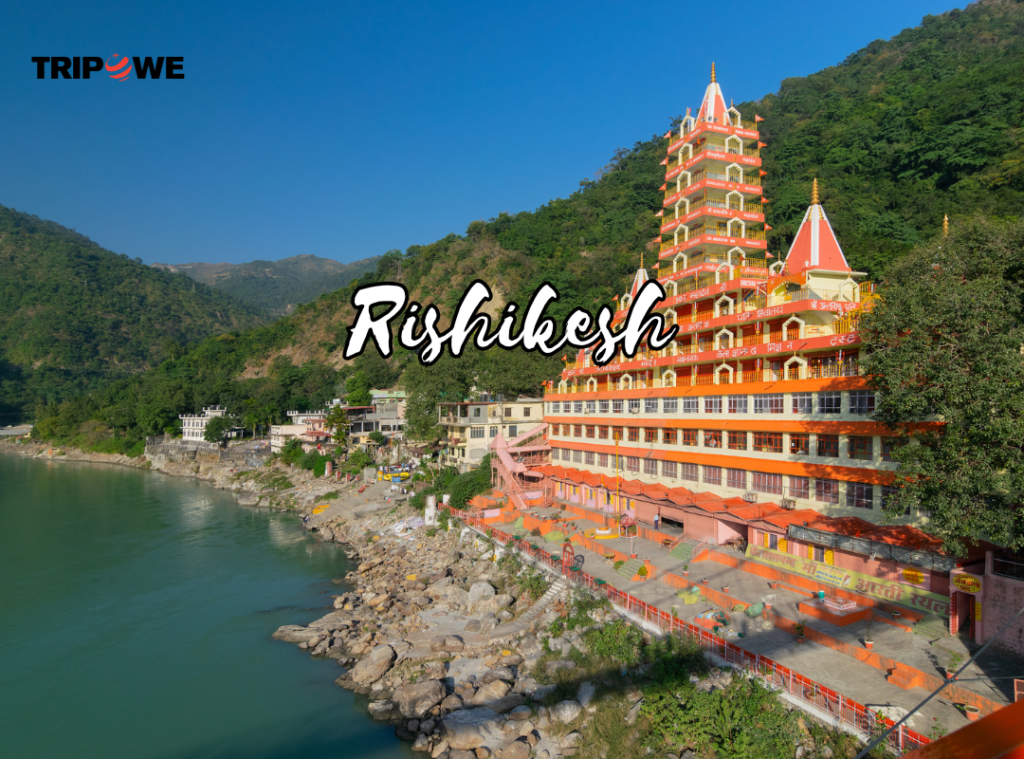
    Rishikesh, Uttarakhand

    Solo Destinations in India

    Often hailed as the “World’s Yoga Capital,” Rishikesh draws in a diverse mix of adventure lovers and those on a spiritual journey. Located on the banks of the sacred Ganges, it’s a wonderful place for inner reflection, rafting, and yoga retreats. Its spiritual ambiance makes it a popular choice for solo travelers seeking peace and mindfulness.

    Budget:

    Accommodation: Rs500-Rs1500 per night (hostels and budget hotels)

    Food: Rs200-Rs500 per day (local cafes and ashram food)

    Activities: Rs500-Rs1000 (river rafting, yoga classes, or visiting local temples)

    Total Estimate: Rs1200-Rs3000 per day

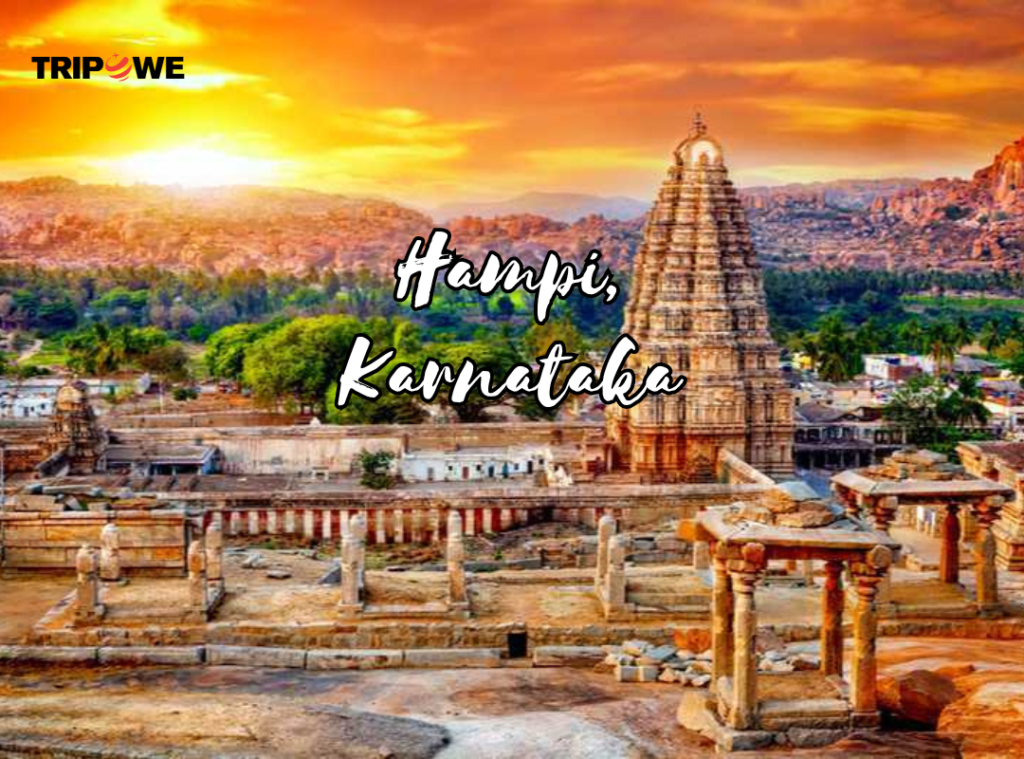
    Hampi, Karnataka

    Hampi, Karnataka

    Hampi, a UNESCO World Heritage Site, is an ancient village famous for its stunning ruins, temples, and surreal landscapes of boulders and hills. This historical town offers a unique experience for solo travelers interested in history, architecture, and local stories.

    Budget:

    Accommodation: Rs400-Rs1200 per night (guesthouses or budget hotels)

    Food: Rs150-Rs400 per day (local eateries)

    Activities: Rs300-Rs700 (temple visits, bike rentals)

    Total Estimate: Rs850-Rs2300 per day

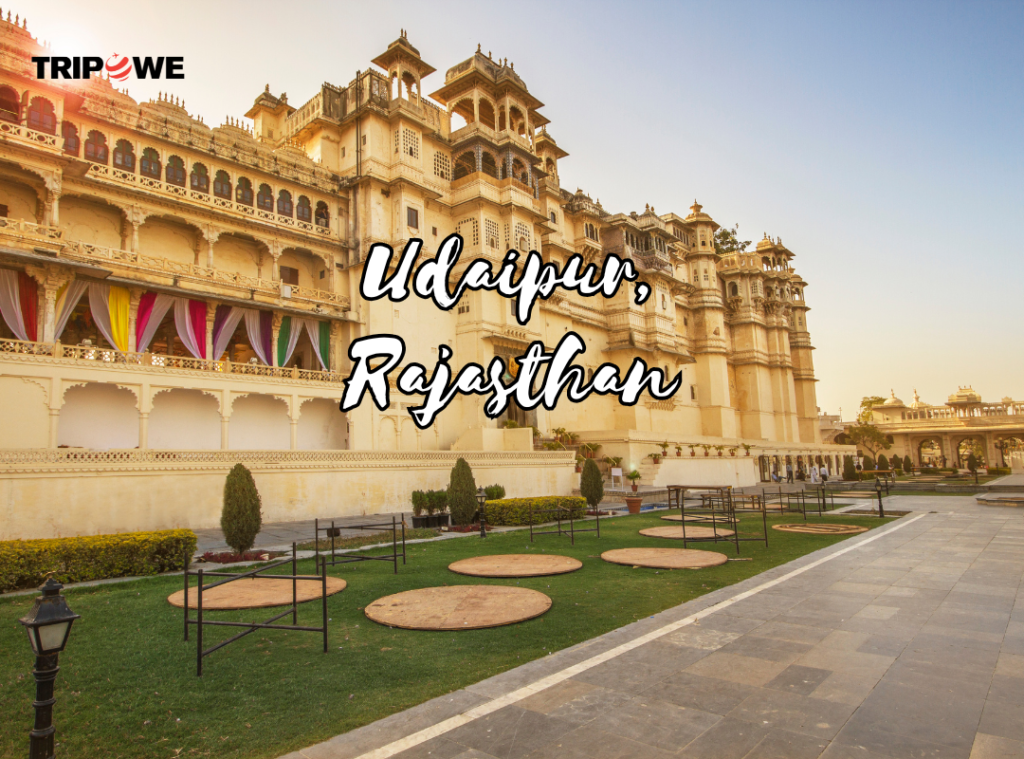
    Udaipur, Rajasthan

    Udaipur, Rajasthan

    Known as the “City of Lakes,” Udaipur is a picturesque destination with stunning palaces, romantic boat rides, and a vibrant arts scene.This enchanting city is perfect for solo travelers looking to dive into rich culture, surrounded by stunning landscapes and a royal ambiance

    Budget:

    Accommodation: Rs600-Rs2000 per night (budget hotels or heritage guesthouses)

    Food: Rs250-Rs600 per day (local and street food options)

    Activities: Rs500-Rs1000 (lake cruises, museum visits)

    Total Estimate: Rs1350-Rs3600 per day

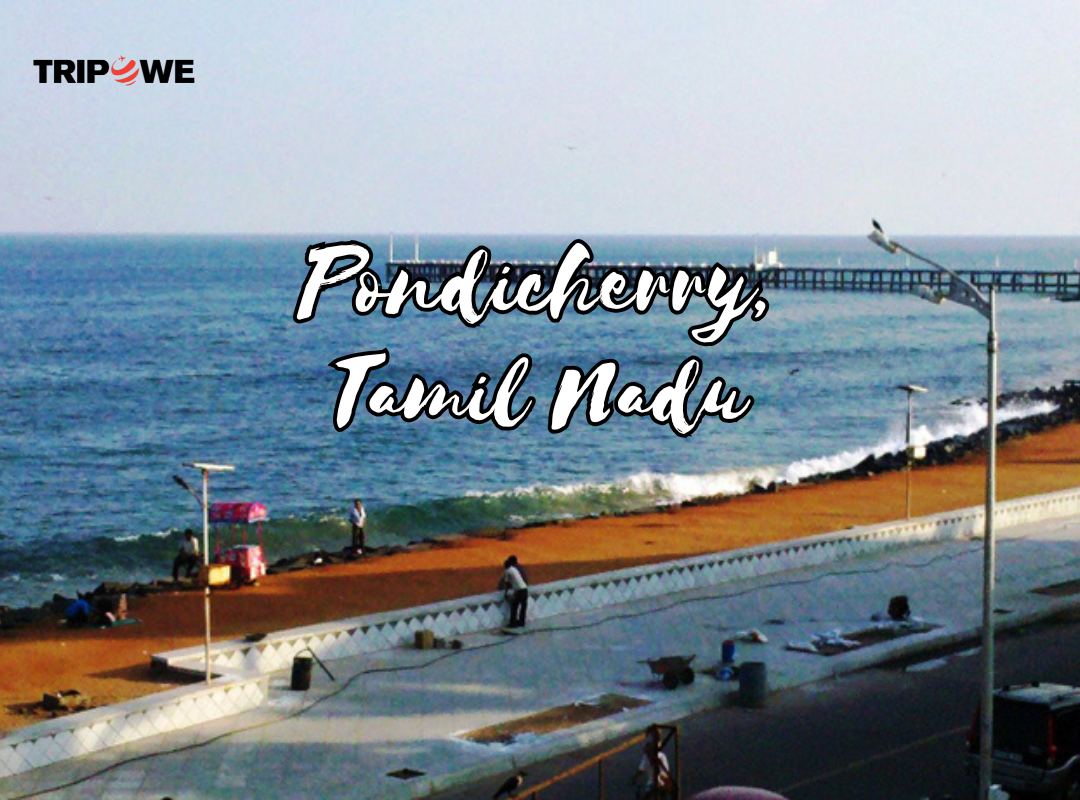
    Pondicherry, Tamil Nadu

    Pondicherry, Tamil Nadu

    With its French colonial architecture, vibrant beaches, and relaxed cafes, Pondicherry is a perfect solo destination for those seeking a laid-back environment. The blend of Indian and French cultures creates a unique charm for solo travelers.

    Budget:

    Accommodation: Rs500-Rs1500 per night (affordable hostels or budget-friendly hotels)

    Food: Rs300-Rs700 per day (cafes, bakeries)

    Activities: Rs200-Rs500 (beach visits, bike rentals)

    Total Estimate: Rs1000-Rs2700 per day

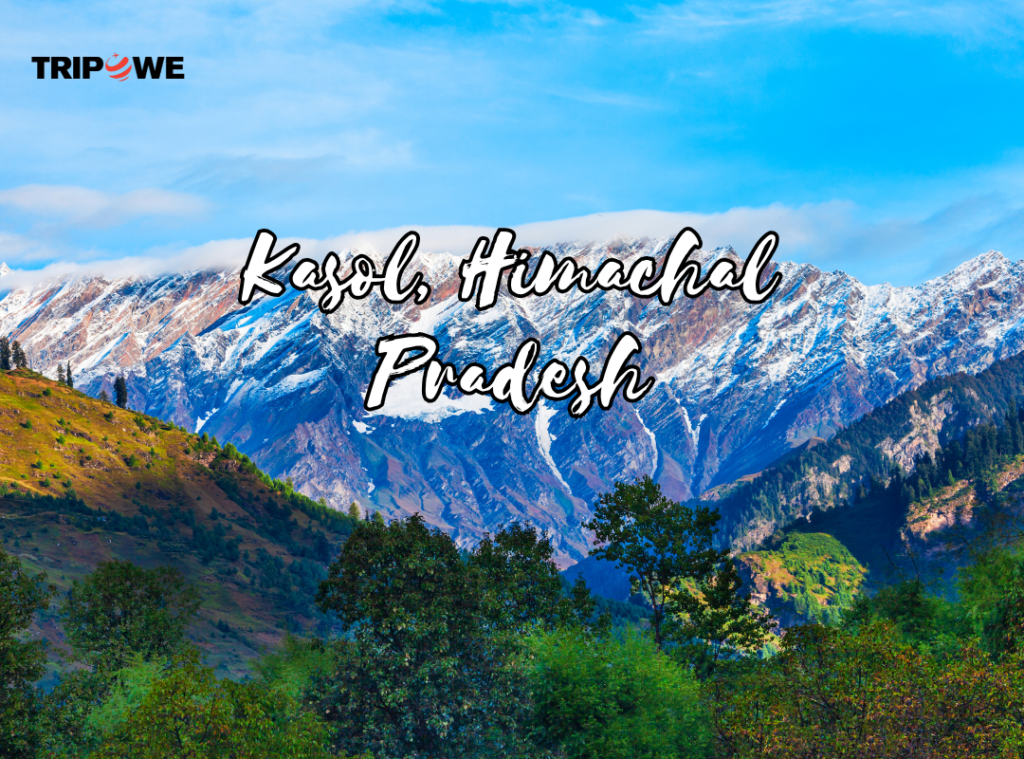
    Kasol, Himachal Pradesh

    Kasol, Himachal Pradesh

    Nestled in the serene Parvati Valley, Kasol is a quaint Himalayan village celebrated for its breathtaking scenery, trekking paths, and relaxed atmosphere. It’s a popular choice for solo backpackers, especially those seeking tranquility and a connection with nature.

    Budget:

    Accommodation: Rs400-Rs1000 per night (hostels, guesthouses)

    Food: Rs200-Rs500 per day (local cafes, dhabas)

    Activities: Rs200-Rs800 (trekking, visiting nearby villages)

    Total Estimate: Rs800-Rs2300 per day

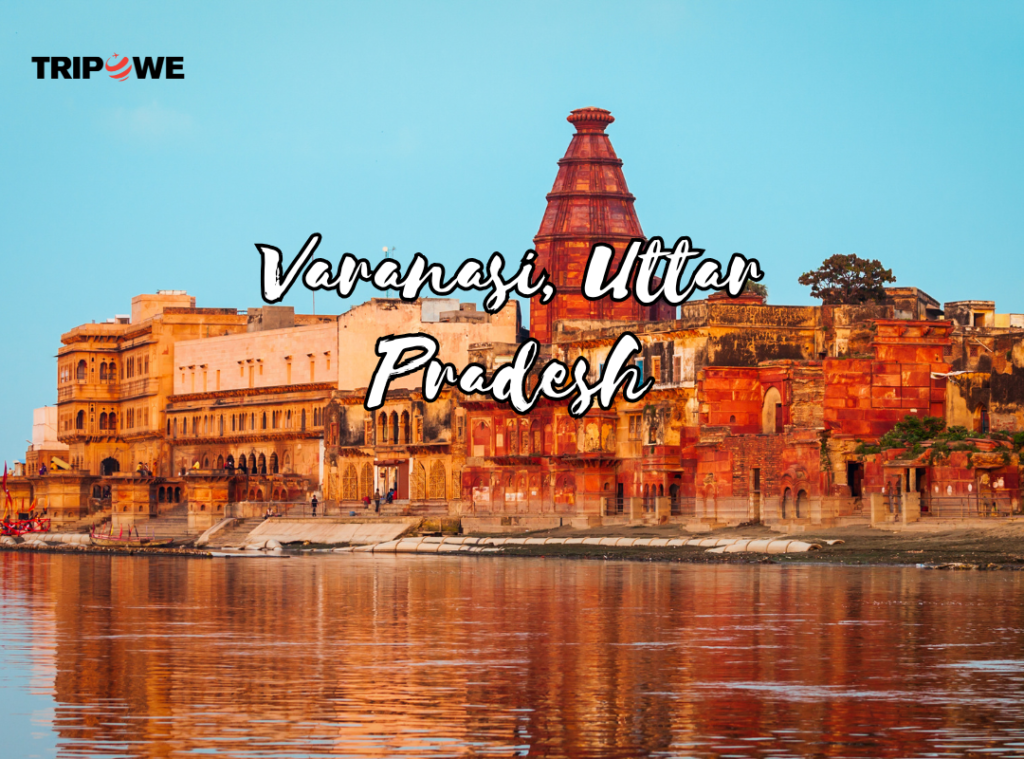
    Varanasi, Uttar Pradesh

    Varanasi, Uttar Pradesh

    Varanasi, known as one of the world’s oldest continuously inhabited cities, is a deeply spiritual destination that provides a unique and transformative experience for solo travelers. The ghats, temples, and unique rituals along the Ganges River make it an ideal place for introspection and exploration.

    Budget:

    Accommodation: Rs500-Rs1500 per night (budget hotels)

    Food: Rs150-Rs400 per day (street food and local eateries)

    Activities: Rs300-Rs700 (boat rides, temple tours)

    Total Estimate: Rs950-Rs2600 per day

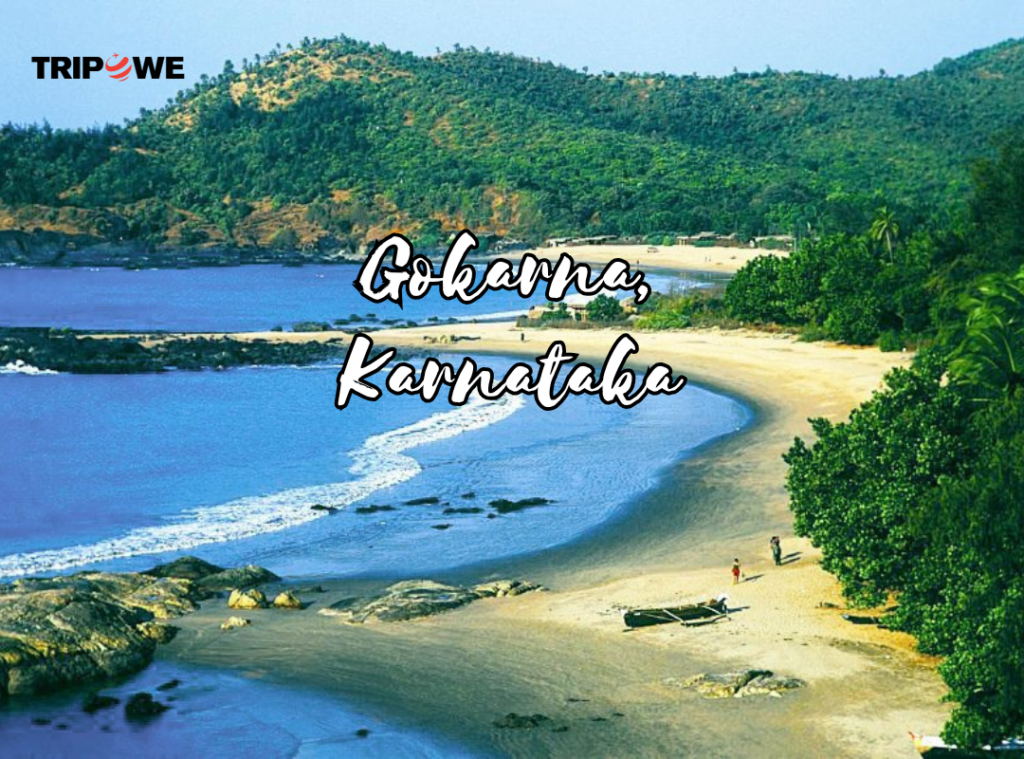
    Gokarna, Karnataka

    Gokarna, Karnataka

    Gokarna, a lesser-known beach town compared to Goa, offers a quiet escape for solo travelers looking to unwind by the sea. The serene beaches, temples, and slow pace of life make Gokarna a peaceful retreat.

    Budget:

    Accommodation: Rs400-Rs1200 per night (beach shacks or guesthouses)

    Food: Rs200-Rs500 per day (seafood and local fare)

    Activities: Rs100-Rs300 (beach hopping, temple visits)

    Total Estimate: Rs700-Rs2000 per day

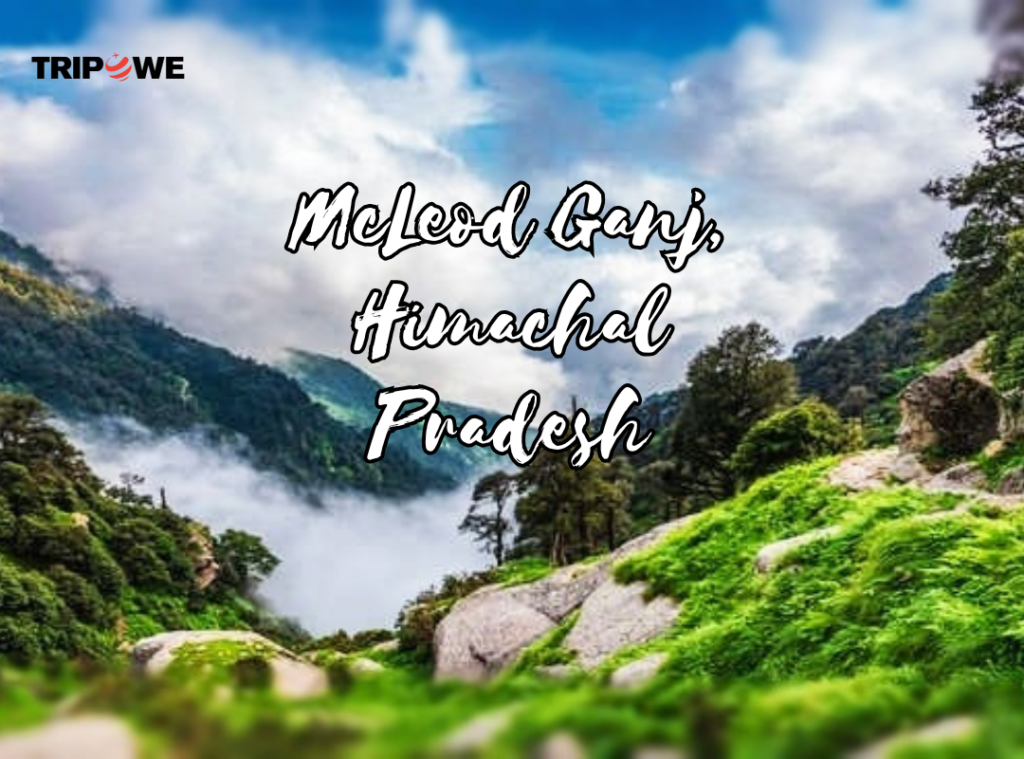
    McLeod Ganj, Himachal Pradesh

    McLeod Ganj, Himachal Pradesh

    Known as “Little Lhasa,” McLeod Ganj is home to the Tibetan spiritual leader, the Dalai Lama. This hill station offers a peaceful and meditative atmosphere, perfect for solo travelers looking to recharge. Its scenic beauty and Tibetan culture make it a unique destination.

    Budget:

    Accommodation: Rs500-Rs1500 per night (budget hotels, hostels)

    Food: Rs200-Rs600 per day (Tibetan cafes and local eateries)

    Activities: Rs200-Rs500 (monastery visits, trekking)

    Total Estimate: Rs900-Rs2600 per day

    This are the best Solo Destinations in India

    Must read this blog Best Camping Spots in India

    FAQs

    What are the best solo destinations in India?
    Some of the top solo destinations include Rishikesh, Hampi, Udaipur, Pondicherry, Kasol, Varanasi, Gokarna, and McLeod Ganj.

    How much does solo travel in India cost?
    Solo travel costs vary, but expect to spend between Rs 800 to Rs 3600 per day, depending on the destination and your preferences.

    Is India safe for solo travelers?
    India can be safe for solo travelers if they follow basic safety precautions and research their destination ahead of time.

    What activities can I do while traveling solo in India?
    Activities range from yoga and rafting in Rishikesh to temple visits in Varanasi, trekking in Kasol, and exploring historical ruins in Hampi.

  • Popular temples in India :  India’s Iconic Temples Await

    Popular temples in India : India’s Iconic Temples Await

    Popular temples in India : India’s Iconic Temples Await

    India is a land of spirituality, known for its magnificent temples that attract millions of pilgrims and travelers every year. Each temple has its own unique history, architectural beauty, and cultural significance. Here’s a guide to some of the most Popular temples in India and an estimated budget for visiting each.

    Vaishno Devi Temple, Jammu and Kashmir

    Popular temples in India

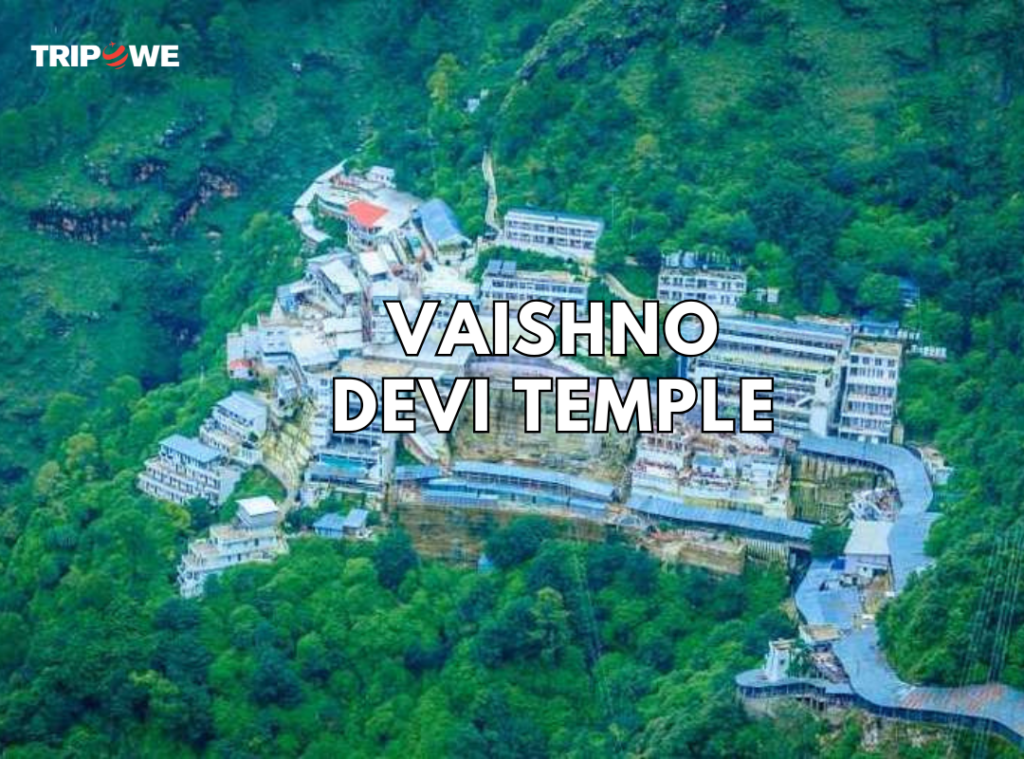
    Situated on Trikuta Mountain, Vaishno Devi is among India’s most frequented pilgrimage destinations. Pilgrims trek nearly 13 km from Katra to reach the cave temple, which houses the holy deity, Mata Vaishno Devi.
    Estimated Budget :
    Travel: Rs2,000 – Rs5,000 (for train or bus fare from nearby cities)
    Stay: Rs1,000 – Rs2,500 per night (budget hotels in Katra)
    Other Expenses: Rs500 – Rs1,000 for food and offerings
    Total: Around Rs5,000 – Rs10,000

    Tirupati Balaji Temple, Andhra Pradesh

    Popular temples in India

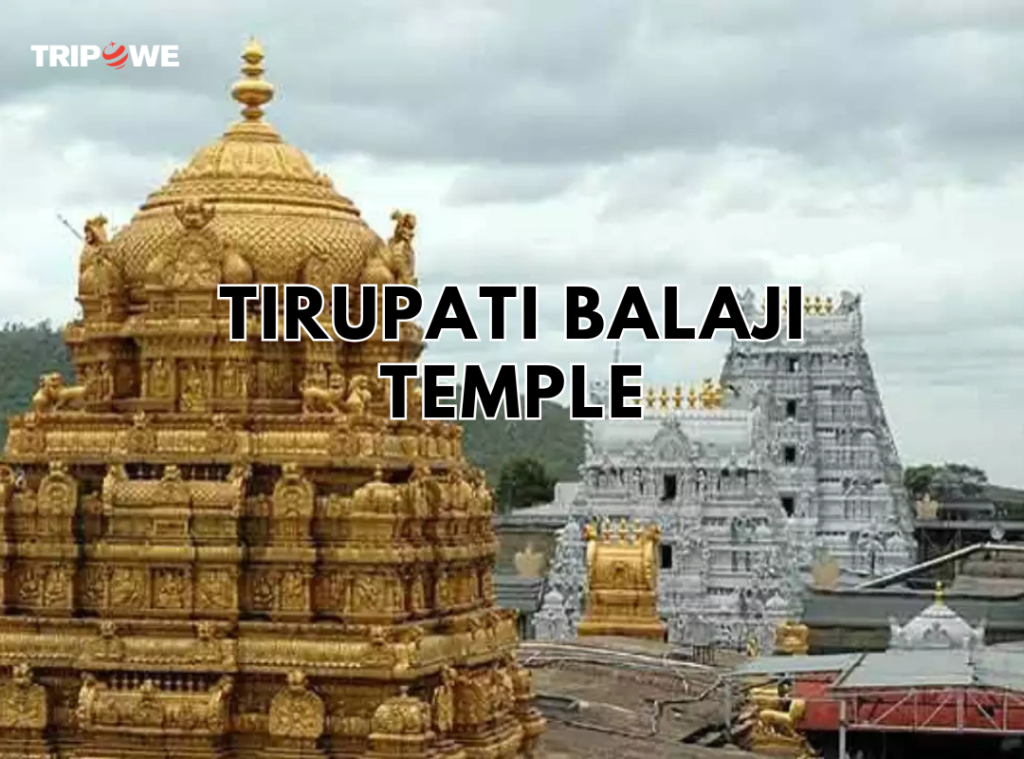
    The Venkateswara Temple, commonly known as Tirupati Balaji, is a major pilgrimage site dedicated to Lord Venkateswara. Known for its splendid architecture and rituals, it draws millions of devotees annually.
    Estimated Budget :
    Travel: Rs1,500 – Rs3,000 (train or bus to Tirupati)
    Stay: Rs1,000 – Rs2,000 per night (budget lodges or hotels)
    Other Expenses: Rs500 – Rs1,000 for darshan tickets and prasadam
    Total: Around Rs4,000 – Rs8,000

    Golden Temple, Amritsar, Punjab

    Golden Temple

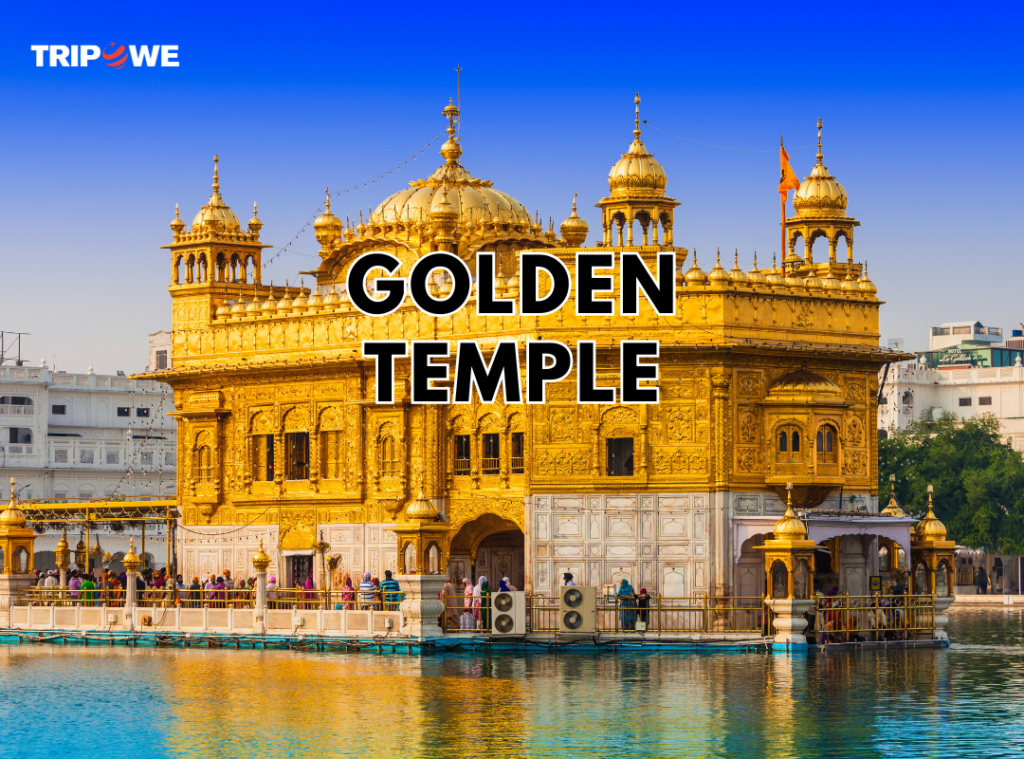
    The Golden Temple, or Harmandir Sahib, is the most sacred Sikh temple, renowned for its gold-plated facade and peaceful surroundings. The temple offers free meals (langar) to thousands of visitors daily.
    Estimated Budget:
    Travel: Rs1,500 – Rs3,500 (from Delhi or nearby cities)
    Stay: Rs1,000 – Rs2,500 per night (affordable hotels near the temple)
    Other Expenses: Rs500 – Rs1,000 for local sightseeing
    Total: Around Rs3,500 – Rs7,000

    Somnath Temple, Gujarat

    Somnath Temple

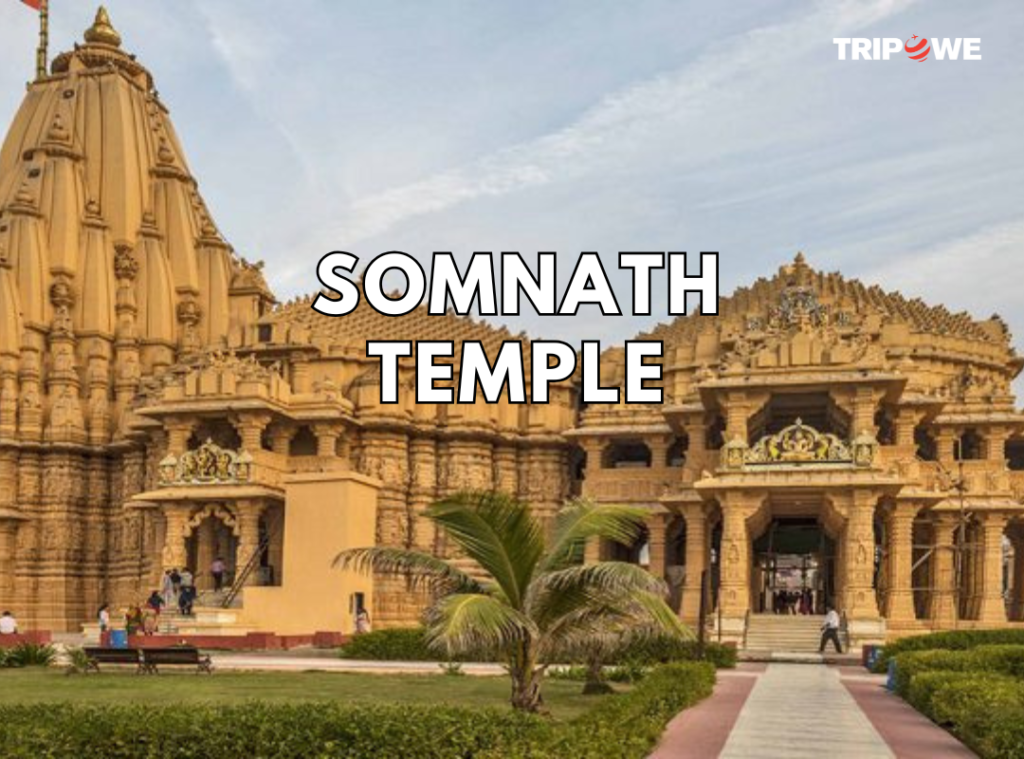
    Somnath Temple, one of the twelve Jyotirlingas devoted to Lord Shiva, is set along the scenic coastline of Gujarat.. Known for its remarkable architecture and spiritual significance, it’s a must-visit for devotees.
    Estimated Budget:
    Travel: Rs2,000 – Rs5,000 (train or bus to Veraval)
    Stay: Rs1,000 – Rs2,000 per night (budget hotels in Somnath)
    Other Expenses: Rs500 – Rs1,000 for local transport and offerings
    Total: Around Rs4,000 – Rs8,000

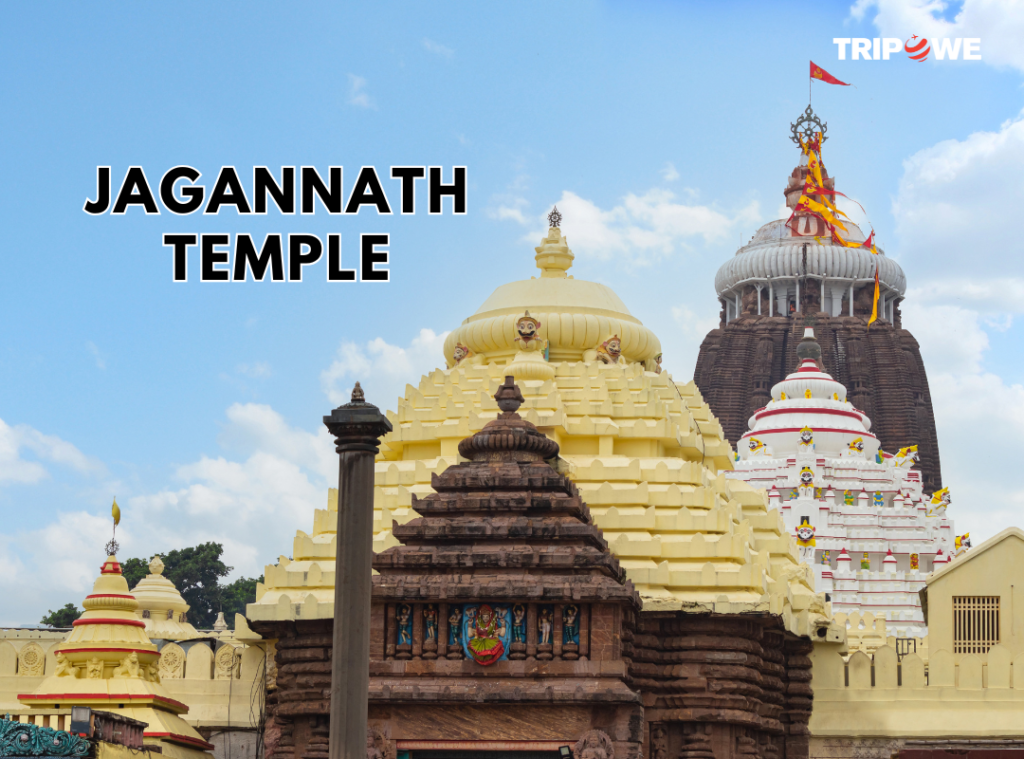
    Jagannath Temple, Puri, Odisha

    Jagannath Temple

    Famous for the annual Rath Yatra, Jagannath Temple is a revered shrine dedicated to Lord Jagannath. Located along the eastern coast of India, it’s a prime destination for devotees and tourists.
    Estimated Budget:
    Travel: Rs2,000 – Rs4,000 (train fare to Puri)
    Stay: Rs1,000 – Rs2,000 per night (budget hotels in Puri)
    Other Expenses: Rs500 – Rs1,000 for temple entry, prasad, and local food
    Total: Around Rs4,500 – Rs8,000

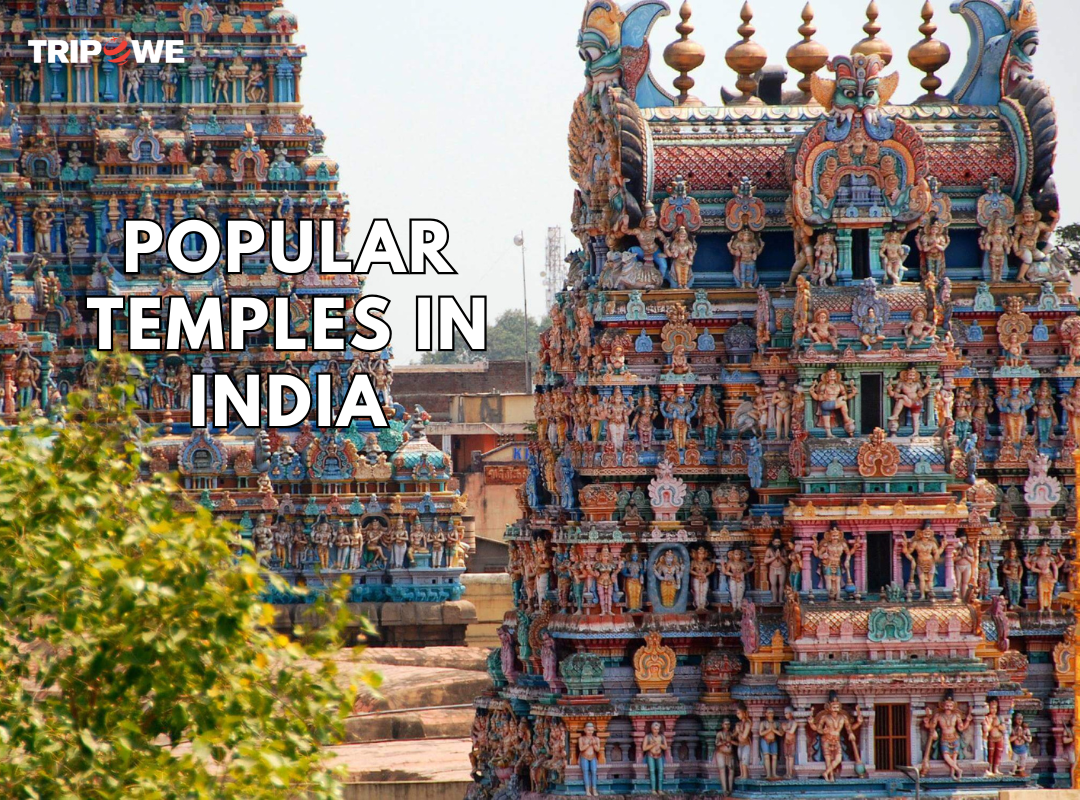
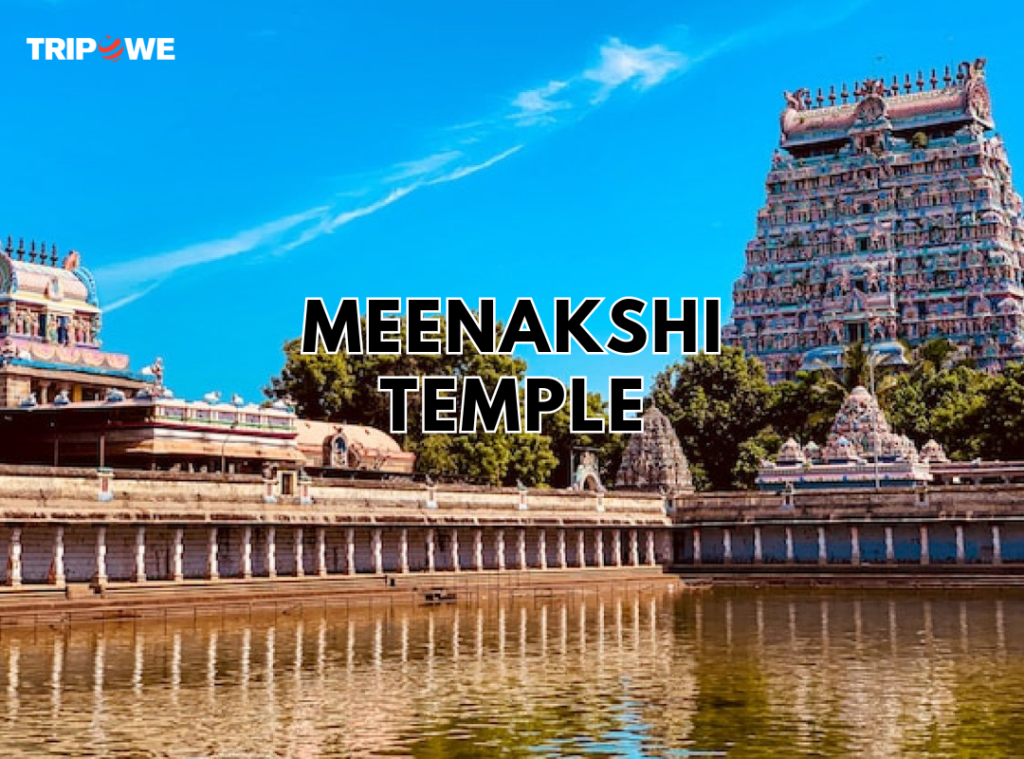
    Meenakshi Temple, Madurai, Tamil Nadu

    Meenakshi Temple

    The Meenakshi Temple is an architectural marvel with intricately carved gopurams (towers). Dedicated to Goddess Meenakshi, it’s one of the largest temple complexes in India, symbolizing the Dravidian style of architecture.
    Estimated Budget:
    Travel: Rs3,000 – Rs6,000 (train or flight to Madurai)
    Stay: Rs1,000 – Rs2,500 per night
    Other Expenses: Rs500 – Rs1,000 for local sightseeing and food
    Total: Around Rs5,000 – Rs10,000

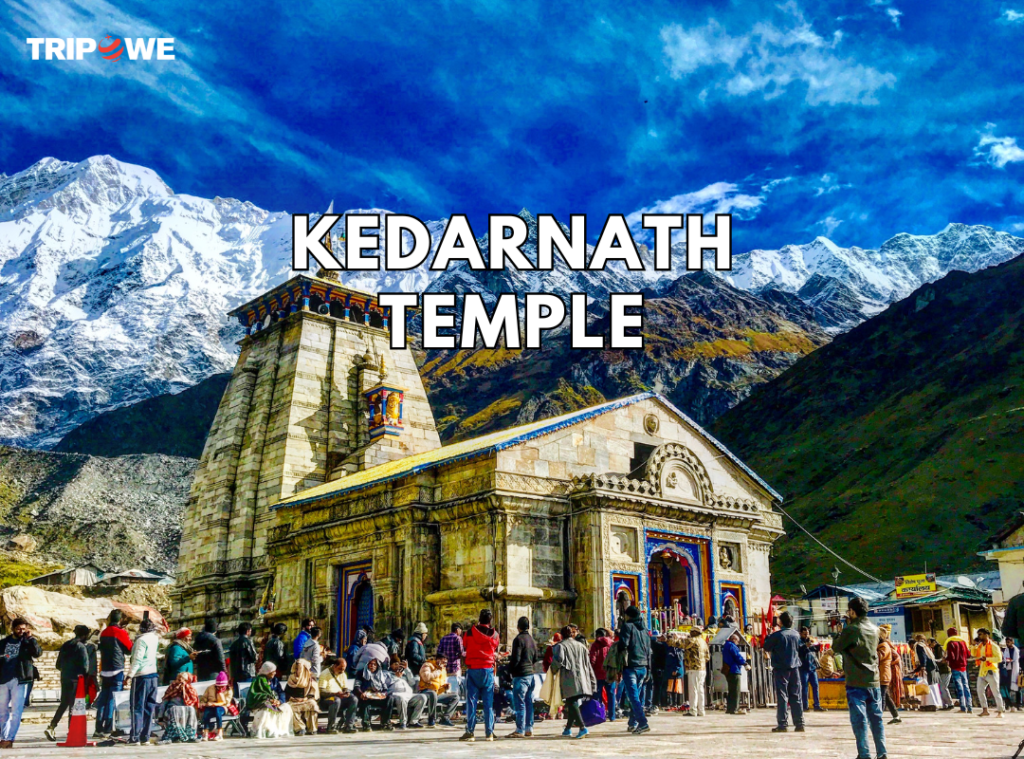
    Kedarnath Temple, Uttarakhand

    Kedarnath Temple

    One of the Char Dhams, Kedarnath Temple is nestled in the Himalayas and dedicated to Lord Shiva. Known for its challenging trek and spiritual atmosphere, it is a deeply revered pilgrimage.
    Estimated Budget:
    Travel: Rs2,000 – Rs4,000 (bus or train to reach Rishikesh, followed by a shared jeep ride to Kedarnath)
    Stay: Rs1,000 – Rs2,000 per night (simple guesthouses in Gaurikund or Kedarnath)
    Other Expenses: Rs500 – Rs1,500 for trek essentials, food, and offerings
    Total: Around Rs6,000 – Rs12,000

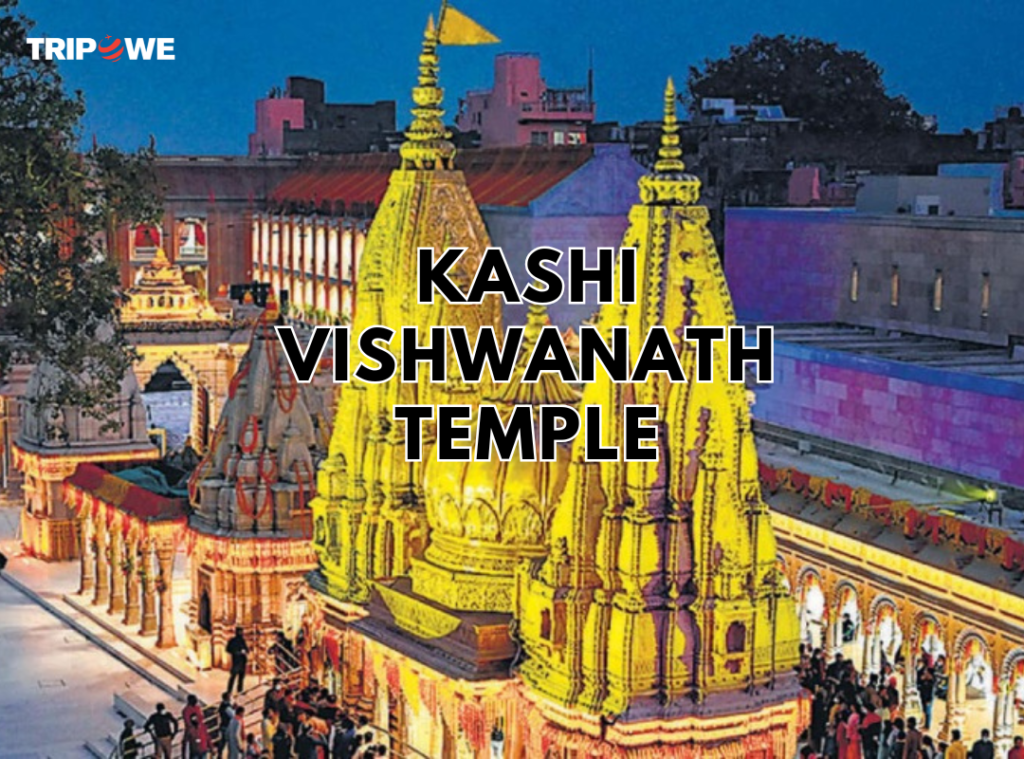
    Kashi Vishwanath Temple, Varanasi, Uttar Pradesh

    Kashi Vishwanath Temple

    Located in Varanasi, Kashi Vishwanath is one of the holiest Shiva temples and one of the twelve Jyotirlingas.It is a popular destination for pilgrims seeking spiritual purification along the banks of the Ganges.
    Estimated Budget:
    Travel: Rs1,500 – Rs3,000 (train fare to Varanasi)
    Stay: Rs1,000 – Rs2,000 per night
    Other Expenses: Rs500 – Rs1,000 for temple offerings and sightseeing
    Total: Around Rs3,500 – Rs7,000

    This are the Popular temples in India

    Read this blog Top Skiing Destinations in India for Winter Thrill Seekers

    FAQs

    What is the best time to visit these temples in India?

    The ideal time to visit most temples in India is during the cooler months, from October to March, to avoid the summer heat and monsoon rains.

    Are there any dress codes for visiting temples in India?

    Yes, many temples require modest clothing. It’s recommended to wear traditional attire or cover your shoulders and knees as a sign of respect.

    Is advance booking needed for temple visits?

    For some popular temples like Tirupati Balaji, it’s advisable to book darshan tickets in advance, especially during peak seasons or festivals.

    What type of accommodations are available near these temples?

    Budget hotels, lodges, and guesthouses are commonly available near major temples, offering a range of amenities for pilgrims and travelers.

    Are there any special services for elderly or disabled visitors?

    Many temples, such as Vaishno Devi and Golden Temple, provide facilities like wheelchair access, battery-operated vehicles, or porters to assist elderly or disabled visitors.


  • Best Camping Spots in India : Embrace Nature’s Beauty

    Best Camping Spots in India : Embrace Nature’s Beauty

    Best Camping Spots in India : Embrace Nature’s Beauty

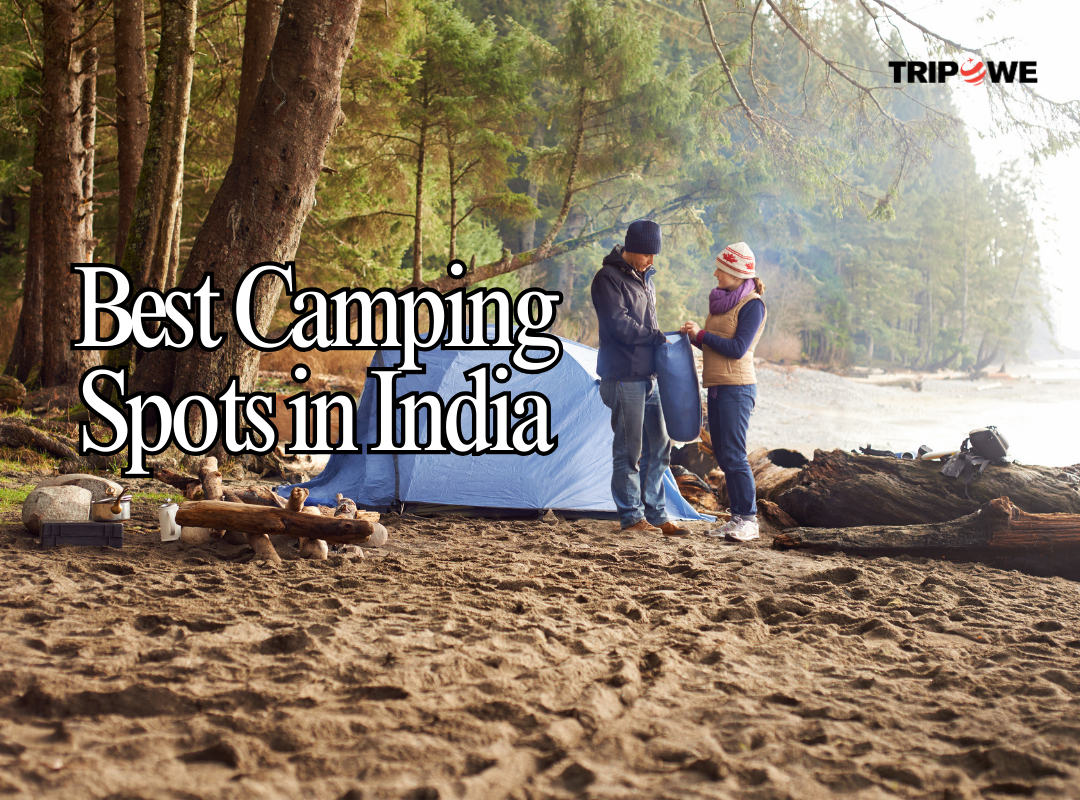
    India, known for its varied terrains and breathtaking natural beauty, is home to some of the most exciting camping locations for those seeking adventure and a deep connection with nature.. From the towering peaks of the Himalayas to the serene beaches and lush forests, camping in India provides a unique opportunity to connect with nature, experience the outdoors, and indulge in thrilling adventures. Whether you’re looking to explore remote hilltops, camp by riversides, or stay in eco-friendly tents under starry skies, India has something to offer everyone. Here are some Best Camping Spots in India

    1. Spiti Valley, Himachal Pradesh

    Best Camping Spots in India

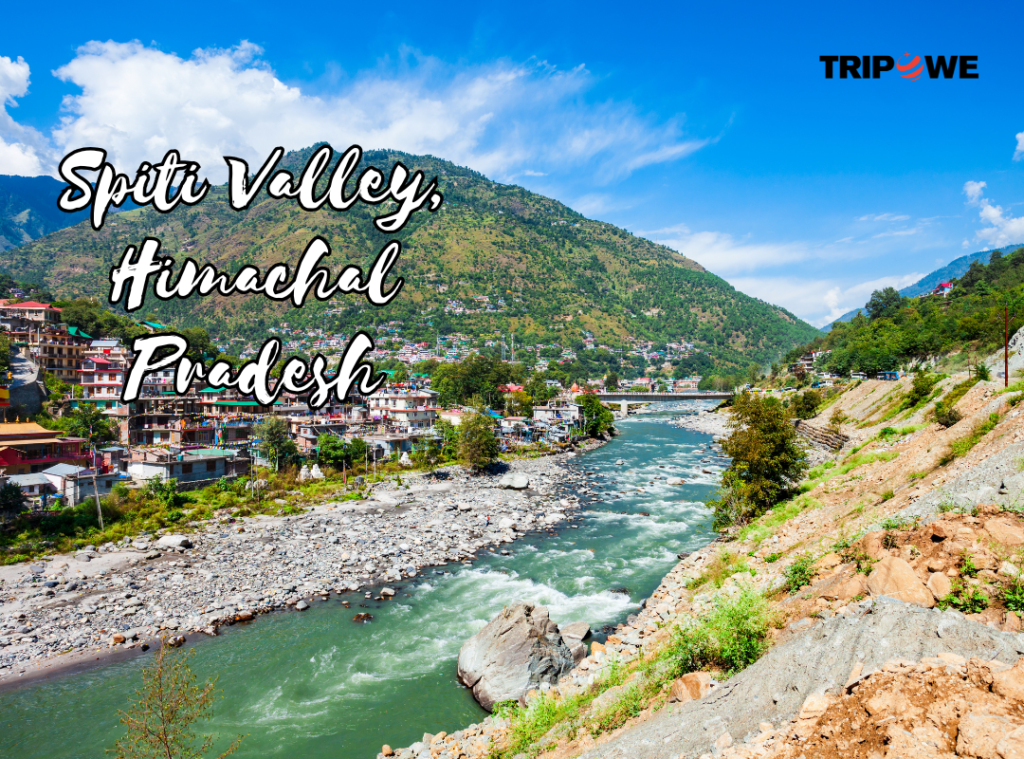
    Spiti Valley, often called “The Middle Land,” is one of the most remarkable and serene camping destinations in India. Situated in the northeastern part of Himachal Pradesh, Spiti is known for its barren, desert-like terrain, high-altitude monasteries, and picturesque mountain views. A camping experience here offers the chance to immerse yourself in a tranquil environment, surrounded by snow-capped peaks, pristine rivers, and ancient Buddhist villages. Popular camping spots in Spiti include Chandratal Lake, known for its moon-shaped beauty, and Kibber, one of the highest villages in Asia.
    Estimated Budget:

    Travel: Rs10,000 – Rs15,000 (for transportation to Spiti from Manali or Shimla)
    Stay: A budget of Rs1,500 to Rs3,000 per night can cover stays at campsites and homestays.
    Other Expenses: Rs1,000 – Rs2,000 for meals, sightseeing, and guide services
    Total: Rs15,000 – Rs25,000 for a 4-5 day trip

    2. Rishikesh, Uttarakhand

    Best Camping Spots in India

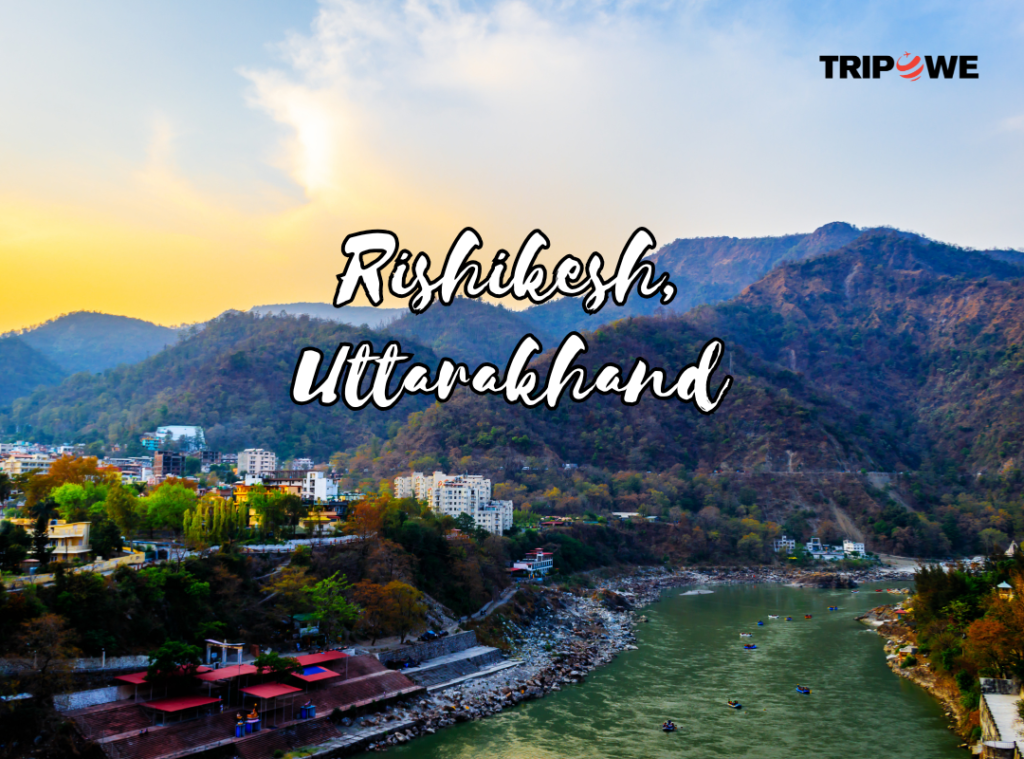
    Rishikesh, a hub for adventure sports and spiritual retreats, also offers incredible camping experiences. Located beside the Ganges River, this region is encircled by the magnificent Shivalik hills.Camping here allows visitors to enjoy the scenic beauty, indulge in river rafting, and practice yoga. The campsites in Rishikesh offer everything from luxury tents to basic setups, catering to both novice and seasoned campers. For those seeking peace, the quieter regions near the Rajaji National Park and Neelkanth are perfect for a serene camping getaway.
    Estimated Budget:

    Travel: Rs2,000 – Rs4,000 (train or bus fare to Rishikesh)
    Stay: Rs1,000 – Rs3,000 per night (riverside campsites)
    Other Expenses: Rs500 – Rs1,000 for meals, activities, and permits
    Total: Rs5,000 – Rs10,000 for a 2-3 day trip

    3. Tirthan Valley, Himachal Pradesh

    Tirthan Valley, Himachal Pradesh

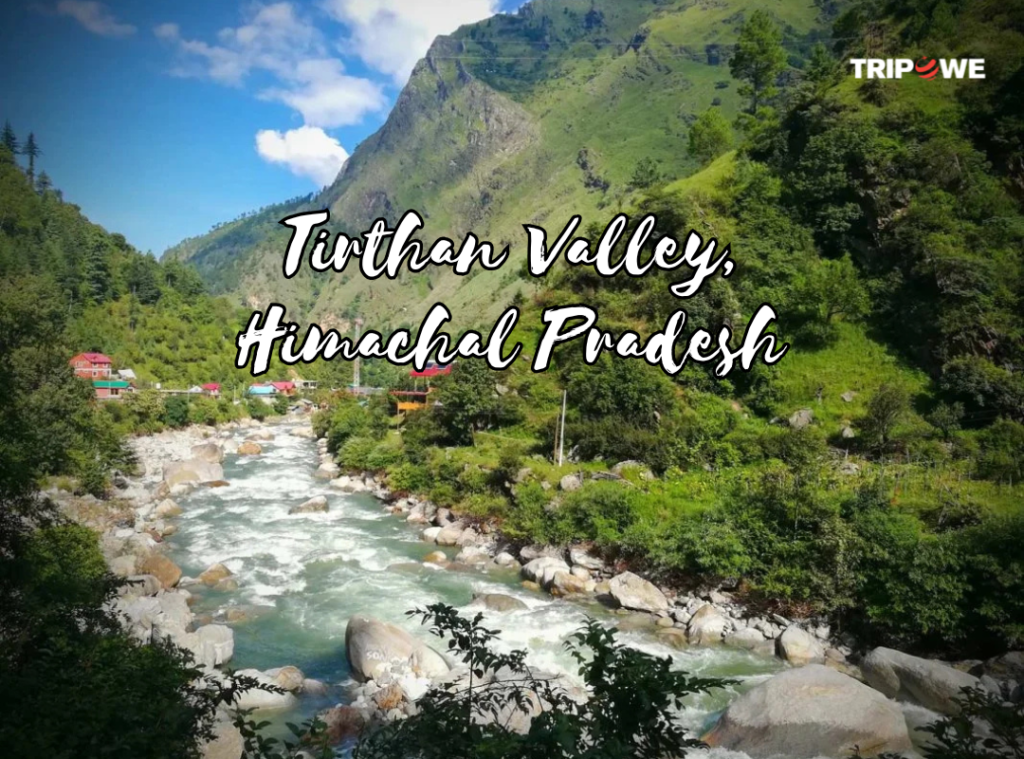
    Tirthan Valley, located in the Himachal Pradesh, is a hidden gem for camping enthusiasts. Renowned for its pristine rivers, lush forests, and unspoiled charm, this valley provides an ideal retreat from the chaos of urban life.Camping in Tirthan Valley allows you to witness a stunning blend of nature, from the towering pine trees to the tranquil waters of the Tirthan River. The Great Himalayan National Park, a UNESCO World Heritage Site, offers several trekking and camping options within its premises. This is also a Best Camping Spots in India
    Estimated Budget:

    Travel: Rs8,000 – Rs12,000 (traveling by bus or private car from Delhi or Manali to Tirthan)
    Stay: Rs1,500 – Rs2,500 per night (camping sites and eco-resorts)
    Other Expenses: Rs500 – Rs1,500 for meals, trekking permits, and activities
    Total: Rs12,000 to Rs18,000 for a 4-5 day trip

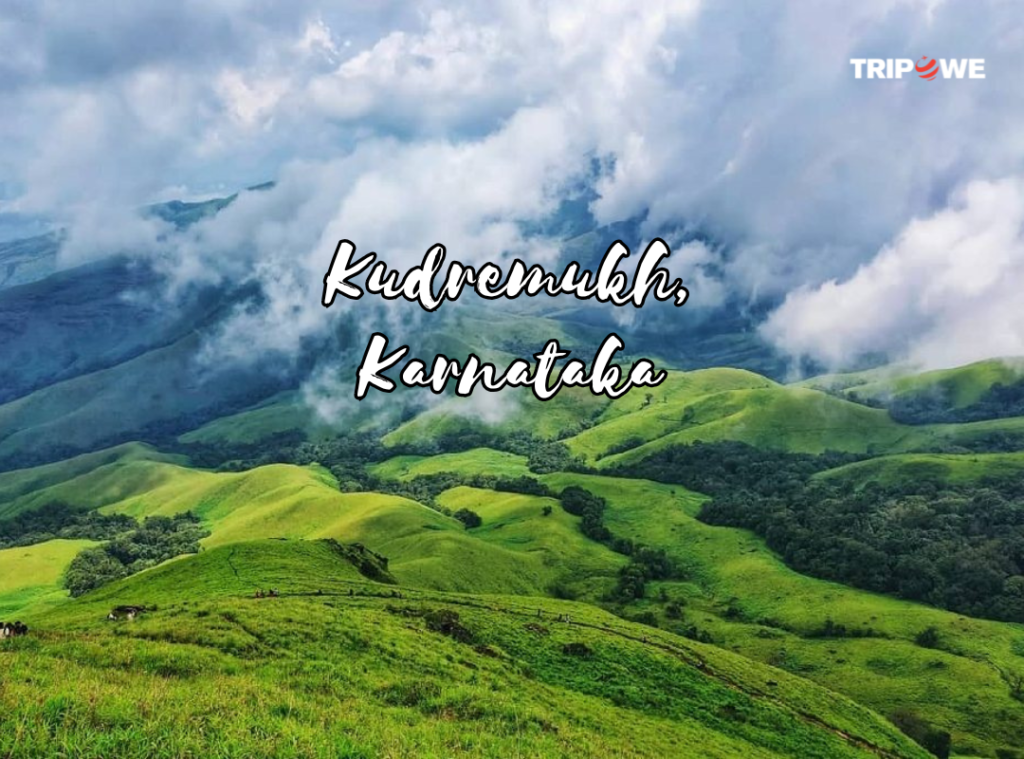
    4. Kudremukh, Karnataka

    Kudremukh, Karnataka

    Kudremukh, nestled in the Western Ghats of Karnataka, is a favored destination for nature enthusiasts and trekking aficionados. Known for its lush green landscapes, rolling hills, and dense forests, this area offers a unique camping experience amidst wildlife and scenic beauty. Kudremukh National Park provides some excellent trekking and camping routes. The pristine environment, coupled with the misty mountain views, makes it an ideal location for outdoor activities like trekking, birdwatching, and stargazing.
    Estimated Budget:

    Travel: Rs4,000 – Rs6,000 (train or bus to Kudremukh from Bangalore)
    Stay: Rs1,000 to Rs2,000 per night (camping sites and homestays)
    Other Expenses: Rs500 – Rs1,000 for meals and transport within the region
    Total: Rs6,000 to Rs10,000 for a 2 – 3 day trip

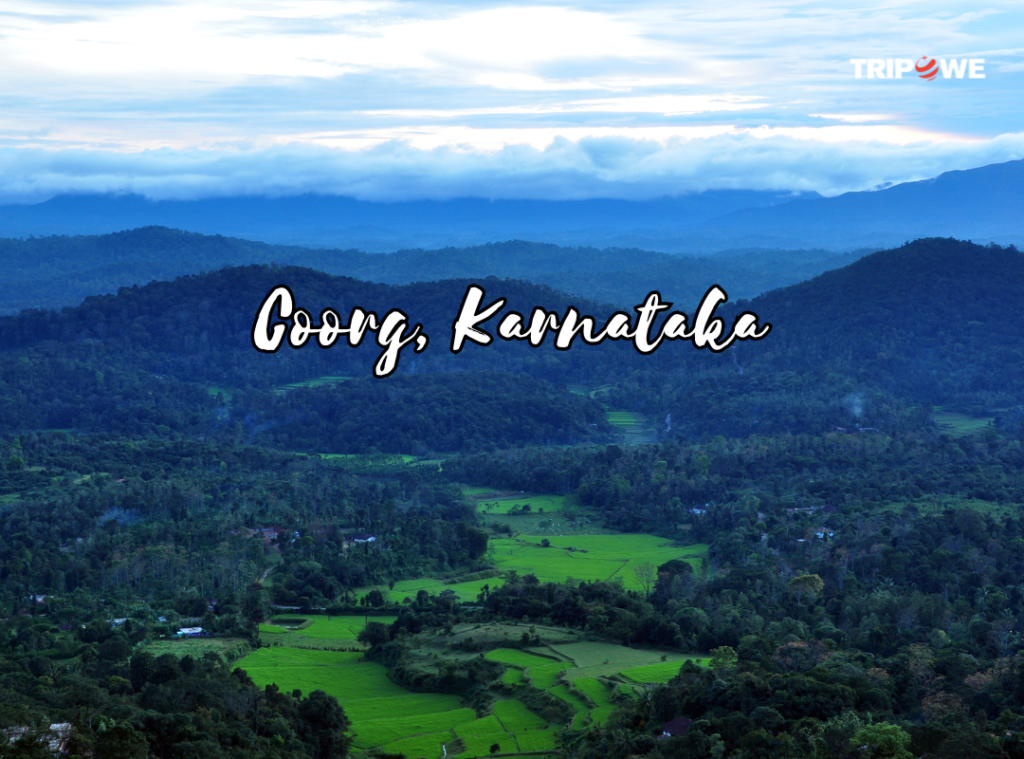
    5. Coorg, Karnataka

    Coorg, Karnataka

    Located in the Western Ghats, Coorg—fondly known as the “Scotland of India”—is a picturesque hill station famous for its vibrant coffee estates, misty landscapes, and rich biodiversity.several camping sites where visitors can experience the beauty of the hills and forests. Camping in Coorg is often complemented by activities like river rafting, trekking, and nature walks. The coffee plantations provide a unique experience of staying amidst greenery while enjoying the aroma of fresh coffee beans.
    Estimated Budget:

    Travel: Rs3,000 – Rs5,000 (train or bus to Coorg from Bangalore)
    Stay: Rs1,500 – Rs2,500 per night (campsites and eco-resorts)
    Other Expenses: Rs500 – Rs1,000 for meals and local sightseeing
    Total: Rs5,000 – Rs10,000 for a 2-3 day trip

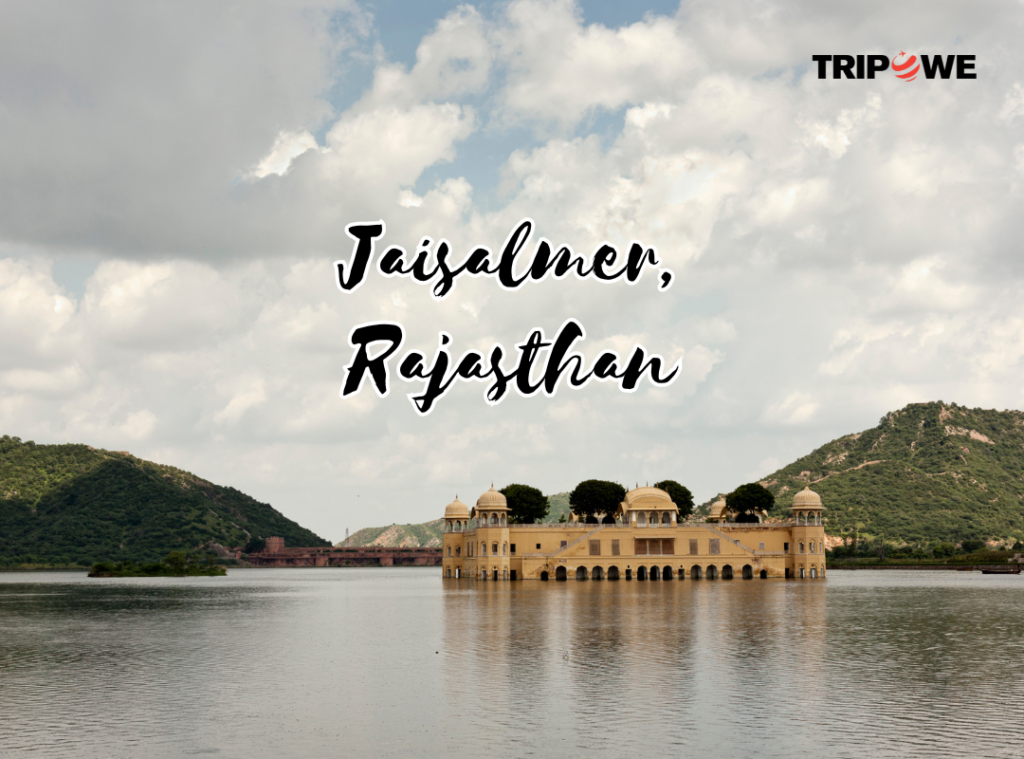
    6. Jaisalmer, Rajasthan

    Jaisalmer, Rajasthan

    For those seeking a desert camping experience, Jaisalmer in Rajasthan offers the perfect setting. The vast Thar Desert provides an opportunity to camp under the stars amidst the sand dunes. Camel rides, cultural performances, and the beauty of desert sunsets are all part of the experience. The Sam Sand Dunes are a popular location for camping, where tourists can enjoy traditional Rajasthani hospitality and explore the desert landscape.
    Estimated Budget:

    Travel: Rs3,000 – Rs6,000 (train or flight to Jaisalmer)
    Stay: Rs1,500 – Rs3,000 per night (desert campsites)
    Other Expenses: Rs500 – Rs1,500 for meals, camel rides, and cultural activities
    Total: Rs6,000 – Rs12,000 for a 2-3 day trip

    This are the Best Camping Spots in India you should visit

    Read this blog Top Attractions in Ooty

    FAQs

    What are some essential items to pack for camping in India?
    Bring essentials like a quality tent, sleeping bag, flashlight, first-aid kit, insect repellent, and warm clothing. Also, include snacks, reusable water bottles, and any required permits or identification.

    What is the best season for camping in India?
    The best season varies by location. Summer (March to June) is ideal for camping in the Himalayas, while winter (November to February) is great for desert and coastal regions like Rajasthan and Karnataka.

    Are there budget-friendly camping options in India?
    Yes, India offers budget-friendly options with stays starting at ₹1,000 – ₹2,500 per night, especially in campsites, eco-resorts, and homestays.

    Is it safe to camp in remote locations?
    Generally, camping in designated campsites with proper guidance is safe. However, it’s wise to travel in groups, follow safety guidelines, and inform local authorities or campsite managers about your stay.

    Do camping sites in India offer adventure activities?
    Many sites do! You can enjoy activities like trekking, river rafting, birdwatching, and stargazing at popular camping spots in Rishikesh, Spiti Valley, Kudremukh, and Coorg.

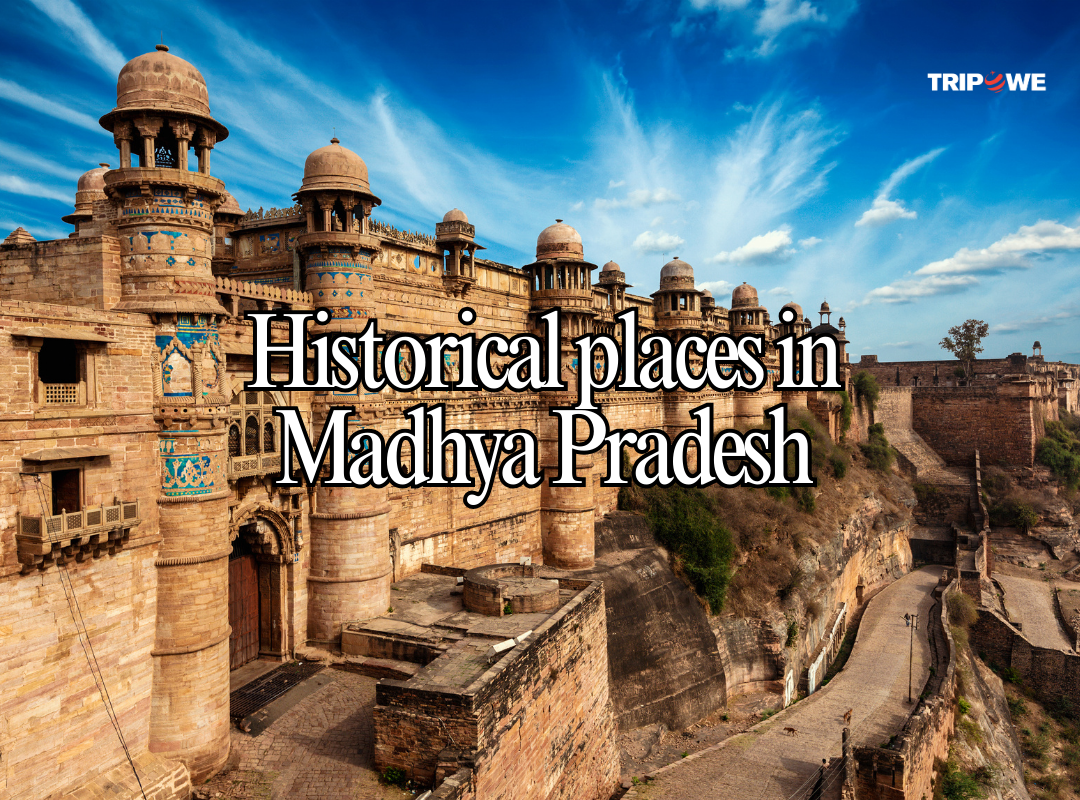
  • Historical places in Madhya Pradesh : Discover Madhya Pradesh

    Historical places in Madhya Pradesh : Discover Madhya Pradesh

    Historical places in Madhya Pradesh : Discover Madhya Pradesh

    Madhya Pradesh, located in the heart of India, is a treasure trove of history, showcasing a rich legacy of ancient architecture, grand temples, and impressive forts. This culturally vibrant state offers a journey back in time with its well-preserved historical places that highlight the art, traditions, and lives of bygone eras. Here’s a look at some of the most fascinating Historical places in Madhya Pradesh

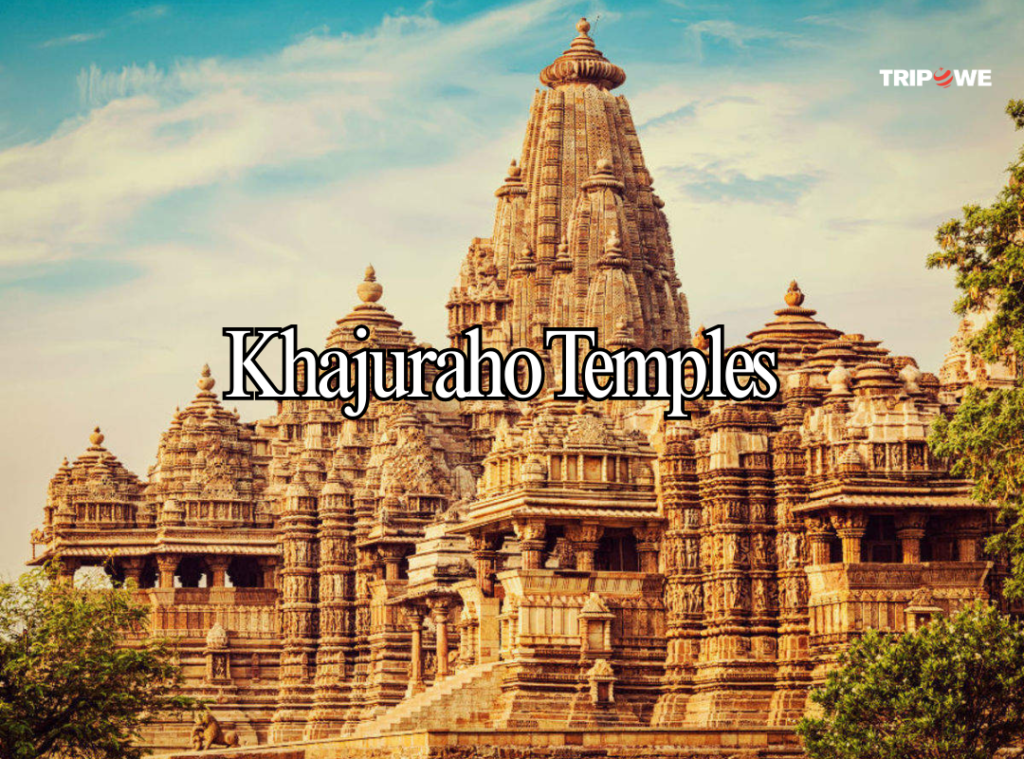
    Khajuraho Temples

    Historical places in Madhya Pradesh

    The Khajuraho Group of Monuments is a UNESCO World Heritage site, renowned for its stunning and intricate carvings that depict a range of human experiences, from spirituality to sensuality. Built by the Chandela dynasty between the 9th and 11th centuries, these temples are a true testament to India’s architectural prowess. The temples are divided into Hindu and Jain sections, showcasing the unity in diversity of ancient Indian culture.

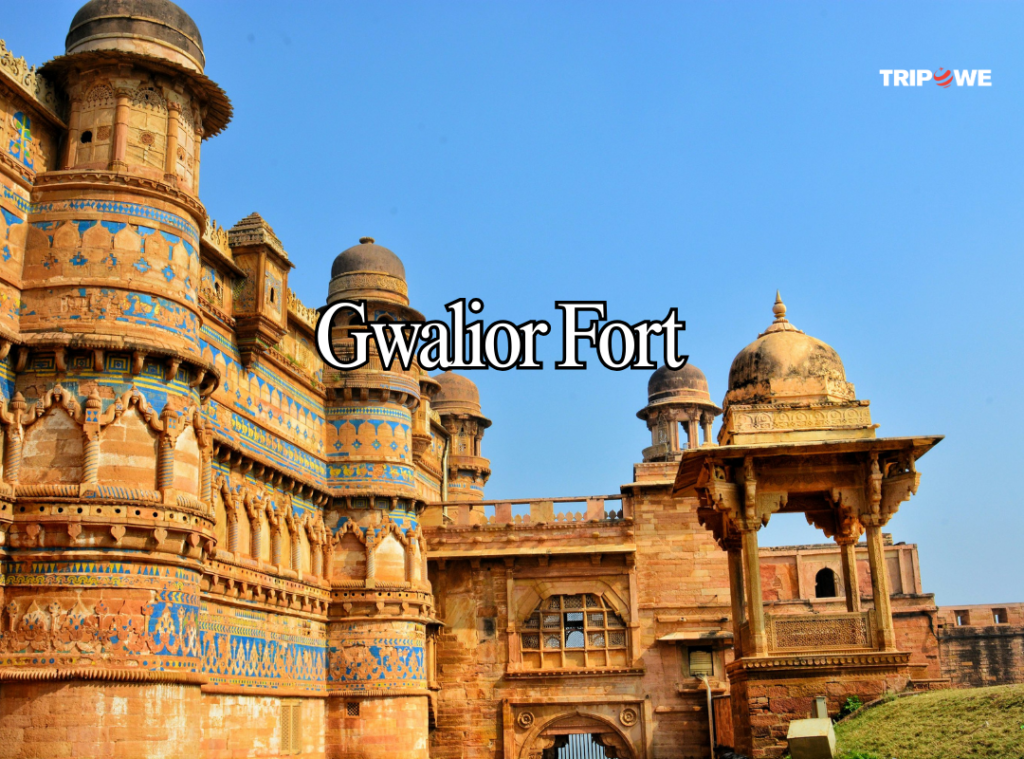
    Gwalior Fort

    Gwalior Fort

    Situated on a hilltop, the Gwalior Fort is one of the most impressive forts in India, often referred to as the “Gibraltar of India” due to its strategic and impregnable position.This magnificent fort dates back to the 6th century and has seen the rule of several dynasties including the Tomars, the Mughals and the Marathas . Within the fort, you’ll find stunning structures like Man Singh Palace, Gujari Mahal, and Saas-Bahu Temples, each with its own historical significance.

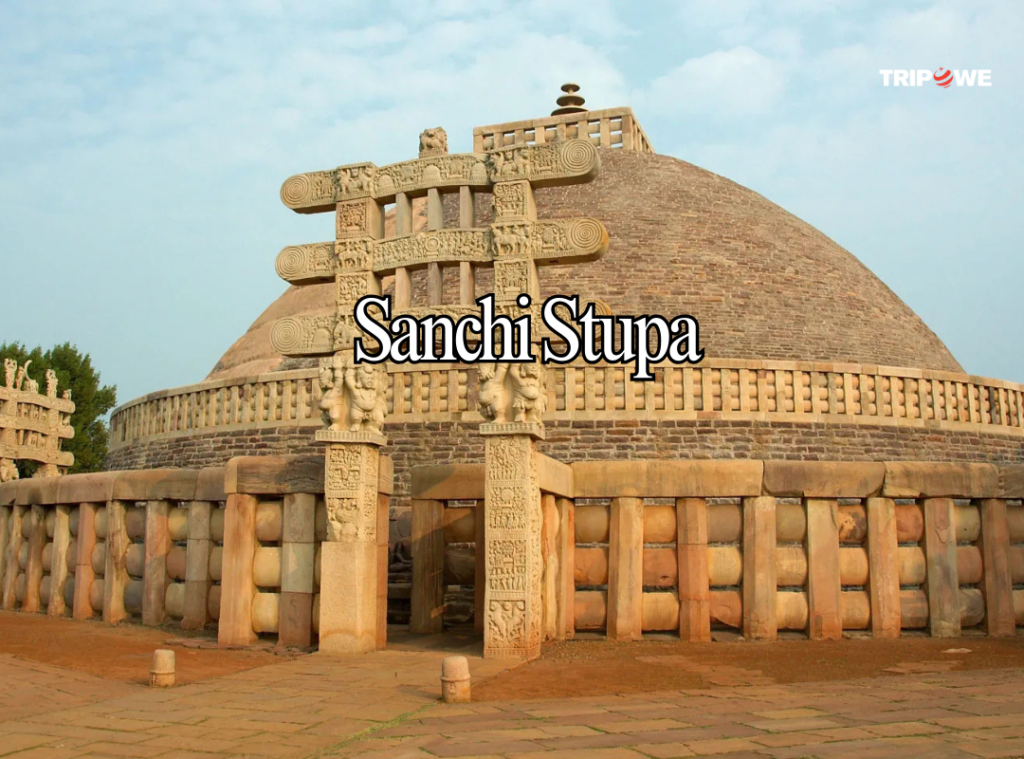
    Sanchi Stupa

    Sanchi Stupa

    situated near Bhopal, Sanchi Stupa is one of the oldest stone structures in India, built in the 3rd century BC.. Built by Emperor Ashoka, this Buddhist monument is a symbol of peace and enlightenment. The stupa features beautifully carved gateways that illustrate various stories from Buddha’s life. Recognized as a UNESCO World Heritage site, Sanchi attracts visitors with its peaceful aura and historical grandeur.

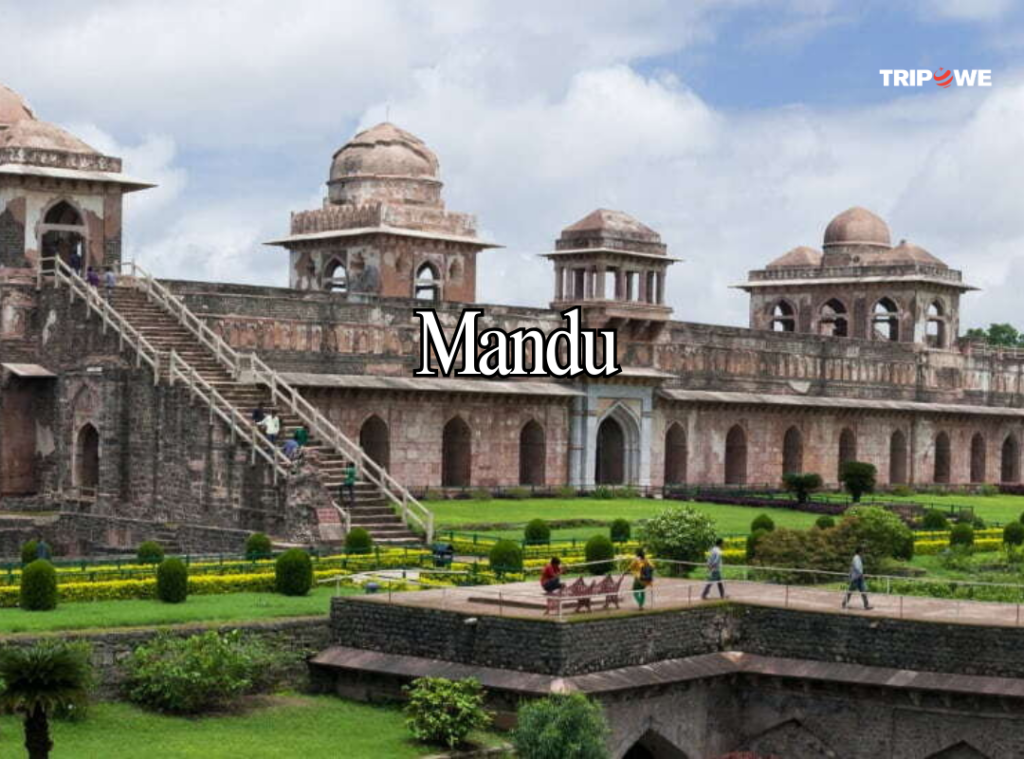
    Mandu (Mandavgarh)

    Mandu

    Mandu, also known as Mandav, is a city of timeless romance and grand architecture, featuring beautiful palaces, mosques, and intricate tombs. The Jahaz Mahal, or Ship Palace, is one of Mandu’s most iconic structures, built to resemble a ship floating on water. Other attractions include Hindola Mahal, Hoshang Shah’s Tomb, and Rani Roopmati Pavilion. Mandu’s architecture reflects the royal lifestyle of the Malwa Sultanate, offering a glimpse into their luxurious past.

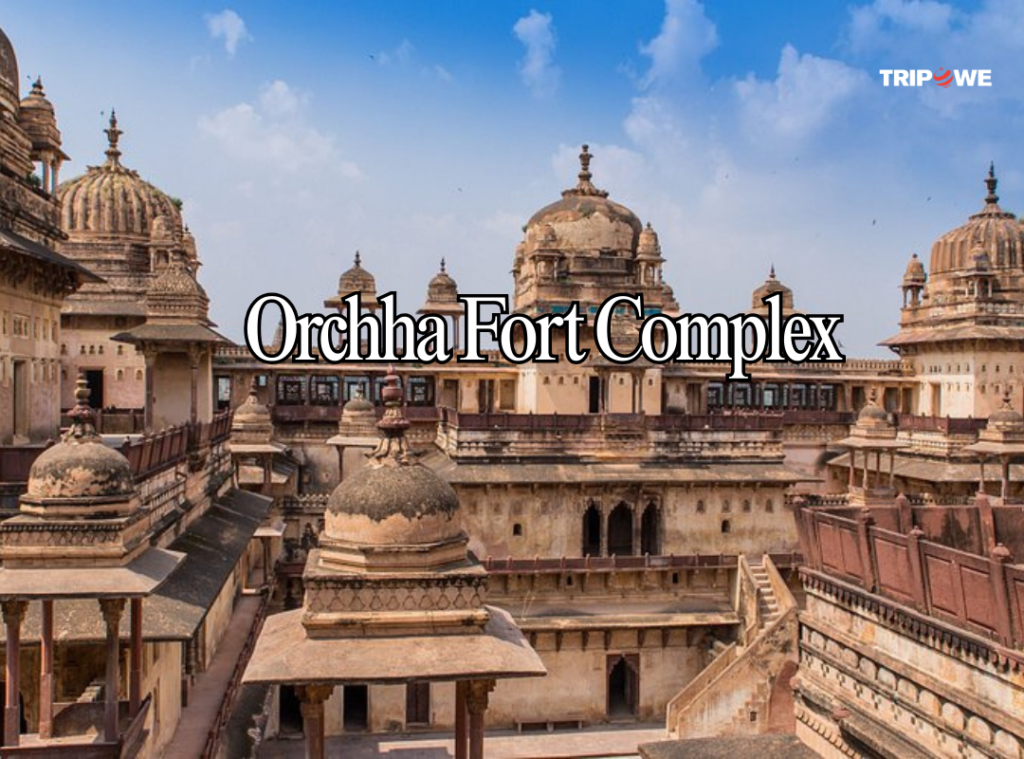
    Orchha Fort Complex

    Orchha Fort Complex

    Tucked beside the Betwa River, Orchha is a treasure that vividly embodies the spirit of medieval India. The Orchha Fort complex includes impressive structures like Raja Mahal, Jahangir Mahal, and Rai Praveen Mahal, each showcasing unique architectural styles. Constructed in the 16th century by the Bundela dynasty, Orchha showcases a unique fusion of Mughal and Rajput architectural styles, establishing it as a true marvel of design.

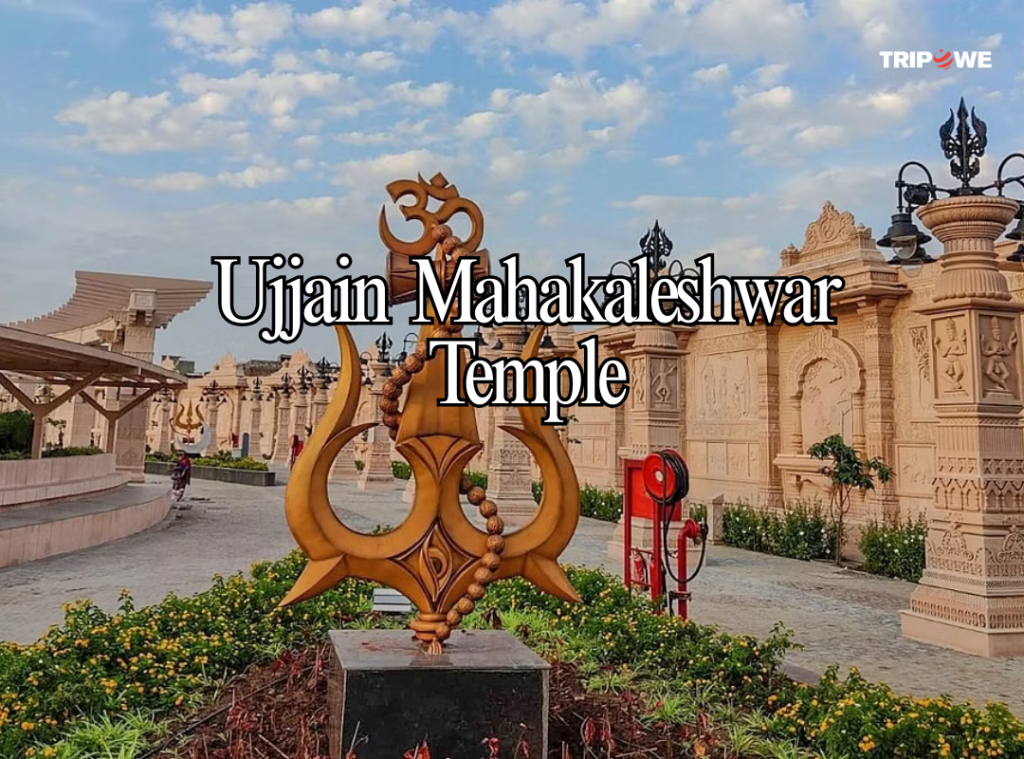
    Ujjain – Mahakaleshwar Temple

    Ujjain Mahakaleshwar Temple

    Ujjain, is a famous city known for , one of the twelve Jyotirlingas dedicated to Lord Shiva. This ancient temple has a mystic charm, attracting devotees from across the country. Ujjain has been a significant spiritual and educational center since ancient times, and its historical temples and ghats along the Shipra River offer a divine experience.

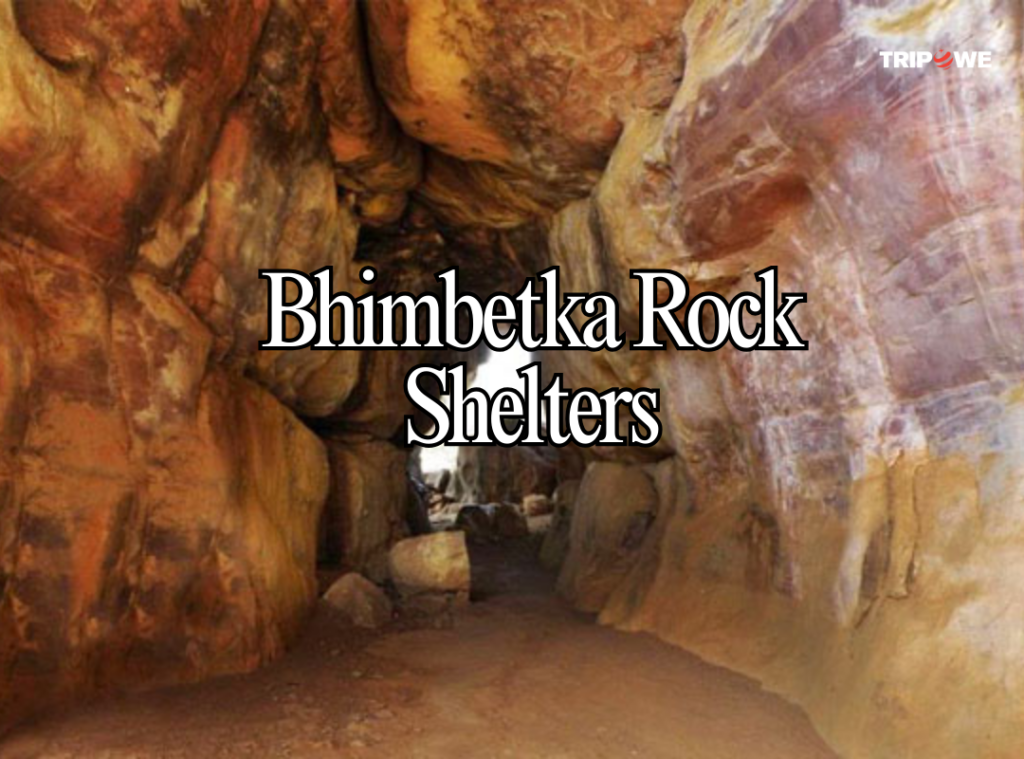
    Bhimbetka Rock Shelters

    Bhimbetka Rock Shelters

    The Bhimbetka Rock Shelters are a UNESCO World Heritage site known for their prehistoric cave paintings that date back to around 30,000 years.Situated in the Raisen district, these caves offer a glimpse into the lives of ancient humans.The rock art portrays scenes of hunting, dancing, and everyday activities, offering a rare look into prehistoric life in India. Bhimbetka is an archaeological wonder and a must-visit for history enthusiasts.

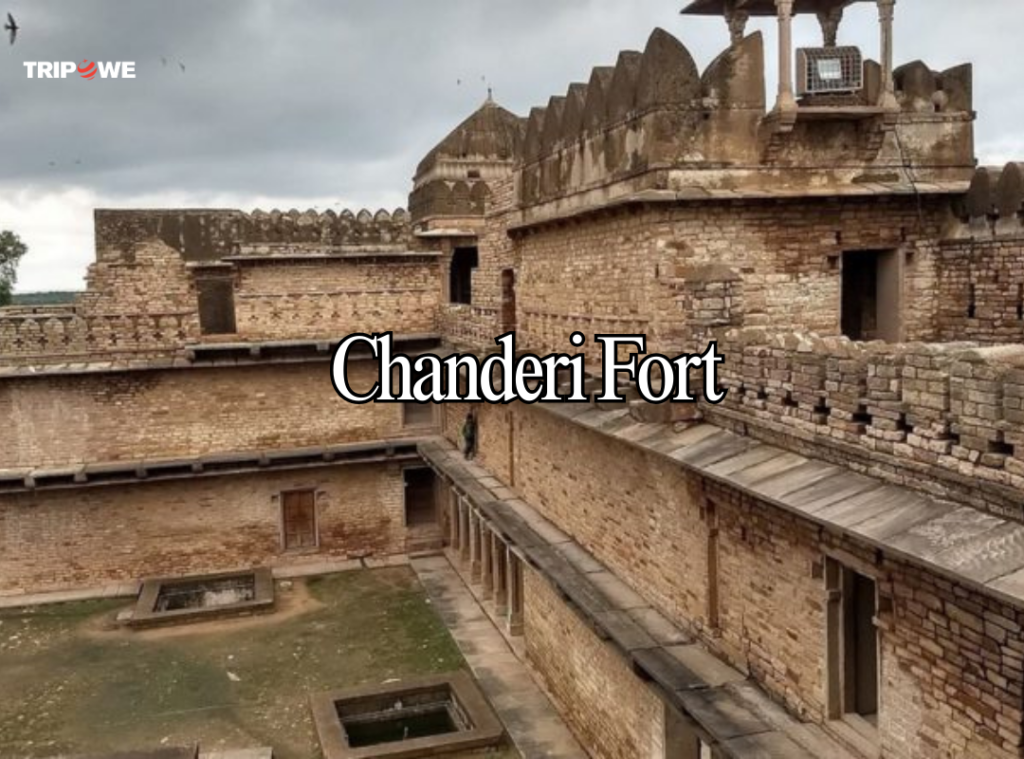
    Chanderi Fort

    Chanderi Fort

    Famous for its ancient textile weaving industry, Chanderi is a town steeped in history and beauty. The Chanderi Fort stands as a prominent landmark, offering panoramic views of the town and surrounding hills. This fort has witnessed many battles and has significant structures like the Khooni Darwaza, Shehzadi Ka Roza, and Kati Ghati. Chanderi’s historical essence and craftsmanship make it a unique destination.

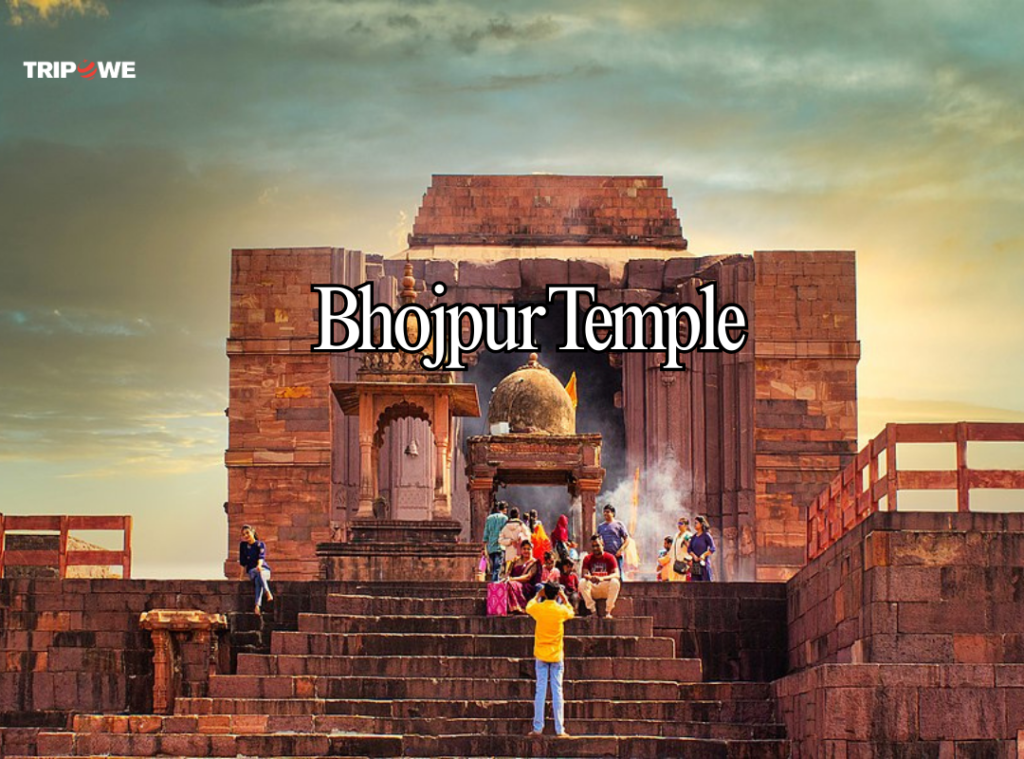
    Bhojpur Temple

    Bhojpur Temple

    Located near Bhopal, Bhojpur Temple is an unfinished temple dedicated to Lord Shiva, famous for its enormous Shiva Lingam. Built by Raja Bhoja in the 11th century, this temple showcases remarkable architectural expertise. The huge Shivlinga made from a single stone is one of the largest Shivlingas in India.. Bhojpur Temple’s mystique and historical charm make it a fascinating site to explore.

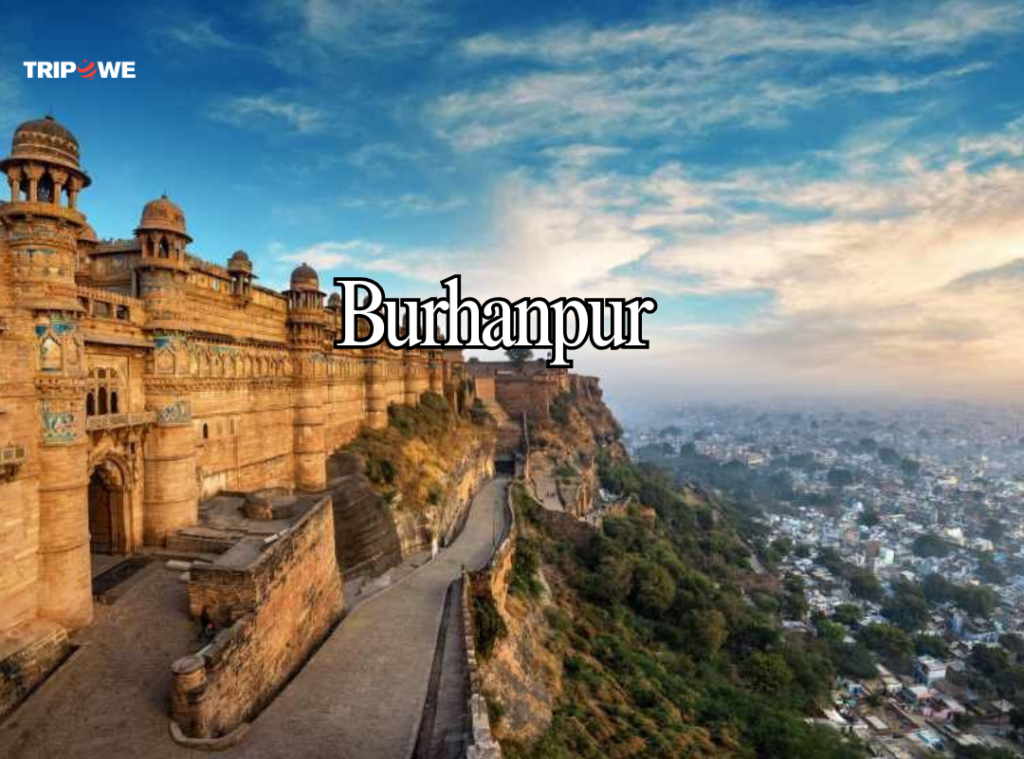
    Burhanpur

    Burhanpur

    Burhanpur is Known for its Mughal-era architecture, Burhanpur is a city with rich cultural and historical heritage. The city is home to the Shahi Qila, a palace where Mughal Emperor Shah Jahan spent time before commissioning the Taj Mahal. The Jama Masjid and Dargah-e-Hakimi are other notable sites. Burhanpur’s architectural beauty and historical significance make it a captivating destination.

    This are the best Historical places in Madhya Pradesh you should visit

    Read this blog winter camping tips

    FAQs

    What are the most famous historical places in Madhya Pradesh?

    Some of the most famous historical places in Madhya Pradesh include the Khajuraho Temples, Gwalior Fort, Sanchi Stupa, Mandu, Orchha Fort Complex, Ujjain’s Mahakaleshwar Temple, Bhimbetka Rock Shelters, Chanderi Fort, Bhojpur Temple, and Burhanpur.

    What is the significance of the Khajuraho Temples?

    The Khajuraho Temples are a UNESCO World Heritage site, known for their stunning architecture and intricate carvings that depict a blend of spiritual, sensual, and artistic themes, representing India’s rich cultural and architectural heritage.

    Why is Gwalior Fort called the “Gibraltar of India”?

    Gwalior Fort earned the nickname “Gibraltar of India” due to its strategic location atop a hill, making it one of the most formidable and impregnable forts in India.

    What makes Sanchi Stupa a UNESCO World Heritage site?

    The Sanchi Stupa is one of the oldest stone structures in India, built by Emperor Ashoka in the 3rd century BC. Its beautifully carved gateways depicting stories from Buddha’s life make it a significant Buddhist monument and a UNESCO World Heritage site.

    What can visitors expect to see at Mandu?

    Mandu is famous for its romantic architecture and grand palaces, mosques, and tombs, including iconic structures like the Jahaz Mahal and Hindola Mahal. The architecture of Mandu reflects the splendor of the Malwa Sultanate.