Category: Religious

  • Akshardham Temple in Delhi

    Akshardham Temple in Delhi


    The Swaminarayan Akshardham complex in Delhi, also known as Akshardham Temple, is a classic Hindu temple that personifies Indian culture, architecture, and spirituality. The magnificent temple is devoted to Swaminarayan, an 18th-century Indian yogi and spiritual being. The Akshardham temple in Delhi, which the Guinness Book of World Records calls the largest comprehensive Hindu temple in the world, is renowned for its aesthetic splendour, distinctive exhibitions, wide campus, and tranquilly.

    History of Delhi’s Akshardham Temple

    As a result of Shri Yogiji Maharaj’s desire to construct a temple complex in Delhi, Swaminarayan Akshardham or Akshardham Mandir Delhi was created. When he was working as the spiritual leader of Bochasanwasi Shri Akshar Purushottam Swaminarayan Sanstha, popularly known as BAPS, he had this notion about 1968. But after Bhagwan Swaminarayan, Pramukh Swami Maharaj, his successor and the fifth spiritual teacher in line, began work on the temple.

    For the construction of this temple, the Delhi Development Authority and the Uttar Pradesh Government each provided about 30 acres of land. The building process began in 2000, and it was finished in five years. On November 6, 2005, the public could enter Akshardham Temple, which is located besides the Yamuna River. In the presence of notable figures including Dr. A.P.J. Abdul Kalam, L.K. Advani, B.L. Joshi, and Dr. Manmohan Singh, the country’s then prime minister, Pramukh Swami Maharaj dedicated the temple.

    This Swaminarayan Temple was built by BAPS and is one of the largest temples in Delhi and all of India. The building of this temple involved more than 8000 volunteers, who contributed 300,000,000 hours of their time.

    Delhi’s Akshardham Temple, architecture

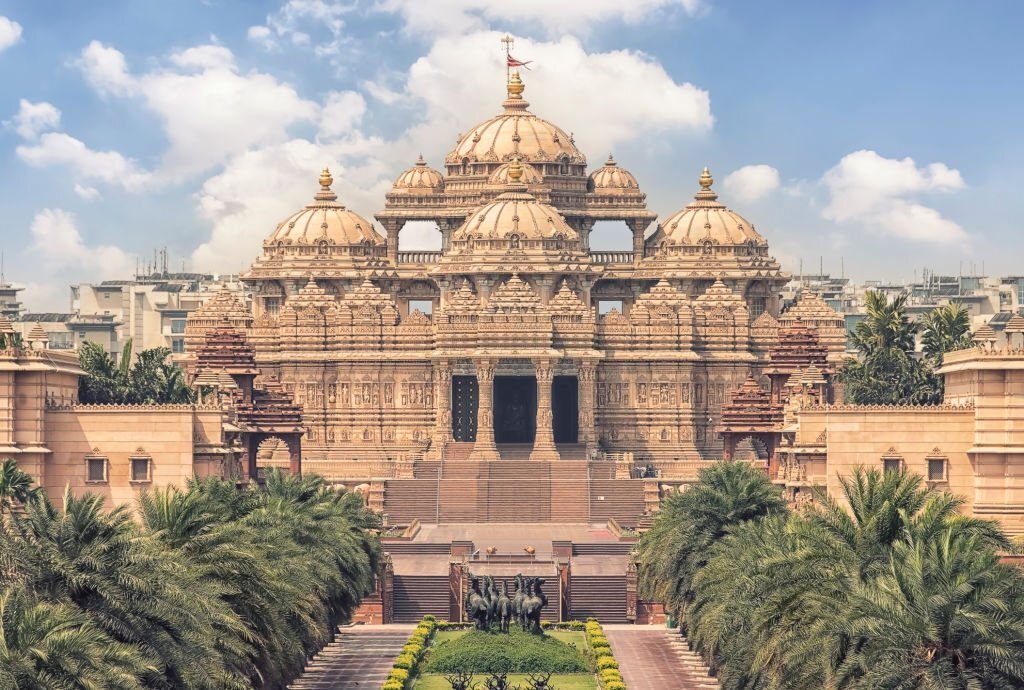
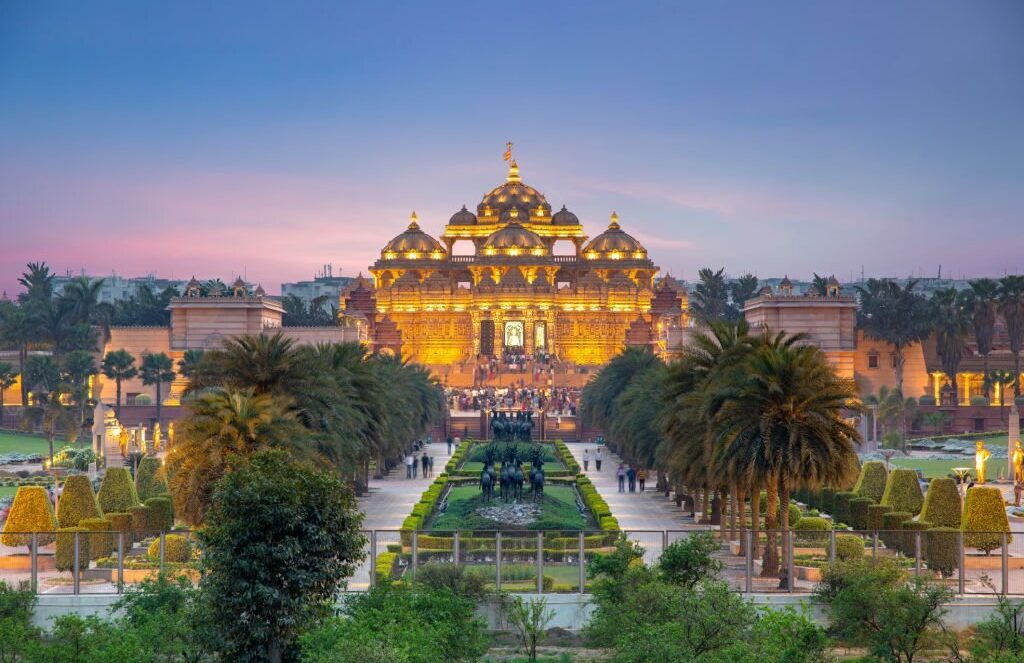
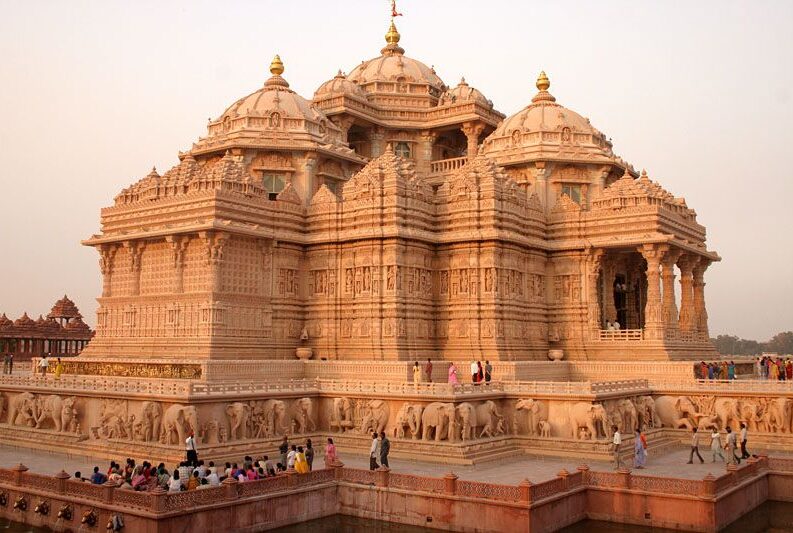
    The Akshardham Temple in Delhi is a tribute to the traditional Hindu architectural designs that were popular throughout India in the ancient and mediaeval periods. The main temple, which stands in the middle of this complex, was constructed based on Vastu Shastra and Pancharatra Shastra principles. This main shrine, known as the Akshardham Mandir, is 356 feet long, 316 feet wide, and 141 feet high.

    The temple represents India’s culture and spiritual richness with more than 234 intricately carved pillars, 20 quadrangle spires, 9 ornate domes, and 20,000 sculptures of spiritual figures from India. The walls and ceilings of this temple are decorated with carved designs and representations of gods, flowers, dancers, and musicians.

    The entire Akshardham Temple complex is a piece of meticulous beauty with impeccable construction. Pink sandstone from Rajasthan and Italian Carrara marble were used to build the temple. Open gardens, a courtyard designed in the stepwell style, several water features, and other buildings surround it.
     

    Akshardham Temple in Delhi

    Delhi’s Akshardham Temple: Today

    The Akshardham Temple complex is becoming one of Delhi’s most popular tourist destinations. Due to its extraordinary beauty and enormous size, it attracts tourists from all regions of India and beyond. The temple complex may be the biggest structure to be erected in India in the last 800 years. The temple was given the Guinness World Record title of “Largest Comprehensive Hindu Temple in the World” in 2007.

    Delhi’s Akshardham Temple Complex Attractions

    The Delhi Akshardham Temple complex contains many sites that are worthwhile seeing. These consist of:

    1.  Elaborate entranceways
    2.  The primary Bhagwan Swaminarayan temple is called Akshardham Mandir.
    3.  Henrik Mandap
    4.  Sahajanand Darshan, Neelkanth Darshan, and Sanskruti Darshan are three exhibitions.
    5.  The Garden of India is a huge 60-acre themed garden featuring bronze statues of Indian warriors, heroes, and notable figures.
    6.  Yogi Hraday Kamal, also known as the Lotus Garden, is a place where you may find stones bearing engravings of the ideas of world leaders, scientists, and philosophers.
    7.  A body of water called Narayan Sarovar contains the waters of 151 revered Indian rivers and lakes.
    8.  Fountain with music or water show
    9.  Premvati Ahargruh, the complex’s vegetarian food court, Akshardham Books and Gifts Centre, the building’s gift shop

    Exhibitions in Delhi’s Akshardham Temple

    At the Akshardham Temple, there are three distinct exhibitions, each of which is instructive, informative, and inspirational. These exhibitions, which are spread across three sizable halls, feature a fusion of contemporary art, culture, and technology. The hours of operation for the ticket windows for Akshardham exhibitions are 11:00 am to 6:00 pm.

    The exhibitions at Delhi’s Akshardham Temple are listed below:

    Sahajanand Darshan (Hall 1 of Exhibitions)

    The Hall of Values is where various values, including tenacity, nonviolence, morality, etc., are displayed using animatronic characters and multimedia technologies. Additionally, cutting-edge methods like immersive projections and 3D dioramas are employed to communicate the Hindu culture’s ageless principles.

    Neelkanth Darshan (Hall 2 of Exhibitions)

    In this auditorium with a huge screen, a 40-minute film called Neelkanth Yatra showcases the spiritual and cultural grandeur of the nation. The movie tells the tale of the pilgrimage that Bhagwan Swaminarayan made when he was a teenager.

    Sanskruti Darshan (Hall 3 of the Exhibition).

    Visitors can board a boat and go through 10,000 years of India’s illustrious history at this display hall. You travel past exhibitions that detail some of India’s greatest accomplishments while you ride. There are displays that, to name a few, depict a Vedic marketplace, a classroom at Takshashila University, etc.

    Delhi’s Akshardham Temple features a musical fountain or water show.
    Akshardham Temple in Delhi

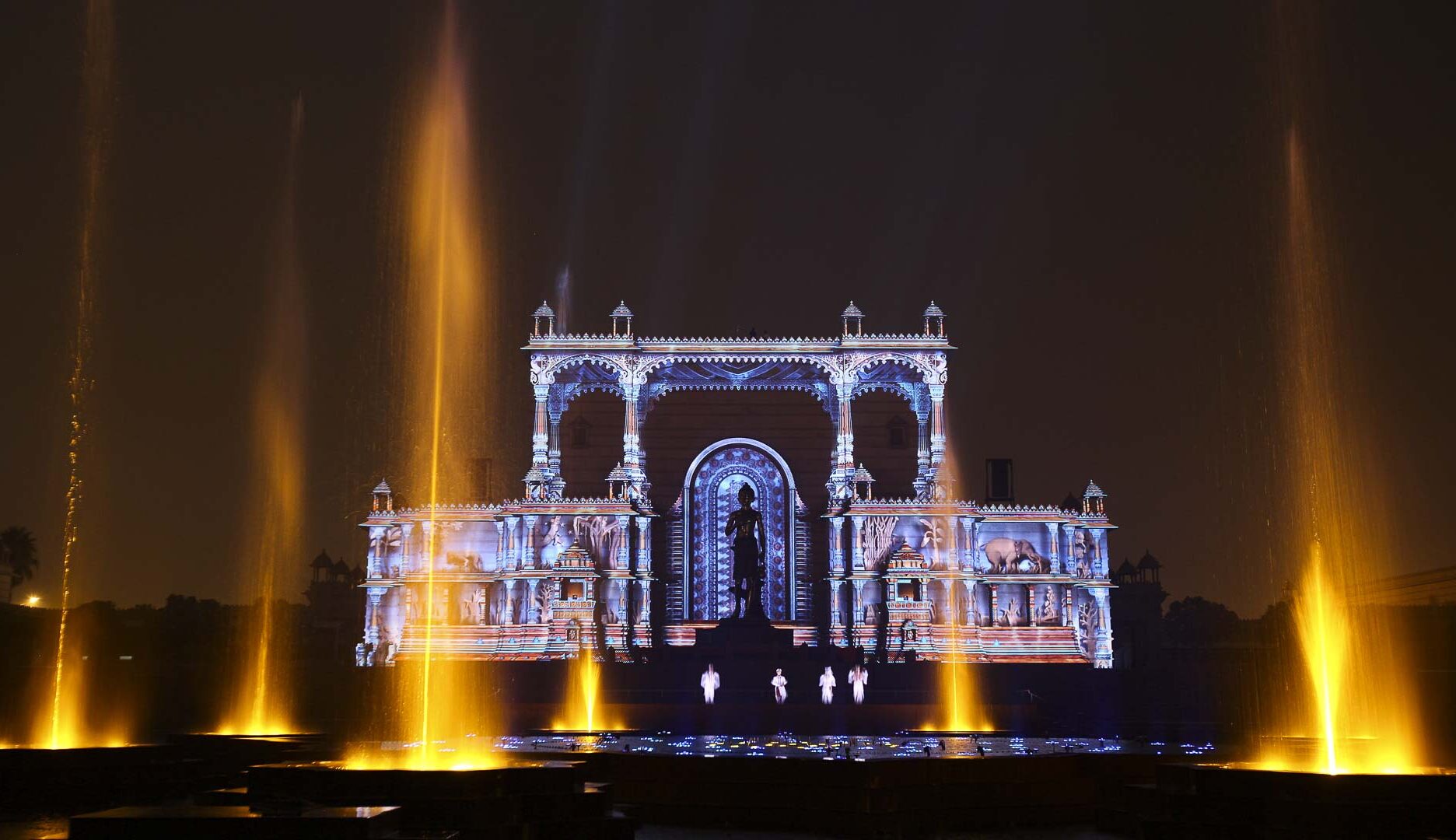
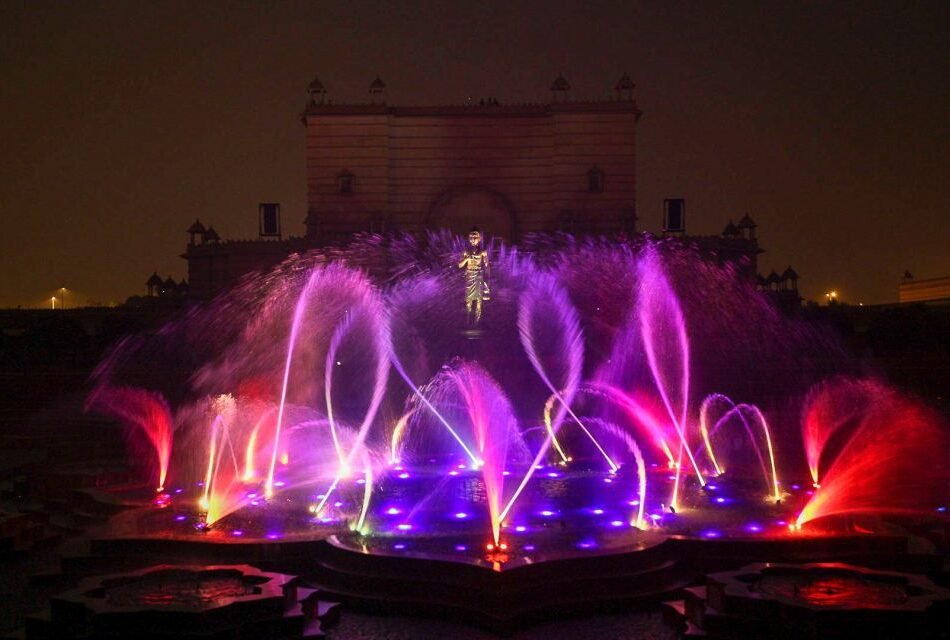
    Sahaj Anand, a one-of-a-kind multimedia water show, is one of the highlights of Delhi’s Akshardham Temple. Through film projections, coloured lasers, water jets, underwater flames, and surround sound, the breath-taking production tells the story of an episode from the Kena Upanishad.

    *The opening performance happens after dusk. Numerous performances are frequently organised on weekends and public holidays.

    Ticket costs:

    Adults pay $90; kids (4 to 11) pay $60; and infants under 4 are free.

    Finding Akshardham Temple

    Here is how you can travel to Akshardham Temple utilising several methods:

    Via  train:

    Anand Vihar Railway Station is the one closest to Akshardham Temple. You can use a cab, an auto-rickshaw, or other forms of public transit to get to the temple, which is located around 5-6 kilometres from the station.

     Via Metro:

     A practical and well-liked means of transportation in Delhi is the metro. The closest metro station to the temple is Akshardham Metro Station. It is located on the Delhi Metro’s Blue Line. To get to the temple from the metro station, you can either walk there or take a quick rickshaw or auto-rickshaw ride.

     Via Airport:

     The Indira Gandhi International Airport (IGI) is the primary airport serving Delhi if you’re flying in. To get to Akshardham Temple from the airport, you can either hire a cab or use an app-based travel service. The distance between the airport and the temple is roughly 25–30 kilometres, although the exact journey time will depend on the flow of traffic.

    Additional Buildings at Akshardham

     The Akshardham complex contains a number of additional buildings and landmarks in addition to the main temple. Here are a few examples:

     Water Show Sahaj Anand

     This magnificent multi-media water show occurs in the evening at the Yagnapurush Kund, a structure that resembles a set of steps. The crowd was entranced by the presentation, which uses water, light, and sound elements to depict an ancient Indian tale.
    tripowe.com

     Kund Yagnapurush:  

    The centrepiece of Akshardham Temple is the largest step-well in the entire globe. Over 2,000 figurines of different celestial entities can be found on the Kund’s carefully crafted steps.

    The Narayan Sarovar

    This hallowed body of water encircles the main temple. Its perimeter can be walked by those who want to enjoy the peace and quiet.

    List of all Akshardham Temples worldwide

    The teachings and tenets of Bhagwan Swaminarayan and the Akshar Purushottam philosophy served as the foundation for the construction of the various Akshardham Temples that can be found all over the world. Some of the well-known Akshardham Temples are listed below:

    Akshardham Delhi, India: One of the most well-known and substantial Akshardham complexes in the world is the Akshardham Temple in Delhi. Since its opening in 2005, it has welcomed millions of tourists.

    India’s Akshardham Delhi

    One of the most well-known and substantial Akshardham complexes in the world is the Akshardham Temple in Delhi. Since its opening in 2005, it has welcomed millions of tourists.

    India’s Akshardham Gandhinagar

    The first and original Akshardham Temple may be seen at Gandhinagar, Gujarat, India. It is an important spiritual and cultural centre that was dedicated in 1992.
    tripowe.com

    USA, Akshardham Robbinsville

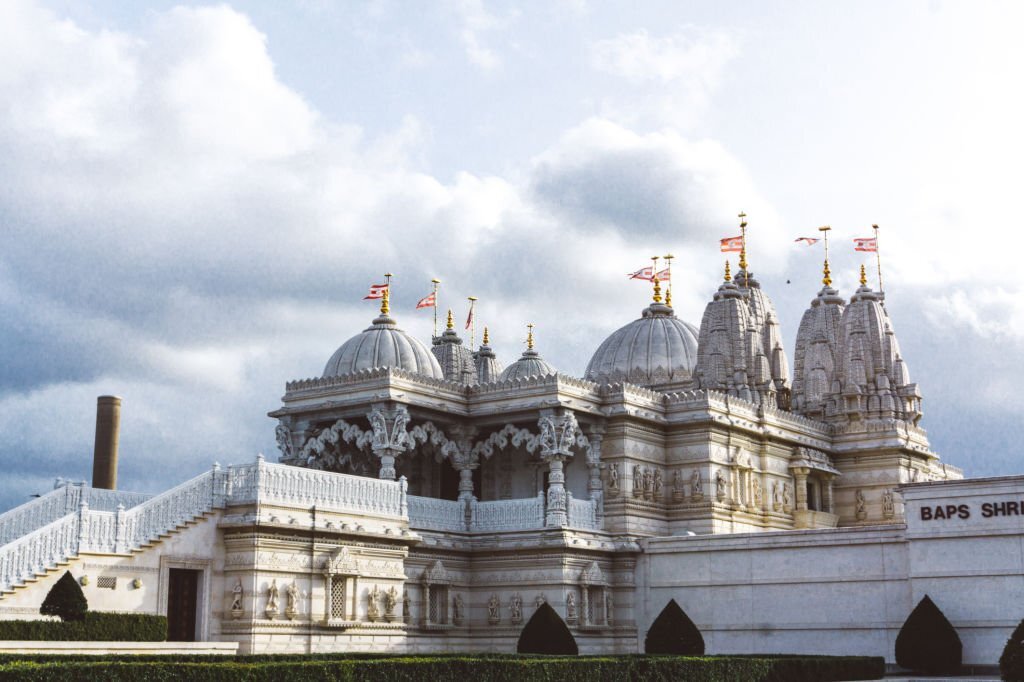
    This Akshardham Temple, also known as the BAPS Shri Swaminarayan Mandir, is located in Robbinsville, New Jersey. It was opened in 2014 and is already well-known among Hindus in the USA as a venue of worship and social interaction.

    This magnificent Akshardham Temple, which is situated in London, England, was established in 1995. The Hindu community in the UK uses it as a spiritual and cultural hub.

    Facts Unknown About Delhi’s Akshardham Temple

    The terms akshar, which means immortal, and dham, which means habitation, are combined to form the name Akshardham. Akshardham therefore refers to the home of the Eternal One.

    In this complex of temples, there are ten welcome gates.

    To increase the longevity of the structure, no concrete or steel was utilised in the construction of the temple.

    The largest Yagnapurush Kund of its sort in the entire globe is located inside the temple.

    For the creation of magnificent temple, more than 11,000 workers toiled.

    The interior of the temple’s food court, Premvati Ahargruh, is decorated with murals depicting the Ajanta and Ellora caves in Maharashtra.

    A voyage into the heart of ancient India may be had at Delhi’s Swaminarayan Akshardham, which is more than just a temple. Therefore, set aside a day in your schedule to visit this important site in the national capital. Every minute you spend here will be enjoyable!
     

  • Adiyogi Shiva Statue

    Adiyogi Shiva Statue


    “A Glimpse into Infinity: The Meditative Experience of the Adiyogi Shiva Statue”

    The Tamil Nadu city of Coimbatore is well-known for its plethora of historical temples, museums, sizable zoological parks, and gardens. One of the many jewels in the city that must be discovered is the Adiyogi Shiva Statue. The Adiyogi Shiva Statue in Coimbatore is one of the biggest temples in India dedicated to the famed Hindu deity Lord Shiva.

    Who is Adiyogi ?

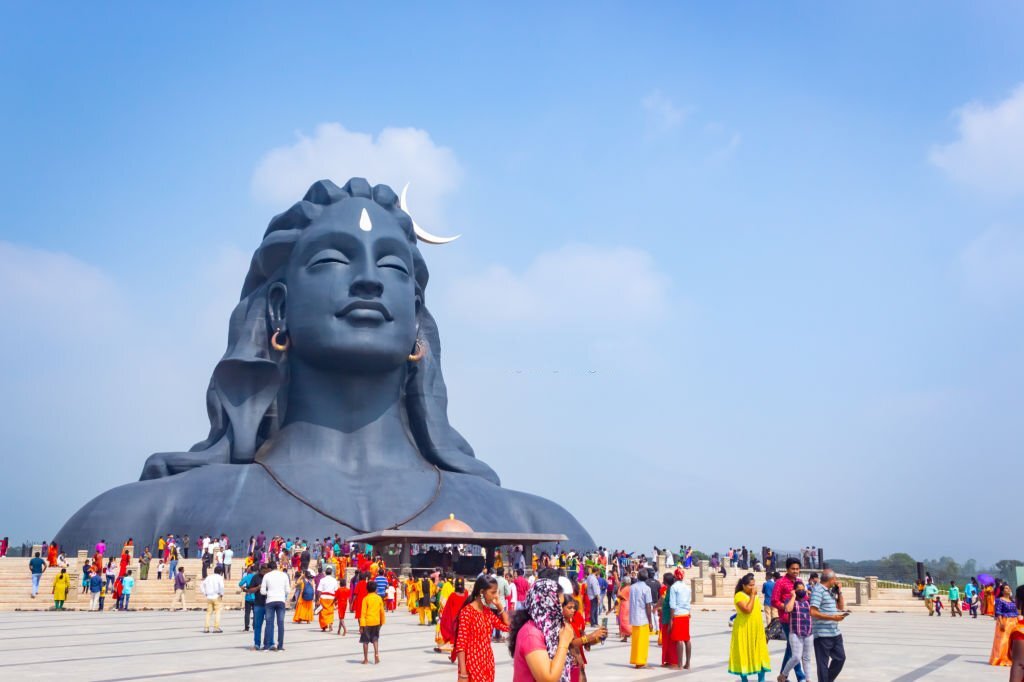
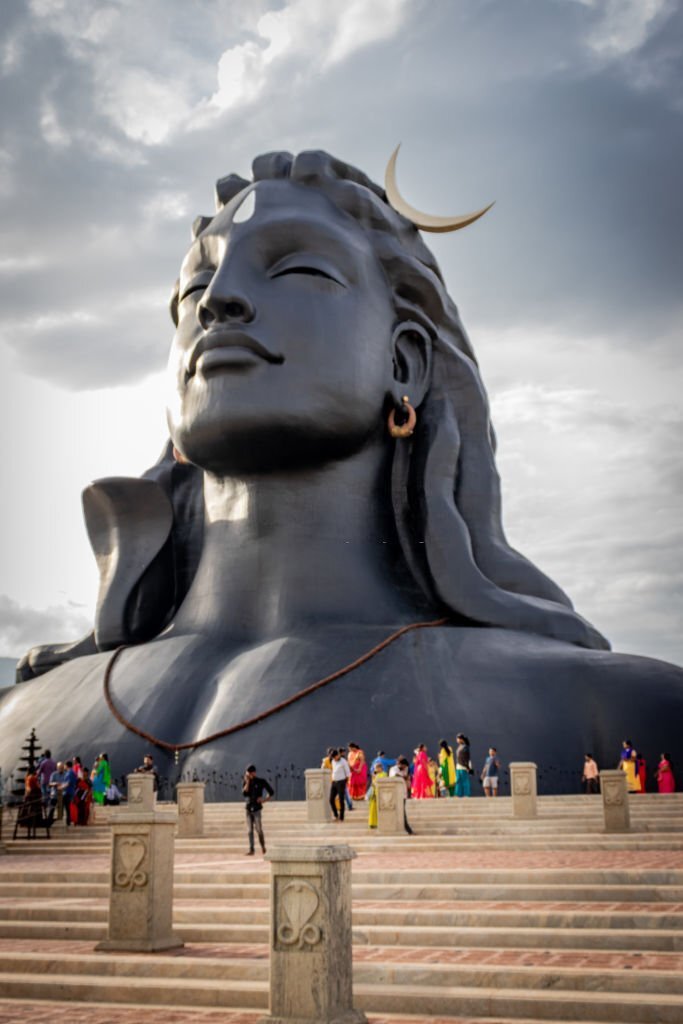
    500 steel stones were used to create the 112 foot tall statue, which is part of the Isha Foundation Complex in Coimbatore. It is located in the Western Ghats at the base of Velliangiri Mountain and is surrounded by verdant farms, creating a serene environment for the practice of yoga and meditation.

    Facts About Adiyogi


    Adiyogi Shiva Statue


    The “Largest Bust Structure” title belongs to Adiyogi, which is listed in the Guinness Book of World Records. The 150 feet long by 25 feet wide first image of the Adiyogi statue was built using 500 tonnes of steel.

    It is possible to witness the 3D Laser Show Adiyogi Divya Darshanam on the weekends, Purnima, Amavasya, and other auspicious days. It is planned for this 3D Laser display to operate from 8 to 8:15.

    Every Purnima (Full Moon Night), a music event is held from 10.30 PM to 11.30 PM.

    Adiyogi might receive Vastram from visitors. Any of the 621 tridents that encircle the Adiyogi statue might have a black cloth tied to it by devotees.

    Adiyogi Pradakshina is a 2 kilometer circumambulation of Dhyanalinga and Adiyogi.

    On the Yogeshwar Linga, the word “Shambho” is written in four South Indian languages: Tamil, Telugu, Kannada, and Malayalam.

    The largest Rudraksha Mala in the world, made up of 1,00,008 Rudraksha beads, is being worn by Adiyogi.

    Adiyogi Shiva Statue: Hours and Entrance Fee

    Every day of the week, from 6 am to 8 pm, the Adiyogi Shiva statue is accessible. The schedules do alter, though, for holidays and other special occasions. The business is open on Purnima and Amavasya until midnight. Additionally, there is a musical performance from 10:30 to 11:30 p.m. in front of the Adiyogi Shiva Statue, which is followed by the distribution of prasad.

    The best part is that visitors can enter for free.

    Steps for Getting to the Adiyogi Shiva Statue

    The Adiyogi Shiva Statue is located in Coimbatore’s Dhyanalinga complex. Use one of the following methods to get there.

    via buses

    From the Gandhipuram bus stop, it takes 45 minutes to get to the Dhyanalinga complex; from there, it takes another 7 minutes of walking to reach the statue.

    via Car

    Driving time from Coimbatore to Adiyogi is roughly one hour and thirty minutes. The distance to the location from Coimbatore Bus Station is 32 kilometers. The city also benefits from easy access to state and federal roadways that link it to other parts of the country.

    Train and Air travel

    The Coimbatore airport is 42 km away while the Coimbatore railway station is 30 km away.

  • Shri Murudeshwar Temple

    Shri Murudeshwar Temple


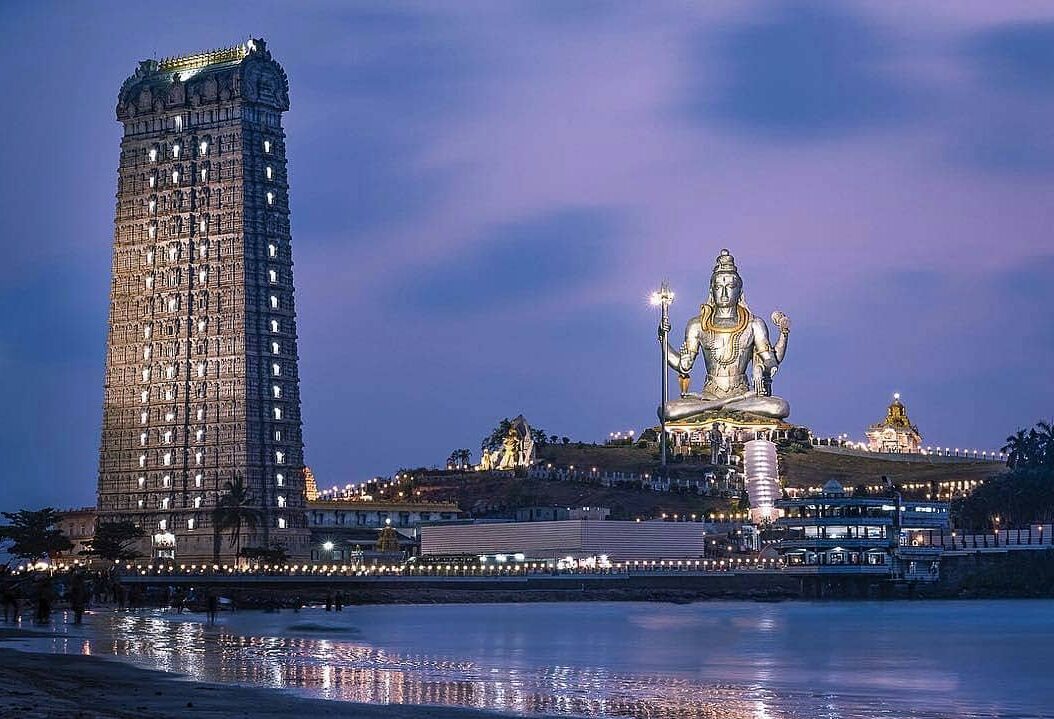
    Shri Murudeshwar Temple:  the World’s Second Tallest Shiva Statue

    Shri Murdeshwar Temple is an amazing combination of spirituality and a paradise by the sea. Many of the factors that have drawn tourists from all over the world to a coastal town in Uttara Kannada district are detailed in this blog.

    1. The Murudeshwar Legend

    It’s crucial to understand this Ramayana-era legend before visiting the Murudeshwar mandir in Karnataka. At this time, gods and goddesses were reputed to have attained immortality and invincibility via worship of the sacred and divine linga known as Atma-Ling. The name means “Soul of Shiva” in English. However, people other than gods and goddesses also desired immortality and invincibility. Another person, or rather Asur, from the Lankan kingdom of Ravana, had his sights set on the Atma-Linga.

    The Shiva statue has served as a dazzling representation of harmony and enlightenment since 2006. Due to its astounding 123-foot height, it can be seen quite a ways away. Because of its allusion in the legendary Ramayana, an old Indian work of literature, the mythology and history associated with Murdeshwar are fascinating.

    1.Ravana’s fancy,

    Shri Murudeshwar Temple

    As we know from the Ramayana, Ravana was a devoted devotee of Shiva. Ravana earned the nickname Dashanan, the man with the wisdom of ten persons, due to his adoration of the destroyer of worlds. But from Lord Shiva, he received more than just wisdom. Because of his fervent adoration of Lord Shiva, the god came in front of him and assured Ravana that he was moved by his devotion and would grant him any wish.

    The Atma-Linga was the one item Ravana specifically requested. Before handing him the linga, Lord Shiva did not think twice. Shiva, however, stipulated that Ravana keep the Atma-Linga above the ground until he arrived in Lanka before giving it to him. Even if Ravana dropped the linga unintentionally, it would remain there and become immovable. Ravana consented to the stipulation. He left for his house as soon as he obtained the Atma-linga.

  • Madurai Travel Guide

    Madurai Travel Guide


    Madurai – A Tapestry of Ancient Majesty and Alive Culture, welcome to Madurai Travel Guide, Madhuri is located in Tamil Nadu, India, entices visitors with its rich history, cultural legacy, and energetic atmosphere. Madurai, known as the “Athens of the East,” stands as a testimony to its previous grandeur while smoothly merging in the colours of modern life. Let’s go on a voyage to discover this enthralling place via the lens of its historical treasures, spiritual significance, and vibrant markets.


    Madurai Travel Guide


    When is the best time to visit Madurai?

    Though most visitors avoid the months of March to June due to the high heat and humidity, the months of September to November are ideal for exploring. During this period, the floating boat ceremony gets special mention. However, owing to the ongoing celebration of cultural programmes and festivals, Madurai is a city that may be visited at any time of year.

    Madurai tourist attractions

    Temple of Meenakshi Amman


    tripowe.com


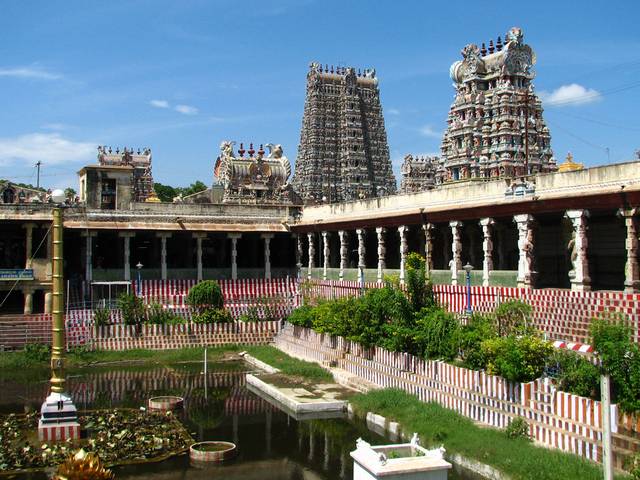
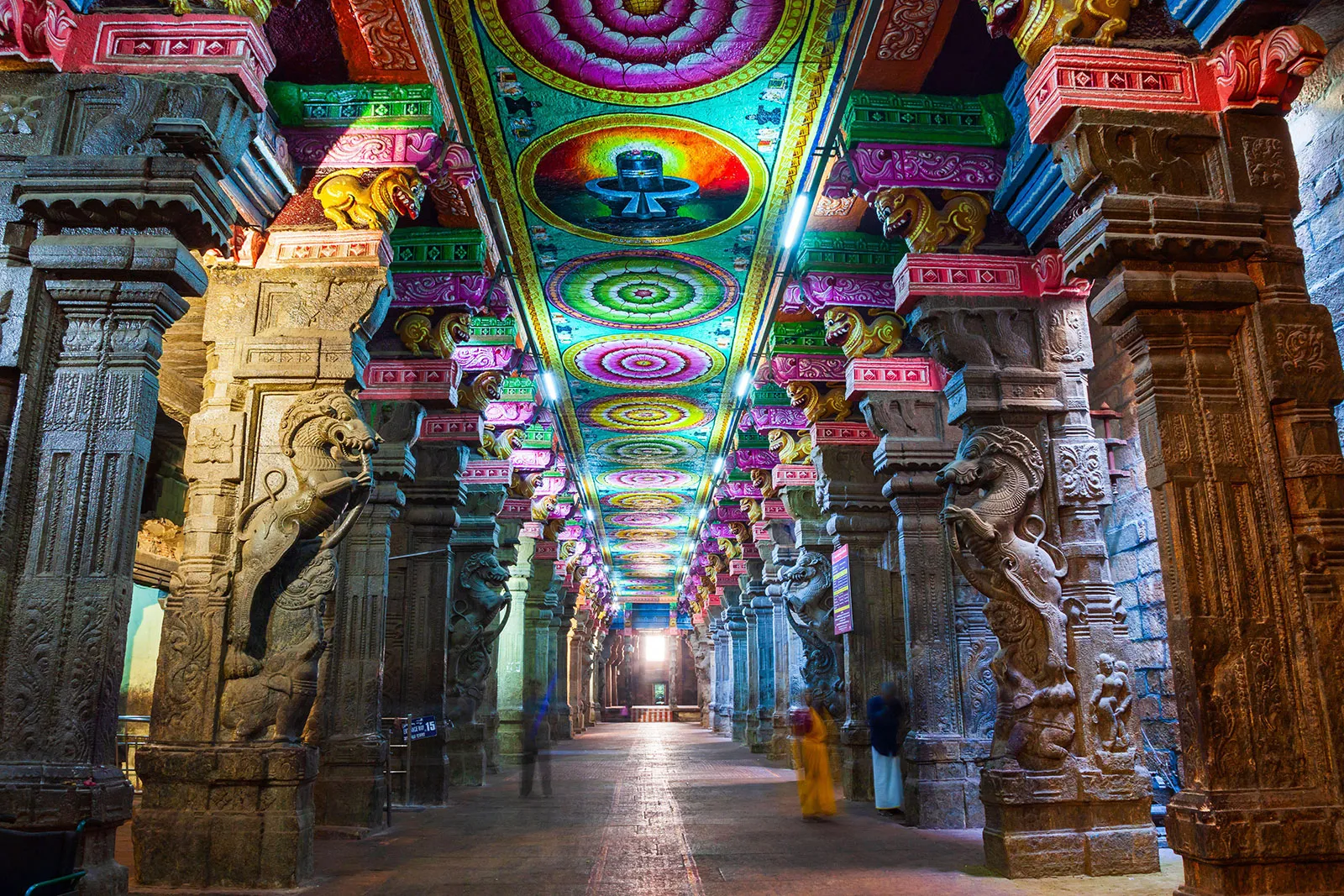
    Meenakshi Temple was established in the city centre and is dedicated to Goddess Parvati. It is one of the oldest temples in Madurai and, interestingly, the first temple ever built. Though Madurai has many more gorgeous temples, Meenakshi Temple is the city’s heart.

    Thiruparankundram


    tripowe.com


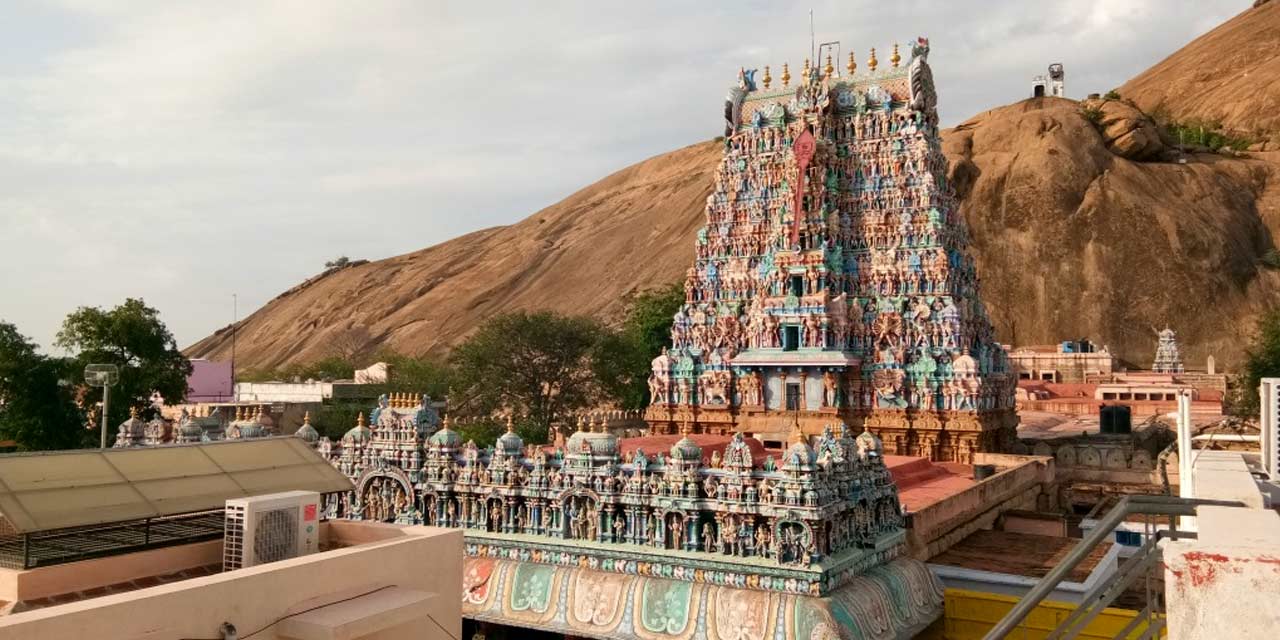
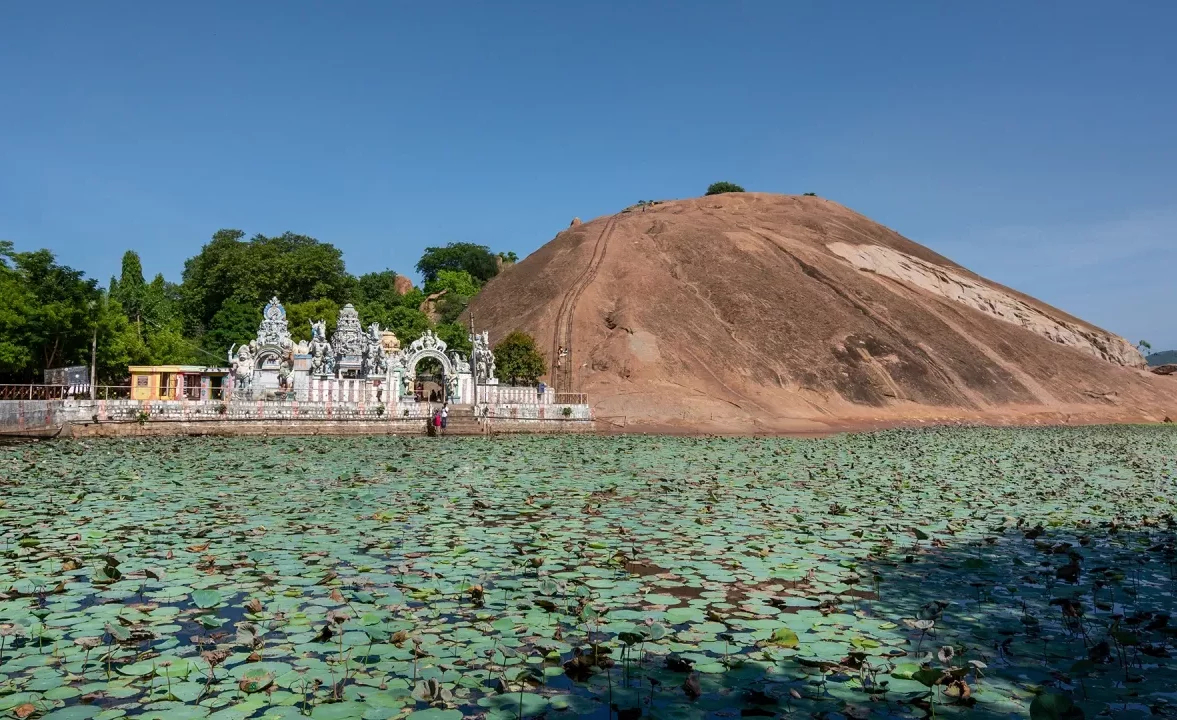
    Thiruparankundram is also one of the earliest temples in Madurai dedicated to Lord Muruga. This temple is located 8 kilometres from the main city. Every day, hundreds of people see the temple’s interiors and ancient priests’ manuscripts.

    The Samanar Hills

    Madurai Travel Guide

    The panoramic view of the river and temples from the summit of Samanar Hills creates a breathtaking landscape. It is 300 steps above earth and is packed with ancient Jain monk statues and stones where the monks used to sleep or relax.

    Activities in Madurai

    Thirumalai Nayakkar Mahal is a mahal in Thirumalai, Tamil Nadu

    Thirumalai Nayakkar Mahal was erected in 1636 AD by King Thirumalai Nayak and was formerly larger and more beautiful. The sculptures in this gallery combine Dravidian and Rajput art traditions. Apart from walking through the palace grounds, you may see the outstanding lighting and sound shows.

    Athisayam

    Athisayam is recognised as the “Queen of Themed Amusement Parks in India.” It is both a water park and an amusement park that is both exhilarating and interesting for both children and adults. It’s a terrific place to hang out with friends and family.

    Pay a visit to The Murugan Idli Shop.

    Even though you may eat idli-dosa at any Madurai shop, Murugan Idli is the most popular among locals and is famed for making the best chutney and having a delicious taste.

    How do I get to Madurai?

    Madurai’s nearest railway station/bus stop

    The nearest railway station in Madurai is the Madurai Railway Junction, which is 2.8 km from the city centre.

    Despite the fact that Madurai is a large city, there are rarely any problems with public transport. It is easily accessible by car to all of the neighbouring key cities.

    Airport closest to Madurai

    The nearest airport is Madurai Airport (IXM), which is around 10 kilometres from the city centre.

  • Khajuraho Temples: Ancient Art and Spiritual Splendor

    Khajuraho Temples: Ancient Art and Spiritual Splendor


    The architectural talents of the Chandela dynasty can be seen in the 9th to 12th century temples of Khajuraho. Khajuraho, located in Madhya Pradesh, India, exudes passion, sexuality, dance and music, as well as other finesses of creative arts displayed in sculpture and imagery of the temples. The 85 temples were erected in the North Indian ‘Nagara’ style of architecture, but only 20 have withstood the harsh weather conditions throughout the years. The Western and Eastern temple groupings are the two more distinct groups of temples. The temple village of Khajuraho is unlike any other temple town in India. It is not about religion, worship, or deities.

    Khajuraho temples, on the other hand, are notable for the sensuality engraved on their walls in the shape of sculptures. These 10th-11th century temples, a mix of science and art, have an intriguing legend behind them that relates them to the origins of the Chandela dynasty. The Moon God is claimed to have seduced and ravaged a beautiful Brahmin girl known as Hemvati in a frenzy of desire, resulting in the birth of Chandravarman (the founder of the Chandela dynasty). Later, Chandravarman had a dream in which his mother asked him to build a temple that would unveil to the world all parts of the wealth of desire and sensual fantasy.


    Khajuraho Temples


    When is the best time to visit?

    The best time to visit Khajuraho is from October to March, when the weather is cool and pleasant. The temperature during this period fluctuates from 10°C to 27°C, making it ideal for exploring Khajuraho’s ancient temples and monuments.

    Due to severe rains and the potential of flooding, visiting Khajuraho during the monsoon season (July to September) can be difficult. Summer months (April to June) are exceptionally hot and humid, with temperatures reaching up to 47°C, making outdoor activities miserable.

    Places to visit in Khajuraho

    Khajuraho Temples:

    The Khajuraho Temples are the main attraction of the town. The temples were built between 950 and 1050 AD and are now a UNESCO World Heritage Site. The intricate carvings on the walls and pillars of the temples are famous worldwide.

    Raneh Falls:


    Khajuraho temples


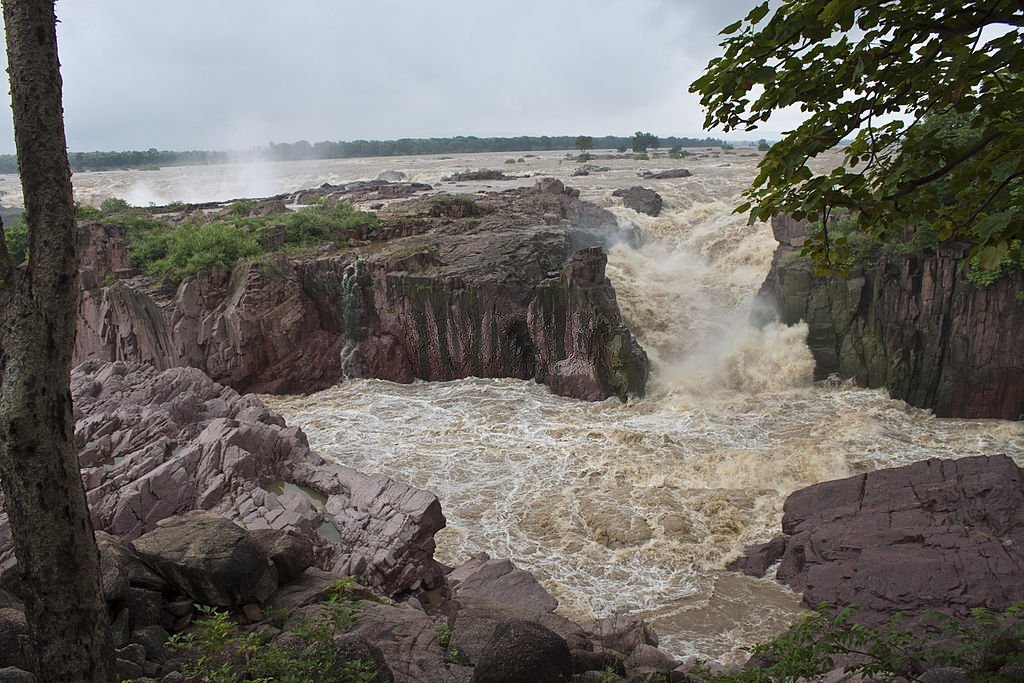
    The Raneh Falls is a natural waterfall located on the Ken River, about 20 kilometers from Khajuraho. The waterfall is surrounded by beautiful natural scenery, and you can take a dip in the cool waters.

    Panna National Park:


    khajuraho temples

    The Panna National Park is located about 40 kilometres from Khajuraho and is home to a variety of species, including tigers, leopards, deer, and antelopes. The park also contains a high population of migrating birds.

    Beni Sagar Dam:

    The Beni Sagar Dam is a popular site for picnics and boating. The dam is roughly 10 km from Khajuraho and gives stunning views of the surrounding hills.

    Anthropological Museum:

    The Archaeological Museum in Khajuraho exhibits a collection of temple sculptures and artefacts. The museum takes a more in-depth look at the region’s history and culture.

    Temple of Kandariya Mahadev:


    tripowe.com

    The Kandariya Mahadev Temple is Khajuraho’s largest and most elaborate temple. The temple is devoted to Lord Shiva and features beautiful carvings of Hindu mythological subjects.

    Temple of Lakshmana:

    Another well-known temple in Khajuraho is the Lakshmana Temple. The temple is notable for its intricate carvings and contains a stunning sculpture of the four-armed Vishnu.

    Chaturbhuj Temple: 


    tripowe.com


    The Chaturbhuj Temple is the only temple in Khajuraho that does not include any sensual sculptures. The temple is devoted to Lord Vishnu and features intricate carvings of the divinity.

    Activities in Khajuraho

    Pay a visit to the Khajuraho Temples:

    Khajuraho’s main draw is a collection of temples erected during the Chandela era that are now a UNESCO World Heritage site. The sensual sculptures and elaborate carvings in the temples are well-known.

    Show of Sound and Light:

    Every evening, the Western Group of Temples hosts a Sound and Light display that showcases the history of the Khajuraho Temples in an interesting fashion.

    National Park of Panna:

    Explore the Panna National Park near Khajuraho, which is noted for its tigers, leopards, and other wildlife. You can also take a boat ride on the Ken River, which runs through the park.

    The Raneh Falls:

    Visit the Raneh Falls, a beautiful waterfall around 20 kilometres from Khajuraho. The waterfall is flanked by stunning rock formations and is a favourite shooting location.

    The Jain Museum:

    Khajuraho’s Jain Museum houses a large collection of Jain sculptures and artefacts.

    Kandariya Art and Culture Centre (Kandariya):

    The Kandariya Art and Culture Centre is a one-of-a-kind museum that highlights Khajuraho’s rich cultural legacy, including music, dance, and handicrafts.

    Tour of the Village:

    Take a tour of the surrounding villages to learn about rural life and culture.

    The Dhubela Museum:

    The Dhubela Museum, around 80 kilometres from Khajuraho, houses a collection of antique weapons and artefacts.

    Massage using Ayurvedic Oil:

    Indulge in an Ayurvedic massage, which is famed for its therapeutic advantages and is available at numerous wellness centres throughout Khajuraho.

    Regional Cuisine:

    Don’t miss out on the local food, which includes traditional delicacies such as bafla, chakki ki shaak, and mawa-bati.

    How to Get There

    There are various options for getting to Khajuraho:

    By Air:

    The Khajuraho Airport has direct flights to major Indian cities such as Delhi, Mumbai, Varanasi, and Agra. You can fly directly to Khajuraho from any of these cities.

    Taking the train:

    Khajuraho has its own railway station that connects to important towns including Delhi, Mumbai, Varanasi, and Agra. The New Delhi-Khajuraho Express and the Mahakoshal Express are two popular trains that run to and from Khajuraho.

    By car:

    Roads connect Khajuraho to important cities in Madhya Pradesh and other states. You may reach Khajuraho by bus from cities such as Bhopal, Jhansi, and Satna.

  • “Sacred Serenity: Exploring the Charms of Rishikesh”

    “Sacred Serenity: Exploring the Charms of Rishikesh”

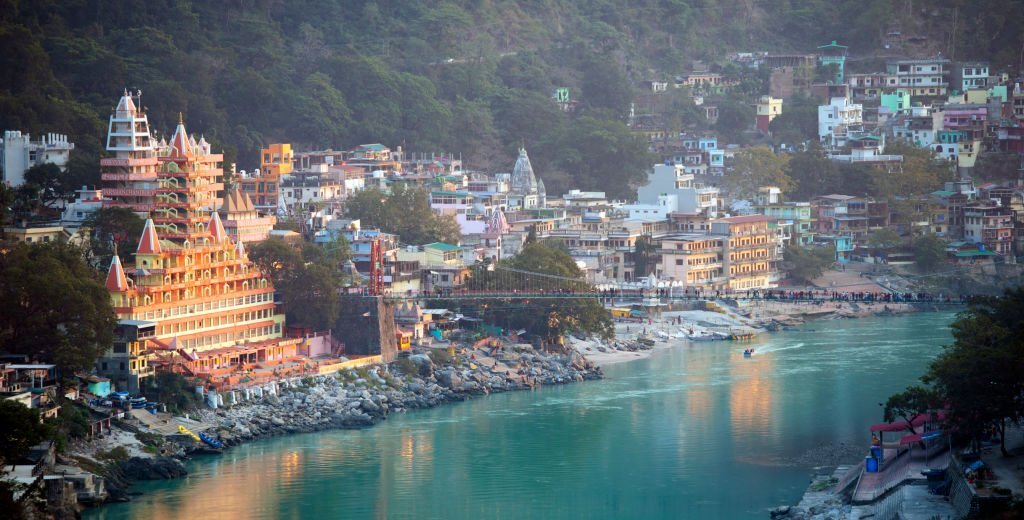
    Rishikesh, nestled in the foothills of the mighty Himalayas, is a tranquil haven that weaves spirituality and natural magnificence into an intriguing tapestry. This sacred village, embraced by the Ganges River’s soothing embrace, emits a timeless atmosphere of mysticism and peace. Rishikesh, known as the “Yoga Capital of the World,” attracts seekers, adventurers, and environment lovers with its numerous attractions.

    Rishikesh by Road:

    Delhi and Rishikesh are connected by a scenic, 6-7 hour trip. Take the NH334 road, which passes through lovely villages and picturesque countryside. The drive provides an opportunity to take in the ever-changing beauty and stop at handy locations along the way.

    rishikesh

    Rishikesh by train:

    From New Delhi Railway Station, take a train to Haridwar, which is close to Rishikesh. You may get to Rishikesh from Haridwar by taking a quick 30-minute cab or bus ride. Train travel is relaxing and beautiful, allowing you to take in the beauty of the surrounding area.

    Rishikesh By Air:

    Jolly Grant Airport in Dehradun is the one that is most convenient for Rishikesh. Rishikesh can be reached after a 45-minute journey from Delhi’s Indira Gandhi International Airport through flights to Dehradun. For those looking for a quicker approach, this choice is good.

    Places to visit in Rishikesh:

    “Laxman and Ram Jhula:

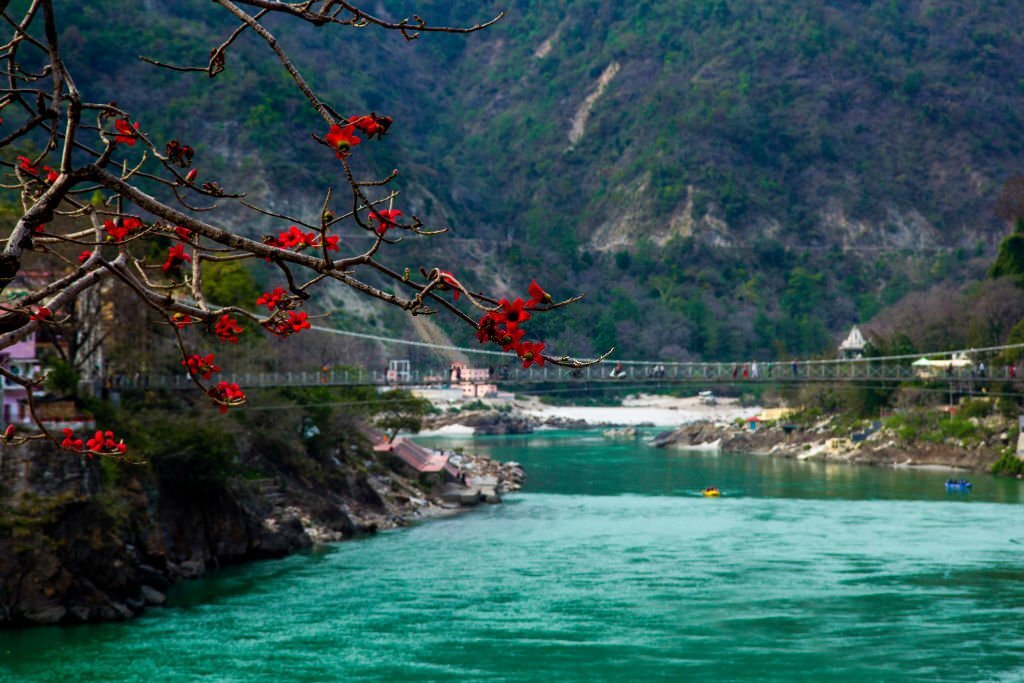
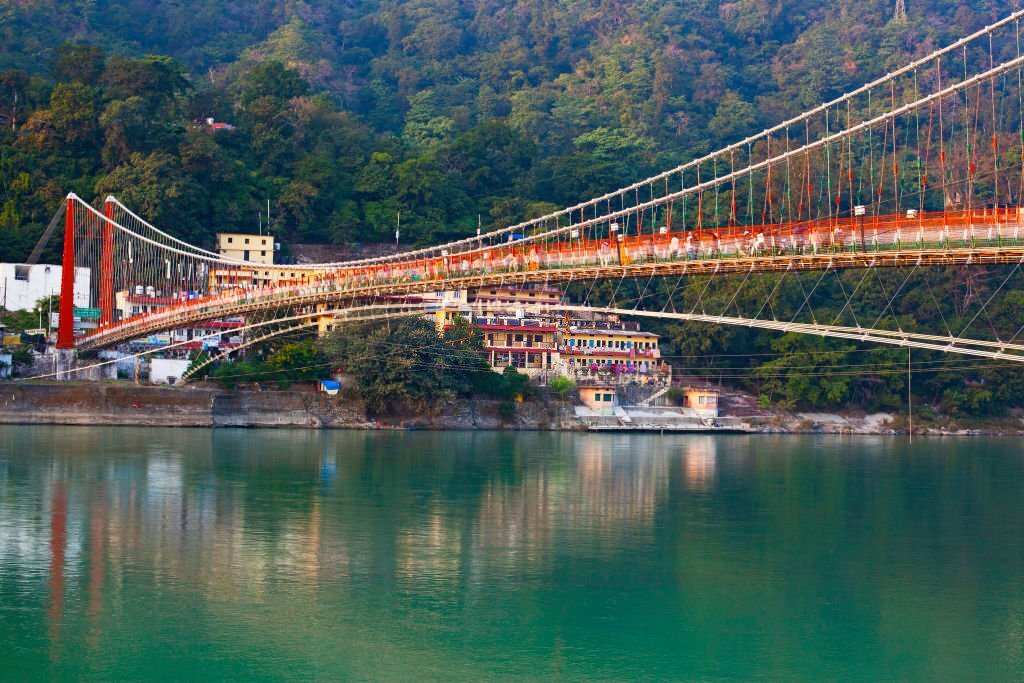
    With beautiful carvings, the Ganges is crossed by serene suspended footbridges. Inviting thought and investigation, these well-known Rishikesh locations combine spiritual tranquility with expansive views. They represent the deep essence of this Himalayan sanctuary and are a gateway to ages-old legends, thriving markets, and riverside rites.

    Rishikesh

    Beatles Ashram :

    Beatles Ashram, also known as Chaurasi Kutia, is a wonderful combination of history, art, and tranquility that is tucked away in the center of Rishikesh. This serene refuge still carries the melodies and hushed reflections of the iconic Beatles, who used to retreat here on their quest for enlightenment.

    Triveni Ghat :

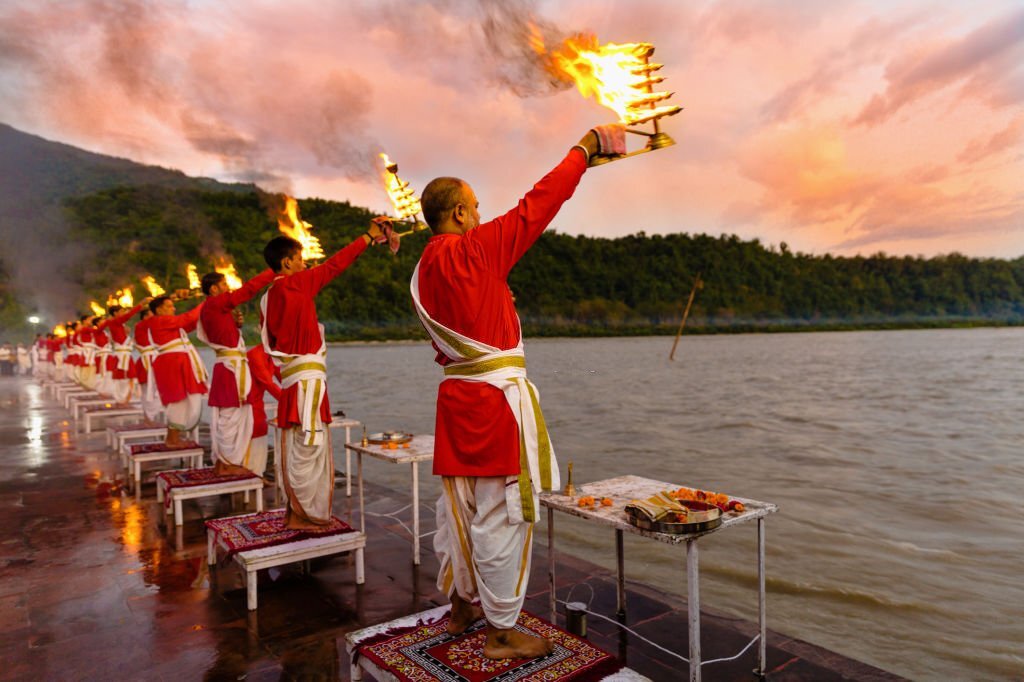
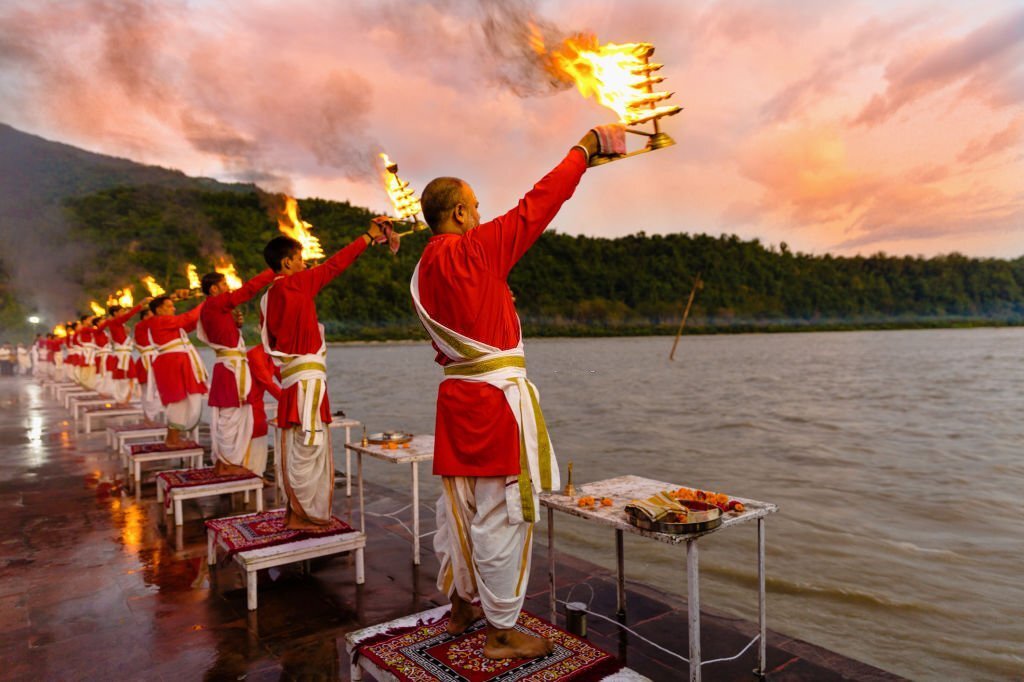
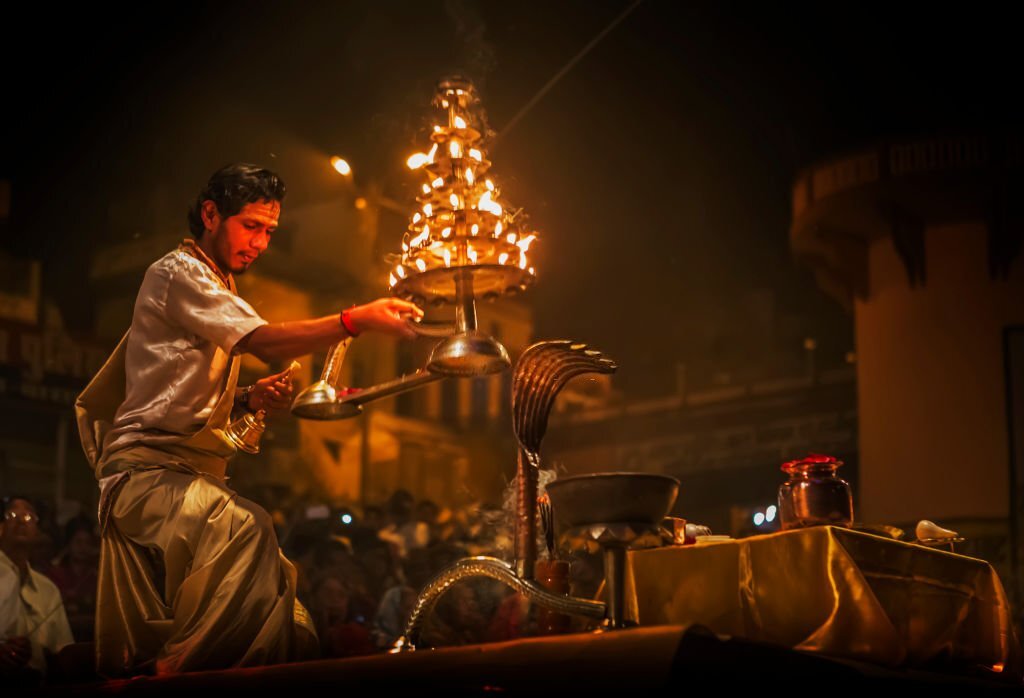
    Triveni Ghat, a timeless example of Rishikesh’s spiritual tradition, lies tucked away on the banks of the revered Ganges. The nighttime Ganga Aarti, a mesmerizing ritual of light and melody that honors the river’s sacred spirit, brings life to Triveni Ghat’s calm atmosphere. As worshippers pour their cares into the flowing waters, the flickering lighting and uplifting chanting weave a beautiful tapestry.

    Rishikesh


    Parmarth Niketan :

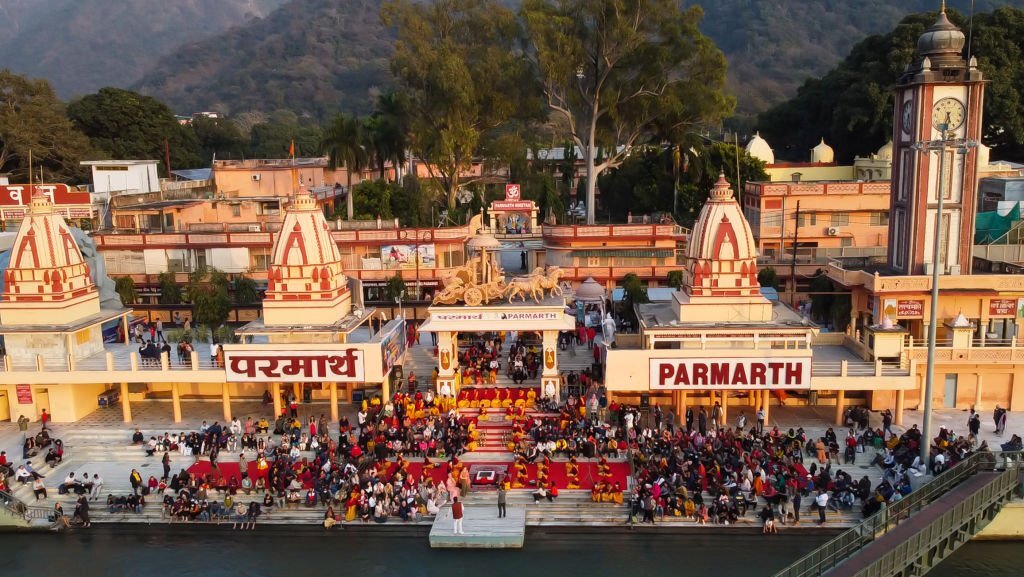
    Parmarth Niketan is a revered ashram that calls wanderers and seekers to set out on a path of self-discovery and inner transformation. It is tucked away on the banks of the holy Ganges. In this oasis of calm, guests can escape the busyness of the outside world and explore the depths of yoga, meditation, and spiritual teachings. During the stunning Ganga Aarti ceremony, the calm riverbanks transform into a stage for adoration and reverence, the heart of Parmarth Niketan comes alive.

    Rishikesh


    Neelkanth Mahadev Temple :

    Neelkanth Mahadev Temple is a cherished safety of devotion and peace nestled among the lush embrace of Rishikesh’s natural splendor. This ancient Shiva shrine invites pilgrims and seekers alike to go on a peaceful journey along scenic routes that lead to divine enlightenment.

    Activities to do in Rishikesh :

    Yoga and Meditation: Experience the town’s yogic tradition through expert-led classes and peaceful meditation sessions.

    Aarti of the Ganges: Witness the enthralling nightly ritual along the Ganges as lamps brighten the river during prayer.

    Activities for Adventure: Set out on thrilling white-water rafting, walking, and camping trips through breathtaking scenery.

    Explore Ashrams: Discover the spiritual character of the area by visiting prominent ashrams such as Parmarth Niketan and Sivananda Ashram.

    Sunsets that take your breath away: Take in the tranquillity of sunset from Laxman Jhula, which offers a surreal blend of nature and tranquillity.

    Market Walks: Explore colorful markets, sampling local cuisine, handicrafts, and spiritual artifacts.

    Temple Visits: Discover ancient temples such as Neelkanth Mahadev and interact with centuries-old traditions.

    Nature hikes: Relax with leisurely riverbank walks, taking in the tranquil splendor of the Himalayan foothills.

    Places to eat in Rishikesh :

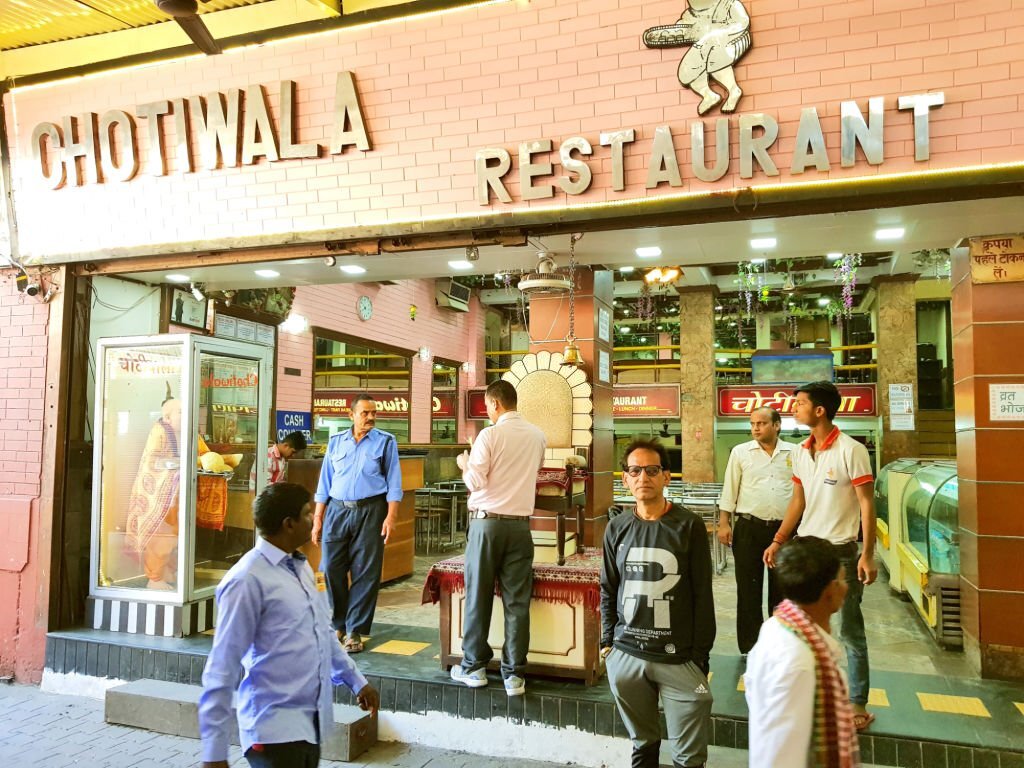
    Chotiwala: Immerse yourself in authentic Indian vegetarian meals beside the Ganges, surrounded by a welcoming environment.

    Tripowe.com

    The Little Buddha Cafe: Enjoy cosmopolitan cuisine on a calm rooftop with magnificent views and a soothing environment.

    The Elephant in the Room: Set against artistic surroundings, embark on a culinary journey featuring a combination of Indian and world flavors.

    Ramana’s Natural Cafe: Enjoy wholesome organic meals that appeal to a variety of interests, all delivered with a side of wellness.

  • Haridwar Travel Guide

    Haridwar Travel Guide

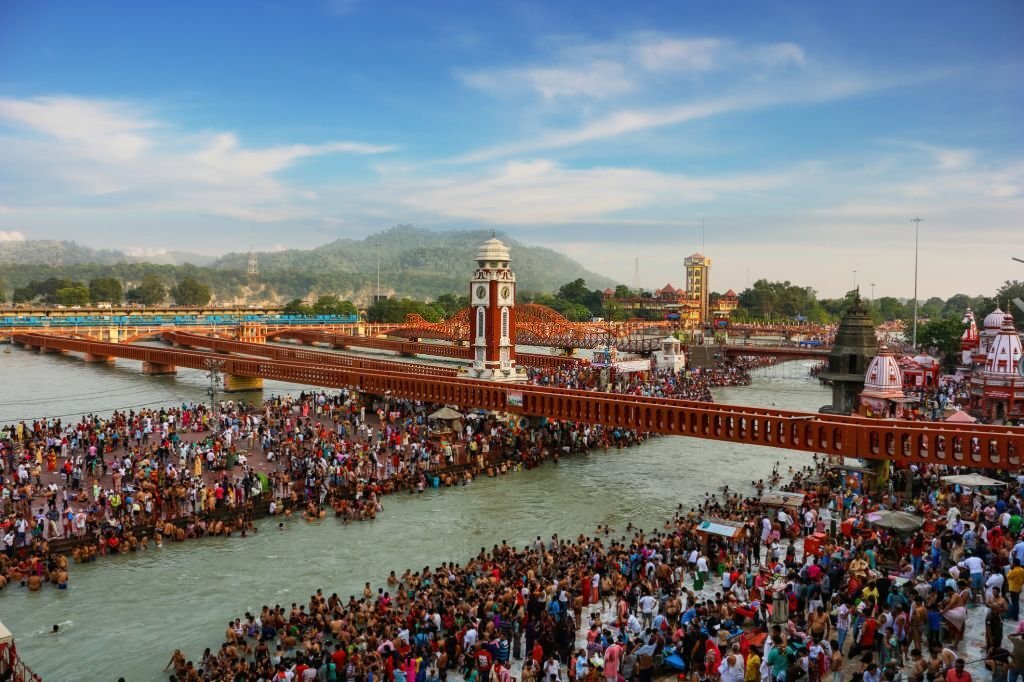
    In the northern Indian state of Uttarakhand, where the Ganges River emerges from the Himalayan foothills, is the historic city of Haridwar, a significant Hindu pilgrimage location. The greatest of several holy ghats, Har Ki Pauri is the location of the nightly Ganga Aarti, a river worship ritual that involves floating little, flickering lamps off the steps. During big holidays, such as the yearly Kanwar Mela, worshipers pack the city, lets continue our Haridwar Travel Guide.

    A Spiritual Journey Along the Ganges: Haridwar Travel Guide

    Introduction:

    Welcome to Haridwar, an ancient city steeped in spirituality and the gateway to the sublime. Haridwar, located on the banks of the sacred Ganges, is a centre of religious fervour, soul-stirring ceremonies, and cultural heritage. This travel guide will take you on a spiritual and cultural tour through Haridwar, revealing its mystical charm and historical significance.

    1. Spiritual Journey:

    Haridwar is well-known for its spiritual significance and is one of Hinduism’s seven holiest locations. Begin your journey in Har Ki Pauri, where every evening the Ganga Aarti is conducted, creating a mesmerising spectacle of lights and devotion. Witnessing this time-honored ceremony is a soul-stirring event.

    Haridwar Travel Guide

    2. Rituals and Ganga Dip:

    Take a holy dip in the Holy Ganges, which is thought to cleanse sins and purify the soul. Along the ghats, you’ll see Sadhus and pilgrims performing various rituals and prayers, adding to the city’s mysterious ambiance.

    Haridwar Travel Guide

    3. Ashrams and temples:

    Visit numerous temples and ashrams to learn about Haridwar’s rich religious legacy. Popular pilgrim destinations include the Mansa Devi Temple and Chandi Devi Temple, which are set above hills with panoramic views. Another must-see location is the Sapt Rishi Ashram, located where the Ganges divides into seven streams.


    Haridwar Travel Guide


    4. Meditation and Yoga:

    Haridwar is also a popular destination for yoga and meditation practitioners. For individuals seeking inner calm and self-discovery, there are numerous ashrams and yoga centres that provide classes and retreats.

    5. Regional Cuisine:

    Traditional North Indian cuisine will help you experience the flavours of Haridwar. The city’s culinary offerings range from street-side chaats and sweets to hefty thalis.

    6. Souvenir Shopping:

    Shop for religious artefacts, handicrafts, and spiritual memories to bring home a piece of Haridwar. The lively markets near Har Ki Pauri and Moti Bazaar provide an abundance of options.

    7. Attractions in the Neighbourhood:

    Excursions to surrounding sights such as Rishikesh, the Yoga Capital of the World, and Rajaji National Park, which is home to diverse species and natural beauty, are recommended.

    8. Festivals and Special Events:

    Visit during important events such as Kumbh Mela or Kanwar Yatra to see the city at its best. The festivities bring brilliant colours, cultural acts, and a sense of divine joy to Haridwar.


    tripowe.com


    Conclusion:

    Haridwar is a spiritual seeker’s dream, delivering a profound connection with the divine and a glimpse into the heart of Hinduism. Discover the spiritual essence of Haridwar along the banks of the venerated River Ganges by immersing yourself in the sacred traditions, ceremonies, and culture of this ancient city.


  • The Jakhu Temple : Touching the Skies of Faith

    The Jakhu Temple : Touching the Skies of Faith

    “Touching the Skies of Faith: The Sacred Peak of Jakhu Temple”

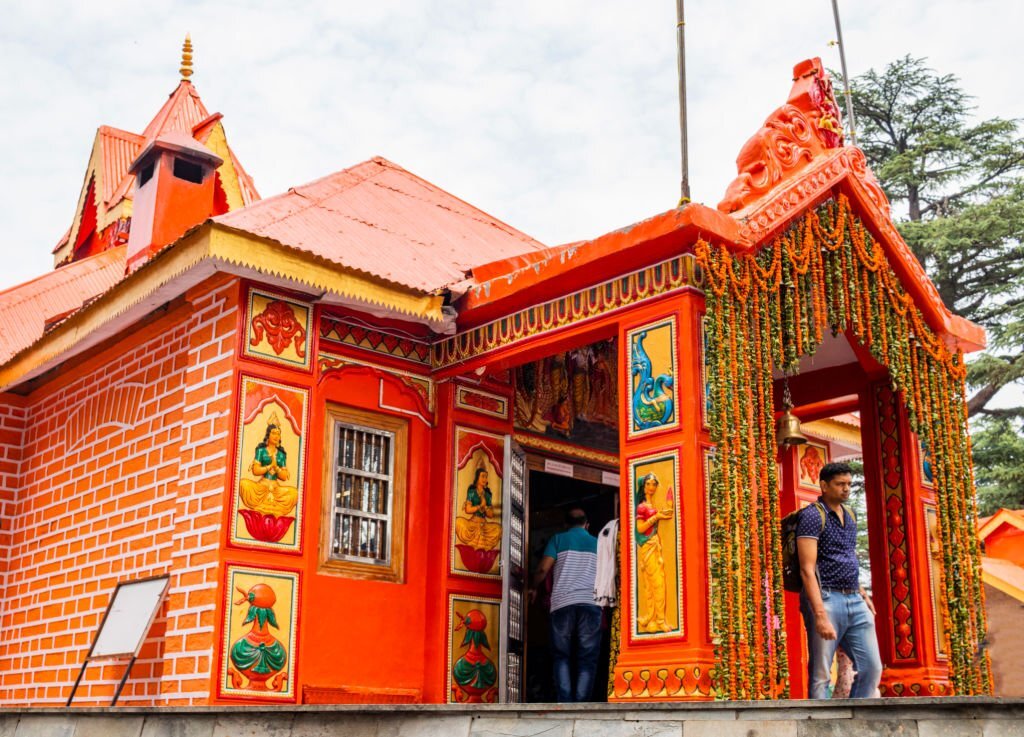
    With an incredible elevation of 8,054 ft, Jakhu Hill in Shimla is not only the highest hill there but also one of the most picturesque. It is located approximately 2.5 km east of the Ridge and is home to the old temple of the Hindu god Lord Hanuman, who is omnipresent.

    The temple dates back to the time of Shri Ram when Lord Hanuman sought Sajivni Booti to revive Lakshmana, Sri Rama’s younger brother, who had fainted. When Meghanad, the son of Ravana, injured himself during the Shri Ram-Ravana conflict in Sri Lanka, Yaksha Rishi, who was at the Jakhu Hill in intense meditation, came down to ask for help.


    Tripowe.com


    Due to the intense air pressure caused by his breathtaking speed, the hill collapsed into the earth as he approached, losing half of its original height. Lord Hanuman descended to the hill and asked the Rishi for knowledge about SnajivaniBooti. After searching, he made the Rishi a promise to revisit him while traveling back to Sri Lanka with SanjiviniBooti, and then he left for Drona Hill.

    But because he needed to get back to Shri Lanka quickly, he chose a different route, leaving the Rishi to wait for him. The Rishi became concerned about his location and the outcome of the mission he was undertaking when he failed to return.

    He was calmed and his fear subsided when Lord Hanuman came in front of him and explained the reason why he had left him behind to return to Sri Lanka with SanjivniBooti. After explaining the situation and reminding him of his fear upon leaving, a tiny idol of Lord Hanuman spontaneously materialized in front of the Yaksha Rishi. The Rishi built a temple there and installed the idol after being struck by the idol’s aura and wanting to keep it devout.

    This temple has been around since those golden days, and thousands of worshippers still gather here every day to do homage to Lord Hanuman. Since the temple was located on Jakhu Hill, it gained notoriety through time as Jakhu Temple, which is today one of the top tourist attractions in Shimla. Visitors and tourists frequently go there to ask for blessings and fulfill their heart’s desires whenever they visit.

    Additionally, when Lord Hanuman set his foot down on Drona Hill to gather the SanjivniBooti, his footprint was so strong that it was traced and is still visible hundreds of years later.

    Thousands of people frequent it frequently to ask for his blessings. Now, locals have built a temple around this footprint to protect it for future generations so that worshippers can go there and receive blessings from their deity.

    A large festival is held here every Dussehra, the Hindu holiday, and thousands of people come from all over the world to attend.

    A large festival is held here every Dussehra, the Hindu holiday, and thousands of people come from all over the world to attend.


    tripowe.com


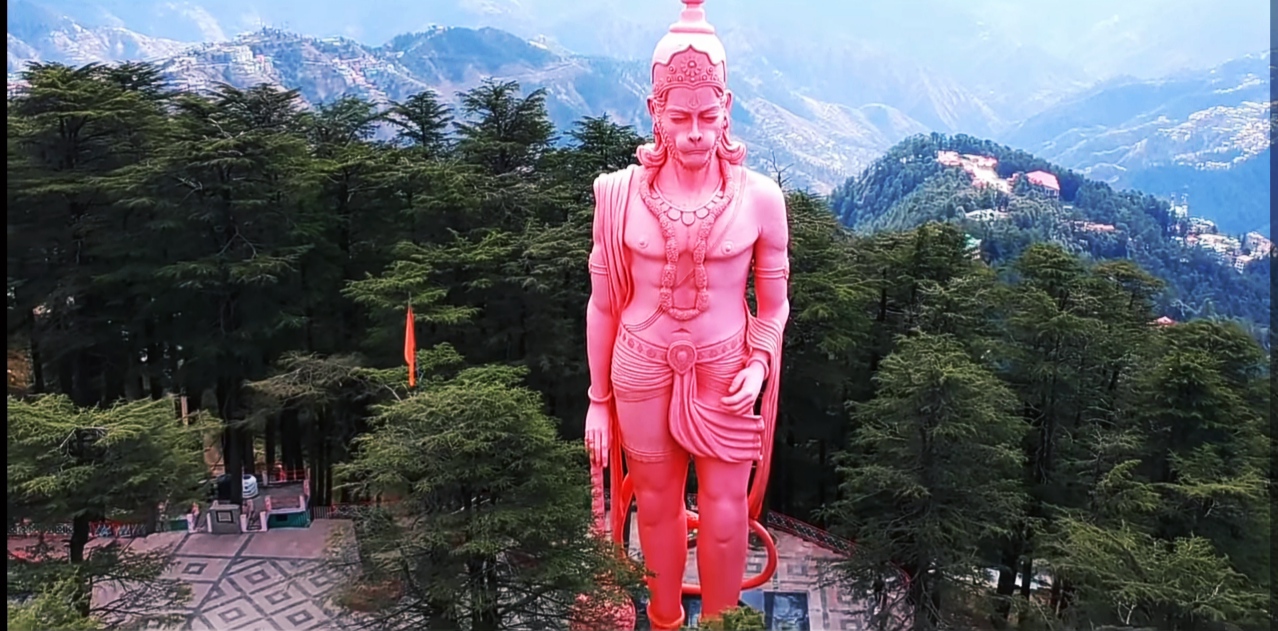
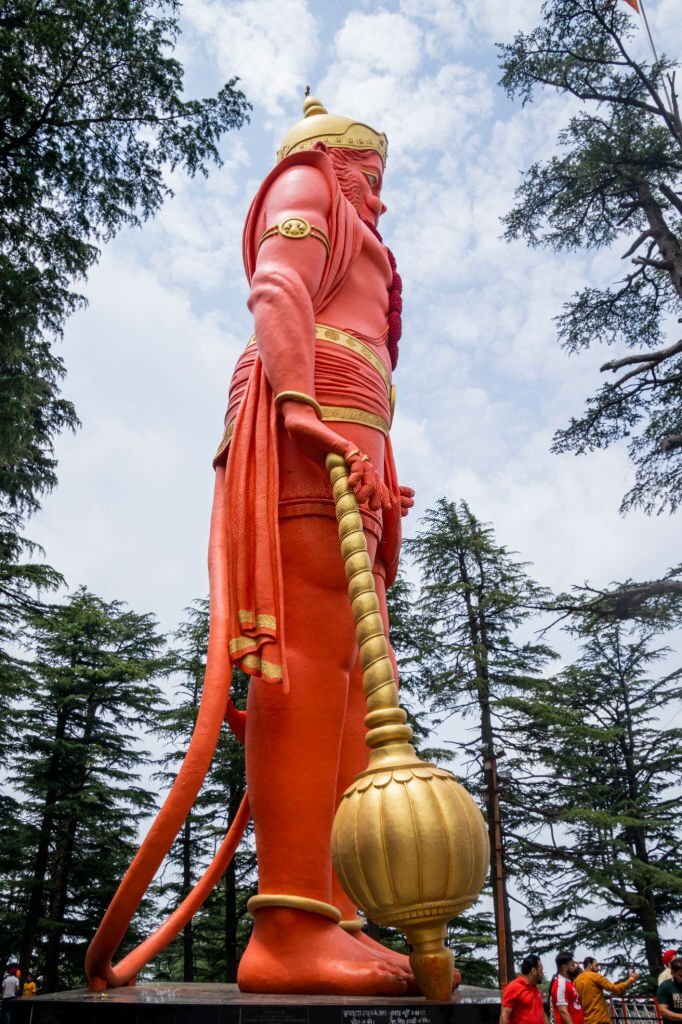
    Back in 2010, a massive 108-foot-tall idol of Lord Hanuman that cost 1.5 crores was also unveiled, enhancing the excitement and awe of the Jakhu temple. This statue is so enormous that it dwarfs the Statue of Christ the Redeemer in Rio de Janeiro, Brazil, which was roughly 98 feet high. It is the highest statue of Lord Hanuman and stands at a height that would surprise you.

    When Should we visit?

    Since it is frequently frequented by tourists and other travelers throughout the year, anyone can come here at any time. One might capture the benevolent scenic beauty of the nearby Shivalik Hills after spending some time in Lord Hanuman’s enduring heavenly atmosphere.

    However, summer is the finest time to visit since during the summer, the area is more vivacious and joyous and comes to life with vigor and excitement, leaving visitors spellbound.

    How to visit?

    The temple is conveniently reachable by taxis, trains, and buses because it is only a few kilometers from Shimla’s cultural center, the Ridge.

    Any adjacent location in Shimla can easily be reached by taxi or cab from the temple. Visitors can also get here on foot, horseback, or pony, which are easily accessible in the area.

    As of 2017, a ropeway known as the Jakhu Ropeway is also accessible for a direct aerial lift from a significant location in Shimla to the temple, cutting the visitation time down to 30 minutes for both the outbound and inbound journeys.

    Since it is just 2 km away, one can descend to Kalka Railway Station and take a cab, which will only take ten to fifteen minutes to arrive here.

  • Ujjain travel blog: its Spiritual Heart

    Ujjain travel blog: its Spiritual Heart

    Ujjain travel blog

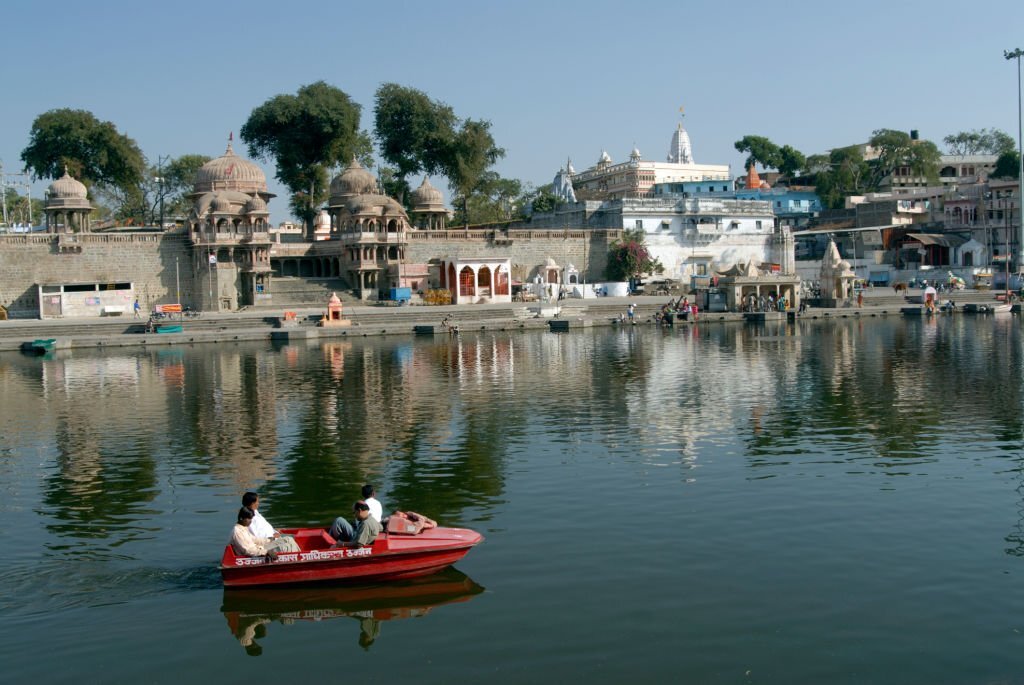
    Ujjain is a beautiful city filled with religious significance and history. Ujjain is a city in the Indian state of Madhya Pradesh that is steeped in religious and cultural significance. It is one of the seven sacred cities of Hinduism and is home to a number of ancient temples and shrines. The city is situated on the banks of the Kshipra River and is believed to be one of the holiest places in India. Here is the Ujjain travel blog for you.

    How do I reach Ujjain?

    You can reach Ujjain by taking a train or a bus from nearby cities like Indore or Bhopal. The nearest airport is Devi Ahilya Bai Holkar Airport in Indore, which is about 55 kilometers away. From there, you can take a taxi or a bus to reach Ujjain.


    Ujjain travel blog


    Famous temples to visit in Ujjain

    Mahakaleshwar jyotirlinga


    Ujjain travel blog


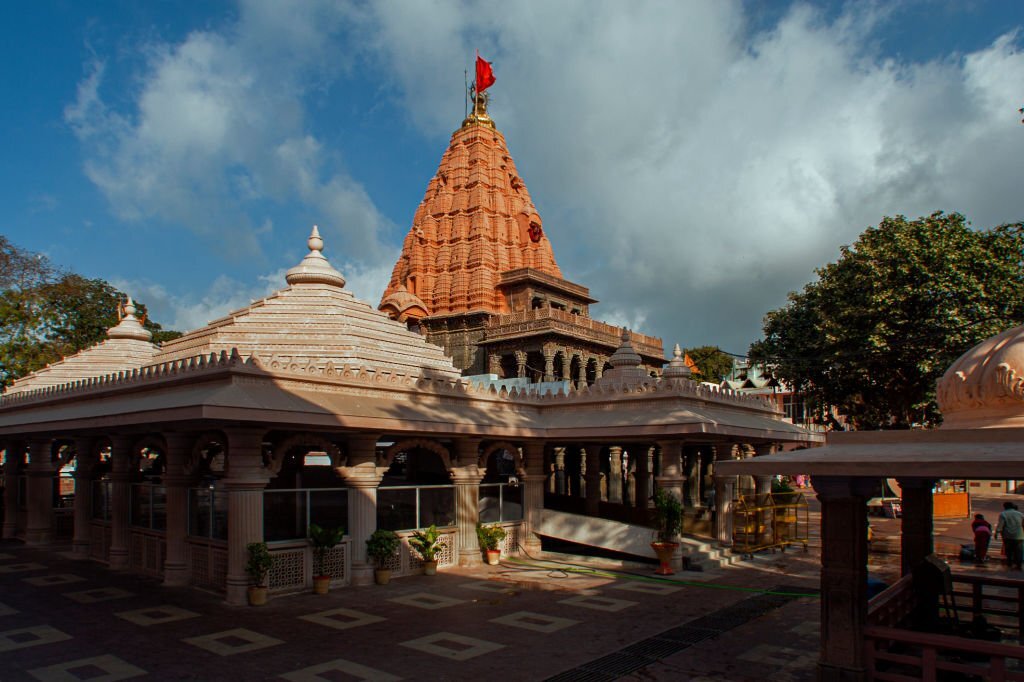
    The Mahakaleshwar Temple is one of the most famous temples in Ujjain and is dedicated to Lord Shiva. The temple is known for its unique architecture and is an important pilgrimage site for Hindus.

    Kal Bhairav Temple

    Kal Bhairav Temple is one of the most significant religious sites in Ujjain, dedicated to Lord Bhairav, a fierce form of Lord Shiva. The temple is believed to be one of the 64 Bhairav temples in India and is considered to be a sacred site for Hindus. The temple is known for its unique architecture, which features intricate carvings and sculptures. It is also famous for its association with the Kumbh Mela, which is held in Ujjain once every 12 years. During the festival, thousands of devotees visit the temple to seek the blessings of Lord Bhairav.

    ISCON Temple

    Another place that you might enjoy is the ISKCON Temple, which is dedicated to Lord Krishna and is known for its beautiful architecture and peaceful atmosphere. If you’re looking for a fun activity, you can visit the Fun World Water Park, which has a variety of water rides and attractions. You can also check out the nearby Kshipra Dam, which is a popular spot for picnics and offers a great view of the surrounding hills.

    ujjain travel blog


    Chintaman Ganesh Mandir

    Chintaman Ganesh Mandir is a famous temple in Ujjain that is dedicated to Lord Ganesha, the elephant-headed god. The temple is located on the banks of the Shipra River and is believed to be one of the most ancient temples in Ujjain. The temple is known for its unique architecture and is an important pilgrimage site for Hindus. The idol of Lord Ganesha in the temple is believed to be self-manifested and is considered to be very powerful.

    Mangalnath Temple

    You can visit the Mangalnath Temple, which is located on the banks of the Shipra river and is believed to be the birthplace of Mars according to Hindu mythology.The temple is located on the top of a hill and offers a panoramic view of the city. The temple is believed to be one of the most ancient temples in Ujjain and is an important pilgrimage site for Hindus. The temple is also famous for its association with the Navratri festival, which is celebrated with great fervor in Ujjain.

    Sandipani Ashram


    ujjain travel blog


    Sandipani Ashram is a beautiful ashram located in Ujjain that is known for its serene and peaceful environment. The ashram is situated on the banks of the Shipra River and is surrounded by lush greenery, making it a perfect destination for nature lovers. The ashram is also famous for its association with Lord Krishna, who is believed to have studied here under the guidance of Guru Sandipani. The ashram is also known for its yoga and meditation programs, which are conducted by experienced teachers.

    Ram Ghat

    ujjain travel blog

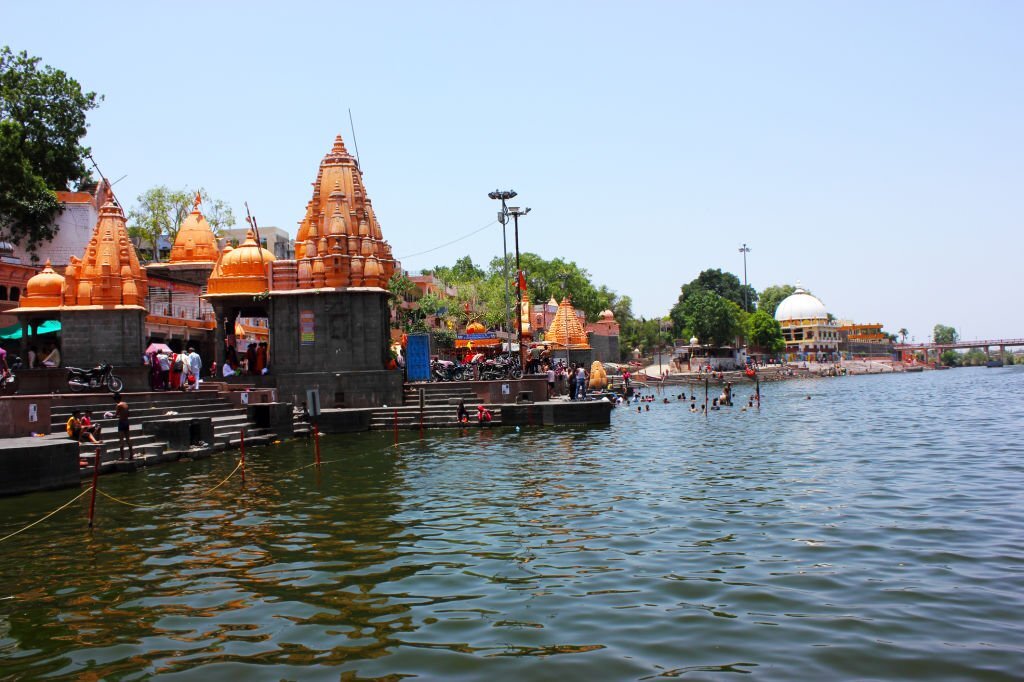
    Ram Ghat is a very famous ghat in Ujjain that is situated on the banks of the Shipra River. The ghat is known for its religious significance and is an important pilgrimage site for Hindus. The ghat is also famous for its stunning architecture and is a popular spot for tourists. Many devotees come to the ghat to take a holy dip in the river and offer prayers to Lord Shiva. The ghat is also a great place to witness the evening aarti, which is a beautiful and spiritual experience.

    ” Kumbh mela : Religious festival of ujjain “

    tripowe.com

    Kumbh Mela is a very famous religious festival that is held in Ujjain once every 12 years. The festival is attended by millions of devotees from all over the world who come to take a holy dip in the Shipra River. The festival is celebrated to mark the victory of good over evil and is an important pilgrimage site for Hindus.

    During the festival, the city of Ujjain is transformed into a vibrant hub of activity with colorful processions, cultural performances, and religious rituals taking place all around.

    Must try dishes of Ujjain

    Ujjain has a rich culinary culture that is sure to delight your taste buds. Some must-try dishes include poha, which is a popular breakfast dish made from flattened rice, and sabudana khichdi, which is a dish made from tapioca pearls and is often eaten during religious fasts. Another local favorite is bhutte ki kees, which is a spicy corn dish that is sure to please. You can also try the famous Ujjaini chaat, which is a savory snack made from potatoes, chickpeas, and tamarind chutney. If you’re in the mood for something sweet, you can try the malpua, which is a sweet pancake-like dish that is often served with rabri. Ujjain is a very spiritual city to travel to, and I hope this Ujjain travel blog is worthy of you.