Category: Religious

  • kamakhya temple Assam: History, Significance, and Travel Tips

    kamakhya temple Assam: History, Significance, and Travel Tips

    kamakhya temple Assam: History, Significance, and Travel Tips

    The Kamakhya Temple is a massive spiritual icon that radiates mysticism, devotion, and architectural magnificence. It is located atop Nilachal Hill in the city of Guwahati, Assam. This historic temple is a respected destination for pilgrims, devotees, and visitors looking to immerse themselves in India’s spiritual culture. It is also a holy place of worship.

    Explore the kamakhya Temple Assam in more detail now

    Religious symbolism

    The sanctum sanctorum, which houses the goddess Kamakhya, is located in the center of the Kamakhya Temple. A yoni-shaped stone used to represent the goddess here stands for the creative and restorative characteristics of the divine feminine spirit. This symbolism draws attention to the temple’s relationship to Shakti worship, a significant Hindu principle.

    How to Get There:

    By Air:

    Lokpriya Gopinath Bordoloi International Airport in Guwahati is the closest airport and has good connections to important Indian cities.

    By train:

    The main rail hub in the area, Guwahati Railway Station, has connections to many Indian cities.

    By Road

    Road connections from Guwahati to other Assam regions and adjacent states are excellent. To get to the temple, you can use a bus, a taxi, or a private vehicle.

    Travel Tips to Explore kamakhya temple Assam

    Ideal Season to Visit:

    The milder months from October to March are the finest to visit Kamakhya Temple. You may skip the monsoon season, which normally lasts from June to September, and the weather is pleasant.

    Temple Hours

    Early morning to late afternoon is the typical opening time for the temple. It is best to confirm the local times before traveling because they may change due to holidays or other special occasions.

    Kamakhya Temple

    Entry charge

    There is no entrance cost to enter the temple, but there are paid choices available if you want to bypass the lines and have exclusive darshan.

    Clothing Code

    It’s crucial to dress modestly and properly because this is a place of worship. It is recommended that both men and women dress traditionally. Wearing improper or exposing apparel should be avoided.

    Exploring the Temple

    Worship of the deity Kamakhya is conducted at the main temple complex. Explore the elaborately carved sculptures, walls, and inner sanctum containing the yoni-shaped stone.

    Wide-angle view

    Visit the back of the temple complex if you get the chance to take in the breathtaking panorama of Guwahati and the Brahmaputra River.

    Cultural Manners

    In the temple complex, photography is normally permitted, however it is advised to get permission before taking images, especially of the god.

    Respectful Conduct

    When inside the temple, keep a reverent and silent attitude. Follow the rituals and traditions that the local believers observe.

    Local Holidays:

    Ambobachi festival :

    This yearly event honors the goddess’ menstrual cycle and is typically held in June. For three days, the temple is shuttered, and it is thought that the goddess takes this time to rest and regenerate.

    local food:

    Don’t pass up the opportunity to sample Assamese food while visiting Guwahati. Try foods like Assam tea, meals made with rice, seafood dishes, and traditional desserts.

    Nearby landmarks:

    Discover Guwahati’s surroundings by visiting Peacock Island, Umananda Island, Assam State Zoo, and Srimanta Sankardev Kalakshetra.

    Accommodation:

    Guwahati provides a variety of lodging alternatives to fit different budgets, including luxury hotels, guesthouses, and inexpensive lodges.

    Safety Advice:

    Respect Local Traditions: Be aware of regional traditions and customs, and respect the place of worship and its followers.

    Travel Protection:

    To cover unforeseeable events, travel insurance is a good idea.


  • Churches in Indore : here is famous catholic churches in indore

    Churches in Indore : here is famous catholic churches in indore

    Churches in Indore : here is famous catholic churches in indore

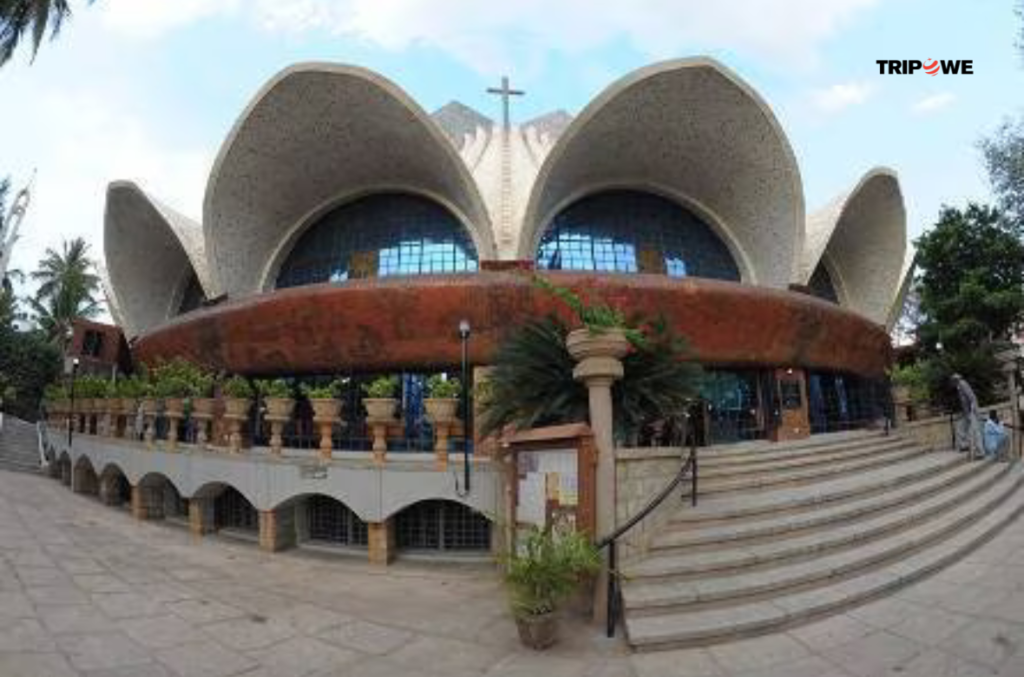
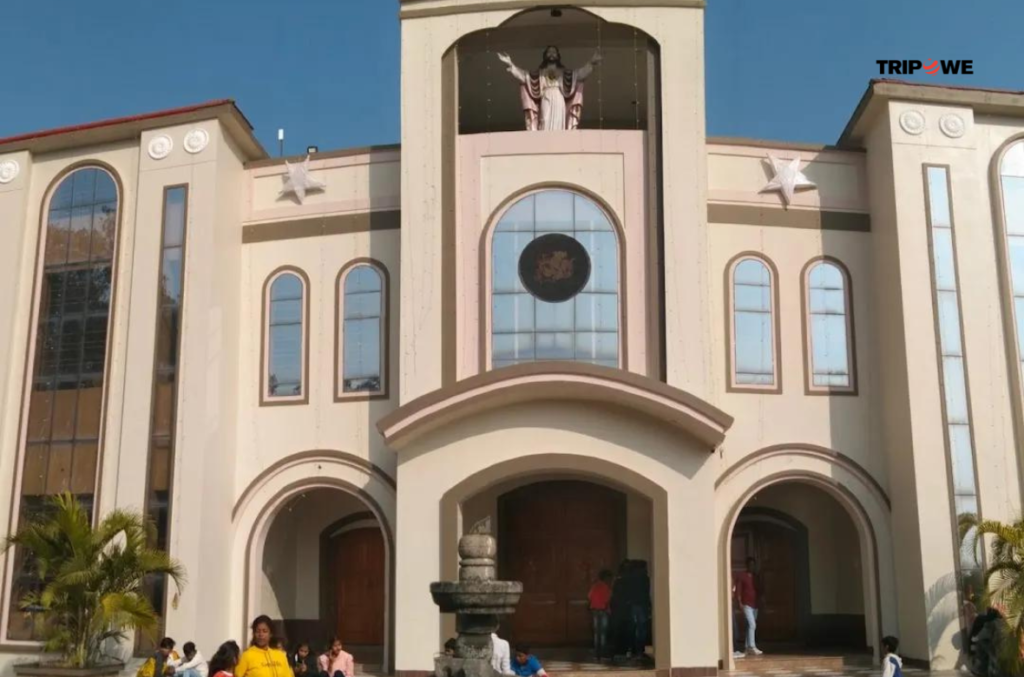
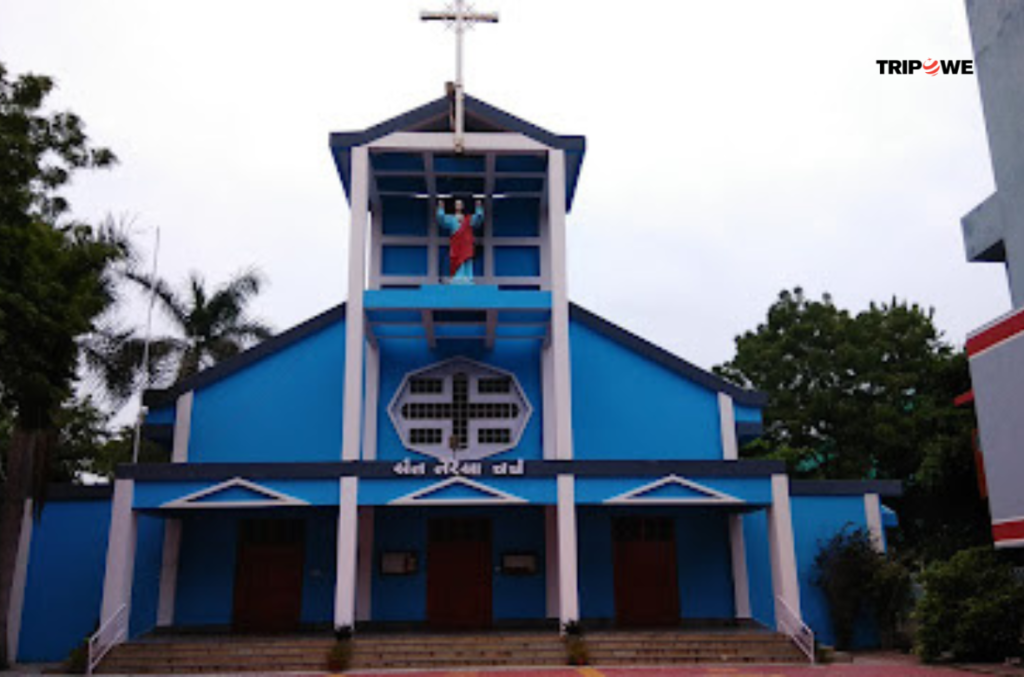
    Indore, a city known for its rich culture and heritage, is home to several historic and significant churches. These places of worship not only serve as spiritual havens for the Christian community but also reflect the architectural and cultural diversity of the city. Each church has its unique history and charm, offering a serene environment for visitors seeking peace and tranquility. you must vist Churches in indore

    Red Church

    Churches in indore

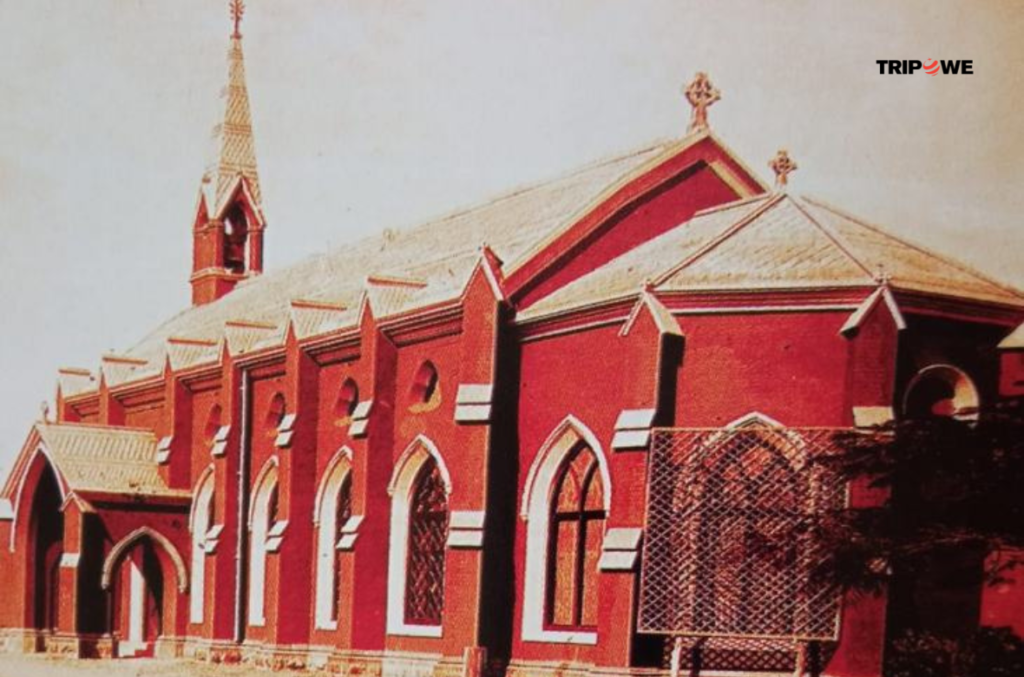
    Located in the heart of Indore, the Red Church stands as one of the oldest and most iconic churches in the city. The red-brick structure, which gives the church its name, symbolizes the traditional colonial-style architecture that was prevalent during the British era. The intricate design of the church, along with its towering bell, attracts both devotees and architecture enthusiasts alike. The Red Church also holds a significant place in the history of Christianity in Indore, serving as a key center for religious activities.

    White Church

    Churches in indore

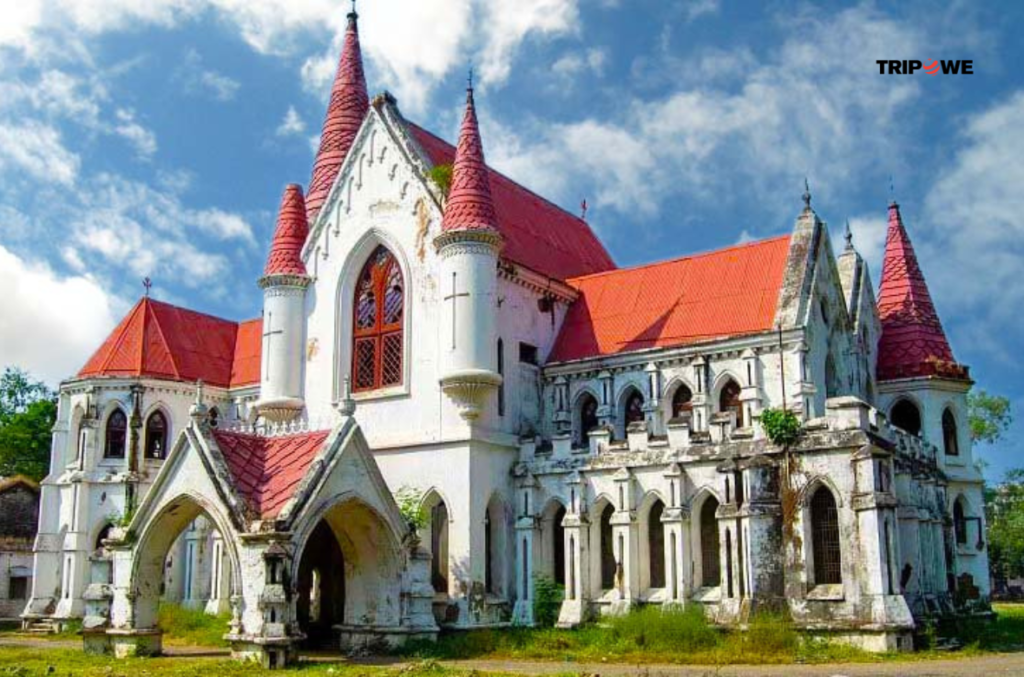
    The White Church, another prominent landmark in Indore, is known for its pristine white facade and serene atmosphere. Built during the British rule, the church has retained its historical charm, with its classic colonial architecture still intact. The large windows and high arches contribute to its graceful appearance, while the lush greenery surrounding the church adds to its peaceful ambiance. The White Church remains a popular destination for both locals and tourists, offering a place of worship as well as a glimpse into Indore’s colonial past.

    St. Joseph Church

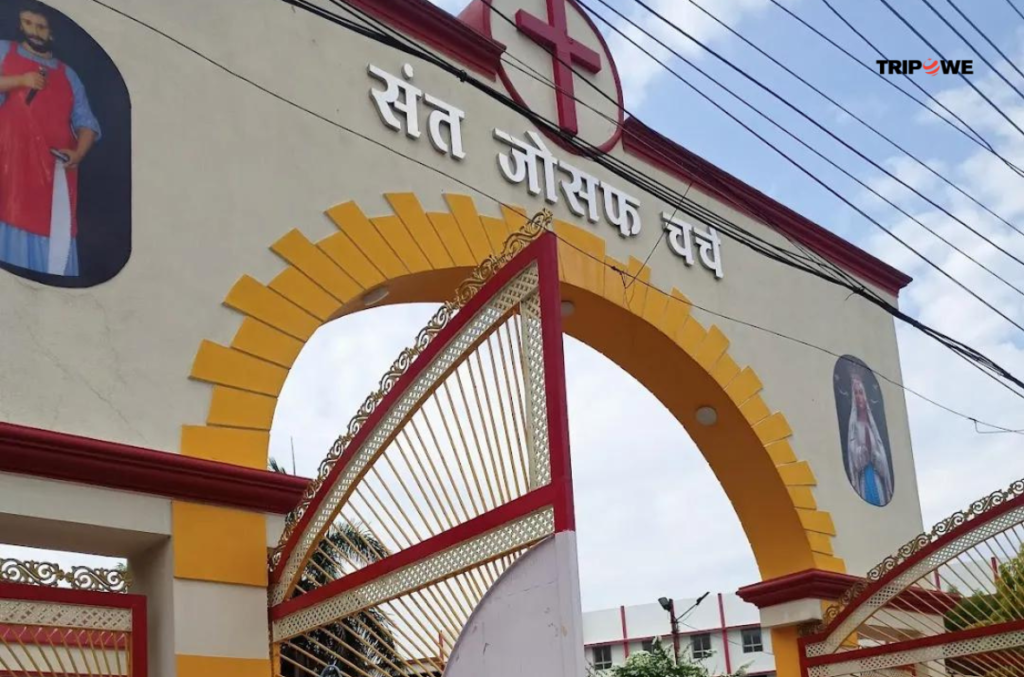
    Situated in the bustling area of Nandanvan Colony, St. Joseph Church serves as a spiritual center for many Catholics in the city. The church is well-known for its active participation in community services and social work, making it more than just a place of worship. The simple yet elegant structure of the church reflects humility and devotion, qualities that are deeply ingrained in its community. The church, with its welcoming environment, continues to be a beacon of faith for many families in Indore.

    Indore Pentecostal Church of God

    Churches in indore

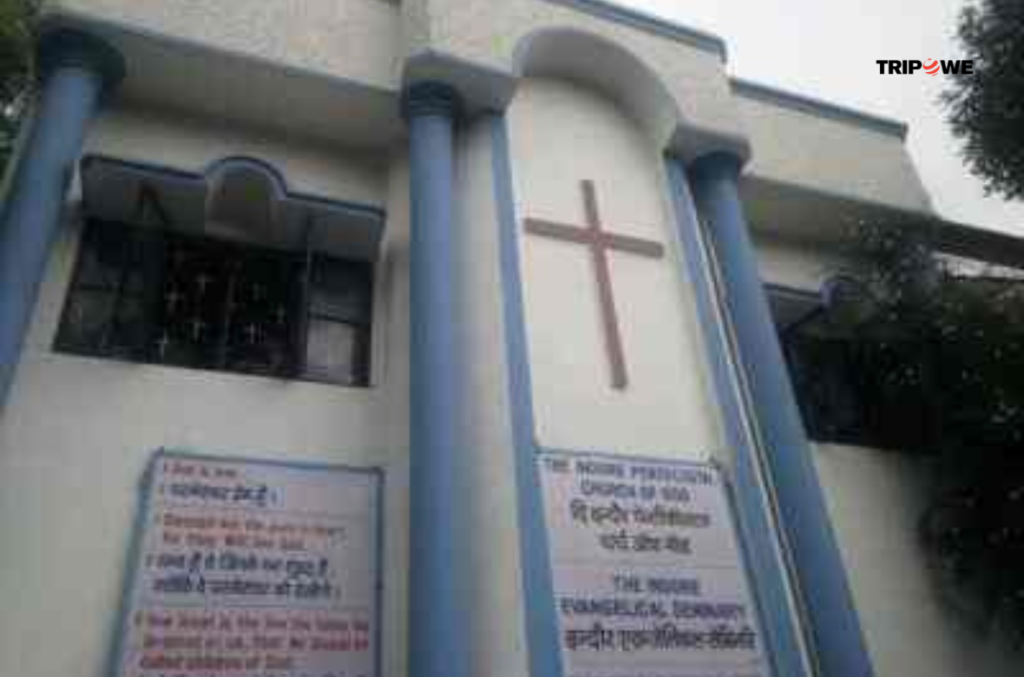
    The Indore Pentecostal Church of God is recognized for its vibrant congregation and lively services. Located in the heart of the city, this church is a center for Pentecostal Christians, offering a dynamic space for prayer, worship, and community gatherings. The modern architecture and spacious interior of the church provide a comfortable setting for worshippers. Emphasis on spiritual growth and communal harmony remains a key focus at the Indore Pentecostal Church of God. you must visit this Churches in indore 

    St. Vincent Pallotti Church

    St. Vincent Pallotti Church stands out for its modern design and vibrant community. Located in Indore, this church is dedicated to St. Vincent Pallotti, an Italian priest known for his devotion to missionary work. The church is often bustling with religious activities and events, making it a lively and active part of the Christian community in the city. The warm, welcoming atmosphere of the church fosters a strong sense of belonging among its parishioners.

    Holy Spirit Church Paalda

    Churches in indore

    Nestled in a quiet corner of Indore, the Holy Spirit Church Paalda offers a peaceful retreat for worshippers. The grotto, built in honor of the Holy Spirit, features a serene atmosphere perfect for prayer and reflection. Surrounded by lush greenery, this church is often visited by those seeking a moment of solitude and spiritual connection. The Holy Spirit Church Paalda holds a special place in the hearts of many, offering a unique blend of natural beauty and divine serenity.

    St. Theresa Church, Pushpnagar

    Located in the Pushpnagar area, St. Theresa Church serves as a prominent religious center for the Christian community. The church, dedicated to St. Theresa, is known for its active involvement in local charitable activities and social initiatives. The simple yet beautiful design of the church adds to its charm, while the large congregation reflects the strong faith of its members. St. Theresa Church remains a vital part of the Pushpnagar community, providing spiritual guidance and support to its people.

    St. Mary’s Orthodox Church

    Churches in indore

    St. Mary’s Orthodox Church stands as a testament to the rich spiritual tradition of the Orthodox Christian community in Indore. The church, with its unique architectural style, offers a distinct cultural experience for visitors. The services conducted here are deeply rooted in Orthodox Christian rituals, providing a glimpse into the religious practices of this ancient Christian denomination. The church is not only a place of worship but also a symbol of the enduring faith of the Orthodox Christian community in Indore.

    Must join our instagram channel click here

    Read this blog Arignar Anna Zoological Park

  • Vaishno Devi Temple : Religious travel guide to this most special temple

    Vaishno Devi Temple : Religious travel guide to this most special temple

    Vaishno Devi Temple : Religious travel guide to this most special temple

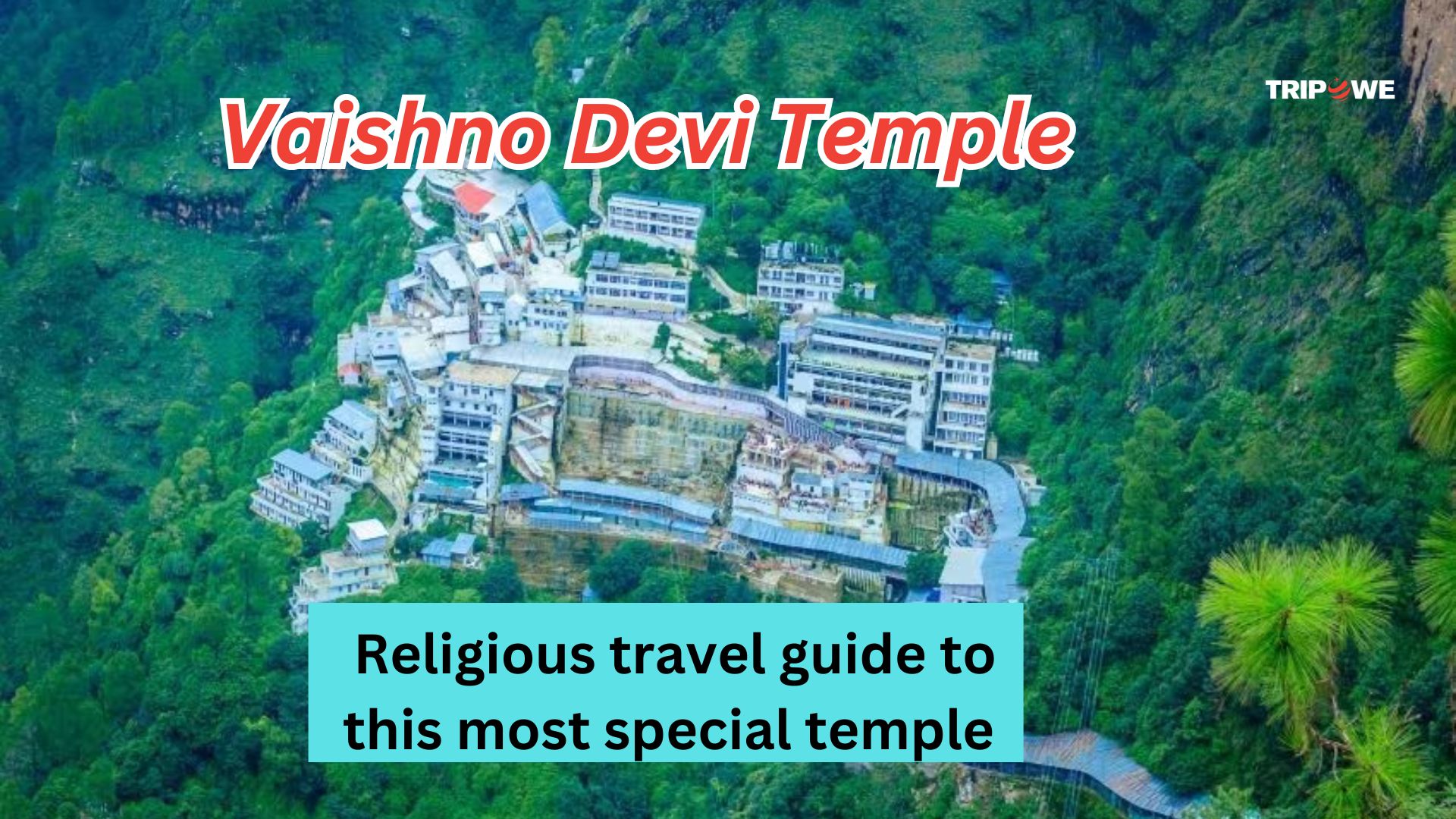
    The most respected Hindu temple and one of India’s holiest sites is the Vaishno Devi Temple. Due to the temple’s location on Trikuta Hills, it is renowned for its magnificence and size.

    It is acknowledged as a Shakti Peeth devoted to Durga, a significant Hindu deity known as Vaishno Devi. Here, the Hindu deities Parvati, Saraswati, and Lakshmi combine to form an amazing force called Mata Vaishno Devi.

    About the Vaishno Devi Temple

    The Vaishno Devi Temple is situated in Jammu and Kashmir’s Reasi district, around 12 km from Katra, a well-known little town, and about 60 km from the city capital of Jammu. Numerous people travel from all over the world to this sacred site in India to seek Vaishno Devi’s blessings (also known as Mata Rani, Jagdamba, Sherawali, Vaishnavi, Ambe, or Durga).

    How to Reach vaishno Devi Temple

    To get to the Maa Vaishno Devi Temple, you must first travel to Katra, which is around 50 km from Jammu. The winter capital of Jammu & Kashmir, Jammu, has excellent transportation to all of India’s main cities.

    By Air

    Jammu Airport, also known as Jammu Civil Enclave, is the closest airport to Katra and is located 50 kilometers away. Major Indian airports including Mumbai, New Delhi, Bengaluru, Chennai, Hyderabad, and Kolkata are all connected to Jammu. Regular taxi and cab services are easily accessible to and from the airport.

    By train

    Numerous trains to Jammu/Katra depart from practically all of India’s major cities. Those are the closest if your train departs from Shri Mata Vaishno Devi Katra Railway Station or Udhampur Railway Station.

    Numerous trains to Jammu/Katra depart from practically all of India’s major cities. If your train stops here, Shri Mata Vaishno Devi Katra and Udhampur Railway Stations are the closest; otherwise, Jammu Tawi Railway Station is the best choice.

    1.5 miles separate from Shri Mata Vaishno Devi Railway Station and Katra, and 51 km separate Jammu Tawi Railway Station and Katra. It is simple to arrange transportation to and from Katra from these train stations.

    By Bus

    Buses to and from Jammu to Katra are run by the private sector and the Jammu & Kashmir Road Transport Corporation at regular intervals. From all regions of India, air-conditioned private deluxe buses and cabs are available for extremely reasonable prices.

    Vaishno Devi Yatra weather
    Vaishno Devi Temple

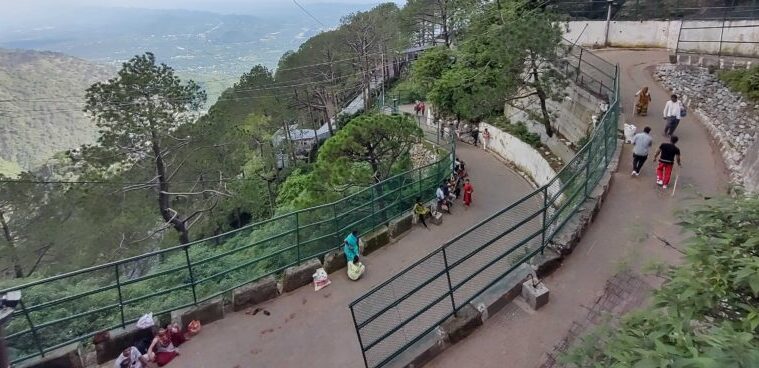
    Katra is situated at a height of 2500 feet above sea level, while Mata Vaishno Devi Bhawan is situated at a height of 5200 feet. It makes sense that there would be a variation in temperature between the two locations given the distance between them.

    In contrast to Katra, the Bhawan will be cooler at the same time.

    Best Season to visit Vaishno Devi 
    Vaishno Devi Temple

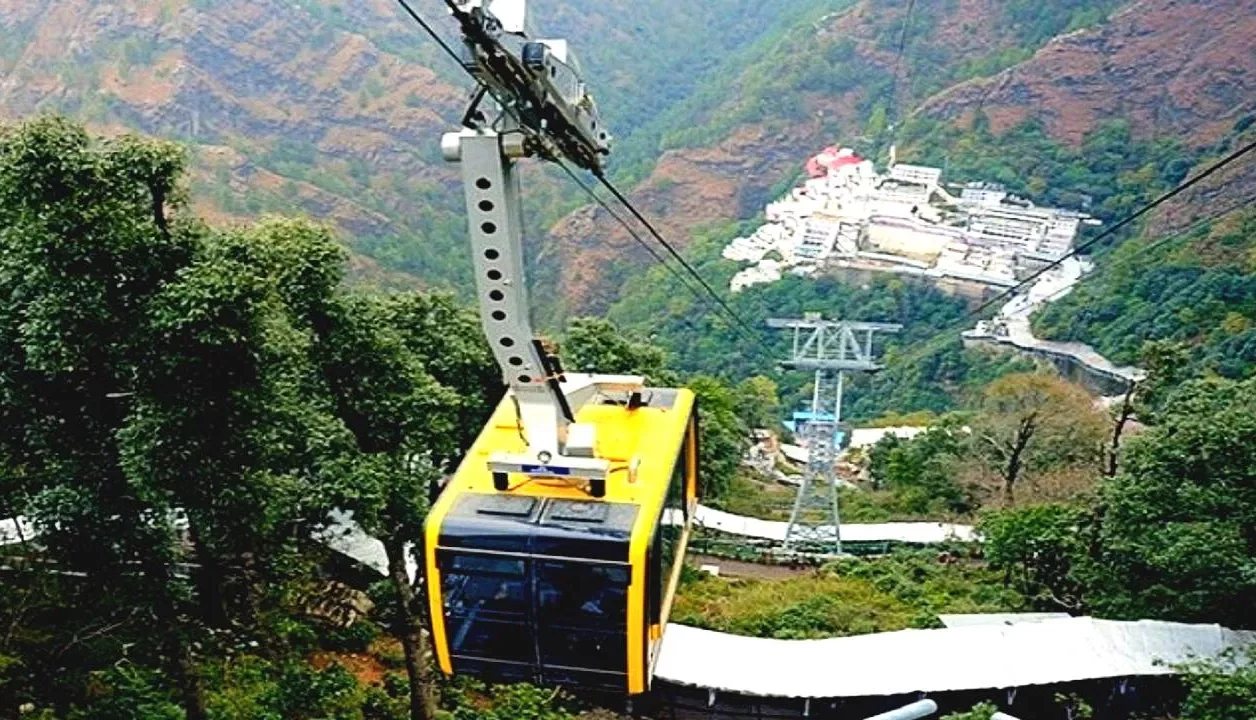
    Vaishno Devi Temple is always open, 365 days a year, and in my opinion, any time is a good time to go.

    The busiest months are from mid-March to the middle of July, when there is a significant influx of followers. May and June see an increase in traffic as a result of school and college holidays, and more people come for Darshan with relatives.

    The Vaishno Devi Shrine Board states that the daily Yatra capacity is normally 50,000.

    In any case, you will be added to the waiting list if you exceed the capacity, depending on the circumstances. We humbly request that you should arrange your travel appropriately to avoid a huge swarm of pilgrims.

    Mid-July to September: Because to the regular landslides, abrupt mudslides, and road closures caused by heavy rain in Katra during these months, visiting Vaishno Devi is challenging. Although it is off-season, those looking for low-cost travel and significant lodging discounts  like to come during this period.

    Due to the Navaratri festival in October, the temple receives a large influx of pilgrims from both domestic and foreign locations. The crowd begins to decrease during and after Diwali, which will be observed on October 24, 2022.

    If you are in good physical shape, plan your trip for mid-November or from December to January. The temperature drops below zero at this time, and there may be a lot of snowfall. In spite of the bad weather, pilgrims organise their trips to the temple in order to have a special spiritual experience. If you enjoy taking pictures, you should not skip your visit these days.

    The most significant and required task for every pilgrim visiting Vaishno Devi is registering. You can register either offline at the Yatra Registration Counter (YTC) at Katra Chowk, which is available around-the-clock, or online through the organization’s official website and mobile application, “MATA VAISHNODEVI APP (10MB). For free, formal online registration, adhere to these steps:

    Click “Online Yatra Parchi” on the Shri Mata Vaishno Devi Shrine Board website (www.maavaishnodevi.org).

    Read all of Yatra’s terms and conditions in full before checking the box at the bottom to accept these guidelines.

    Please enter your username and password if you have registered.

    Become registered if not already. You will receive Devotee Registration Details on your registered device as soon as you entered the necessary information.

    Please enter your username and password if you have registered.

    Become registered if not already. As soon as you completed the necessary information, Devotee Registration Details were sent to your registered email address.

    ‘Yatra Parchi’ can be accessed by clicking.

    To find out if there are any openings, choose the Yatra date and the number of pilgrims (up to 5 at once).

    Proceed to the next step, provide your information, and book. Take a printout by selecting “Generate Yatra Parchi” and clicking.

    Please present this Yatra Slip at the Banganga Yatra Checkpoint and at Bhawan to receive the group number.

    This reservation sheet will be valid with the original ID evidence that the devotee(s) mentioned at the time of booking.

    Click here

    Vaishno Devi  temples Yatra

    The symbol of devotion and faith is Mata Vaishnavi. Let us inform you that there are a number of temples and sights on the road to your final destination as you begin your journey with the blessing of Mata Rani. You will also find free medical facilities along the way in case of an emergency.

    Banganga

    On the route to Vaishno Devi Temple, the three-peaked Trikuta Mountain is seen (Ajay Kumar Jana).

    Ajay Kumar Jana’s photograph of the three-peaked Trikuta Mountain while travelling to Vaishno Devi Temple

    For pilgrims who travel on foot to the Bhawan, Banganga is the first significant location. The Ganga is India’s holiest river, and Ban signifies arrow. When Maa Vaishnav and Langoor-Veer/Monkey were travelling to the goddess’ residence in the Trikuta Hills, it is said that they became thirsty. The goddess then discharged an arrow at this location, and water spilt out.

    Temple of Charan Paduka
    Temple of Charan Paduka

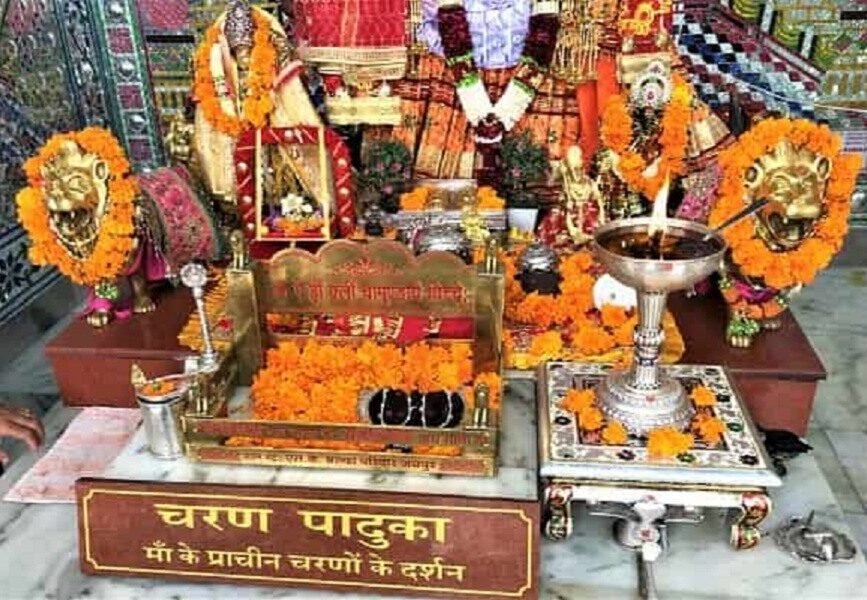
    The second stop on the journey to Bhawan is the historic temple of Charan Paduka. According to legend, the goddess Maa Vaishnav stopped here and turned back for the first time to check whether Bhairon Nath is following her or not. The footprints of the deity are visible to pilgrims.

    The Adhkuwari Mata Gufa

    Due of Bhairon Nath’s pursuit, Maa Vaishnav is said to have pondered in a cave for nine months. When he eventually caught up with her, the goddess cut a hole in the wall with her trident and decapitated him in the shape of Mahakali, her harshest manifestation. Finally, Maa Vaishnav arrived at Bhawan, which is now referred to as her residence. Halfway to the Vaishno Devi Temple is Adhkuwari.

    Temple  Vaishno Devi

    Vaishno Devi Temple, a divine and highly regarded Hindu temple devoted to Maa Durga, a significant deity in Hinduism, is located at a height of 5200 feet. It is one of India’s wealthiest temples. The holy cave in the Bhawan is where pilgrims end their journey.

    Bhairon Baba
    Bhairon Baba, tripowe.com

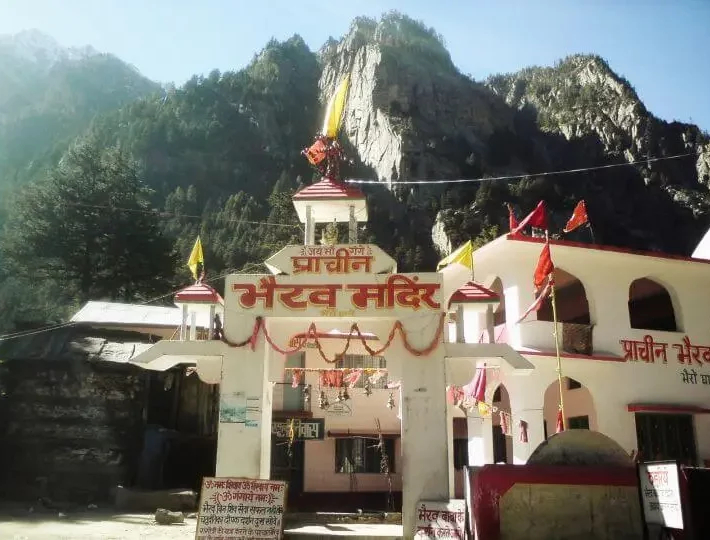
    Bhairon Nath was beheaded, and his head fell farther up the mountain, where it currently rests in the Bhairon Nath temple. His body was kept at the Bhawan.

    After coming to terms with his misdeeds and making amends, the goddess released him from the cycle of reincarnation. She did stipulate, though, that Baba Bhairon Nath’s presence was required for the pilgrimage to be deemed complete.

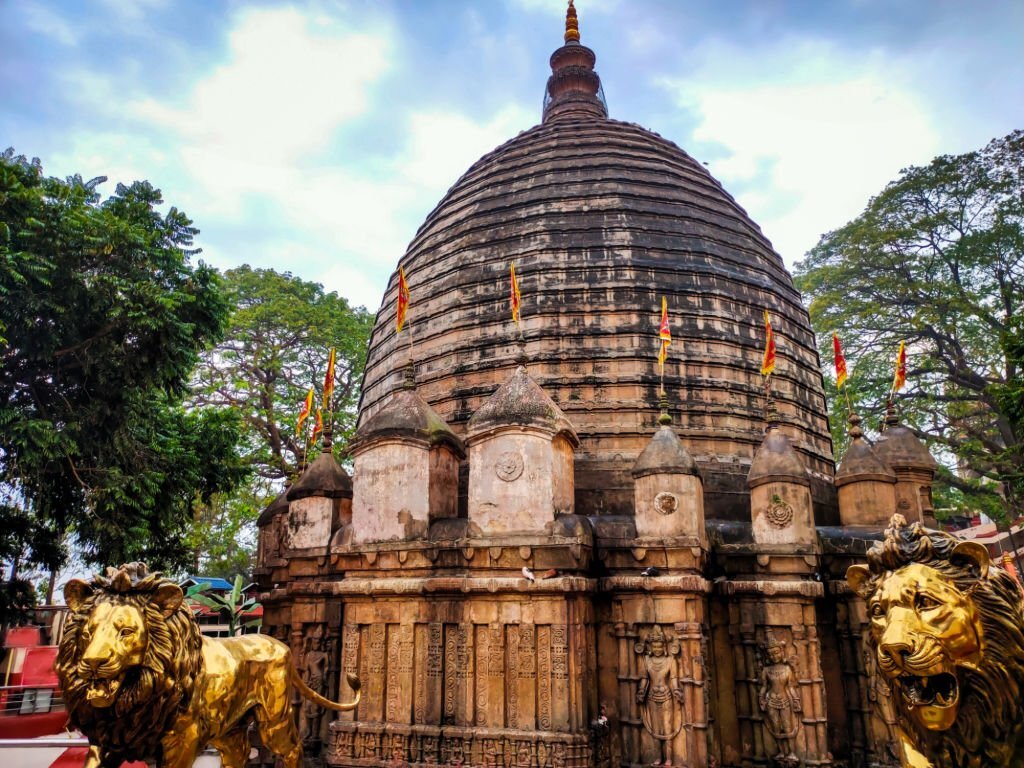
     

  • Kanipakam Ganesh Temple : The Divine Abode of Lord Ganesha

    Kanipakam Ganesh Temple : The Divine Abode of Lord Ganesha

    Kanipakam Ganesh temple: The Divine Abode of Lord Ganesha

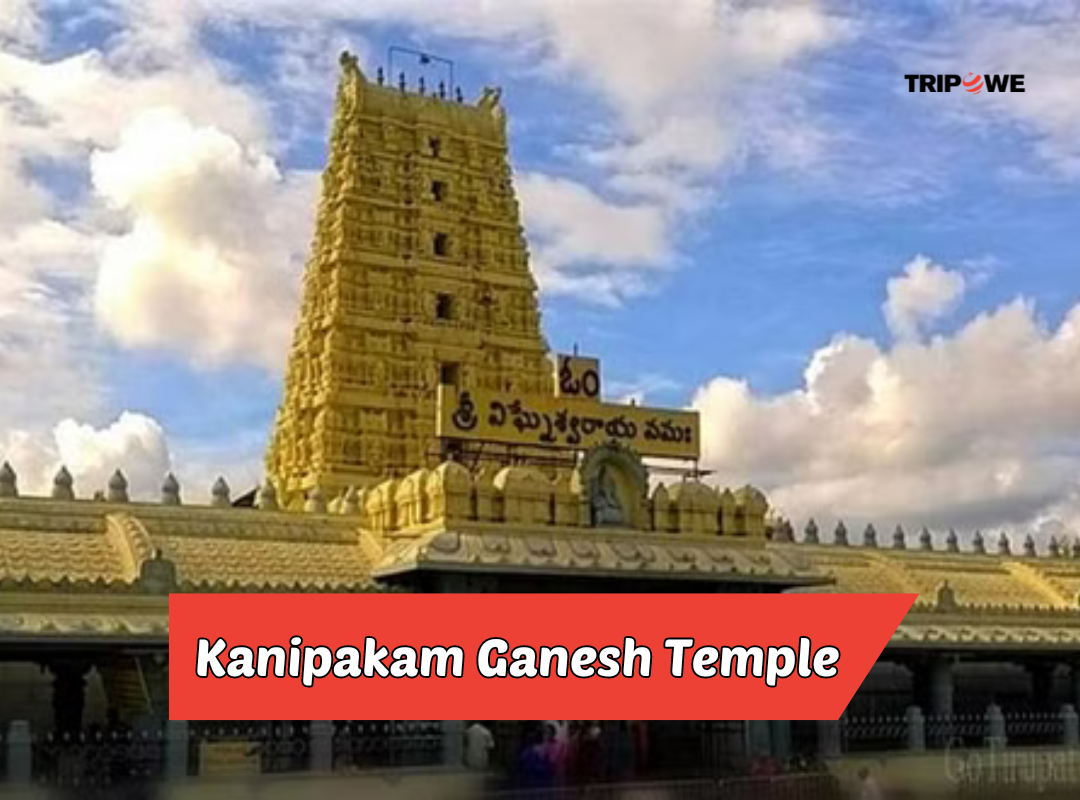
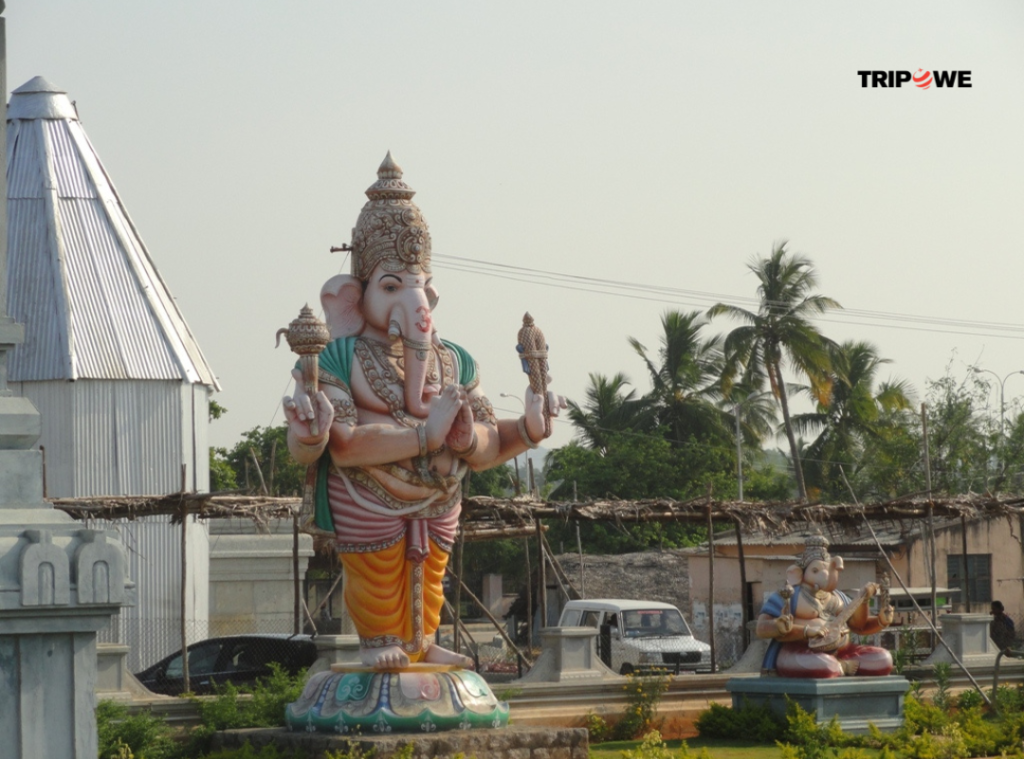
    Kanipakam Ganesh Temple, located in Andhra Pradesh’s Chittoor district, is one of Lord Ganesha’s most respected sanctuaries. This old temple is well-known not just for its spiritual value, but also for its fascinating history and the strong deity it contains. The temple is famed for the self-manifested idol of Lord Ganesha, known as “Swayambhu Vinayaka,” which is thought to have been discovered in the 11th century by the Chola dynasty.

    Kanipakam Ganesh Temple’s History

    The Kanipakam temple‘s past is rich with folklore and mythology. The temple is claimed to have been built by Chola monarch Kulothunga Chola I in the early 11th century. The discovery of the idol is associated with a miracle incident involving three physically deformed brothers. They dug up the soil to obtain water during a drought and discovered Lord Ganesha’s idol submerged in a well. When they saw the idol, their abnormalities were healed, and this wonderful event drew people from all over. The temple was eventually built to house the deity, and it has since become a center of serious spiritual adoration.

    The name “Kanipakam” is derived from the Telugu words “Kani” (wetland) and “Pakam” (flow of water), referring to the constant flow of water that still fills the temple’s well today. The well’s water level remains constant throughout the seasons, adding to the temple’s mysterious air.

    Kanipakam Temple Hours & Visitor Information

    Visitors seeking to seek Lord Ganesha’s blessings at this sacred spot should be aware of the Kanipakam temple hours. Devotees can visit the temple from early morning until late at night, with individual rites having their own time frame. The following are the general timings:

    Morning Pooja: 4:00–5:00 AM

    Darshan timings: 5:00 AM to 9:00 PM.

    Afternoon Break: 12:30 PM – 1:00 PM

    Evening Pooja: 7:30–8:30 PM

    The temple performs various rites, including the Abhishekam (holy wash), Alankaram (decoration), and unique offerings in which devotees can participate. It is best to arrive early in the morning or late in the evening to avoid long lines during peak seasons.

    Another noteworthy component of the temple is its role in resolving conflicts. Devotees believe that Lord Ganesha gives justice in Kanipakam, and many flock here to swear oaths or settle disputes. The truth-seeking ceremonies held here are considered divine arbitration, and anyone caught lying in front of the deity is supposed to be instantaneously revealed.

    Kanipakam Ganesh Temple Festivals & Celebrations

    Kanipakam Ganesh Temple Tripowe.com

    The temple is extremely lively during festivals. The Kanipakam Ganesh Temple’s most prominent event is the yearly Brahmotsavam, which takes place in August or September. This spectacular celebration has processions, special poojas, and cultural activities that draw devotees from all across the country. During the celebration, the temple is adorned with flowers, lights, and elaborate decorations, making it a sight to see.

    In addition to Brahmotsavam, other important events include Vinayaka Chaturthi, when devotees pray to Lord Ganesha for blessings, wisdom, and the elimination of obstacles.

    How to Reach Kanipakam Ganesh Temple

    Kanipakam is well connected by road, rail, and air. The next city, Chittoor, is only 11 kilometers away, and regular buses and taxis are available to get to the temple. The nearest railway station is Chittoor, and Tirupati Airport is approximately 80 kilometers distant, making it accessible to domestic passengers. Visitors can also combine their visit with other local pilgrimage sites, such as Tirupati and Srikalahasti.

    Conclusion

    The Kanipakam Ganesh Temple is more than just a site of worship; it represents faith, miracles, and divine justice. With its ancient history, miracle god, and tranquil settings, devotees can have a profound spiritual experience. Whether you’re looking for blessings or just want to view the temple’s magnificence, a visit to Kanipakam promises to be an unforgettable and changing experience.

    Visits during festivals such as Brahmotsavam can provide even more information about Kanipakam temple timings, history, and ritual details.
    Read our another blog Of the most famous temple of Ganesh Ji Click Here and want to watch in video Click Here 

  • Durga Puja Pandals in Mumbai : Celebrate Durga Puja in Mumbai

    Durga Puja Pandals in Mumbai : Celebrate Durga Puja in Mumbai

    Durga Puja Pandals in Mumbai : Celebrate Durga Puja in Mumbai

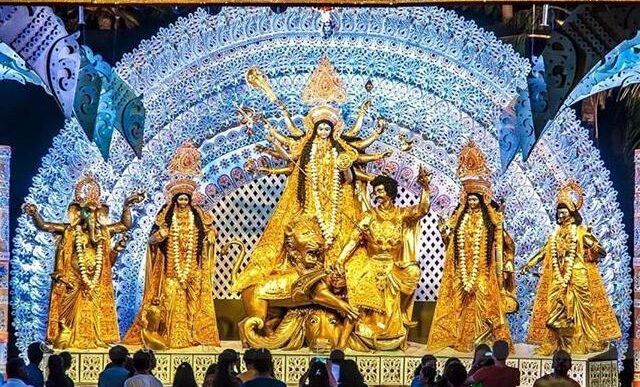
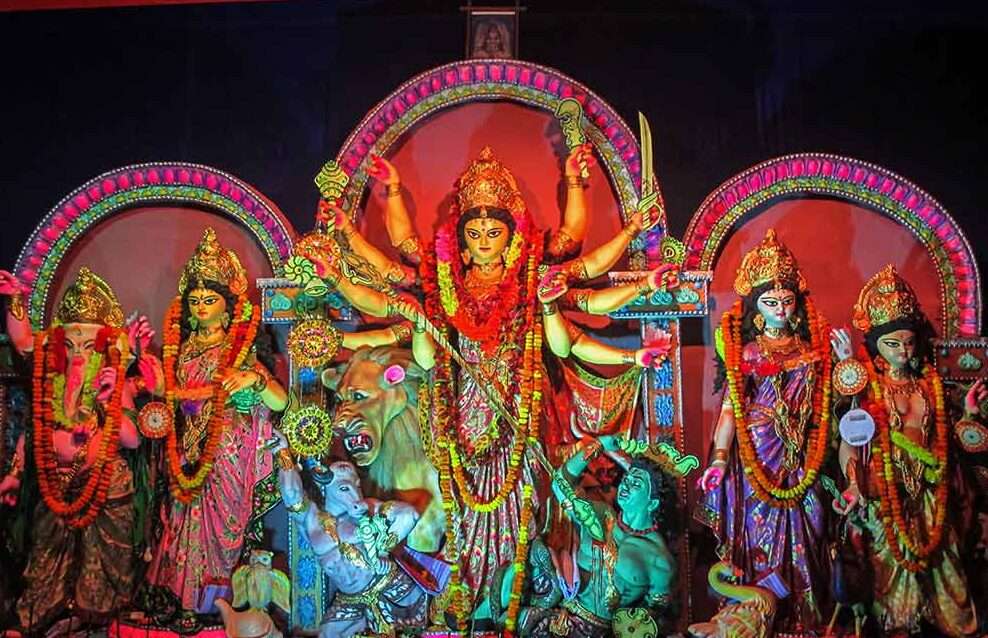
    Durga Puja in Mumbai is a thrilling event that brings joy to both Bengalis and non-Bengalis. The city comes alive as it prepares to welcome Goddess Durga, celebrating her victory over evil. From morning Anjali and afternoon bhog to evening aarti and the vibrant Dhunuchi dance, the festivities are filled with energy. Much like Ganesh Chaturthi, Durga Puja pandals in Mumbai showcase beautiful artistry that reflects Bengali culture. These pandals often compete fiercely, with many bringing in artisans from West Bengal to preserve tradition. Let’s explore some of the best Durga Puja pandals in Mumbai, near top hotels.

    Top Durga Puja Pandals in Mumbai

    Durga Puja Pandals in Mumbai1. Mukherjee Family Pandal, Juhu

    One of the most famous and popular Durga Puja pandals in Mumbai is hosted by the Mukherjee family. At this pandal, you can witness the family serving bhog to everyone, a heartwarming Durga Puja tradition. It’s also the perfect spot to catch a glimpse of celebrities enjoying the festive spirit. Famous artists like Usha Uthup and Honey Singh have performed here. The pandal is located at Hotel Tulip Star on VM Road in Juhu.

    2. Ramakrishna Math, Khar

    Durga Puja Pandals in MumbaiKnown for its traditional Bengali rituals, the Durga Puja celebrations at Ramakrishna Math in Khar have been a 60-year-old tradition. Monks manage the decorations and rituals, keeping the celebrations spiritual and simple. The bhog, food stalls, and bhajan chanting by monks are key highlights. You can also attend the Kumari Puja and browse through the Bengali books in the bookstore. The pandal is located on 12th Road, Khar (W).
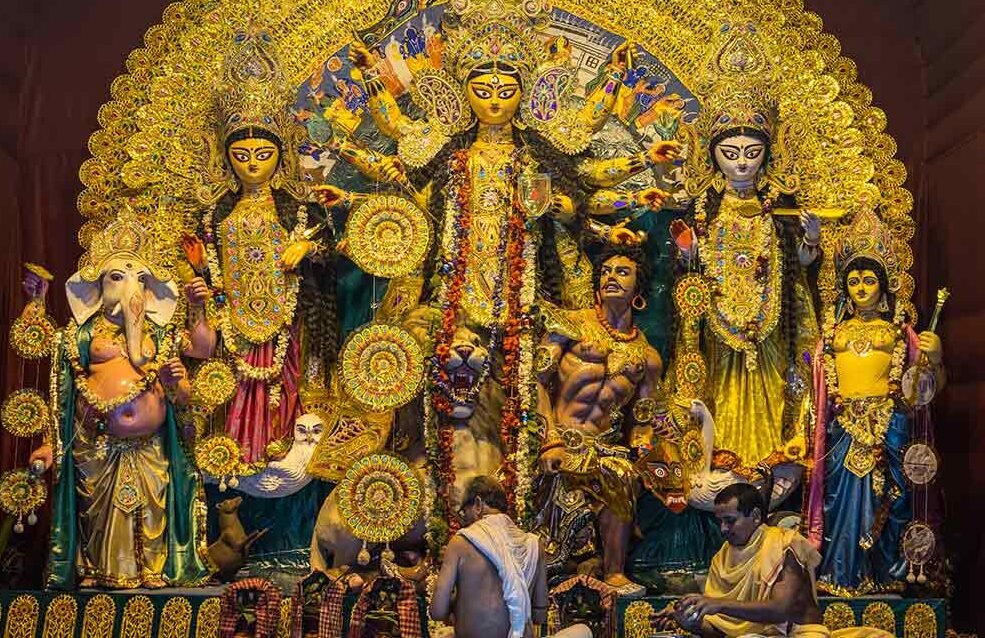
    3. Kalighat Pandal, Dadar

    Catch the activity in DadarOrganized by the Bengal Club, the Kalighat temple in Dadar enhances the Durga Puja experience with idols that have metal finishes and recreations of traditional Paat murals. While maintaining a serene atmosphere, the pandal hosts a children’s program and the famous Dhunuchi dance. You’ll also find delicious Bengali dishes like khichdi and payesh (rice pudding) here. This pandal is known for its grandeur and is located near Shivaji Park, Dadar.
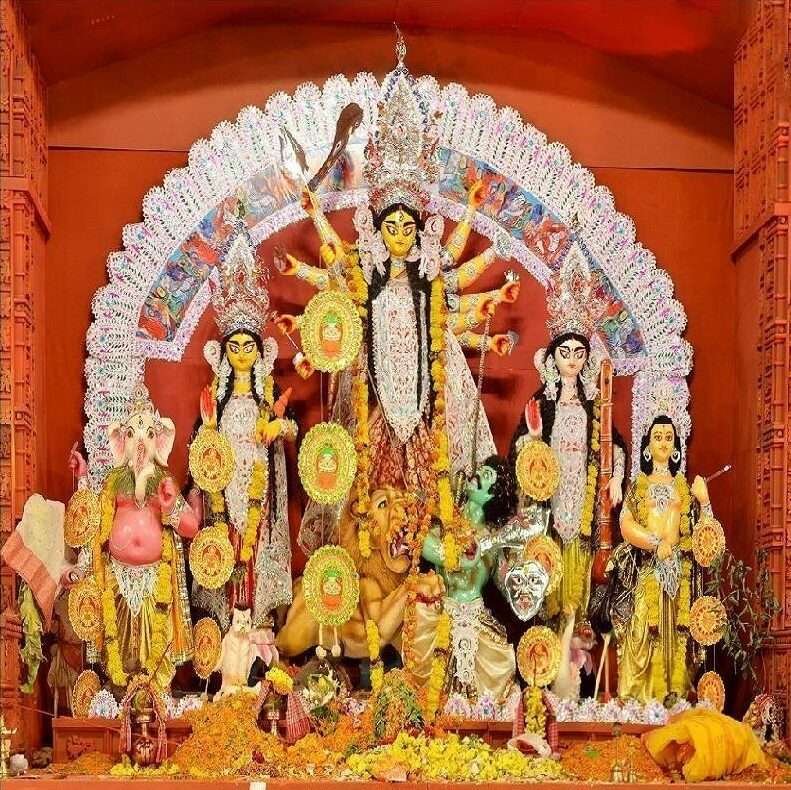
    4. Lokhandwala Durga Puja, Andheri

    Lokhandwala Durga Puja celebrationsCelebrated in Lokhandwala and organized by singer Abhijeet Bhattacharya, this Durga Puja pandal is a visual delight. Famous for its elaborate decorations, it has been described as “Disneyland for adults.” Keep an eye out for the special Dhanuchi dance, performed by dancers brought in from Murshidabad, West Bengal. The pandal is located in Lokhandwala Garden, Andheri (W).
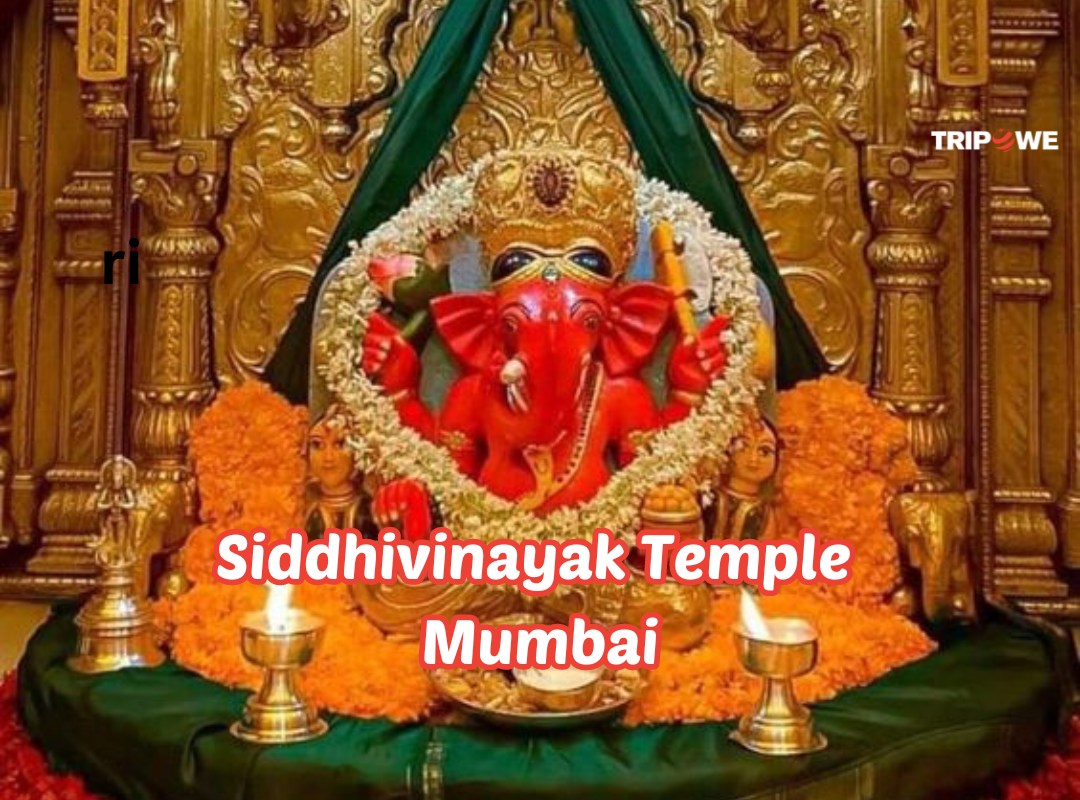
    6. Bombay Durga Bari Samiti, Gowalia Tank

    One of the oldest Durga Puja celebrations in Mumbai, the Bombay Durga Bari Samiti marks its 85th year with a stunning Ekchala idol, featuring gods depicted in a single frame. The decorations use silver foil, known as Dhaaker Saaj, and the pandal will feature performances of Rabindranath Tagore’s compositions, as well as a special appearance by singer Kunal Ganjawala. Don’t miss out on the famous Nalen Gurer ice cream. The pandal is located at Tejpal Hall, Gowalia Tank.

    Experience Durga Puja in Mumbai

    Whether you’re from Kolkata or another part of India, Durga Puja in Mumbai is an event not to be missed. The city’s vibrant celebrations, filled with culture, food, and tradition, offer a truly unforgettable experience. So, join in the festivities, and create lasting memories with your loved ones

    YOU SEARCHED FOR:-TRIPOWE
    INSTAGRAM:-TRIPOWE

  • A Spiritual visit to Siddhivinayak Temple, Mumbai

    A Spiritual visit to Siddhivinayak Temple, Mumbai

    A Spiritual visit to Siddhivinayak Temple, Mumbai

    Mumbai, the city of dreams, is home to one of the most revered temples in India—the Siddhivinayak Temple. On my recent visit, I had the opportunity to immerse myself in the spiritual aura of this iconic shrine, which is dedicated to Lord Ganesha, the remover of obstacles. Located in the bustling neighborhood of Prabhadevi, the temple holds a special place in the hearts of devotees and tourists alike.

    A Glimpse of History and Architecture

    The Siddhivinayak Temple, originally built in 1801, has undergone several renovations to become the magnificent structure it is today. The temple is a marvel of architecture, with its six-story tower adorned with intricate carvings of Lord Ganesha in various postures. The sanctum, where the deity resides, is a small but sacred space filled with an atmosphere of reverence. The idol of Lord Ganesha, carved from a single black stone, is unique because of its right trunk—a feature considered highly auspicious.

    The temple’s golden dome glistens in the sunlight, visible from a distance, signaling the way for visitors. Every corner of the temple speaks of devotion and faith, making it one of the most powerful spiritual hubs in the city.

    My Experience

    As I approached the temple early in the morning, the streets were already filled with devotees, some of whom had traveled from far-off places just to seek blessings. The air was fragrant with the smell of fresh flowers and incense sticks, creating a serene and devotional environment. Despite the crowd, the queue was orderly, and the temple staff ensured that everyone had a peaceful darshan.

    After standing in line for about an hour, I finally made my way into the inner sanctum. The moment I set eyes on the idol of Siddhivinayak, I was overcome with a sense of peace and devotion. The aura in the sanctum was powerful yet calming. It felt as though Lord Ganesha was listening to every prayer, every plea. I spent a few moments in quiet reflection, thanking the deity for the blessings in my life.

    One of the most memorable parts of the visit was receiving the sacred ‘prasadam’—sweet ladoos, which are said to be Lord Ganesha’s favorite offering. There’s something deeply spiritual about partaking in the prasadam, as it symbolizes the blessings of the deity.

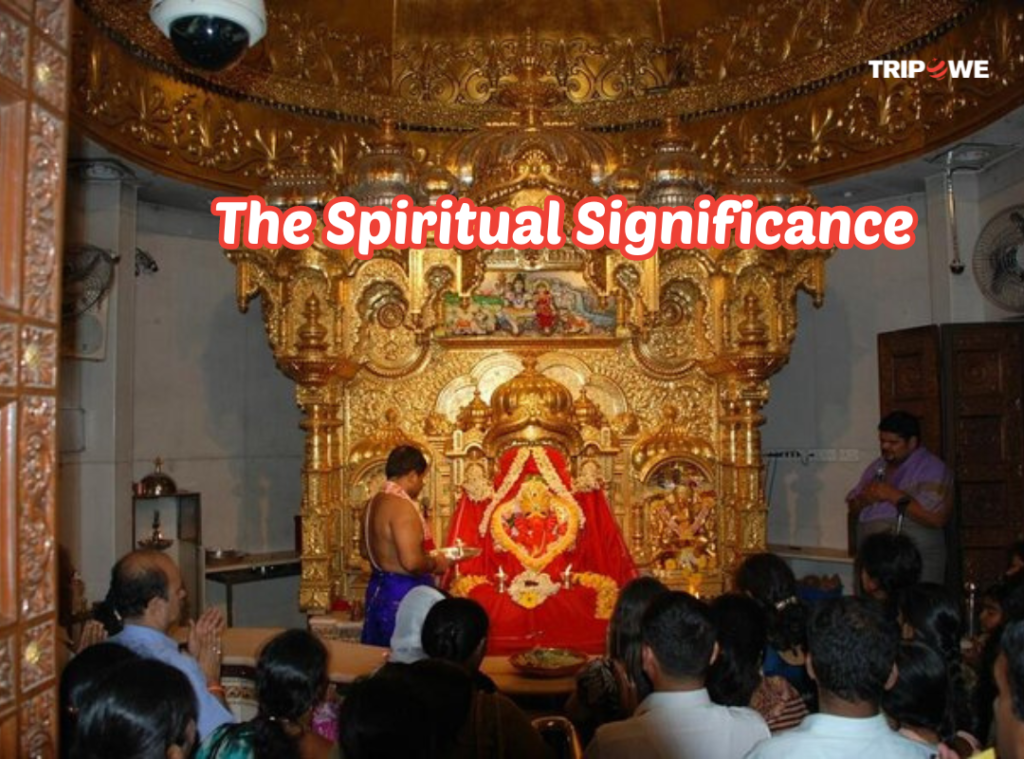
    The Spiritual Significance

    Siddhivinayak Temple Mumbai Tripowe.com

    Siddhivinayak temple Mumbai, Maharashtra is not just a temple; it’s a symbol of hope and faith for millions of devotees. It is believed that offering prayers here can fulfill one’s wishes, remove obstacles, and bring prosperity. Every Tuesday, the temple witnesses a massive influx of devotees, as it is considered an auspicious day to worship Lord Ganesha.

    The temple’s importance is not limited to local devotees but extends to celebrities, politicians, and entrepreneurs who visit regularly to seek blessings before embarking on significant ventures.

    Tips for Visiting

    • The best time to visit Siddhivinayak Temple is early in the morning to avoid long queues, especially on Tuesdays.
    • The temple management has also made provisions for online bookings and offerings, making it easier for devotees to plan their visits.
    • Make sure to dress conservatively and carry a small bag for offerings like flowers or sweets.

    My visit to Siddhivinayak Temple was a deeply enriching experience, both spiritually and culturally. Whether you’re a devout follower or a curious traveler, a visit to this iconic temple is a must when in Mumbai. It not only allows you to connect with the divine but also offers a glimpse into the city’s rich spiritual heritage.


  • History of lingaraj temple: Architecture and Spiritual Importance

    History of lingaraj temple: Architecture and Spiritual Importance

    History of Lingaraj Temple: Architecture and Spiritual Importance

    A magnificent building in Bhubaneswar, Odisha, the Lingaraj Temple symbolizes India’s rich architectural and cultural legacy. This historic temple, which is devoted to Lord Shiva, is among the most important and well-respected sites in the state. In addition to thousands of worshipers, the Lingaraj Temple also draws tourists and history buffs from around the globe. It is an essential stop for everyone visiting Odisha because of its majesty, dexterous sculptures, and ethereal atmosphere. In this blog you will come to know about the History of lingaraj temple. Read Tripowe blogs to know more.

    History of Lingaraj Temple

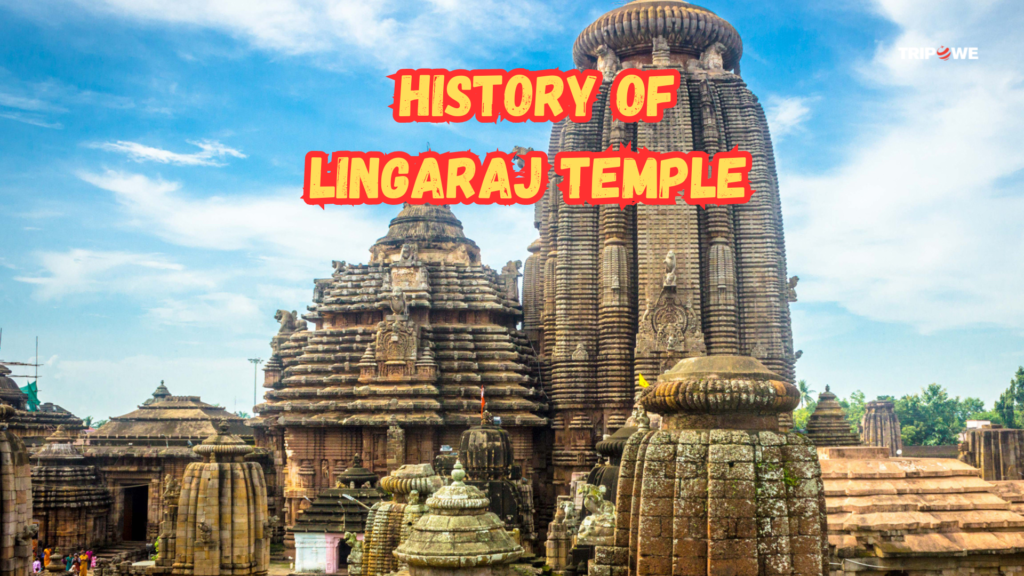
    This blog will tell you Lingaraj temple history. This One of the biggest and oldest temples in Bhubaneswar is the Lingaraj Temple, which dates back to the eleventh century. Frequently referred to as the “City of Temples,” the city’s crown treasure is the Lingaraj Temple. The lingaraj temple built by Somavamsi dynasty and finished by the Ganga dynasty. It is the pinnacle of the Kalinga architectural style, which is distinguished by lofty spires, elaborate carvings, and an air of grandeur.

    The main deity of the temple is Lord Shiva, who is revered here as “Harihara,” a fusion of Vishnu and Shiva. This unusual combination of two of Hinduism’s principal deities reflects the syncretic character of religious rituals in ancient India. The enormous granite Shiva Lingam, known as the Garbhagriha, is housed in the temple’s main sanctum and is revered by devotees as self-manifested.

    Marvelous Architecture

    Renowned for its grace and elaborate patterns, Kalinga architecture is exemplified by the Lingaraj Temple. The main temple of the complex, which spans a large area, rises to a height of 180 feet. The main tower, Vimana; the assembly hall, Jagamohana; the festival hall, Natamandira; and the hall of offerings, Bhoga-Mandapa, are the four principal components of the temple.

    The tallest building in the site, the Vimana, represents the majesty of Lord Shiva. Beautiful sculptures that portray a variety of deities, legendary animals, and scenes from Hindu epics like the Ramayana and Mahabharata adorn the temple’s walls. The intricate workmanship exemplifies the mastery of that era’s craftspeople.

    Devotees congregate in the assembly hall, or Jagamohana, to offer prayers. The temple appears even more grand because of its pyramidal roof and ornately carved pillars supporting it. During festivals, a variety of religious rites and dances are conducted in the Natamandira, or festival hall.

    The place where devotees present their offerings to the deity is called the hall of offerings, or Bhoga-Mandapa. A tall wall surrounding the entire temple complex has a number of smaller shrines honoring different gods and goddesses.

    Spiritual Importance

    Lingaraj Temple Bhubaneswar, Odisha is an important spiritual hub in addition to being a work of architectural beauty. With thousands of devotees coming here every day to ask Lord Shiva for blessings, the temple is run according to stringent customs and traditions. The yearly Shivaratri celebration, which draws worshippers from all around the nation, is when the temple comes to life. Priests at the temple carry out unique rites, and the whole complex is lit up, evoking a heavenly ambiance.

    The Lingaraj Temple is distinguished by its additional feature, which is a temple to Lord Vishnu called the “Ananta Vasudeva.” This illustrates the significance of the temple as a place of religious peace where Vaishnavism and Shaivism coexist.

    In summary

    The Lingaraj Temple is a representation of the spiritual depth and rich cultural legacy of Bhubaneswar. Its great spiritual significance and stunning design make it a landmark not just in Odisha but throughout the wide religious landscape of India. A trip to the Lingaraj Temple provides a window into a bygone era in which culture, religion, and the arts were harmoniously combined to produce a heavenly experience.

    Read More Tripowe blogs

  • Discovering the Bijli Mahadev Temple in the Heart of Himachal Pradesh

    Discovering the Bijli Mahadev Temple in the Heart of Himachal Pradesh

    Discovering the Bijli Mahadev Temple in the Heart of Himachal Pradesh

    Tucked away in Himachal Pradesh’s charming Kullu Valley, Bijli Mahadev Temple is a well-known location that blends adventure, spirituality, and scenic beauty. Perched at 2,460 meters above sea level, this historic temple to Lord Shiva draws both pilgrims and visitors with its ethereal allure. Together, we will explore the charms of Bijli Mahadev Temple Himachal Pradesh and the reasons it is a must-see location.

    Everything About Bijli Mahadev Temple Himachal Pradesh

    A Glimpse Into Legend and History

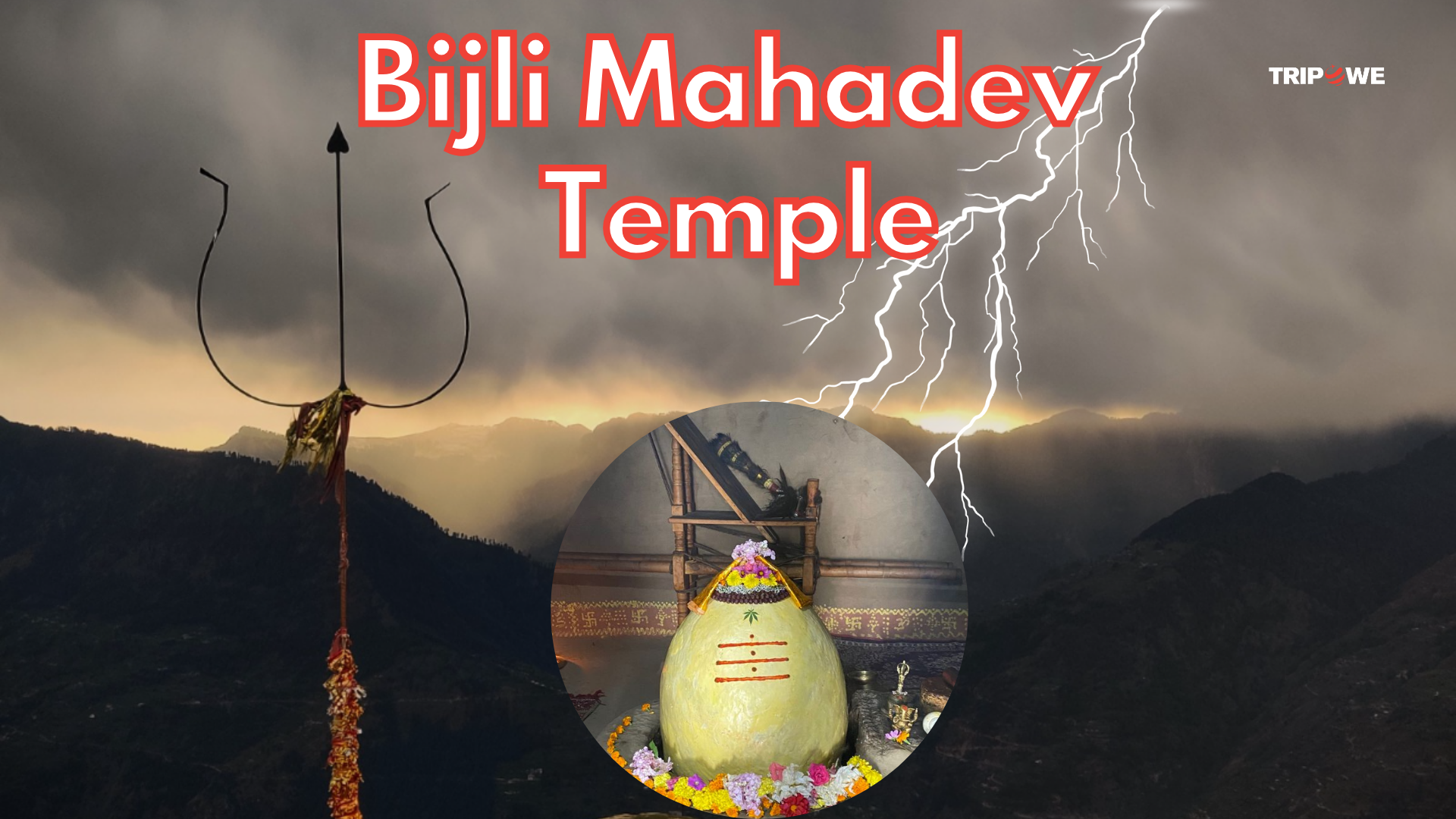
    The folklore and history surrounding Bijli Mahadev Temple contribute to its spiritual significance. The temple gets its name, so the story goes, from the frequent lightning bolts it gets, called “bijli” in Hindi. The tall Shiva Lingam inside the temple is said to be struck by lightning and is rebuilt by the priest using butter and sattoo, a concoction of barley and gram flour. This ceremony is thought to be a holy act in which Lord Shiva absorbs the electric energy to keep the valley safe.

    The Trip to Mahadev Bijli

    Traveling to the Bijli Mahadev Temple is a journey unto itself. The temple is reachable via a journey from Chansari hamlet and is situated roughly 22 kilometers from Kullu. The moderately paced 3-kilometer hike winds through verdant deodar trees and provides captivating vistas of the Parvati and Kullu valleys. The calm surroundings and clean mountain air make for an ideal atmosphere for spiritual reflection while you climb.

    Marvelous Architecture

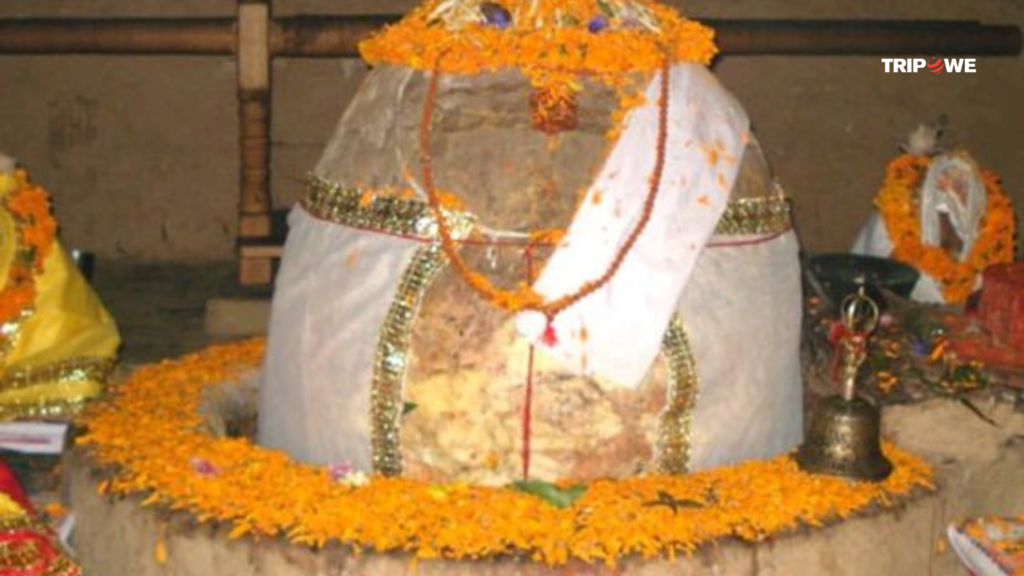
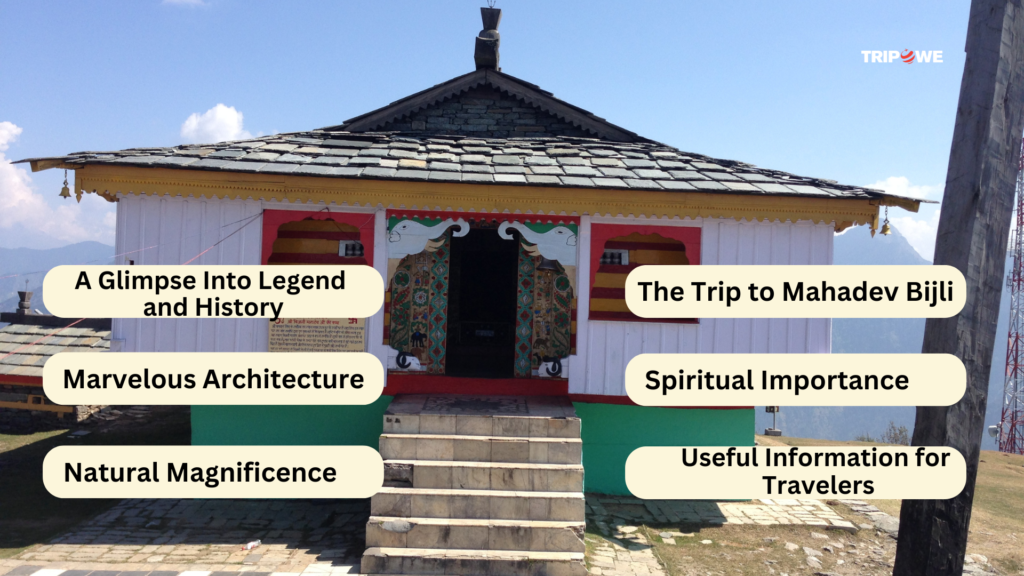
    The temple’s architecture, which reflects the traditional Himachali style, is straightforward but intriguing. A Shiva Lingam covered in flowers and contributions from devotees is kept in the main shrine. The rich cultural legacy of the region is exemplified by the timber structure with its exquisite carvings and slate roof. The expansive view of the snow-capped Himalayas from the surrounding courtyard makes it a perfect place for introspection and meditation.

    Spiritual Importance

    For the people who live there and for those who worship Lord Shiva, the Bijli Mahadev Temple is extremely sacred. This temple is said to be able to purify one’s soul and grant blessings for a prosperous life. During Maha Shivaratri and other Hindu holidays, the temple is especially packed with devotees who come to watch the rites and ask the goddess’ blessings.

    Natural Magnificence

    Beyond its ethereal charm, Bijli Mahadev Temple is a nature lover’s paradise. Immersion in the unspoiled splendor of the Himalayas can be had during the hike to the temple. The trip is just as rewarding as the destination because of the lush woodlands, blossoming wildflowers, and sporadic glimpses of Himalayan wildlife. Photography enthusiasts will find a captivating backdrop as the temple’s vantage point provides a 360-degree view of the surrounding valleys, rivers, and mountain ranges.

    Useful Information for Travelers

    Best Time to Visit: March through October are the best months to visit Bijli Mahadev Temple because of the good weather and accessibility of the hiking trail. In the winter, the walk may become difficult due to heavy snowfall.

    How to Get There: Joginder Nagar is the closest train station, and Bhuntar, the closest airport, is some 50 kilometers distant. The trek’s beginning point, Chansari hamlet, may be reached from Kullu via cab or local bus.

    Trekking Advice: Bring enough water, light food, and appropriate hiking shoes. To beat the afternoon sun and arrive at the temple by midday, it’s best to set off early in the morning.

    Accommodations: Kullu and the surrounding environs provide a variety of budget-friendly hotels and guesthouses. Consider spending a night or two in a local guesthouse in Chansari village for a more immersive experience.

    Also Read

    In Conclusion

    The Bijli Mahadev Temple honors Himachal Pradesh’s natural and cultural diversity and is a place of pilgrimage. This temple provides the ideal balance of spirituality and adventure, whether you are a traveler seeking peace or a devotee seeking divine benefits. Traveling to the Bijli Mahadev Temple is a memorable experience that stays with you long after you leave its tranquil surroundings since it serves as a reminder of the peaceful coexistence of faith and nature. Put on your hiking shoes, pack your baggage, and get ready to be mesmerized by the mysterious allure of Bijli Mahadev Temple.

    For More Information Visit Tripowe.com 

    For Get connected with our Instagram and want to see this in video Click Here 

  • Maa Kodungallur Bhagavathi Devi :Get impressed by human blood

    Maa Kodungallur Bhagavathi Devi :Get impressed by human blood

    Maa Kodungallur Bhagavathi Devi: Get impressed by human blood

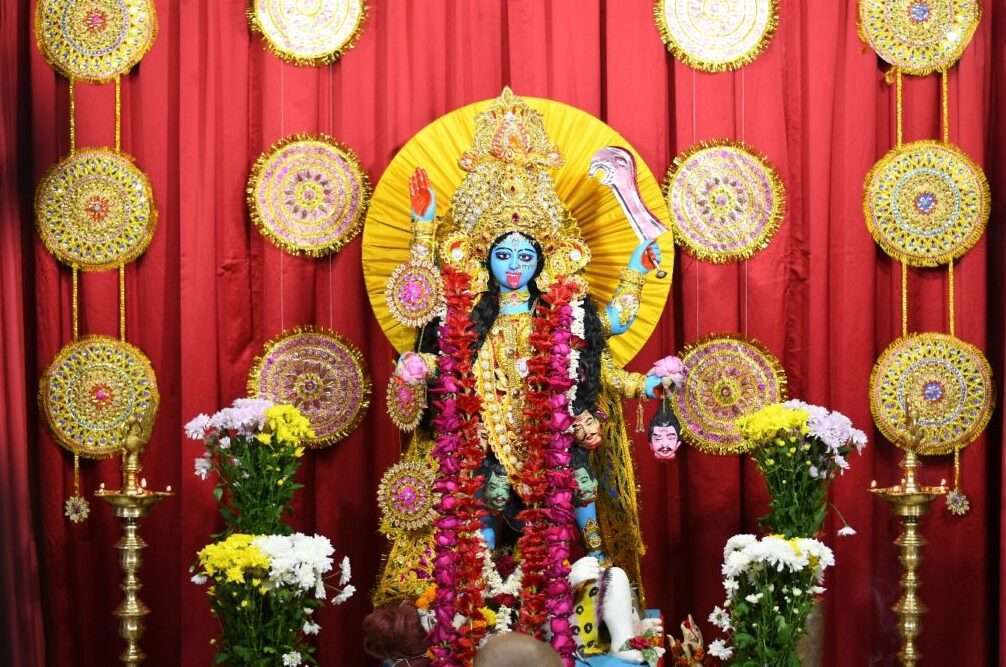
    There is a temple in India where people celebrate Holi with their blood, knowing why and when it happens. South India is considered to be the stronghold of amazing mythology, here in all the states, the religious places of ancient and modern eras will be found which are related to some mythological story. So let’s know some more such mysteries related to the Maa Kodungallur Bhagavathi Devi of Goddess Kali built-in Thrissur, Kerala.

    Maa Kodungallur Bhagavathi Devi

    Beliefs and Significance

    Kodungallur Bhagavathi Devi Temple is one of the most admired temples in Kerala. Kodungallur Bhagavathi Temple is famous for Kanaki, the prime incarnation of Goddess Kali. Believed to be a fierce incarnation of Parvati, she is worshipped for her protective and nurturing qualities. Devotees believe that the Goddess blesses with prosperity, courage and protection from evil. The temple has cultural and historical significance, symbolising the victory of good over evil. The rituals and prayers performed here are believed to relieve ailments, fulfil wishes and bring peace to families. This deep-rooted belief system attracts thousands of devotees every year.

    Mysteries and Legends

    Kodungallur Bhagavathi Devi Temple is surrounded by interesting mysteries and legends. According to a major legend, the Goddess assumed the fierce form of Bhadrakali when she appeared to defeat the demon Daruka. The holy place of the temple houses a unique idol of the Goddess, which is said to have appeared by herself. Another interesting aspect is the presence of secret underground tunnels, which are rumoured to have been used by ancient kings. These tunnels exude an aura of mystery, inviting both curiosity and reverence. The legends and undiscovered secrets contribute to the mystical charm and spiritual allure of the temple.

    Bharani Festival

    Bharani Festival is the most famous festival at Kodungallur Bhagavathi Devi Temple, held during the Malayalam month of Meenam (March-April). This vibrant festival is dedicated to the Goddess and celebrates her fierce victory over the demon Daruka. Devotees dressed in red flock to the temple, sing traditional songs called “Bharani Pattu” and perform the energetic “Kavu Theendal” ritual. During this ritual, devotees run around the temple brandishing swords and sticks, it is believed that doing so awakens the protective powers of the Goddess. The festival is a blend of devotion, tradition and fervour, attracting thousands of devotees from across the country.

    Kavu Theendal Ritual

    Kavu Theendal is a unique and intense ritual performed during the Bharani festival at the Kodungallur Bhagavathy Devi Temple. Devotees, in a trance state, run around the temple brandishing swords and sticks, which symbolize the fierceness of the Goddess. They believe that by performing this ritual they can receive the Goddess’ protection and blessings. The ritual is accompanied by traditional songs and chants, which create an electrifying atmosphere. Kavu Theendal is not only a display of devotion but also of communal harmony, as people from various backgrounds participate in it, united by their faith in the Goddess.

    Blood Holi Celebrations

    Holi at the Maa Kodungallur Bhagavathi Devi is a unique blend of traditional fervour and vibrant festivities. Unlike the common Holi celebrations seen elsewhere in India, devotees apply turmeric powder and red kumkum to the temple Holi. It is believed that this ritualistic celebration purifies the soul and bestows divine blessings. Devotees gather in large numbers, sing devotional songs and dance in joy. The temple premises come alive with colours, music and a spirit of devotion. The festivities reflect the unity of the community and the deep cultural traditions of Kerala.

    Conclusion

    The Kodungallur Bhagavathi Devi Temple is a testimony to the rich cultural and spiritual heritage of Kerala. The temple’s beliefs, mysteries and vibrant festivals like Bharani and Holi offer a glimpse of the deep-rooted traditions that continue to flourish even today. From the fierce rituals of Kaavu Theendal to the colourful Holi celebrations, every aspect of the temple reflects the unwavering faith and devotion of its followers. Visiting this holy temple offers an enriching experience that blends spirituality, history and cultural vibrancy, making it a must-visit destination for devotees and tourism.

    For information related to Travel or Mysterious places visit Tipowe.com . or get connected on Instagram click here

  • lakshman Jhula: The Place of  Iconic Hanging Beauty

    lakshman Jhula: The Place of Iconic Hanging Beauty

    Lakshman Jhula: The Place of Iconic Hanging Beauty

    1. Where it is Situated

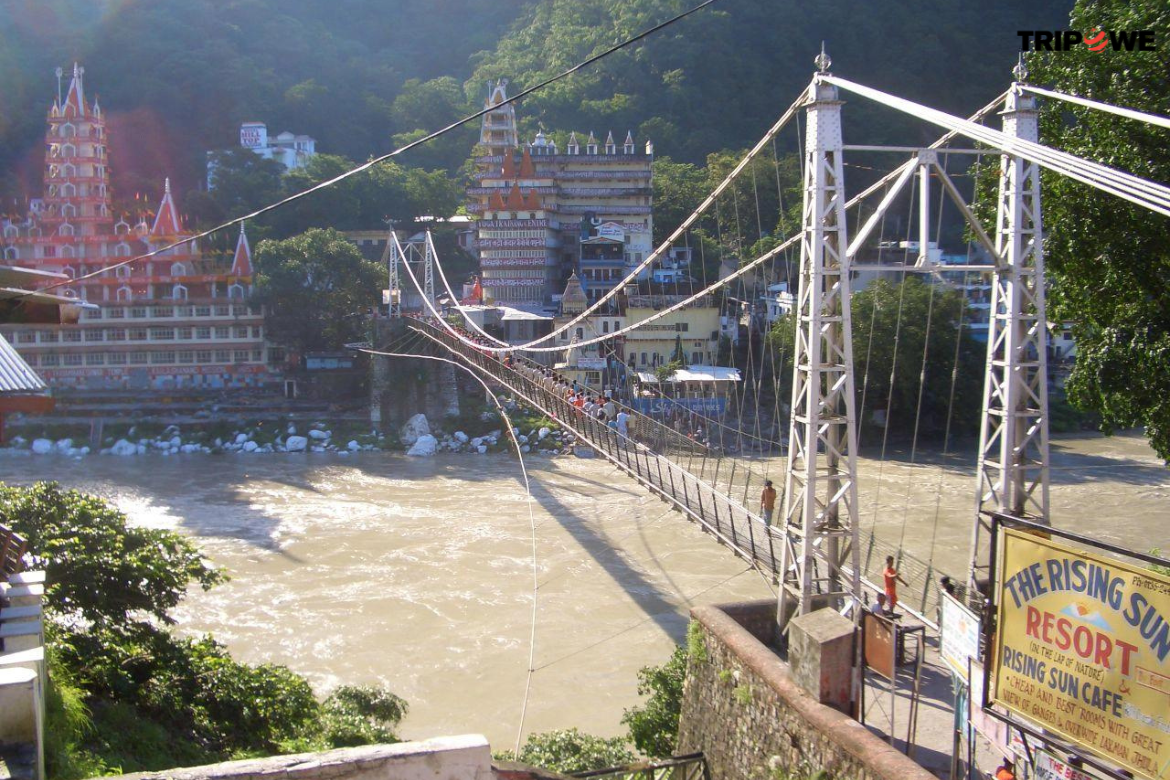
    Lakshman Jhula is an iconic suspension bridge located in Rishikesh, a renowned spiritual town in the northern Indian state of Uttarakhand. Passover the Ganges River, connects the Tehri Garhwal district on the western side to the Pauri Garhwal district on the eastern side. Positioned about 5 kilometers northeast of the main town of Rishikesh, this bridge offers stunning views of the river and the surrounding Himalayan foothills. The area around Lakshman Jhula is a hub for spiritual seekers, adventure enthusiasts, and tourists who come to experience the peaceful beauty and vibrant culture of Rishikesh.

    2. History

    Lakshman Jhula tripowe.com

    The history of Lakshman Jhula begins in 1889 when the original bridge was constructed. This early version was a bridge made of jute rope, replacing an older version that was said to have been built by Lord Lakshman, the hero of the Hindu epic Ramayana, using jute ropes to cross the Ganges. The modern iron suspension bridge was built in 1929 after the old bridge was destroyed by flooding. Over the years, Lakshman Jhula not only serves as an important pedestrian crossing but has also become an important landmark and pilgrimage site, deeply embedded in the cultural and historical fabric of Rishikesh.

    3. The story behind the building

    The story behind the construction of Lakshman Jhula is deeply rooted in Hindu mythology. According to the Ramayana, Lord Lakshmana, the younger brother of Lord Rama, crossed the river Ganga at this very place using two jute ropes. This mythological event inspired the name of the bridge and its subsequent construction. The modern bridge, built to replace an earlier jute rope bridge, is a symbol of this ancient tale and a testament to the enduring legacy of the epic. The structure not only facilitates travel but also stands as a monument to the spiritual heritage of the region.

    5. How Many Times It Has Been Built and Who Built It

    Lakshman Jhula tripowe.com

    Lakshman Jhula has been built twice. The first version, a jute rope bridge, was constructed in the 19th century, honoring the mythological crossing of Lakshman. However, it was destroyed by floods, prompting the construction of the current iron suspension bridge in 1929 by the Public Works Department of British India. This modern bridge was built to provide a safer and more durable crossing for pilgrims and residents. The new structure, with its steel framework, has faced the test of time and nature, continuing to serve as a vital link and a historical monument in Rishikesh

    Best Time to Visit

    Here you can  travel to see the beauty of Lakshman Jhula  best time to visit here  is from October to March During these months, the weather is cool and pleasant, with temperatures ranging from 15°C to 25°C (59°F to 77°F), and rainy season it creates problem in your traveling

    If you want to explore the beauty of India or other places in the world visit TRIPOWE.COM