Category: Religious

  • Kashi Vishwanath Jyotirlinga Temple: The Temple of Lord Shiva

    Kashi Vishwanath Jyotirlinga Temple: The Temple of Lord Shiva

    Kashi Vishwanath Jyotirlinga Temple: The Temple of Lord Shiva

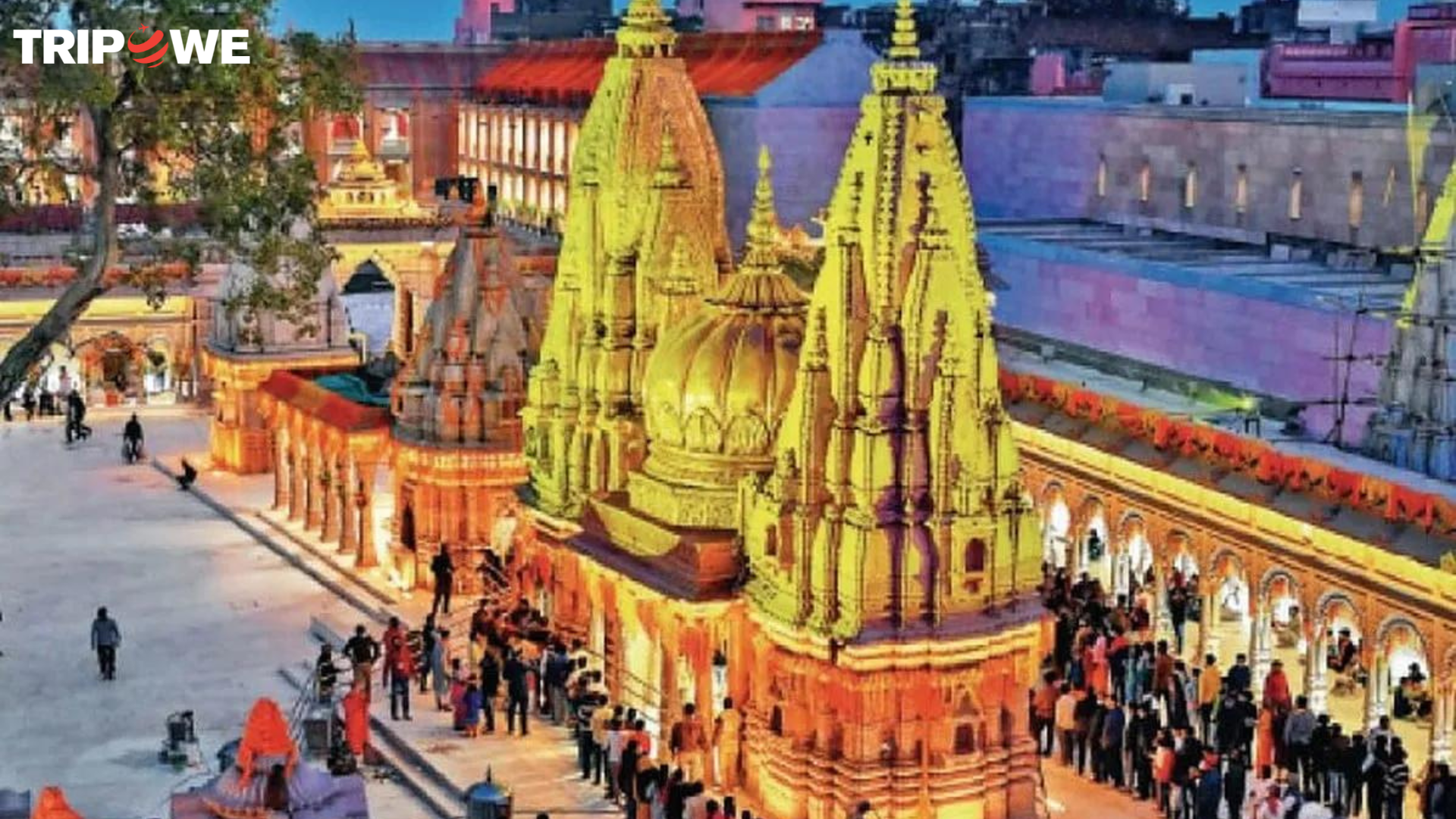
    Kashi Vishwanath Jyotirlinga Temple, also known as Shri Kashi Vishwanath Temple, is located in Varanasi, Uttar Pradesh. This temple is dedicated to Lord Shiva and is one of the twelve Jyotirlingas in Hinduism. This temple is situated on the banks of river Ganga and has immense historical and religious importance. It is believed that by visiting here one attains salvation.

    Festivals and celebrations in the temple

    Many major Hindu festivals are celebrated with great pomp throughout the year in Kashi Vishwanath Jyotirlinga Temple. Mahashivratri is the biggest and important festival here, in which lakhs of devotees come to worship Lord Shiva. Apart from this, special pujas are performed in the month of Sawan (July-August). Special Jalabhishek and rituals are performed here on every Monday of Shravan month. Dev Diwali and Makar Sankranti are also celebrated here with great enthusiasm.

    Mobile phones and photography in the temple

    Mobile phones and photography are not allowed in Kashi Vishwanath Jyotirlinga Temple. The temple administration has imposed this rule to maintain the religious sentiments of the devotees and the sanctity of the temple. Mobile phones and cameras are deposited at the entrance of the temple itself so that an atmosphere of peace and devotion is maintained inside the temple.

    Time to visit Kashi Vishwanath Jyotirlinga Temple

    The darshan timings of Kashi Vishwanath Temple are from 3:00 am to 11:00 pm every day. Mangala Aarti takes place at 3:00 in the morning, which is considered very important. After this, various pujas and aartis are organized at regular intervals throughout the day, in which devotees can participate.

    Best time to visit Kashi Vishwanath Jyotirlinga Temple

    The best time to visit Kashi Vishwanath Temple is between October to March. The weather is pleasant during this period and it is the right time to admire the religious and cultural heritage of Varanasi. Apart from this, a visit here also holds special significance in the month of Sawan, when devotees participate in special pujas.

    How to reach Kashi Vishwanath Temple

    Varanasi is the nearest city to reach Kashi Vishwanath Temple. The distance of the temple from Varanasi Junction Railway Station is about 5 kilometers, which can be easily covered via taxi or auto rickshaw. The nearest airport is Lal Bahadur Shastri International Airport, about 25 kilometers from Varanasi. From the airport to the city Taxi and bus services are available.

    Accommodation in Kashi Vishwanath

    There are many Dharamshalas, hotels and guest houses available for the devotees to stay around the Kashi Vishwanath Jyotirlinga Temple. There are many small and big hotels and guest houses near the temple complex, which have clean and convenient arrangements. Apart from this, various categories of hotels are also available in Varanasi city, which are located at a short distance from the temple.


  • Trimbakeshwar Jyotirlinga Temple:  A Spiritual Journey

    Trimbakeshwar Jyotirlinga Temple: A Spiritual Journey

    Trimbakeshwar Jyotirlinga Temple: A Spiritual Journey

    Trimbakeshwar Jyotirlinga Temple is located in Nashik district of Maharashtra state. It is one of the twelve Jyotirlingas of Lord Shiva and is considered one of the important pilgrimage sites of Hindu religion. This temple is located in Trimbak village and the Shivalinga here is famous for its unique trident form. This site is near the Brahmagiri mountain, the origin of the river Ganga and has extremely important religious and cultural significance.
    Festivals and celebrations in the temple

    Many major Hindu festivals are celebrated throughout the year at Trimbakeshwar Jyotirlinga Temple. Mahashivratri is the biggest festival here, in which thousands of devotees gather to worship Lord Shiva. Additionally, special pujas and rituals take place every Monday during the month of Shravan (July–August). Kartik Purnima and Makar Sankranti are also celebrated here with tremendous fanfare.. During these festivals the temple premises are decorated with colorful lights and grand tableaux are organised.
    Mobile phones and photography in the temple

    Mobile phones and photography are not allowed in Trimbakeshwar Temple. The temple administration has implemented this rule to maintain the religious sentiments of the devotees and the sanctity of the temple. Mobile phones and cameras are stored at the entrance itself, so that an atmosphere of peace and meditation is maintained inside the temple.
    Timings of Trimbakeshwar Jyotirlinga Temple Darshan

    The darshan timings of Trimbakeshwar Temple are from 5:30 AM to 9:00 PM daily. Various pujas and aartis are organized in the temple, to participate in which devotees have to be present at different times. The morning aarti is considered especially important and is attended by a large number of devotees.
    Best time to visit Trimbakeshwar Temple

    The greatest time to visit Trimbakeshwar Temple is after the monsoon. between August to February. At this time the weather is pleasant and the natural beauty around Brahmagiri mountain is at its peak. Religious festivals also take place during this period, which make the journey even more special.
    How to reach Trimbakeshwar Temple

    Nashik is the nearest city to the Trimbakeshwar Jyotirlinga Temple.. The distance from Nashik Railway Station to Trimbakeshwar is approximately 28 kilometers, which can be easily covered via taxi or bus. The nearest airport is Mumbai, which is about 180 kilometers from Trimbakeshwar. Regular bus and cab services run between Mumbai and Nashik.
    Accommodation in Trimbakeshwar

    There are many dharamshalas and hotels available for devotees to stay in Trimbakeshwar. There are many small and big hotels and guest houses around the temple, which have clean and convenient arrangements. Apart from this, various categories of hotels are also available in Nashik city, which are located at a short distance from the temple.
    Thus, Trimbakeshwar Jyotirlinga Temple is not only important from the religious point of view but is also a unique site for natural beauty and cultural heritage. A journey here provides spiritual peace and a unique experience.

  • Famous Temples in Indore : Thats Make a Unique Places in Indori’s People Heart

    Famous Temples in Indore : Thats Make a Unique Places in Indori’s People Heart

    Summary

    Indore is home to several famous temples that reflect its rich cultural and spiritual heritage. From the grand Khajrana Ganesh Temple to the serene ISKCON Indore, each temple offers a unique experience for devotees and tourists. These temples not only serve as religious centers but also showcase stunning architecture and historical significance.

    Famous Temples in Indore : Thats Make a Unique Places in Indori’s People Heart

    Indore, a thriving city in Madhya Pradesh, is recognized for its historical landmarks, lively markets, and peaceful religious locations. The city is a blend of traditional legacy and modernism, with various temples where visitors can connect with spirituality. Whether you’re a devotee seeking divine blessings or a tourist eager to witness architectural marvels, Indore’s iconic temples provide a rewarding encounter. Let’s Know About Famous Temples in Indore in this Blog

    1. Khajrana Ganesh Temple
    Famous Temples in Indore

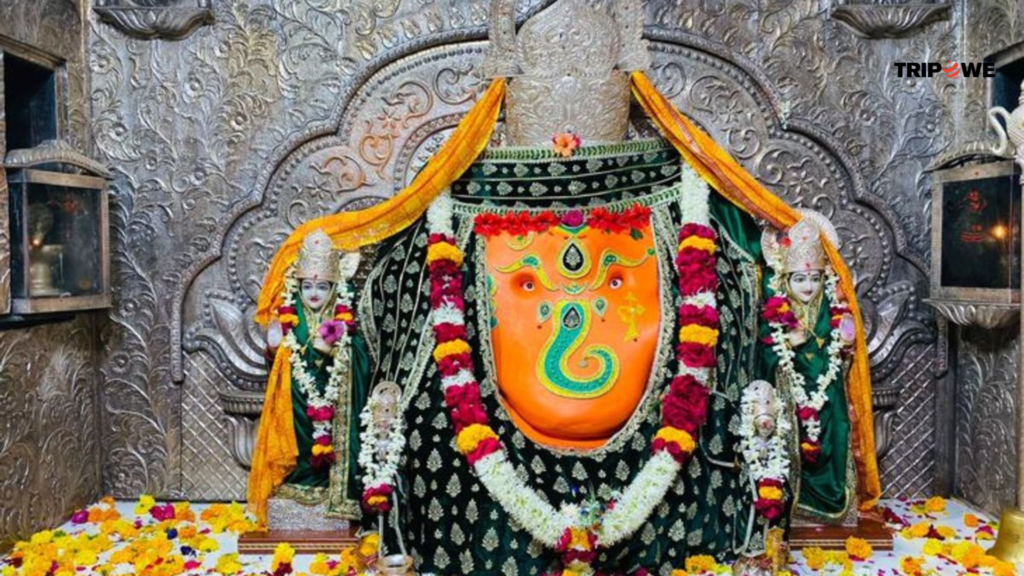
    The Khajrana Ganesh Temple is probably one of Indore’s most famous temples and a significant spiritual monument. Dedicated to Lord Ganesha, the temple draws thousands of visitors each year. This temple was built by Ahilyabai Holkar, the Maratha queen of the Holkar dynasty, and it exhibits Indore’s rich cultural and spiritual past.

    The temple complex is calm and well-maintained, making it a great location for meditation and prayer. Devotees believe that Lord Ganesha grants requests expressed here, which is why the temple is often crowded. Don’t miss out on admiring the idol of Lord Ganesha, which is stunningly decorated with gold and silver embellishments.

    2. Bada Ganpati Temple
    Famous Temples in Indore

    Another well-known site is the Bada Ganpati Temple, which holds one of the world’s largest Lord Ganesha idols. The idol, which stands 25 feet tall, is made of limestone, jaggery, and other traditional materials, giving it a distinctive and wonderful appearance.

    This temple has great religious value and is visited by both devotees and visitors. Aside from its spiritual aura, the temple’s architectural beauty deserves to be admired. The Bada Ganpati Temple is a must-see among Indore’s prominent temples.

    Instagram Page 

    3. Annapurna Temple

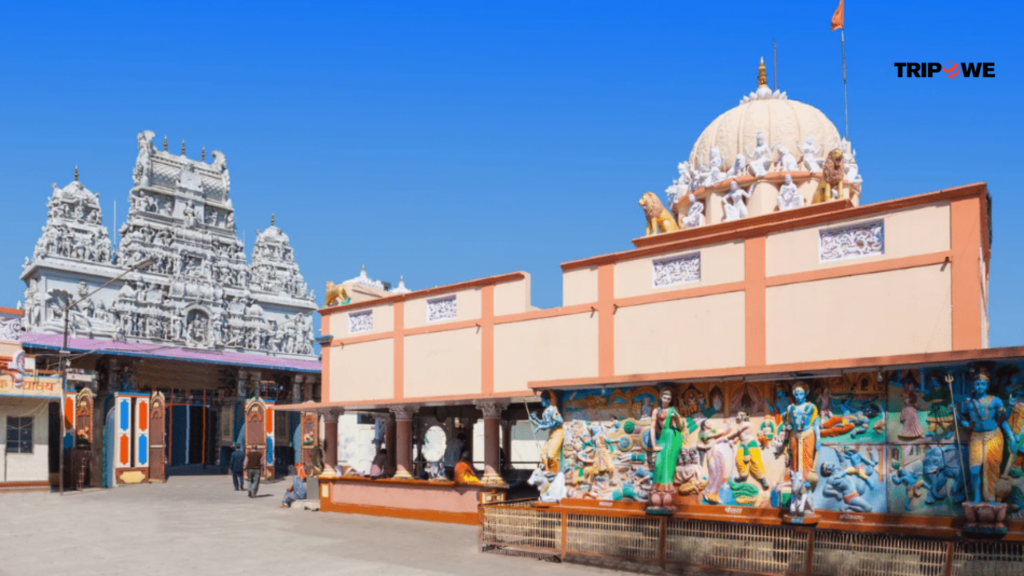
    This temple, dedicated to Goddess Annapurna, the goddess of food and nourishment, is one of Indore’s most popular. Its magnificent architecture, which is influenced by South Indian temple design, is a true masterpiece. The temple has ornately carved pillars and a majestic entryway flanked by life-sized elephant statues.

    The Annapurna Temple is not only a religious site, but also an important cultural relic. Visitors frequently comment on its tranquil atmosphere and exquisite artwork. It’s a great site to seek blessings and absorb in the city’s spiritual energy.

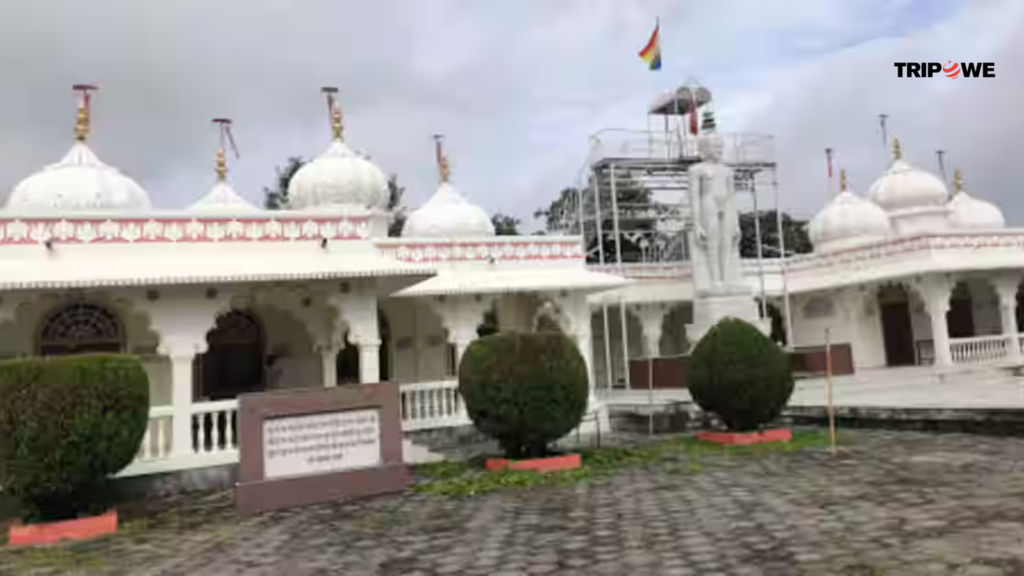
    4. Gommat Giri

    Gommat Giri is a sacred spot for Jain devotees and an important addition to the list of famous temple in indore. This temple complex, located on a hilltop, has a 21-foot tall figure of Lord Gomateshwara, which is akin to the famed Bahubali monument in Shravanabelagola, Karnataka.

    Gommat Giri’s quiet location makes it suitable for meditation and spiritual renewal. The panoramic view of Indore from the mountaintop adds to the allure of this religious site.

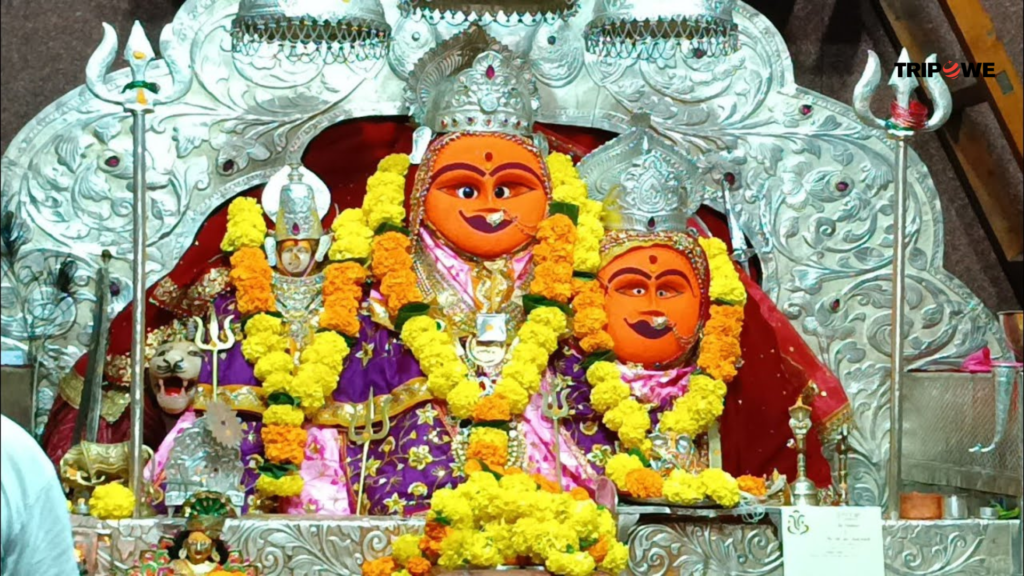
    5) Bijasan Mata Temple

    The Bijasan Mata Temple, located on a hill, is devoted to Goddess Durga. The temple provides beautiful views of the city and is particularly packed during the Navratri festival. Devotees gather here to receive blessings and relax in the serene surroundings.

    The temple’s location makes it ideal for a peaceful retreat from the city’s hustle and bustle. It is also a popular place for photographers looking to capture the picturesque beauty of Indore from above.

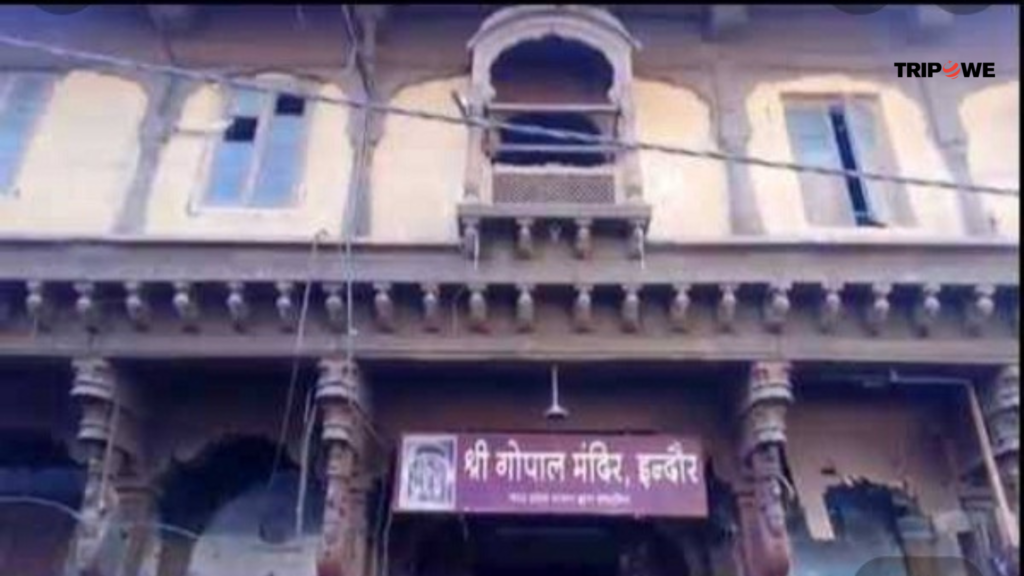
    6) Gopal Mandir

    The Gopal Mandir, located in the middle of the city, is a famous example of Marathi-style architecture. Queen Ahilyabai Holkar built this temple, which is dedicated to Lord Krishna. The idol of Lord Krishna, decorated with decorations and a silver crown, is stunning to see.

    The temple comes to life during Janmashtami, with magnificent ceremonies and colorful decorations. It’s a must-see for anyone interested in exploring Indore’s cultural and spiritual riches.

    7. Vaishnodevi Temple
    Famous Temples in Indore

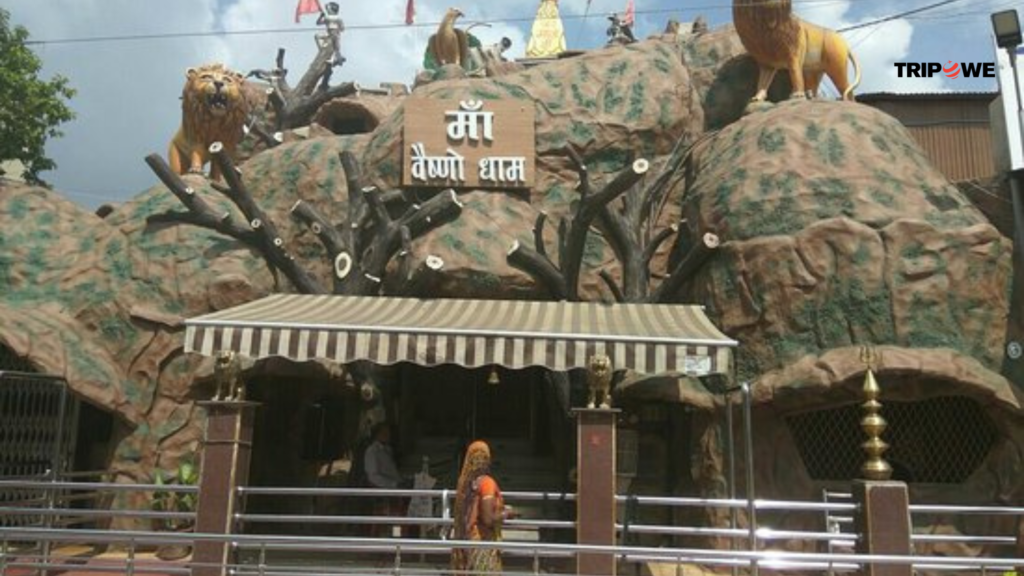
    This Indore temple, which is a duplicate of the original Vaishno Devi shrine in Jammu and Kashmir, is an important pilgrimage place. The temple, nestled amidst beautiful foliage, is well-known for its tranquil settings and spiritual feel.

    To approach the sanctum, visitors must go through a man-made cave, which replicates the ancient Vaishno Devi yatra experience. This distinguishing trait, paired with the temple’s tranquil setting, makes it an ideal location for believers.

    8. ISKCON Indore

    The ISKCON temple in Indore serves as a shelter for Lord Krishna devotees. This temple, which belongs to the International Society for Krishna Consciousness, is known for its majestic architecture and tranquil ambiance.

    The temple hosts daily prayers, kirtans, and spiritual discussions, which draw people from all areas of life. The Prasadam (holy offering) provided here is a welcome treat for devotees. Visiting the ISKCON temple is both a spiritual journey and a cultural experience and that’s its make part in the famous temples in indore in list

    9. Ranjit Hanuman Temple
    Famous Temples in Indore

    The Ranjit Hanuman Temple is one of Indore’s oldest temples and is dedicated to Lord Hanuman. This temple is thought to be over 300 years old and is a popular holy location for Hanuman enthusiasts.

    The temple’s peaceful surroundings and historical significance make it a popular destination for both residents and visitors. It is notably packed on Tuesdays and Saturdays, when special prayers are held.

    Read this blog : Bada Ganpati Mandir Indore

    FAQs :

    Q1. Which is the most famous temple in Indore?
    The Khajrana Ganesh Temple is the most famous temple in Indore, attracting thousands of devotees each year.

    Q2. What is special about Bada Ganpati Temple?
    Bada Ganpati Temple houses one of the world’s largest idols of Lord Ganesha, standing 25 feet tall.

    Q3. Is there any Jain temple in Indore?
    Yes, Gommat Giri is a famous Jain temple complex featuring a 21-foot-tall idol of Lord Gomateshwara.

    Q4. Which temple in Indore is known for its South Indian-style architecture?
    Annapurna Temple is known for its South Indian-style architecture, featuring intricate carvings and life-sized elephant statues.

    Q5. Where can I get a panoramic view of Indore?
    Bijasan Mata Temple, situated on a hilltop, offers stunning views of the city.


  • Vaidyanath Jyotirlinga

    Vaidyanath Jyotirlinga

    Vaidyanath Jyotirlinga The Healing and Spiritual Abode

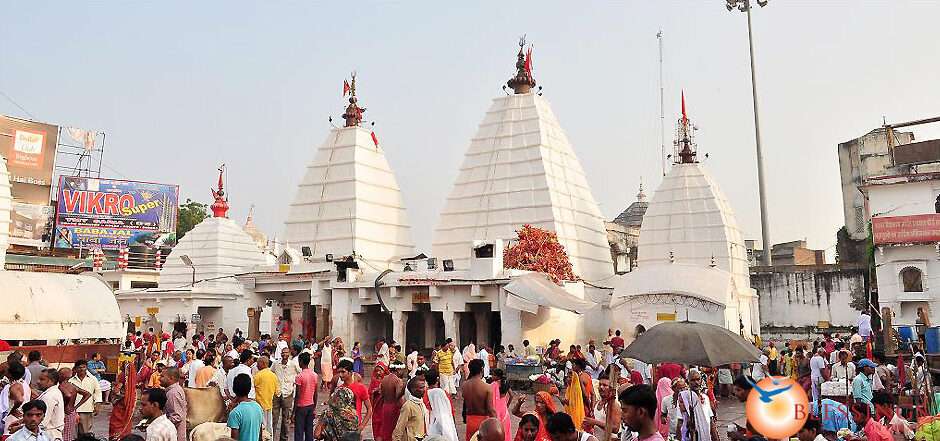
    Introduction :-The twelve Jyotirlingas are highly revered in the wide tapestry of Hinduism. These hallowed shrines are thought to be Lord Shiva’s bodily dwelling, and each has its own meaning and story. Vaidyanath, also known as Vaijnath or Vaidyanath Jyotirlinga, is one such revered Jyotirlinga. Vaidyanath Jyotirlinga, located in Deoghar, Jharkhand, is not just a sanctuary of tremendous religious significance but also a symbol of healing and spiritual enlightenment. We will look into the tales, history, and spiritual essence of Vaidyanath Jyotirlinga in this blog.

    The Legend of Vaidyanath Jyotirlinga

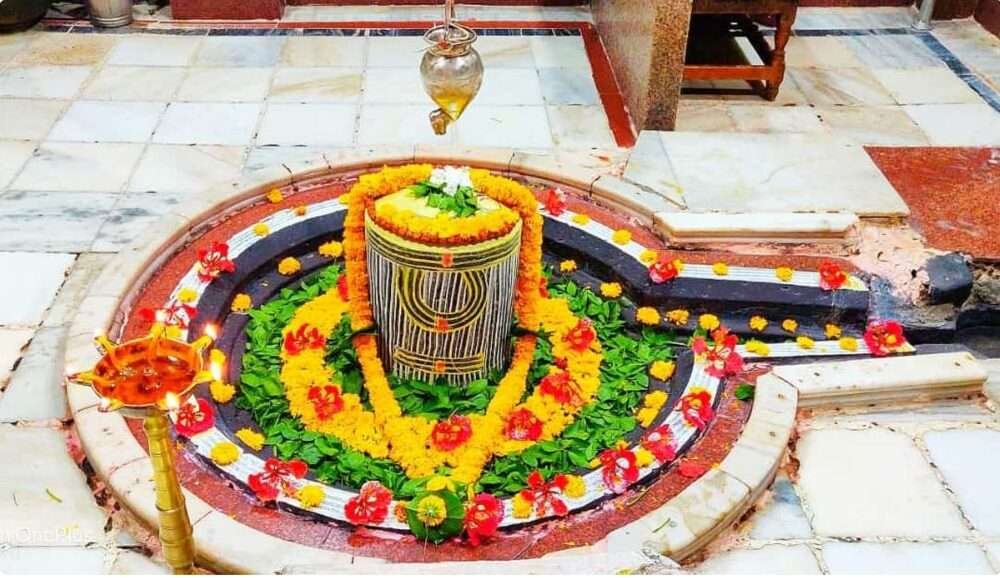
    Vaidyanath JyotirlingaVaidyanath and the Demon King Ravana: The narrative of Vaidyanath Jyotirlinga stretches back to the classic epic, the Ramayana. According to folklore, Demon King Ravana, a devout disciple of Lord Shiva, sought to bring the Lord’s residence to his country, Lanka. In an audacious attempt to transport the lingam (an abstract image of Lord Shiva) to Lanka, Ravana was duped by Lord Vishnu, who caused the lingam to be rooted to the earth in Deoghar. This is where Vaidyanath Jyotirlinga now resides. Ravana sought to uproot it with all his strength, inflicting marks on the lingam. These marks can still be observed on the lingam today.

    Vaidyanath’s Healing Powers: The term “Vaidyanath” derives from the Sanskrit words “Vaidya” (physician) and “Nath” (Lord). This Jyotirlinga is famed not just for its spiritual significance but also for its healing abilities. Those who visit Vaidyanath with a pure heart and dedication are said to obtain treatment for bodily and mental problems. This feature of Vaidyanath Jyotirlinga has made it a popular destination for individuals looking for healing and tranquility.

    Vaidyanath Jyotirlinga’s Historical Importance

    Vaidyanath Jyotirlinga has a long history, with mentions in numerous ancient books. During the medieval period, it was an important pilgrimage site for devotees and travelers. Vaidyanath Jyotirlinga Temple, also known as Baba Baidyanath Temple, is an excellent example of Nagara temple architecture.

    Architecture and Environment

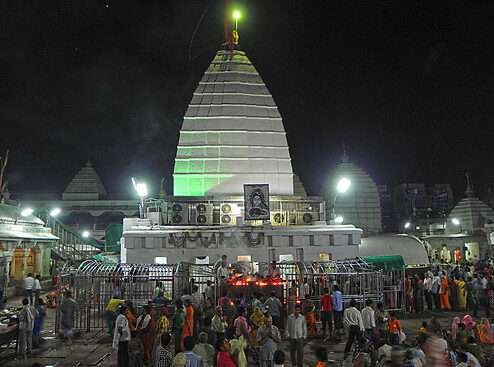
    The Baba Baidyanath Temple is a majestic edifice with rich sculptures and artwork. The temple complex is huge and includes various smaller shrines and ponds, which add to its spiritual appeal. The majestic spire, or shikhara, of the temple is a sight to behold and a superb example of North Indian temple architecture. The temple complex is a beautiful and peaceful setting that inspires devotees to meditate and pray.

    Religious Importance

    Vaidyanath is a religiously significant site. Devotees travel from all across the country and beyond to pay their respects and seek Lord Shiva’s blessings. The temple complex is always crowded with pilgrims and tourists, exuding dedication and spiritual vitality. The annual Maha Shivaratri festival is a big occasion, with thousands of devotees flocking to the temple to take part in the elaborate ceremonies.

    Beliefs and Healing Powers

    Vaidyanath Jyotirlinga

    The healing abilities of Vaidyanath Jyotirlinga are profoundly embedded in devotees’ beliefs. Many individuals come to the temple seeking cure from various physical and mental problems. Lord Shiva, in his incarnation as Vaidyanath, is said to have the capacity to heal and cure his devotees’ afflictions. Pilgrims give unwavering prayers and rituals in the hope of divine intervention and healing.

    Rituals and Pilgrimage

    A sequence of rituals and prayers are performed during the pilgrimage to Vaidyanath Jyotirlinga. Devotees begin their pilgrimage by bathing in the local holy river, the Ajaga River. This is thought to cleanse their souls before they enter the shrine. They then perform darshan (viewing) of the lingam and gift Lord Shiva different commodities like as milk, honey, and bilva leaves.

    A Spiritual Haven

    Aside from its medicinal properties, Vaidyanath Jyotirlinga provides a spiritual haven for those seeking inner calm and enlightenment. The tranquil setting and peaceful ambiance make it a great location for meditation and self-reflection. Many people spend time at the temple complex, reflecting on life’s mysteries and seeking spiritual progress.

    The Legacy of Vaidyanath Jyotirlinga

    Vaidyanath JyotirlingaThe influence of Vaidyanath Jyotirlinga extends beyond the temple walls to the people and the region. The temple is not just a sign of spiritual faith, but also an economic and cultural focus for the surrounding community. Pilgrims who visit the temple contribute to the local economy, and the temple’s rich cultural traditions thrive.

    Conclusion

    With its rich history, religious significance, and healing qualities, Vaidyanath Jyotirlinga is a tribute to the enduring power of religion. It is a location where folklore, mythology, and spirituality come together to form a one-of-a-kind and profound experience. It is a place of worship and healing for devotees, as well as a historical and architectural site for travelers and students. Vaidyanath Jyotirlinga’s timeless attraction continues to draw people from all walks of life, making it an important component of India’s spiritual and cultural history. Vaidyanath awaits you with open arms, eager to shower its blessings on you, whether you seek healing, spiritual progress, or simply wish to visit a place of significant significance.

    INSTAGRAM:-TRIPOWE

  • Mahakaleshwar Jyotirlinga Ujjain

    Mahakaleshwar Jyotirlinga Ujjain

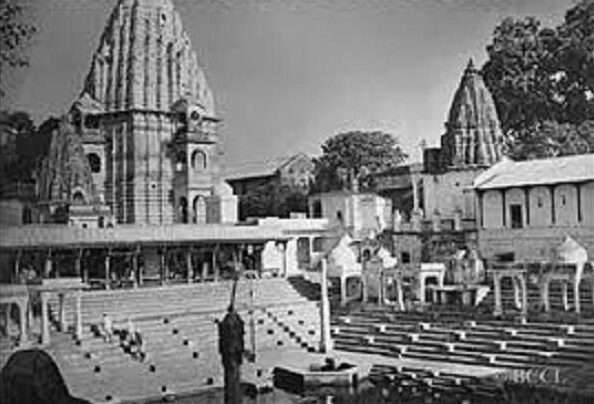
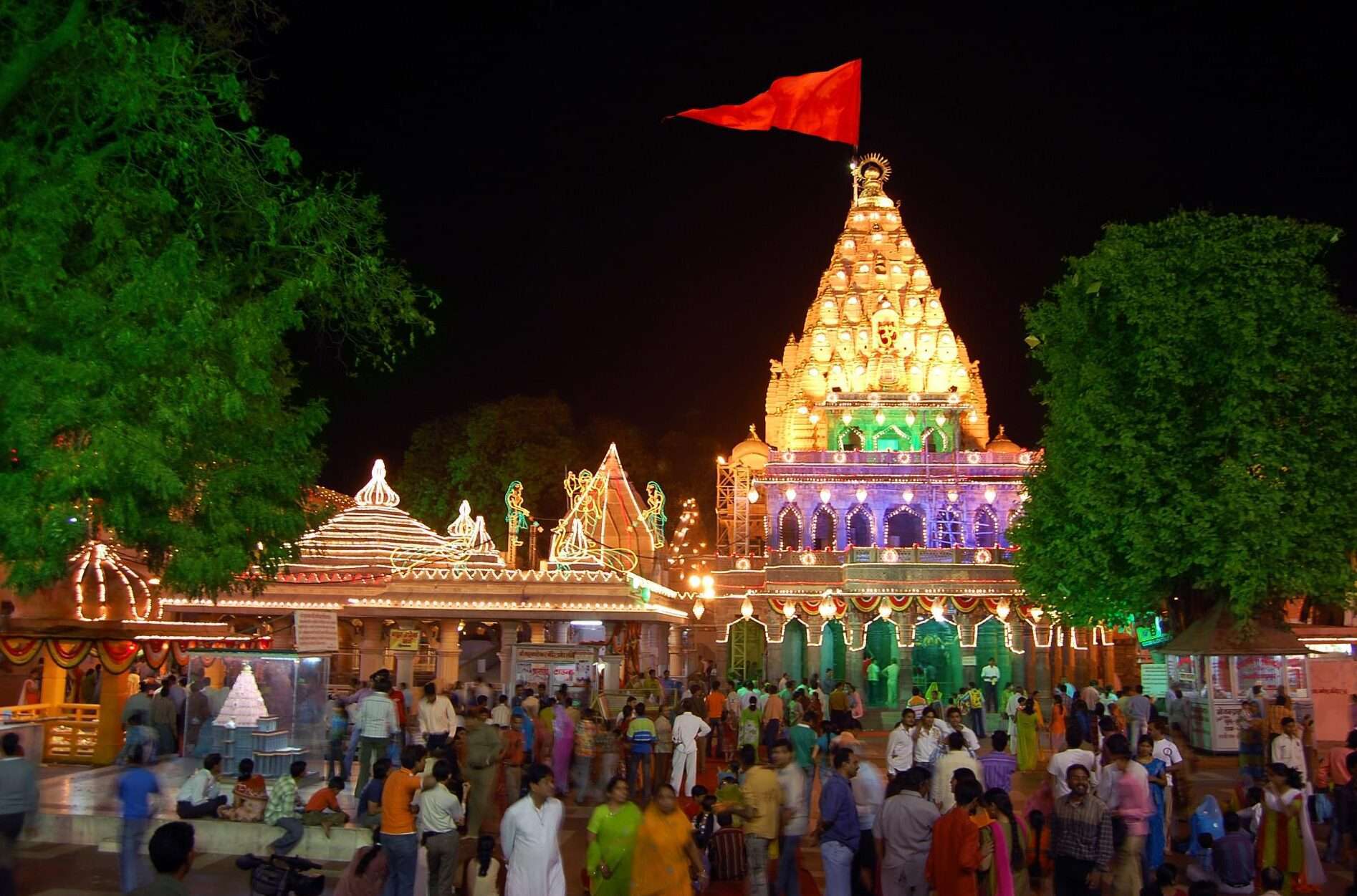
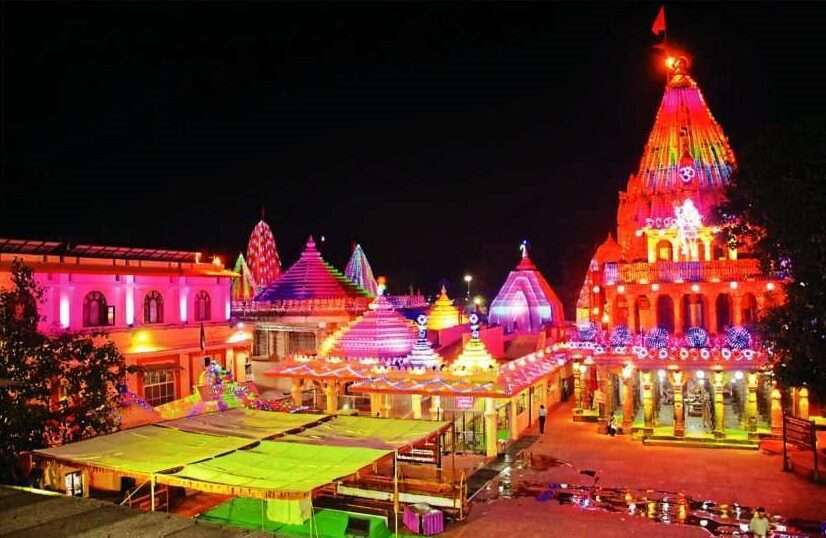
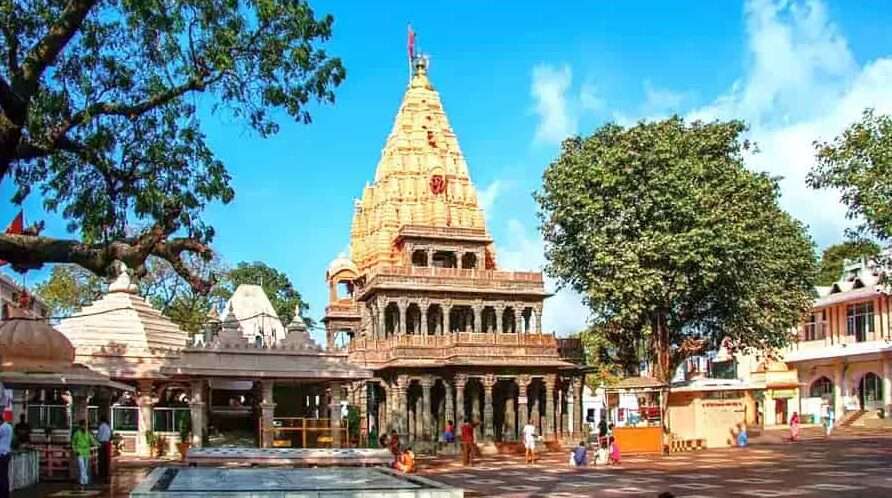
    Introduction: Mahakaleshwar Jyotirlinga Ujjain, one of India’s twelve Jyotirlingas, has a particular place in the hearts of millions of devotees. This old temple, located in Ujjain, Madhya Pradesh, is not only a place of prayer but also a historical and cultural asset. In this blog, we will explore the spiritual, historical, and architectural aspects of Mahakaleshwar Temple, as well as the experiences it provides pilgrims and travelers.

    Historical significance

    Mahakaleshwar Jyotirlinga Ujjain

    The Mahakaleshwar Temple has a long history, with allusions to it appearing in numerous scriptures. According to legend, Lord Brahma built the temple, and it is mentioned in the Puranas, including the Matsya Purana and the Shiva Purana. Its significant historical significance may be seen in the numerous inscriptions and texts that record its construction and growth over the years.

    Architectural magnificence:

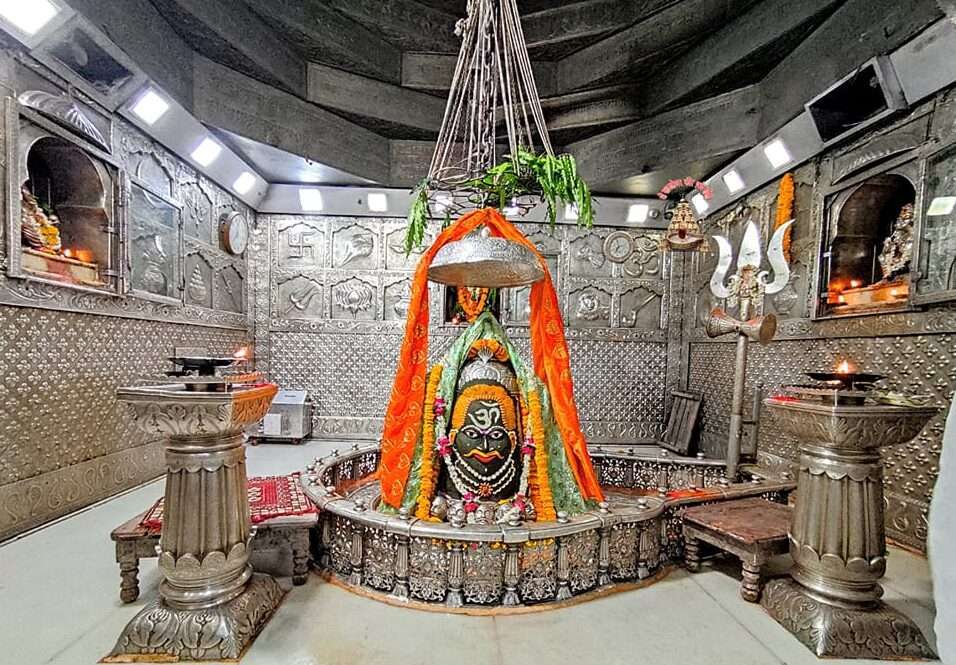
    The architecture of the temple is a magnificent combination of Rajput and Maratha influences. The majesty of its architecture is reflected in its high spire, rich carvings, and grand entrance. The five levels of the temple, each dedicated to a different deity, are embellished with beautiful sculptures and artwork. The sanctum sanctorum houses the major deity, the lingam, which is regarded as Lord Shiva’s most sacred and potent symbol.

    Rituals and Worship:

    Devotees from all over the world visit Mahakaleshwar Temple to seek blessings and participate in various ceremonies. The temple’s daily rituals, which include customs such as the Bhasma Aarti, are scrupulously carried out. The Bhasma Aarti is a one-of-a-kind and awe-inspiring ceremony in which the lingam is blanketed with ash and sacred mantras are chanted. The temple also holds a variety of religious rites and pujas, making it a spiritual hotspot.

    The Importance of Jyotirlinga

    Mahakaleshwar Jyotirlinga


    Mahakaleshwar is one of the twelve Jyotirlingas, or Lord Shiva’s most hallowed abodes. The term “Jyotirlinga” means “the radiant sign of the Almighty.” Each of the twelve Jyotirlingas is thought to depict Lord Shiva in a different form. Mahakaleshwar is known as the Lord of Time (Kal Bhairava), and pilgrims think that visiting this Jyotirlinga can wash away their sins and offer them spiritual enlightenment.

    Spiritual Experience:

    A visit to Mahakaleshwar Temple is a spiritual as well as a religious journey. Serenity is created by the air of dedication, the aroma of incense, and the musical chanting. Pilgrims frequently spend hours meditating and connecting with their inner selves on the temple grounds. The quiet atmosphere of the temple, along with the rhythmic sound of bells, creates a sense of calm and peace.

    Mahakaleshwar Temple: A Unity Symbol

    Mahakaleshwar Temple

    The Mahakaleshwar Temple is not only a religious site but also a symbol of communal harmony and solidarity. It accepts people from all walks of life, beliefs, and cultures. As a site of worship for centuries, the temple is a witness to the peaceful coexistence of various people.

    Celebrations and festivals

    Mahakaleshwar Jyotirlinga Ujjain

    Mahakaleshwar Temple comes to life during festivals such as Maha Shivaratri and Shravan Maas, when lakhs of pilgrims assemble to celebrate with zeal. The night dedicated to Lord Shiva, Maha Shivaratri, is one of the most important and cherished celebrations in the temple. Devotees fast, pray, and march in the big parade, which is a sight to behold.

    Visiting Mahakaleshwar

    Visiting Mahakaleshwar

    It is critical to be prepared if you intend to visit Mahakaleshwar. Because the temple can get fairly crowded, it’s best to arrive early. Photography and cell phones are not permitted on the temple grounds. Because it is a place of worship, please dress modestly and respectfully. Visitors’ safety is ensured by security procedures.

    Conclusion:

    The Mahakaleshwar Temple in Ujjain, a renowned Somnath Jyotirlinga site, is more than just a site of worship; it is also a meeting point for history, spirituality, and culture. Its architectural splendor, historical significance, and spiritual experiences make it a must-see for pilgrims and vacationers alike. This temple crosses boundaries and brings people from all walks of life together, making it a symbol of togetherness and social harmony. A trip to Mahakaleshwar, a sacred Jyotirlinga, is a voyage through time, connecting the present with the rich tapestry of India’s past and the undying devotion to Lord Shiva.

    instagram:-tripowe
  • Mallikarjuna Temple

    Mallikarjuna Temple

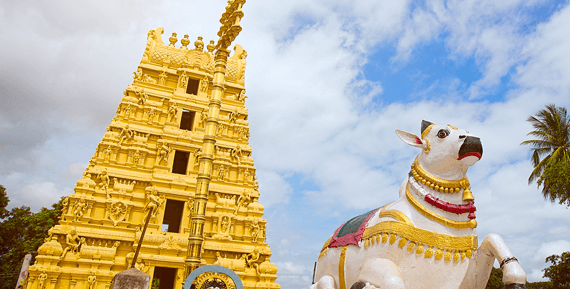
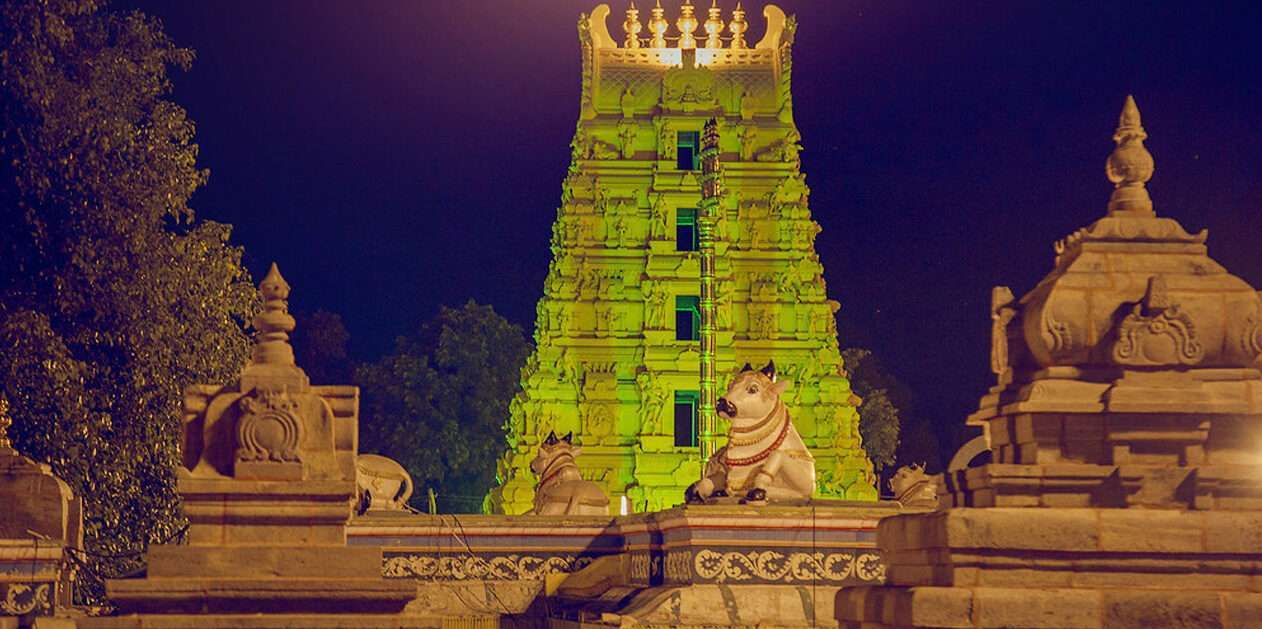
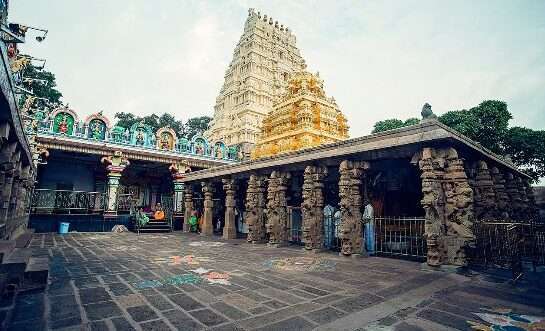
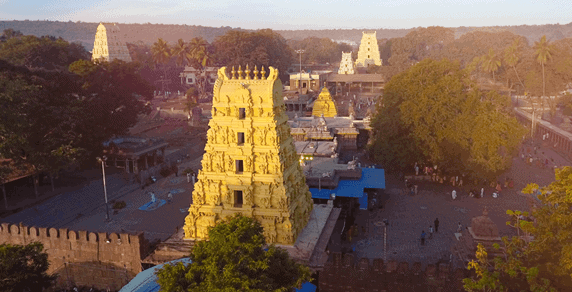
    Introduction:Mallikarjuna Temple, also known as Srisailam Temple, is a heavenly sanctuary in Andhra Pradesh’s Nallamala Hills. This old and spiritually significant temple is devoted to Lord Shiva and Goddess Parvati and draws pilgrims, devotees, and tourists from around the world. This blog will go into the Mallikarjuna Temple’s rich history, architectural marvel, religious significance, and spiritual experiences.

    Architectural magnificence:

    Mallikarjuna Temple

    Mallikarjuna Temple is a monument to its architects’ architectural brilliance. Visitors will be wowed by the temple’s towering gopurams (ornate entry towers), beautifully carved pillars, and stunning statues. The temple complex is a harmonic blend of architectural elements such as Dravidian, Chalukyan, and Hindu.

    Religious Importance:

    Mallikarjuna Temple is an important Hindu pilgrimage site, and it maintains a unique place in the hearts of devotees. The temple is devoted to Lord Shiva, as Mallikarjuna, and Goddess Parvati, as Bhramaramba. Mallikarjuna Jyotirlinga is one of India’s twelve Jyotirlingas.

    Spiritual Experiences

    Mallikarjuna Temple

    Visiting Mallikarjuna  is a spiritual trip that strikes the soul, not just a religious requirement. The quiet aura of the temple, the aroma of incense, and the sound of bells create a tranquil setting. Devotees devote countless hours to meditation, prayer, and connecting with their inner selves. The temple complex also includes a number of smaller shrines and sacred ponds, providing a complete spiritual experience.

    Mallikarjuna Temple: A Gathering Place

    A Gathering Place TRIPOWE

    Mallikarjuna Temple is more than just a place of worship; it is a symbol of inclusivity and unity. People of many backgrounds, faiths, and cultures are welcome at the temple. As a place of worship for centuries, it is a witness to the peaceful coexistence of various groups.

    Celebrations and festivals

    Mallikarjuna Temple

    The temple comes alive during several festivals, the most grandly celebrated being Mahashivaratri. Devotees from throughout the country assemble to mark this momentous event. Fasting, nightlong vigils, and large processions make the event a stunning sight. Karthika Pournami, Vinayaka Chavithi, and Ugadi are other festivals celebrated with comparable zeal. Karthika Pournami, Vinayaka Chavithi, and Ugadi are other festivals celebrated with comparable zeal.

    Visit the Mallikarjuna Temple

    Mallikarjuna Temple

    If you intend to visit Mallikarjuna Temple, you should be well-prepared. During high seasons, the temple might become packed, so plan your visit accordingly. Visitors are encouraged to dress modestly and politely, and photography and cell phones are not permitted on temple grounds. Security precautions are in place to protect pilgrims and tourists.

    Conclusion:

    Mallikarjuna Temple, also known as Srisailam Temple, is a spiritual refuge, an architectural masterpiece, and a tribute to India’s rich tapestry of history and devotion. Its historical relevance, architectural splendor, and spiritual significance make it a must-see site for people seeking spiritual fulfillment.This temple crosses barriers and brings individuals from various backgrounds together, emphasizing the concepts of togetherness and social peace. A visit to Mallikarjuna Temple is more than just a pilgrimage to a hallowed site; it is a trip to the heart of one’s spirituality and religion, where the soul finds consolation and the mind finds serenity.

    click here to Read full Andhra Pradesh blog

    YOUTUBE:- TRIPOWE


  • Somnath jyotirlinga

    Somnath jyotirlinga

    India, a land of different cultures and religions, is a spiritual treasure trove. Somnath Jyotirlinga is one such location, located on the country’s western coast in the state of Gujarat. A name rich in history, spirituality, and natural beauty. Join me on this virtual tour as we discover Somnath’s eternal attraction, where the past and present converge in a mesmerizing way.

    The Temple of Legends

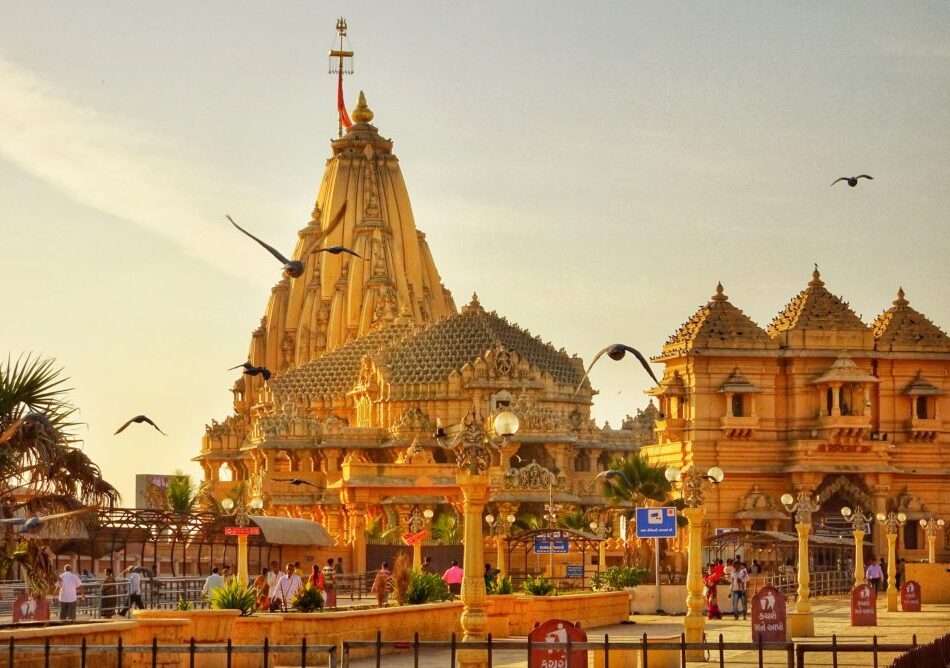
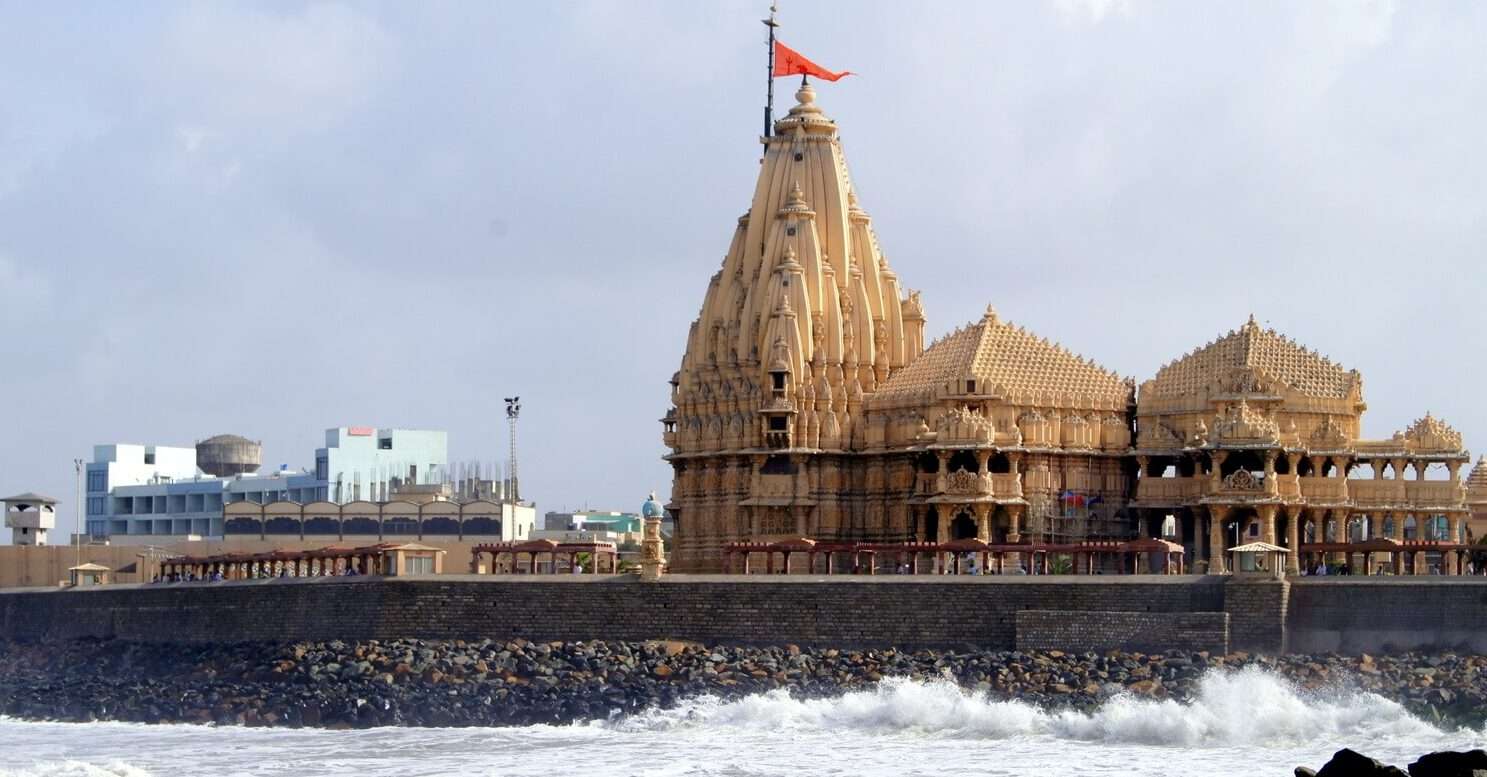
    somnath jyotirlingaSomnath is connected with the legendary Somnath Temple. This ancient shrine is devoted to Lord Shiva, the Hindu god of destruction and transformation. What distinguishes it is its significance as one of the twelve Jyotirlingas, or Lord Shiva’s holy abodes. This temple has weathered the test of time, including multiple assaults and renovations. Each nook is alive with stories of bravery, devotion, and perseverance.

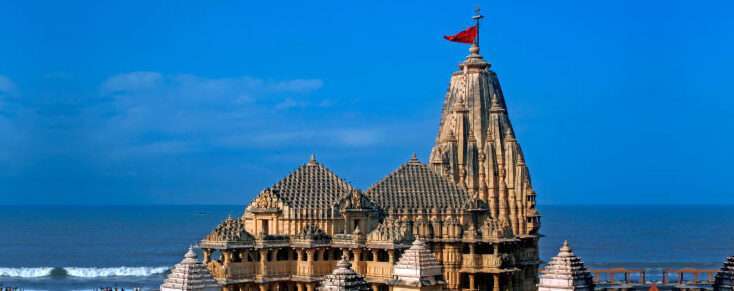
    As you approach the temple, the high spire and beautiful construction attract your attention. The temple’s pure white structure stands out against the azure sky. Stepping inside, you’re surrounded by a palpable spiritual aura. The evening Maha Aarti is a sight to behold. The flames dance in time.

    As you approach the temple, the high spire and beautiful construction of Somnath Jyotirlinga attract your attention. The temple’s pure white structure stands out against the azure sky. Stepping inside, you’re surrounded by a palpable spiritual aura. The evening Maha Aarti is a sight to behold. The flames dance in time to the devotional melodies, and a sensation of calm rushes over you as you join the chorus of believers. It’s an encounter that goes beyond religion, hitting the heart of human spirituality.

    A Walk Through History

    Somnath’s history is a tapestry weaved with threads of faith and tenacity. The temple has been destroyed countless times, most notably by foreign invaders, yet each time it has been rebuilt with unflinching determination. This represents the Indian spirit’s tenacity and its unbreakable bond with the Almighty.

    The Gir Forest National Park: A Wildlife Adventure

    somnath jyotirlinga

    While Somnath is most renowned for its spiritual significance, it also provides a rare opportunity to explore Gujarat’s untamed side. Gir Forest National Park, the only natural habitat of the beautiful Asiatic lions, is only a short drive away. A safari in the forest allows you to see these magnificent species in their natural habitat. The exhilaration of spotting a lion in the midst of the difficult landscape is an experience you’ll remember for the rest of your life.

    Gir is home to a varied diversity of flora and fauna, in addition to lions. The park’s biodiversity is enhanced by the colorful birdlife, spotted deer, and leopards. So, if you enjoy nature, don’t miss out on this unforgettable experience when visiting Somnath.

    Somnath Beaches: Scenic Serenity

    somnath jyotirlinga

    Somnath, in addition to its spiritual and wildlife attractions, has lovely beaches that are ideal for relaxation and pleasure. Veraval Beach and Somnath Beach are two famous examples.

    Veraval Beach is a peaceful location where you can relax and enjoy the soothing feelings of the Arabian Sea. The tempting clean seas and sandy shoreline make it a great spot for a leisurely stroll or simply sitting and watching the waves crash against the rocks.

    Somnath Beach, on the other side, provides stunning views of the distant Somnath Temple. It’s a great place to see the sunset, when the temple appears to glow with an ethereal light. The beach is usually less busy, allowing you to have a calm time, with the sound of the waves providing a soothing soundtrack to your thoughts.

    Gujarati Delights

    Gujarati Delights tripowe

    Gujarat is well-known for its wonderful cuisine, and Somnath is no exception. Make sure to sample some of the local cuisine during your visit. Popular snacks include dhokla, khandvi, and thepla. Gujarati food is a feast for the taste buds due to the bright tastes, usage of spices, and unique balance of sweet and savory.

    Visit local eateries for traditional Gujarati thalis while in Somnath. The range of meals served on a single platter gives you a taste of the region’s gastronomic diversity.

    Cultural Changes

    Take the time to mingle with the locals to completely immerse yourself in the soul of Somnath Jyotirlinga. Their hospitality is warm, and their anecdotes about the town’s history and culture are fascinating. Visit adjacent villages to see traditional crafts like weaving and pottery. Interacting with the artists might reveal insights into the creativity passed down through generations.

    Travel Advice:

    If you’re considering a vacation to Somnath, here are a few pointers to make the most of your time there:

    Best Time to Visit:Somnath can be visited all year; however,  the winter months (October to March) are the most enjoyable. The summer months can be extremely hot.

    Accommodation:Somnath offers a variety of hotel alternatives, from economical to luxurious. It is best to reserve ahead of time, especially during peak tourist season.

    Dress code:It is necessary to dress modestly when attending the temple. Men should dress in traditional Indian clothes, while ladies should wear sarees or salwar kameez.

    Local Customs: Respect local customs and traditions. Avoid public displays of affection and follow the temple’s visitor guidelines. Transportation: Somnath is well connected by road and rail. The nearest major railway station is Veraval, and the nearest airport is Diu Airport.

    Transport:Somnath is easily accessible by road and rail. Veraval is the nearest major railway station, while Diu Airport is the nearest airport.

    Final Thoughts

    tripowe

    Somnath Jyotirlinga, with its blend of history, spirituality, and natural beauty, is a memorable destination. The appeal of stories and the resonance of faith bring visitors from all over the world. It’s a location where time stops and the past and present coexist together. A trip to Somnath is more than just a physical adventure; it is a spiritual awakening that lasts long after you leave.

    Consider exploring the magical beauty of Somnath, where devotion and history come together in an exquisite tapestry of experiences, when planning your next journey.

    YouTube Channel: – TRIPOWE


  • Exploring the Char Dham Yatra: Embarking on a Spiritual Journey:

    Exploring the Char Dham Yatra: Embarking on a Spiritual Journey:


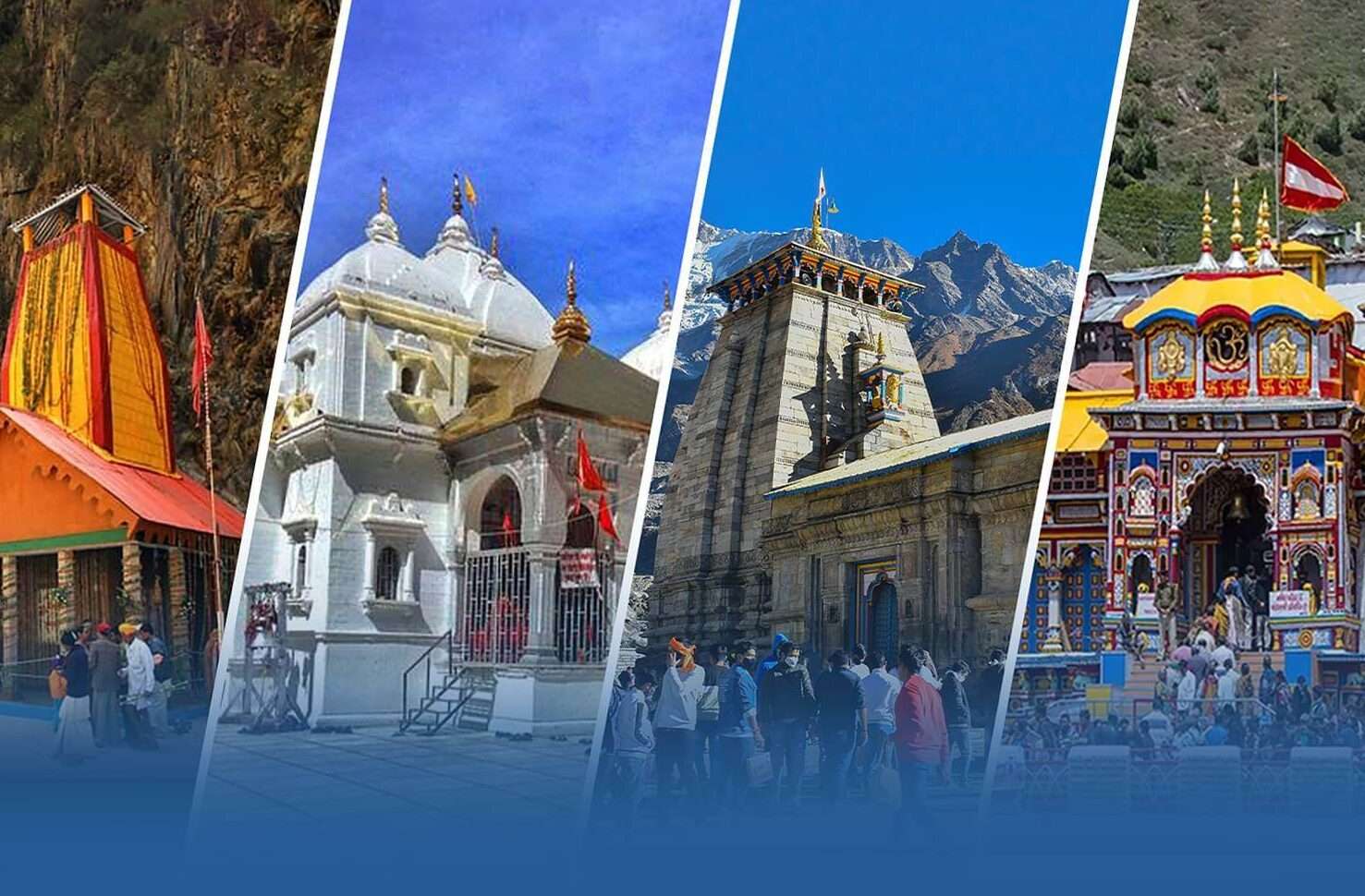
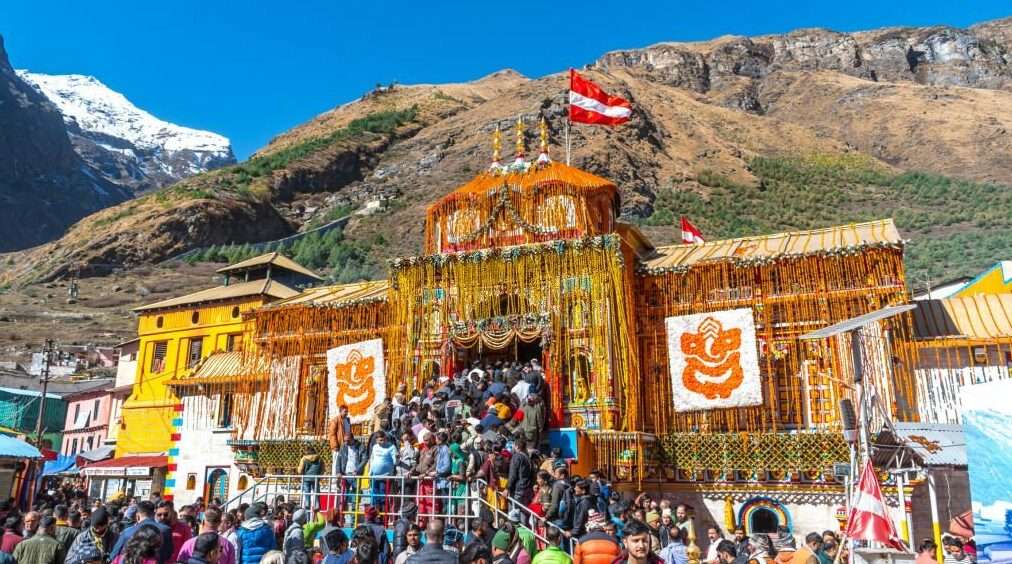
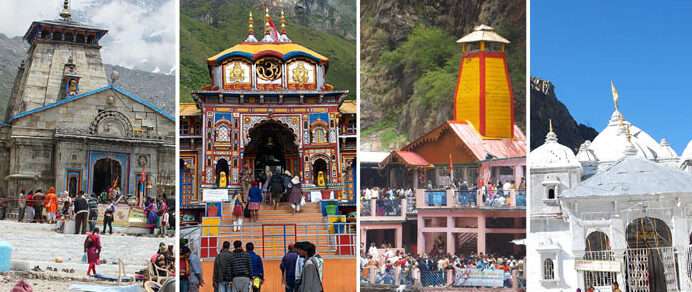
    A trek down Char Dham Yatra, the Ganga, Yamuna, Mandakini, and Alaknanda, is an experience not to be missed. It is a journey that takes you to four famous holy sites and is an amazing experience for all enthusiasts. Chota Char Dham is a spiritual journey across four pilgrimage sites in India: Yamunotri, Gangotri, Kedarnath, and Badrinath, all of which are located in Uttarakhand. Hindus believe that everyone should visit these sites at least once in their lives.

    When is the best time to visit?

    However, the four locations stay open, from Akshaya Tritiya to Bhai Dooj. The months of May and June are ideal for visiting them because the weather is lovely and the climatic conditions are favorable. The yatra takes about 11–12 days to complete. You will meet people from all over the world, some worshiping and others simply enjoying these incredible sights.

    Places to Stop Along the Way

    Tapovan:

    Char Dham Yatra

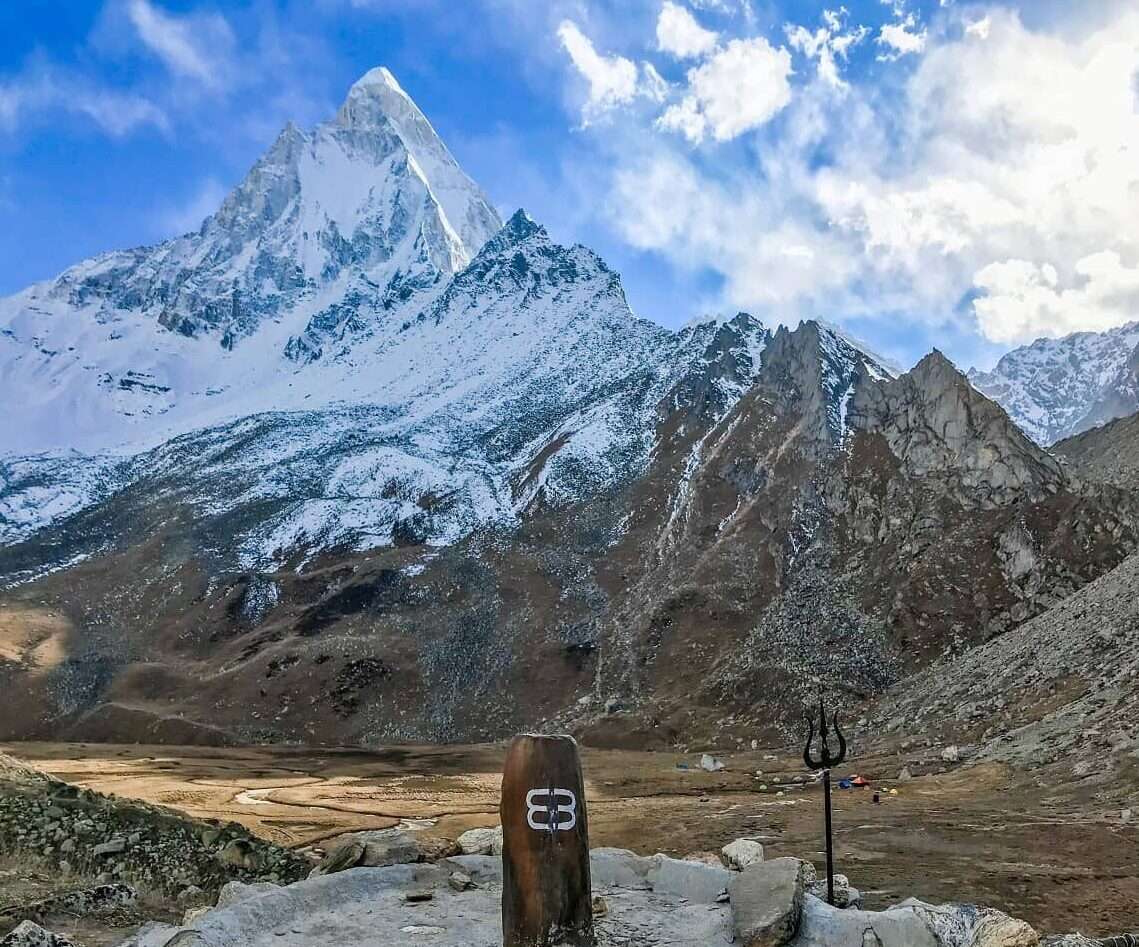
    It is a summer home for numerous sadhus who live in caves, huts, and other structures. It has been a famous trekking destination in recent years, with visitors traveling long distances to explore the vast grasslands of Tapovan, which are adorned with many flowering species.

    Gaumukh:

    Char Dham Yatra

    This glacier serves as the source of water for the River Ganga, which is why it is so important to Hindus. It is 18-kilometer trek from the Gangotri Glacier. The terminus of this glacier resembles the mouth of a cow, thus the name Gaumukh.

    Chopta:

    Char Dham Yatra

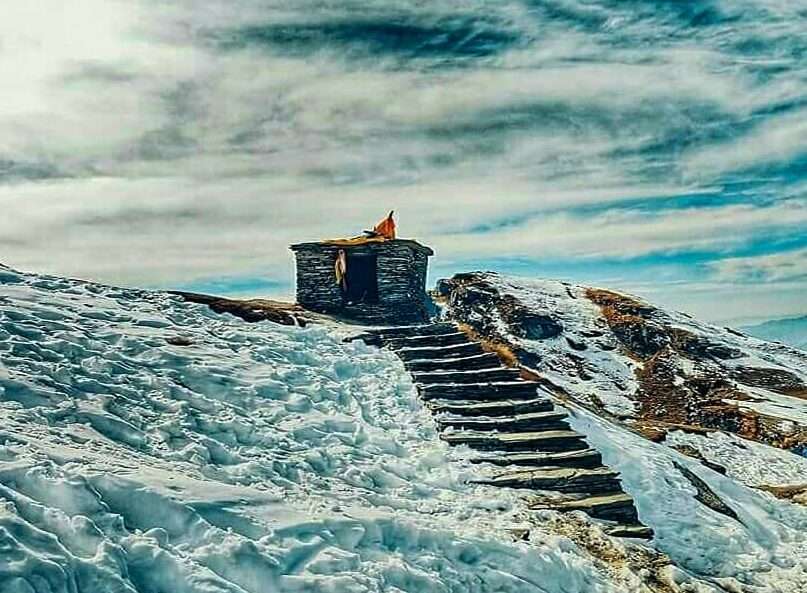
    This valley is well-known among travelers. It’s away from all the hustle and bustle. You can come here to rest or to participate in adventure sports.

    Hemkund Sahib:

    Char Dham Yatra

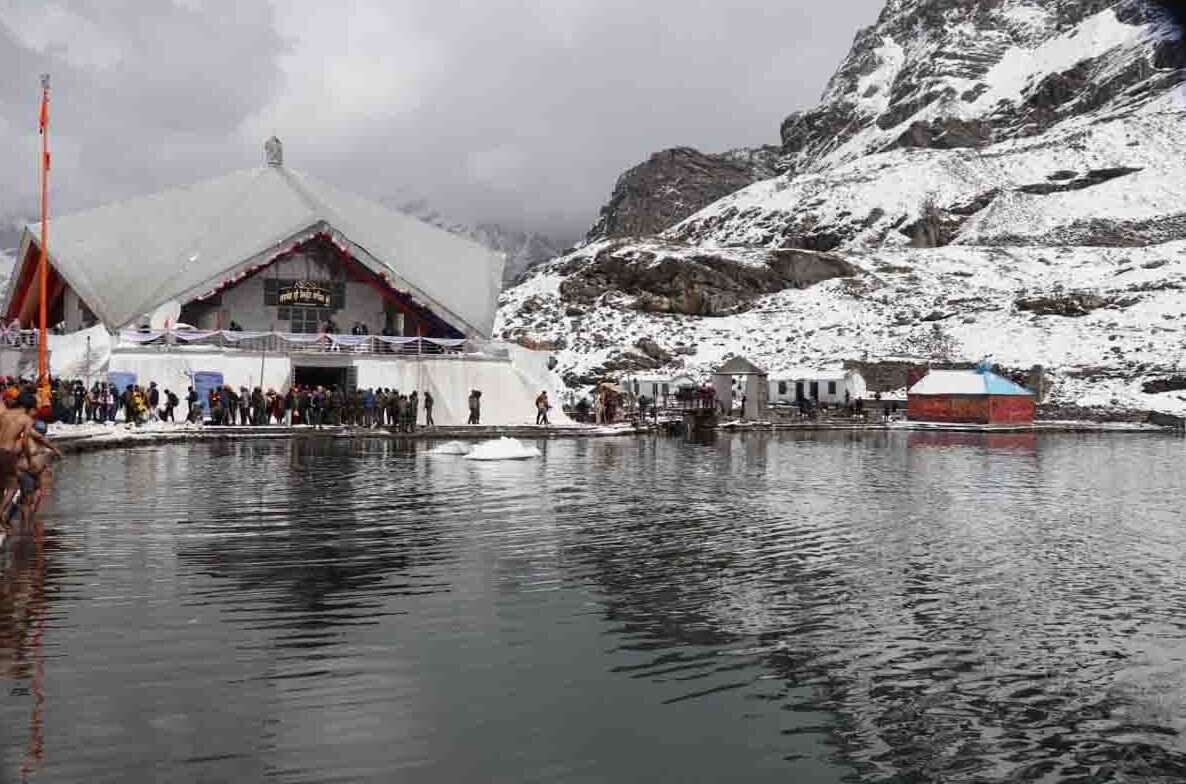
    This Gurudwara, located beside a lake, is dedicated to Guru Govind Singh Ji, the tenth Sikh Guru. You can find inner calm while admiring the Gurudwara’s splendor by meditating there.

    Auli:

    Char Dham Yatra

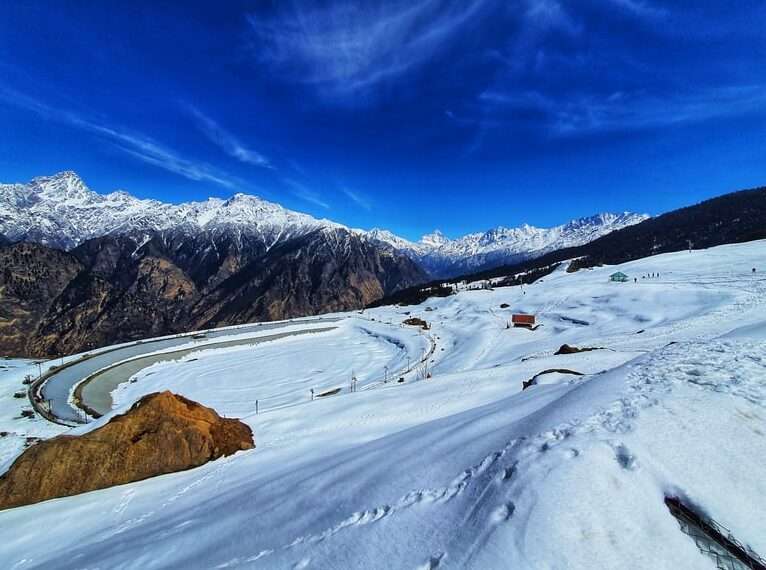
    A frigid sanctuary that many people visit all year. It’s a skiing destination surrounded by a variety of plants. The snowy mountain peaks and dense forests provide a warm and comforting atmosphere.

    Vasuki Tal:

    Vasuki Tal

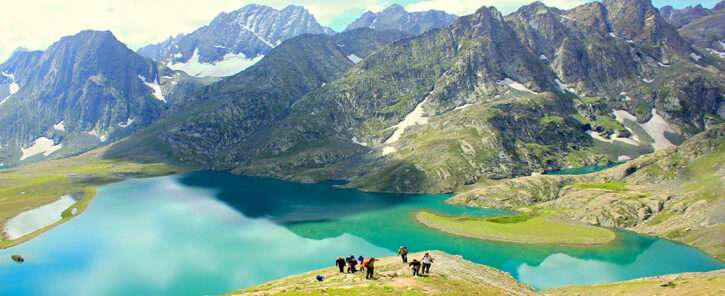
    It’s a lake near Kedarnath. The most breathtaking scenery you’ll ever see. In the winter, the lake freezes and there is no vegetation surrounding it.

    Yamunotri Dham

    Yamunotri Dham

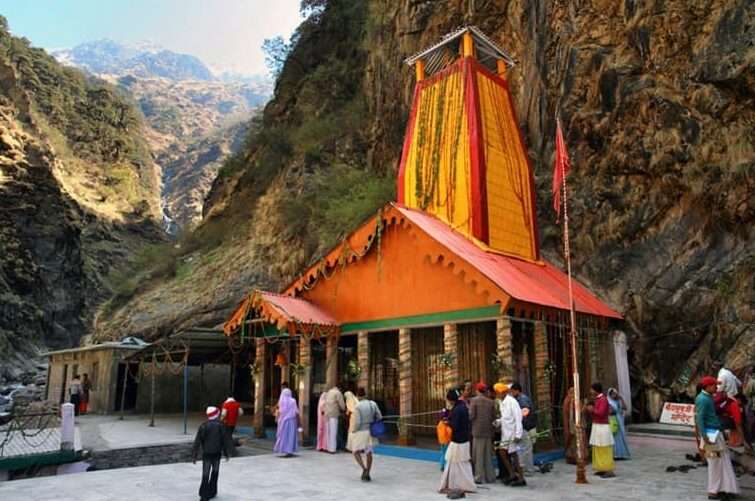
    It will most likely start with Barkot. You will travel up to the Yamunotri Dham, followed by a 7-kilometer hike. You might also go to Uttarkashi, which is only approximately 100 kilometers from the Gangotri Dham.

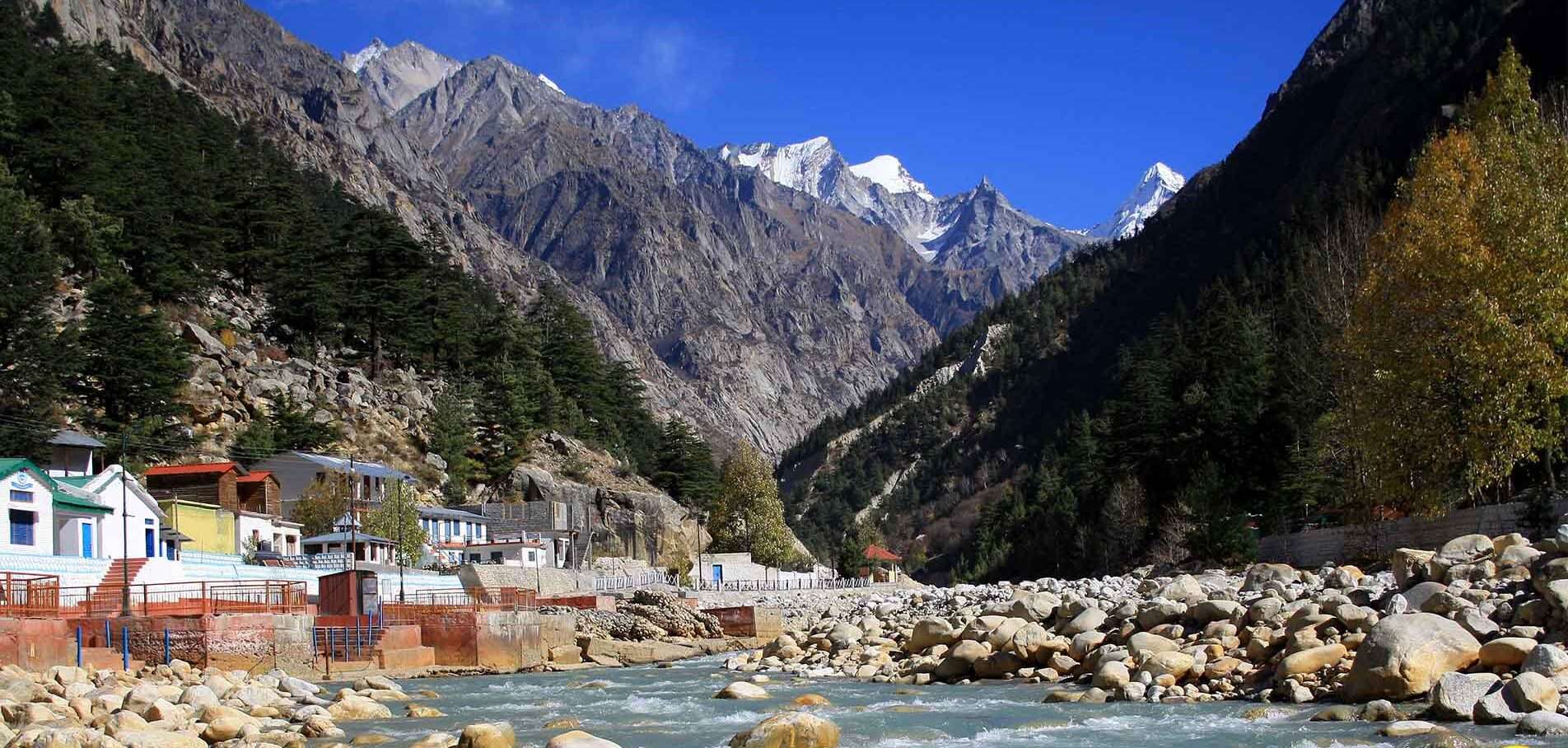
    Yamunotri is the source of the Yamuna, India’s second most sacred river. The Yamunotri temple is thought to have been built in 1839 by Tehri’s ruler, Naresh Sudarshan Shah. On this tour, you will visit one of the pilgrimage sites. The temple is a work of art in and of itself, and the devotees add to its tranquility and beauty. While flowing down from one side of the temple, the Yamuna River is stunning.

    Gangotri Dham

    Char Dham Yatra

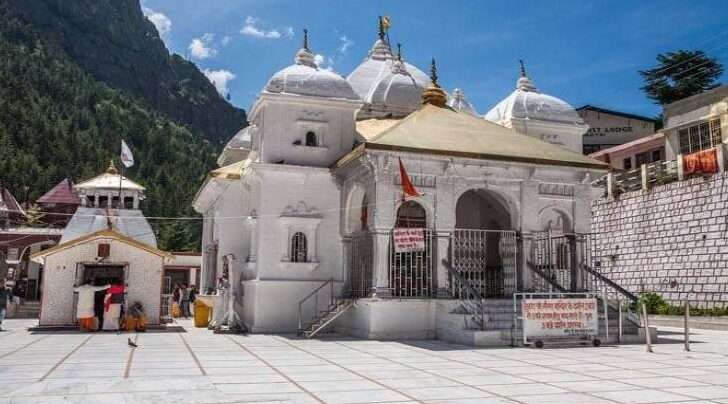
    This is one of the four sites that comprise the Chota Char Dham and is located in the Uttarkashi district of Uttarakhand. The Hindus revere the shrine for its unparalleled beauty. Another important point is that stories hold that this is where the Ganga descended from heaven. Amar Singh Thapa, a Gorkha commander, erected the current temple in the early 18th century. The river has traditionally been regarded as the purest. People come here to seek moksha.

    Kedarnath Dham

    Kedarnath Dham

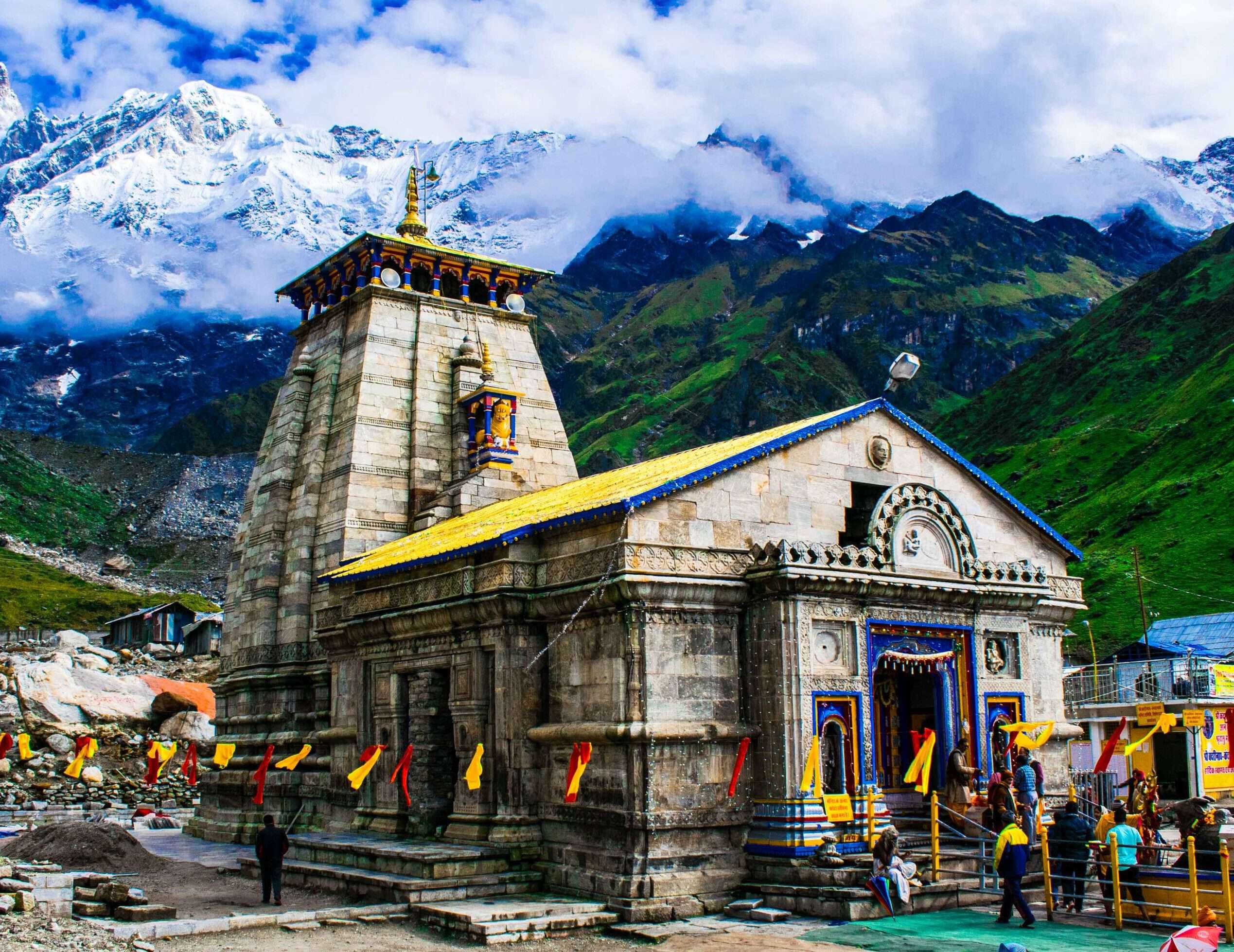
    You can drive to Kedarnath, which is roughly 180 kilometers from Uttarkashi, and then hike uphill for about 21 kilometers. Inscriptions written in Pali can be found in this old temple. Adi Shankaracharya Ji erected the current temple. Sculptures of many deities and mythological settings may be found on the temple’s inner walls. A big statue of the Nandi Bull can be found on the temple’s exterior. The temple is located in the Garhwal Himalayas. The Kedarnath shrine is surrounded by breathtakingly gorgeous snow-covered mountains. After visiting this location, you will undoubtedly feel at ease.

    Badrinath Dham

    Char Dham Yatra

    Then proceed to Rudraprayag, which is only 160 kilometers from Badrinath Dham, the final Dham on your Yatra.This religious location, located in Uttarakhand’s Chamoli district, is set against the backdrop of the Neelkanth mountain peak, which takes one’s breath away. This location is said to be Lord Shiva’s residence and is steeped in myths and tales. People come from all over the world to hear the gurus’ and sadhus’ stories. This location is very popular during the Mahashivratr festival.

    Alternative Options

    You might want to finish your Char Dham Yatra in a few days. Choose the Chardham Helicopter Tour to accomplish this. The journey begins in Yamunotri and continues to Gangotri, Kedarnath, and ends in Badrinath. It will take around 4-5 days, but you will be able to travel at your own leisure.

    Some Last-Minute tips for Char Dham Yatra

    Char Dham Yatra

    At all times, dress comfortably and warmly.

    If you are not feeling well, do not try the voyage.

    Carry a variety of medications with you.

    Keep in touch with your family and friends.

    Carry some form of identification with you in case of an emergency.

    If you are unsure of the routes, hire a guide or consult maps.

    Carry a low-cost/local cellphone for safety.

  • Devarayanadurga Bangalore : Best Time to Visit, Location,

    Devarayanadurga Bangalore : Best Time to Visit, Location,


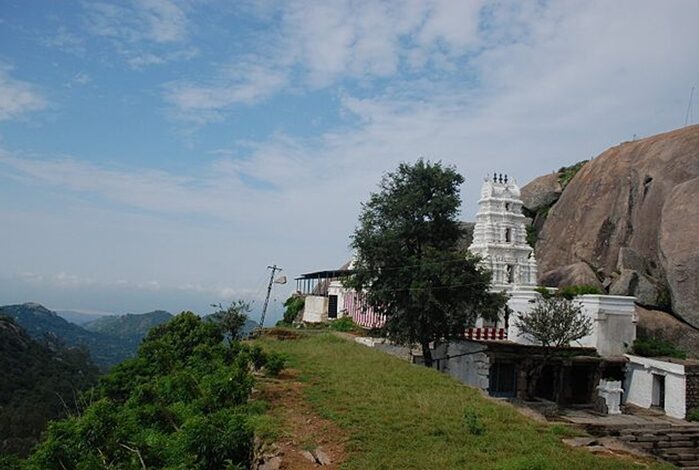
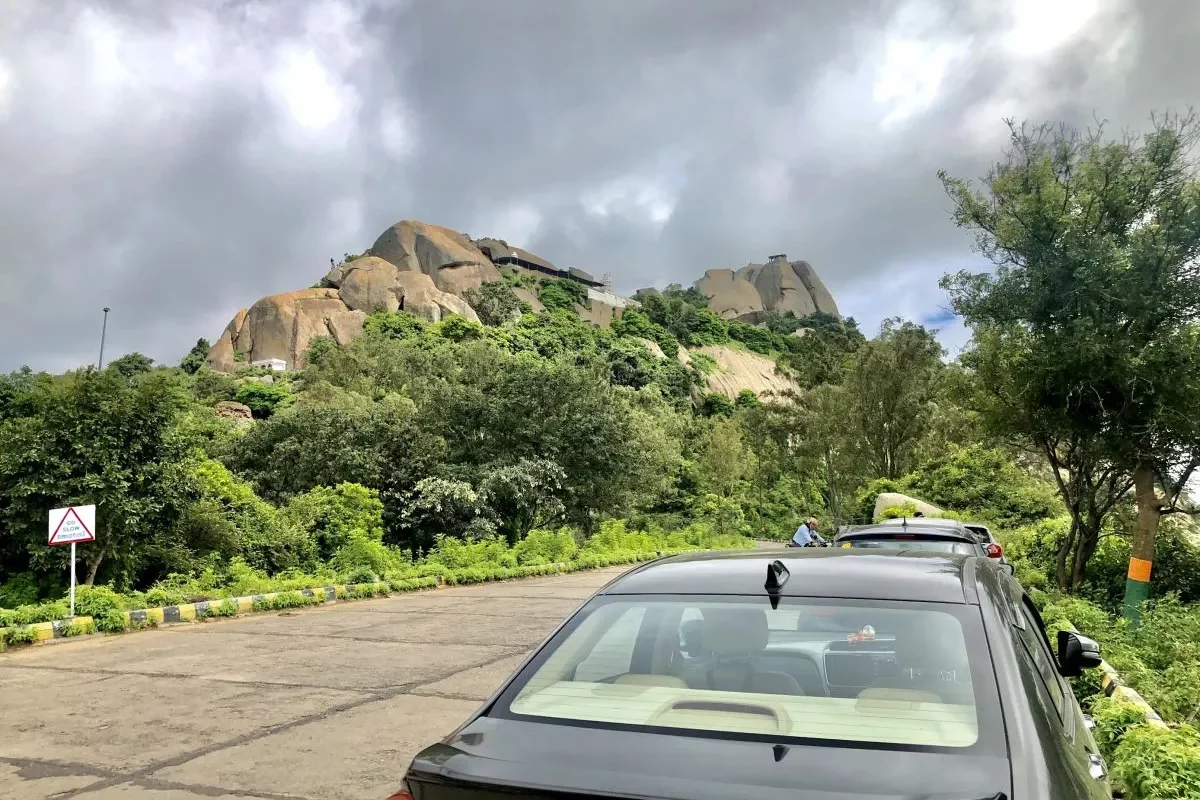
    There are many temples in India that are perched atop hills, like Devarayanadurga. The about 4000-foot-high mountain is accessible through a 1.5-hour drive from Bangalore and is a well-liked trekking location. In this way, the location allows you to seek blessings in addition to escaping city life. Take some time out for a quick but worthwhile day excursion to Devarayanadurga the next time you are staying at a hotel in Bangalore.

    Here is all the information you require about this weekend escape from Bangalore, including its history, opening hours, admission cost, and architectural features:

    Information about Devarayanadurga, Bangalore Location

    District of Tumkur in Karnataka

    Type: Site for pilgrimage and hiking

    Altitude: 3,940 feet

    Temple Construction Year: At least in the mid-17th century

    Temple construction: Dravidian

    Temple Hours : 10 a.m. to 5 p.m.

    Entrance Fee: N/A

    Trek Length: 2 km

    Trek Level of Difficulty: Easy-to-moderate

    Ideal Season to Visit : Oct. through Feb.

    How far is the Bangalore Airport? 84.8 km

    Closest train station Tumkur

    History of Devarayanadurga :

    Devarayanadurga

    The three main Devarayanadurga attractions—Yoga Narsimha Temple, Bhoga Narsimha Temple, and Namada Chilume—each have their own unique legendary histories.

    It is stated that the Yoga Narsimha Temple was erected where Lord Vishnu in his Narsingha incarnation and Goddess Lakshmi visited Lord Brahma after a protracted period of penance. Sage Durwasa, the most enraged of them all, visited Lord Brahma as he was performing penance and placed an idol of Narsingha where the Bhoga Narsimha had previously been.

    Nearly 6 miles away from the hills, Namada Chilume has a long history that dates back to the Ramayana. According to legend, Lord Ram and Sita spent some time at the hill while they were in exile. In search of water to apply sandalwood paste on this forehead one day, Lord Ram was unable to locate any. He then used an arrow to pierce a boulder, releasing water that was claimed to be a natural spring called Namada Chilume.

    Realistically, the history of the temple dates at least to the 17th century, when Kanthirava Narasaraja I, the then-king of Mysore, is reported to have built the temples. Some accounts, however, attribute the construction of the shrines to the Chola Kings, who dominated the region from the third century BC until the thirteenth century AD.

    Devarayanadurga: Building

    The ornately carved vimana (pyramidal tower) over each temple’s interior chamber distinguishes Devarayanadurga’s temples from other South Indian architecture. A few of the temples’ interior pillars bear inscriptions that provide a look into their past as well as details on all the patrons who have built or periodically restored them. The temples’ entrances face east in accordance with Hindu tradition.

    Devaryanadurga: Right now

    Devarayanadurga is an excellent destination for a day trip from Bangalore and attracts a sizable number of tourists, including both pilgrims and those who enjoy trekking. On the grounds of the lower Bhoga Narsimha Temple, there is a sizable pond where you might encounter a number of monkeys. A chariot festival is held at the adjacent Lakshmi Narasimha Swamy Temple in the months of March or April. During it, Lord Narsimha’s idol is mounted on a gold-laden chariot and driven through the streets. In a ceremony known as Giri Pradakshine, devotees travel from the surrounding area to this location and round the hill. Sri Lakshmi Narasimhaswamy Jayanthi is a different celebration.

    Devinadurga: Trek

    Devinadurga

    Starting with a brick and mortar building that resembles a turret tower, the hike begins at the foot of the hill. This is so that the hillock can also serve as a fort! A 100-step staircase leads to the Yoga Narsimha Temple at the summit from the Bhoga Narsimha Temple, which is situated at a little elevation. The actual hilltop is higher up, but to get there, one must traverse some dangerous ground and scale some boulders. On top of the hill is a mandap, or open pillared hall, from which one can see the temple below, the surrounding area’s vegetation, and the road that ascends to the hill’s base.

    Visitor Attractions in Devarayanadurga

    Temple of Bhoga Narsimha

    Temple of Yoga Narsimha

    Temple Cave

    Mountian mandap

    Temple of Lakshmi Narasimha Swamy

     Activities close to Devarayanadurga

    Chilume(6 km) Namada

    Goravanahalli(20.6 kilometres)

    Nijagal Betta(21.6 kilometres)

    Temple of Kaidala Shri Chennakeshava Swamy (24.1 kilometres)

    Kyamenahalli(27.2 kilometres)


  • Lotus Temple, Delhi

    Lotus Temple, Delhi


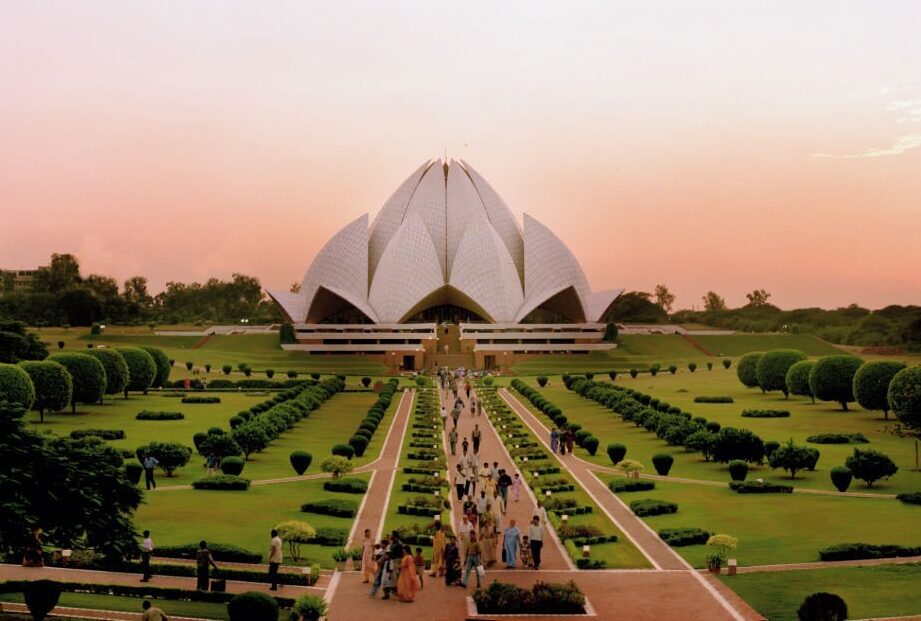
    One of the most popular tourist destinations in the National Capital is Delhi’s Lotus Temple, commonly known as Kamal Mandir. It is an unparalleled architectural marvel. With its stunning white petals and lotus-like shape, it creates for a breath-taking spectacle and draws countless tourists all year long. The Bahai House of Worship, unlike the majority of other houses of worship, forbids ritualistic rites and has no set schedule for worship services. This centre of worship, a magnificent representation of unity, must be on your agenda when making travel plans and hotel reservations in Delhi.

    Wish to learn more? Here is all the information you need to know about the Delhi Lotus Temple, including its background, structure, hours of operation, and other specifics.

    Lotus Temple Details:

    Location: Kalkaji’s Lotus Temple Road

    October through March

    9:30 am to 5:30 pm, 9:30 am to 7:00 pm from April to September; closed on Mondays

    Entrance Fee: Free

    Camera There are no camera fees, but you must obtain special permission to take pictures.

    Status: The House of the Baha’is

    Timings for prayer: 10, 12, 3, and 5 o’clock

    Ideal Time to Visit: October through March

    Founded in: 1986 Architect Fariborz Sahba Size 26 acres Materials Marble

    Cost of Construction: $10,000,000

    Lotus Temple: Directions

    Due to the numerous routes that connect Lotus Temple to the city, it is simple to get there. Among them are:

    By Road: Eight to ten DTC bus lines pass close to the Lotus Temple. Also available are taxis and autorickshaws.

    By Metro: Kalkaji is 500 metres away from Lotus Temple and is the closest metro station.

    The closest train station to the temple is New Delhi Railway Station.

    Historically, Lotus Temple
    Lotus Temple

    Inn of the Lotus A Bahai House of Worship in Delhi, also known as Mashriqu’l-Adhkár, was inaugurated to the general public in December 1986. It is devoted to the unity of all religions and humanity, just like all other Bahai temples are. All religions’ adherents are welcome to congregate here for prayer, worship, and Bible reading. One of the seven principal Baha’i Houses of Worship, and the only one in Asia, is said to be located in Delhi and is known as the Lotus Temple.

    Lotus Temple: Actions to take

    Anyone who would be interested in engaging in them can choose from four main or “core” activities offered by The Lotus Temple. You can learn more about Lotus Temple and Bahai principles through these activities. These consist of:

    Classes for kids:

    Through Bahai teachings, these seminars seek to instill qualities like generosity, justice, kindness, unity, courage, truthfulness, dependence on God, and service to humanity.

    Youth Classes for Juniors:

    In these lessons, kids between the ages of 11 and 14 are encouraged to grow intellectually and spiritually.

    Study Groups:

    These gatherings are meant to help people develop a spiritual consciousness by making a thorough study of Bahai Writings, Prayer, and Life and Death.

    Architecture

    This lotus-inspired building spans 26 acres of land and is surrounded by lush, planted gardens. It is made from white Greek marble and has 27 petals when it is standing alone. As stated in the Bahai scripture, these petals are arranged in groups of three to give the building a nine-sided circular shape. A massive central hall with nine entrances and a height of around 40 metres is revealed. The temple can hold 2500 people at once and has a sitting capacity of 1300 people.

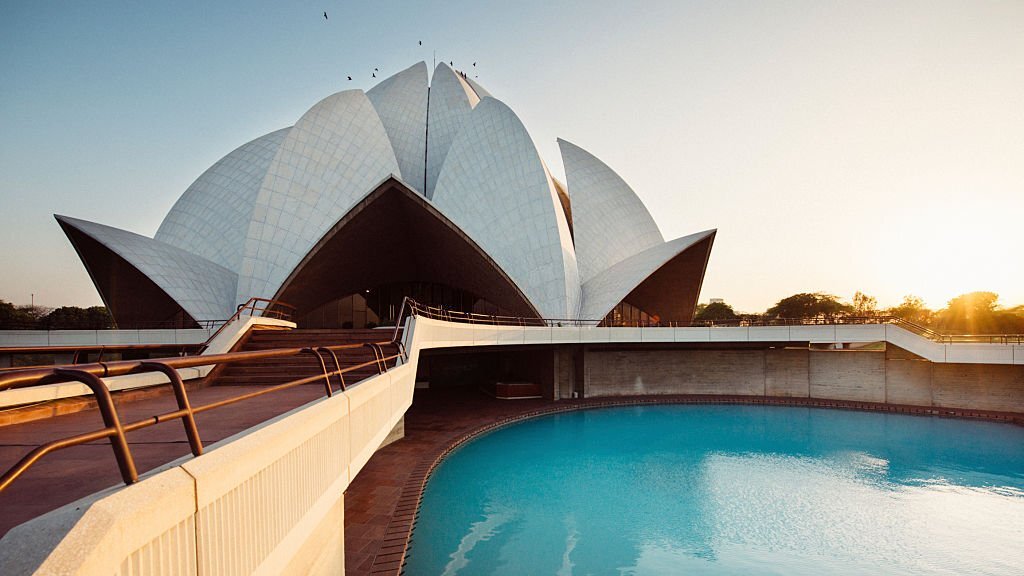
    The Lotus Temple lacks altars or pulpits, which are fixtures of all Baha’i Houses of Worship. There are no statues, photos, or other images inside either. The nine pools of water that surround the petals are a striking aspect of the temple. They resemble a half-bloomed lotus in a body of water, and the entire structure is stunning when lit up at night.

    The structural design of this temple was created by the Iranian-American architect Fariborz Sahba and the UK company Flint and Neill. The temple’s construction was handled by Larsen & Toubro Limited’s ECC Construction Group, and it cost $10 million to build.

    Lotus Temple: Today
    Lotus Temple

    The Lotus Temple is unquestionably one of Delhi’s most well-liked religious and tourism destinations today. The temple was one of the most frequented buildings in the world by the end of 2001, with more than 70 million visitors from all around the world. The temple attracted more than 100 million visitors as of April 2014, according to the Indian government. The temple frequently appears in books, movies, and television shows, and it has earned numerous prizes for its entrancing design.

    Facts About Lotus Temple That Are Less Well Known

    It is one of the world’s most visited structures, with about 4.5 million people annually.

    A 6.50 rupee postage stamp in India features the temple.

    The lotus is a ubiquitous emblem in Hinduism, Jainism, Buddhism, and Islam, which is why Fariborz Sahba picked it.

    It uses solar energy for the first time among temples in the capital.

    A Bahai believer from Hyderabad in Pakistan’s Sindh province named Ardishr Rustampr gave his entire savings to pay for the land for the temple.

    Nearby Attractions to Lotus Temple

    Goddess Kali is worshipped in the Kalkaji Mandir, which is located 600 metres away. In Delhi, one of the busiest Hindu temples is Kalkaji Mandir. Additionally, the closest metro stop to the Lotus Temple is Kalkaji.

    ISKCON Temple (2.6 kilometres)

    The ISKCON Delhi temple, also known as Sri Sri Radha Parthasarathi Mandir, is a well-known Vaishnav temple dedicated to Lord Krishna and Radharani as Radha Parthasarathi.

    Humayun’s Tomb (6.5 kilometres)

    Another UNESCO World Heritage Site and a magnificent example of Mughal architecture is Humayun’s Tomb. It is the tomb of Humayun, the Mughal emperor, and it is encircled by lovely gardens.

    India Gate (8.6 km)

    A war memorial called India Gate is situated in the centre of New Delhi. Large lawns all around the monument make it a well-liked location for picnics and evening strolls.

    Qutub Minar (9.8 km)

    One of Delhi’s most well-known historical sites and a UNESCO World Heritage Site is the Qutub Minar. It is a 73-meter-tall, towering minaret constructed of red sandstone and marble. There are many ways to get from Lotus Temple to Qutub Minar, including via bus, metro, or taxi.

     Lodhi Tomb (10KM)

    A historical park, Lodhi Gardens has Sayyid and Lodhi dynasty artefacts from the 15th century as well as wonderfully designed gardens.

    Akshardham Temple(13.1 kilometres)  –

    Modern Hindu temple complex recognised for its beautiful architecture and rich carvings is called Akshardham Temple.

    The Lotus Temple (Kamal Mandir), in India’s bustling capital city, is a tranquil haven where you can worship and contemplate in solitude. At the same time, you may see one of the most magnificent constructions in the entire globe here. Why not make plans to go to the Lotus Temple in Delhi and spend some time admiring it and feeling at peace there?