Category: Religious

  • The Mythical Suvarchala Hanuman Temple: A Hidden Gem.

    The Mythical Suvarchala Hanuman Temple: A Hidden Gem.

    The Mythical Suvarchala Hanuman Temple: A Hidden Gem.

    India, recognized for its rich spiritual tradition, has several temples devoted to various deities. Temples dedicated to Lord Hanuman, the powerful monkey god, are especially adored. However, one distinct and lesser-known temple stands out because it is associated with Lord Hanuman’s wife, a figure who is rarely acknowledged in traditional Hindu mythology. In this blog you will come to know about Suvarchala Hanuman Temple.
    Was Lord Hanuman Married ? 

    The Story of Lord Hanuman and His Wife.

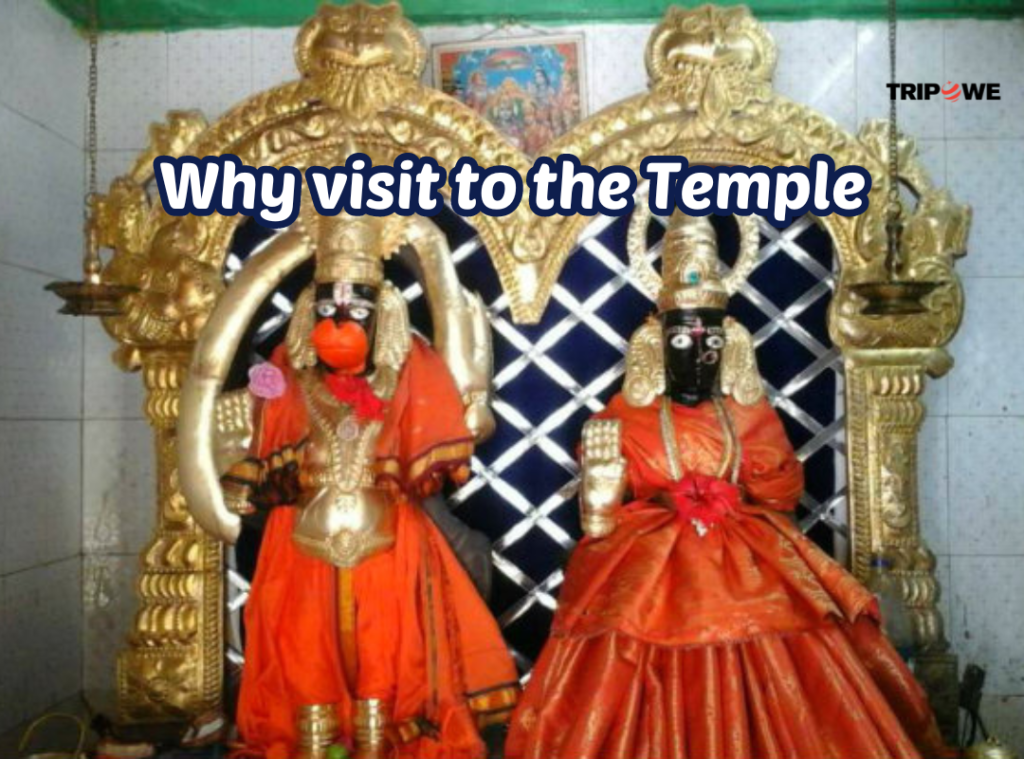
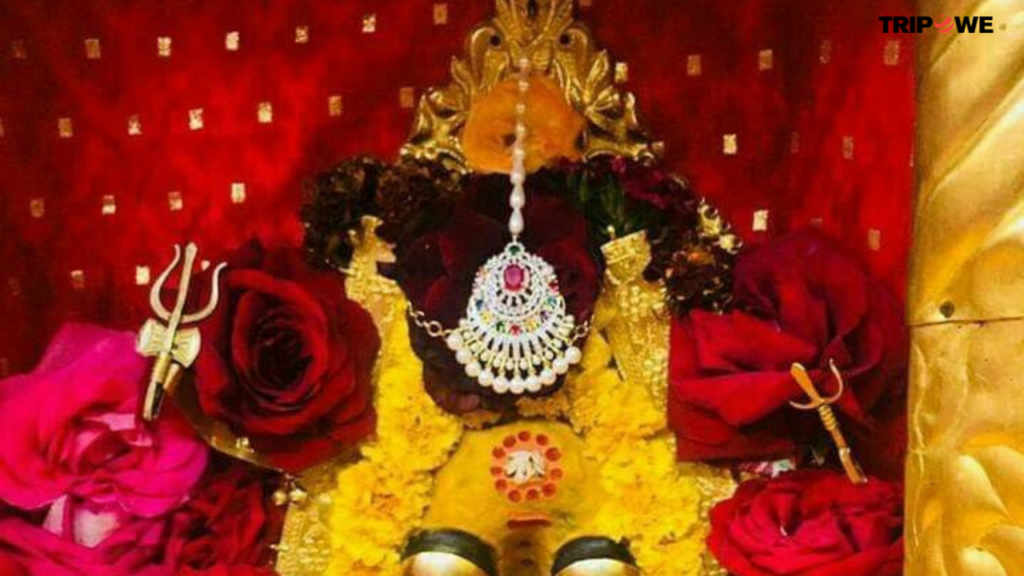
    Lord Hanuman, a central protagonist in the Indian epic Ramayana, is frequently praised for his devotion to Lord Rama and his celibacy existence, which earned him the moniker “Brahmachari.” However, in some regions of India, particularly in the Khundra hamlet in Uttar Pradesh, there is a belief that Lord Hanuman had a consort named Suvarchala Devi. Suvarchala, according to legend, was the daughter of Surya, the Sun God who also served as Hanuman’s instructor. This marriage, it is thought, was a symbolic union that occurred as part of his yogic ascension, preserving his vow of celibacy.

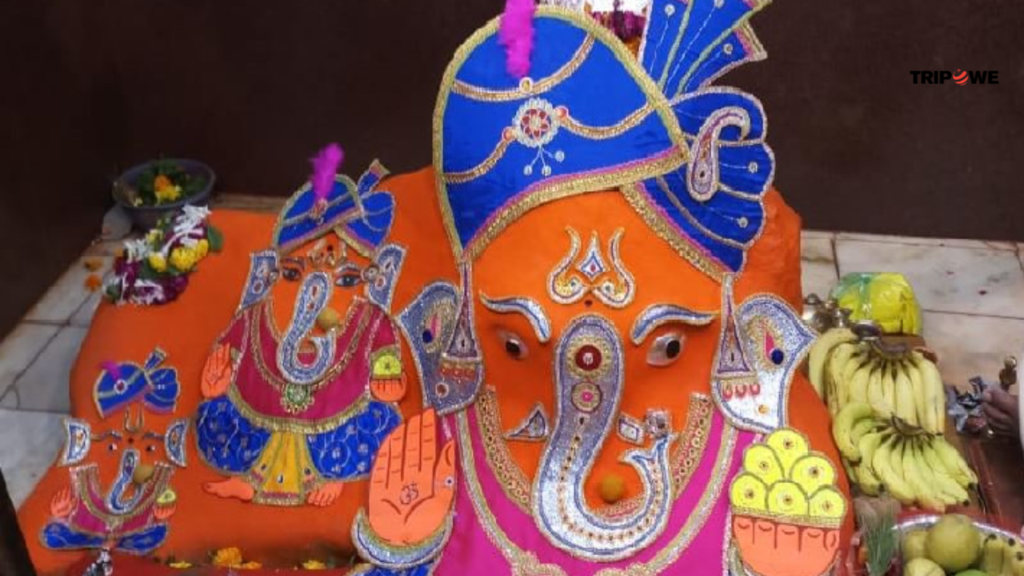
    This unusual facet of Lord Hanuman’s mythology is preserved at the Suvarchala Hanuman Temple, where both deities are worshipped together. The existence of this temple amazes both devotees and historians, providing a unique viewpoint on Hanuman’s heavenly position.

    Suvarchala Hanuman Temple: A Spiritual Experience.

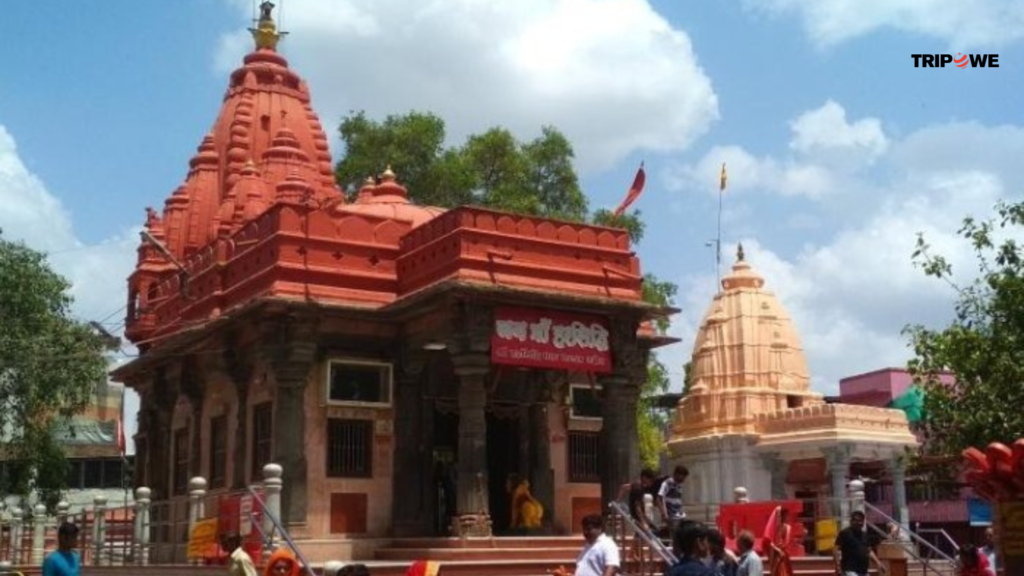
    The Suvarchala Hanuman Temple, located in the tranquil village of Khundra, Uttar Pradesh, is one of the few temples in India to depict Lord Hanuman and his wife, Suvarchala Devi. This temple, while not as well-known as other Hanuman temples such as the Sankat Mochan Temple in Varanasi, is significant culturally and spiritually for those who believe in this version of the mythology.

    Why visit to the Temple of Lord Hanuman and His Wife?

    Suvarchala Hanuman Temple Tripowe.com

    Visiting the Suvarchala Hanuman Temple provides not only spiritual consolation, but also an opportunity to learn about a lesser-known component of Hindu mythology. For both devotees and spiritual seekers, this temple provides an opportunity to connect with the holy in a way that stresses love, devotion, and interpersonal balance.

    Furthermore, the temple’s calm environs provide a peaceful escape from the rush and bustle of city life. Pilgrims and tourists alike like the peace and quiet of the location, which enhances the spiritual experience. Many people attend the temple on Hanuman Jayanti, the festival commemorating Lord Hanuman’s birth, when unique rites and ceremonies are performed.

  • Jwala Devi temple : where the fire comes from the devi places

    Jwala Devi temple : where the fire comes from the devi places

    Jwala Devi temple : where the fire comes from the devi places

    1.Form of Maa Jwalamukhi

    Jwala Devi temple

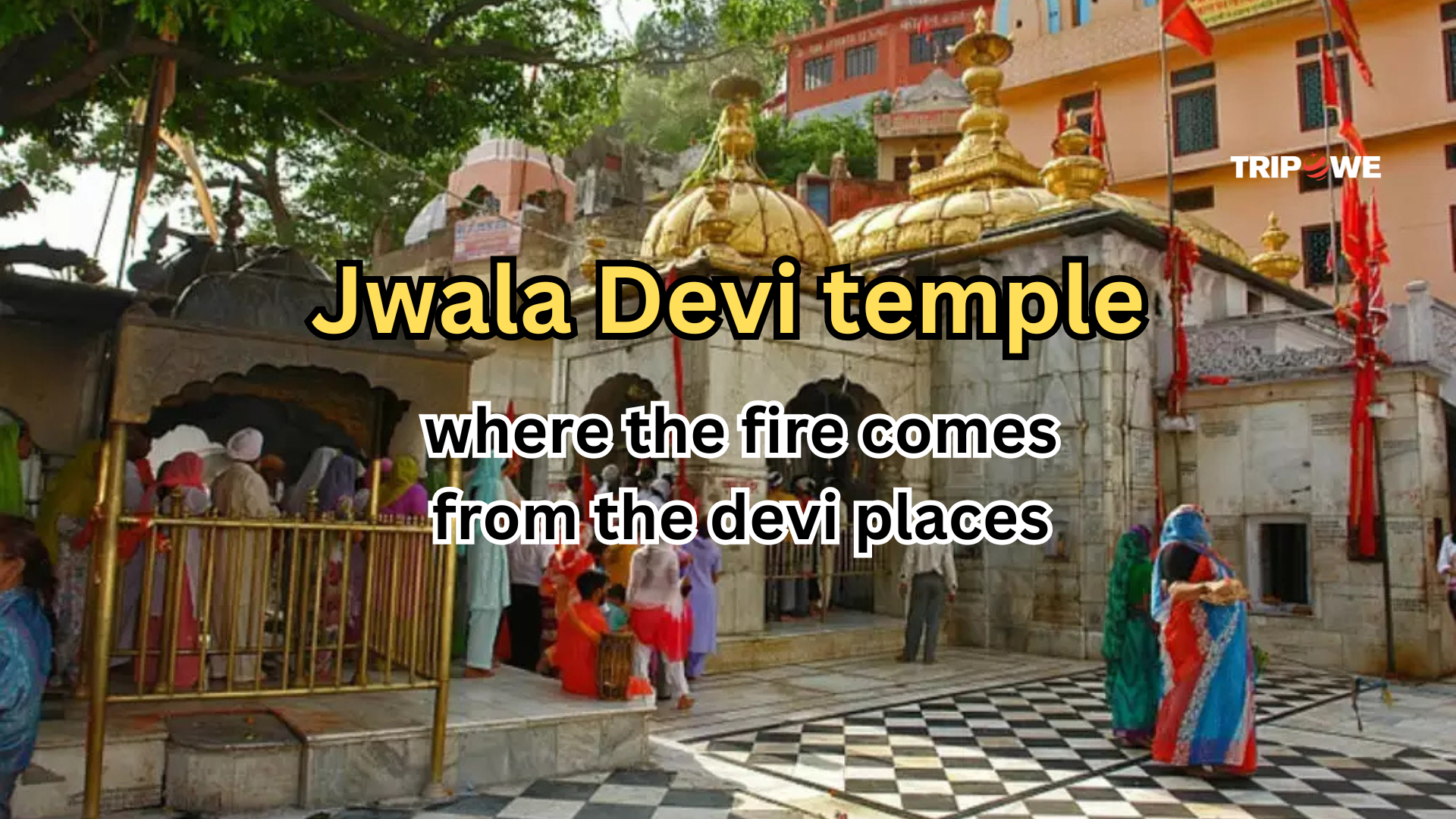
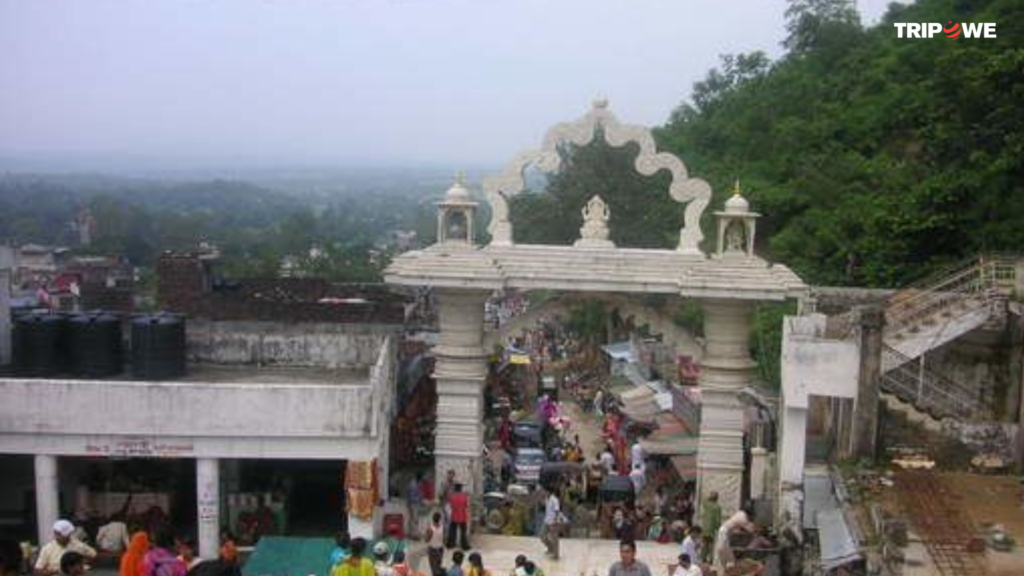
    Maa Jwalamukhi is considered a major goddess in Hinduism, whose place is located on the Jwalamukhi mountain of the mountains. Her name is made up of “Jwala” (fire) and “Mukhi” (mouth) in Sanskrit, which means “mouth of fire”. The temple is in Himachal Pradesh, where she is worshipped as Jwala Devi. The headquarters of this temple is located in Kangra town of Kangra district.

    2. Goddess idols in Maa Jwalamukhi Temples

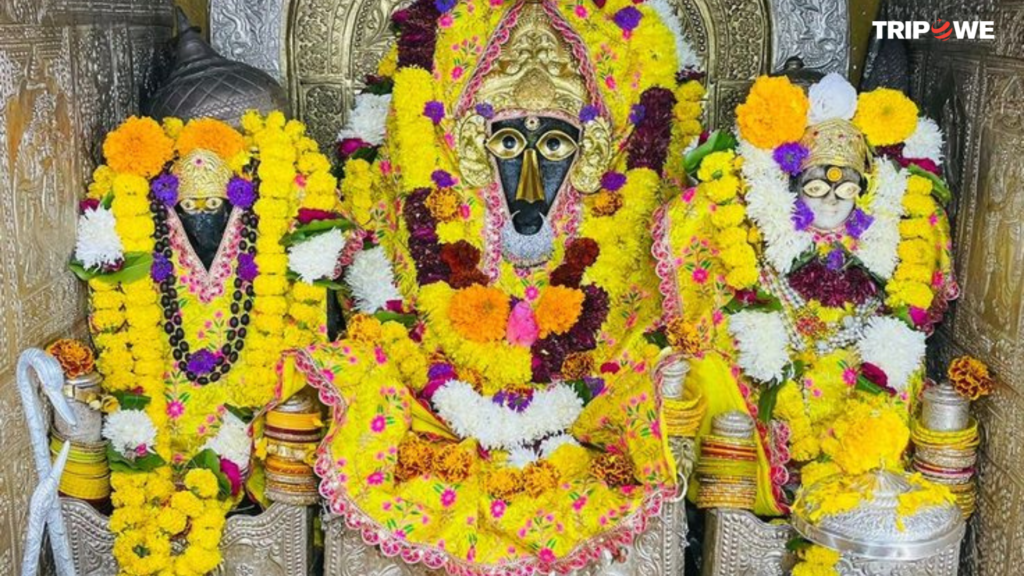
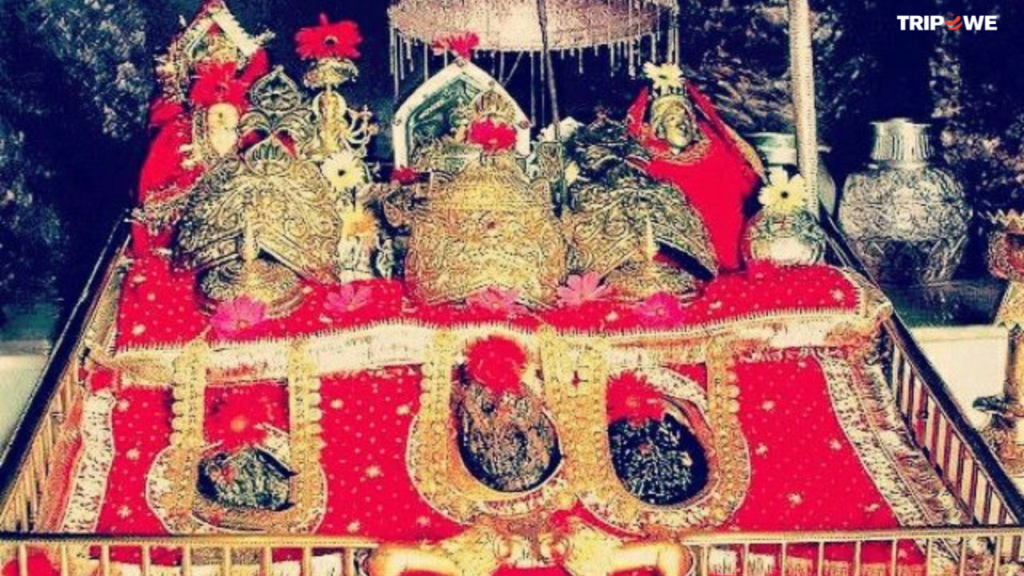
    Jwala Devi templeMaa Jwalamukhi Temples have two main idols – the first, the idol of Agni himself, and the second, Maa Durga. The specialty of the Jwalamukhi temple is that a unique religious and spiritual natural phenomenon occurs related to the magnificent idol of fire.

    3. Specialty of fire

    Specialty of fireThe specialty of the fire coming out of the temple of Maa Jwalamukhi is that the fire coming out from here never extinguishes. This unique event is considered a symbol of the grace and her divine power. Here the fire is worshipped with full devotion and respect by the recommended persons.

    4. When does the temple open?

    Mata Jwalamukhi

    The temple of Mata Jwalamukhi is open throughout the year, but its devotion is very high during Navratri. During the days of Navratri, a crowd of lakhs of devotees come to this temple and worship the goddess. At this time, devotees get a special chance to visit the temple. The temple of Maa Jwalamukhi is considered an important place in Hinduism and the stories of its glory and wonder are mentioned in various Puranas.

    5. Form of which god is there

    Mata Jwalamukhi

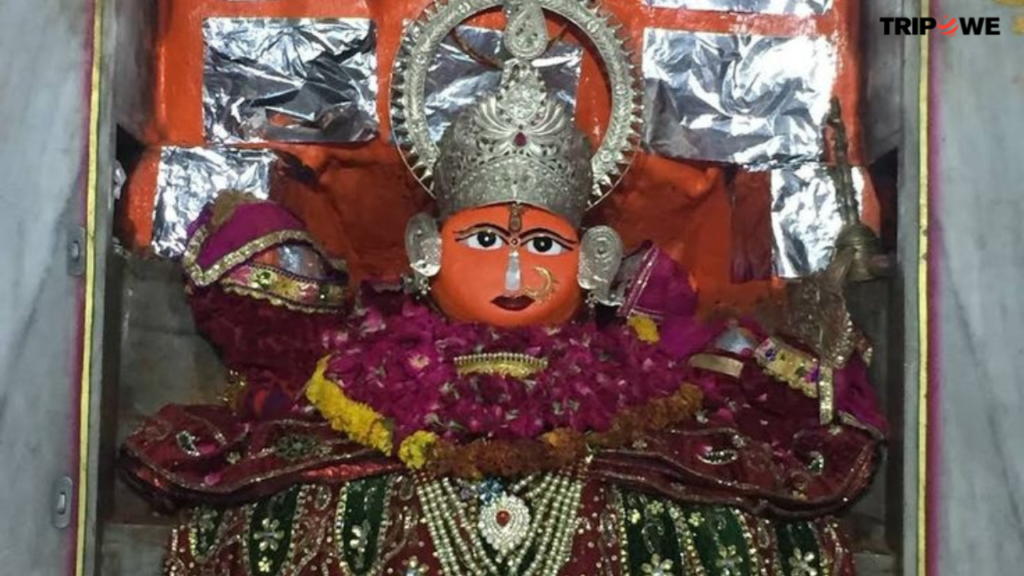
    There are idols of many gods and goddesses installed in the temples of Maa Jwalamukhi. Mainly, her idol is installed in the form of Maa Durga, but in some places, there are idols of Maa Kali, Maa Lakshmi, and other gods and goddesses. In these temples, devotees get the opportunity to do special worship and receive Jwalamukhi Mata’s blessings for their prayers for peace.

    6. Best time and suitability to visit Mata Jwalamukhi:

    Mata Jwalamukhi

    The temple of Mata Jwalamukhi is mostly visited during Navratri, which falls in the months of September and October. During Navratri, the place is crowded with devotees and there is an atmosphere of religious celebration here. If you want to visit the temple of Maa Jwalamukhi, then it would be advisable to go during Navratri as the beauty and atmosphere of the temple is unique at this time

    FAQ’s

    1. What is the significance of the Jwala Devi Temple?

    The Jwala Devi Temple is considered one of the 52 Shakti Peeths, where the tongue of Goddess Sati is believed to have fallen. It is a highly revered site in Hinduism and is located in Himachal Pradesh. The temple is known for the eternal flames that emerge from the rock, which are worshipped as the manifestation of the goddess.

    2. What is the meaning of ‘Jwala Mukhi’?

    The name ‘Jwala Mukhi’ is derived from two Sanskrit words: “Jwala” meaning fire and “Mukhi” meaning mouth. Together, it signifies “mouth of fire,” symbolizing the eternal flames that are considered a divine presence at the temple.

    3. Where is the Jwala Devi Temple located?

    The Jwala Devi Temple is located on the Jwalamukhi mountain in the Kangra district of Himachal Pradesh, India. The town of Kangra serves as the headquarters for this sacred site.

    4. What makes the fire at Jwala Devi Temple special?

    The fire coming from the rocks in the temple is believed to be eternal and has been burning for centuries without extinguishing. It is considered a miraculous phenomenon and is regarded as the goddess’s divine power.

    5. When is the best time to visit the Jwala Devi Temple?

    The best time to visit the Jwala Devi Temple is during the Navratri festival, which typically falls in September and October. During this time, thousands of devotees gather to offer prayers, and the temple is adorned with special decorations, creating a vibrant spiritual atmosphere.

    6. What idols are worshipped in the Jwala Devi Temple?

    The temple mainly worships two deities: the fire (Agni) and Goddess Durga. Additionally, there are idols of Maa Kali, Maa Lakshmi, and other gods and goddesses in the surrounding temples.

    7. Is the Jwala Devi Temple open year-round?

    Yes, the Jwala Devi Temple is open throughout the year. However, the temple sees a surge of devotees during the Navratri festival, which is when it is most vibrant.

    8. What is the spiritual importance of the temple’s eternal flames?

    The eternal flames are considered sacred and symbolize the goddess’s divine energy and grace. Devotees believe that the flames are a direct manifestation of the goddess, and they worship these flames with great devotion.

    Suggested to read 

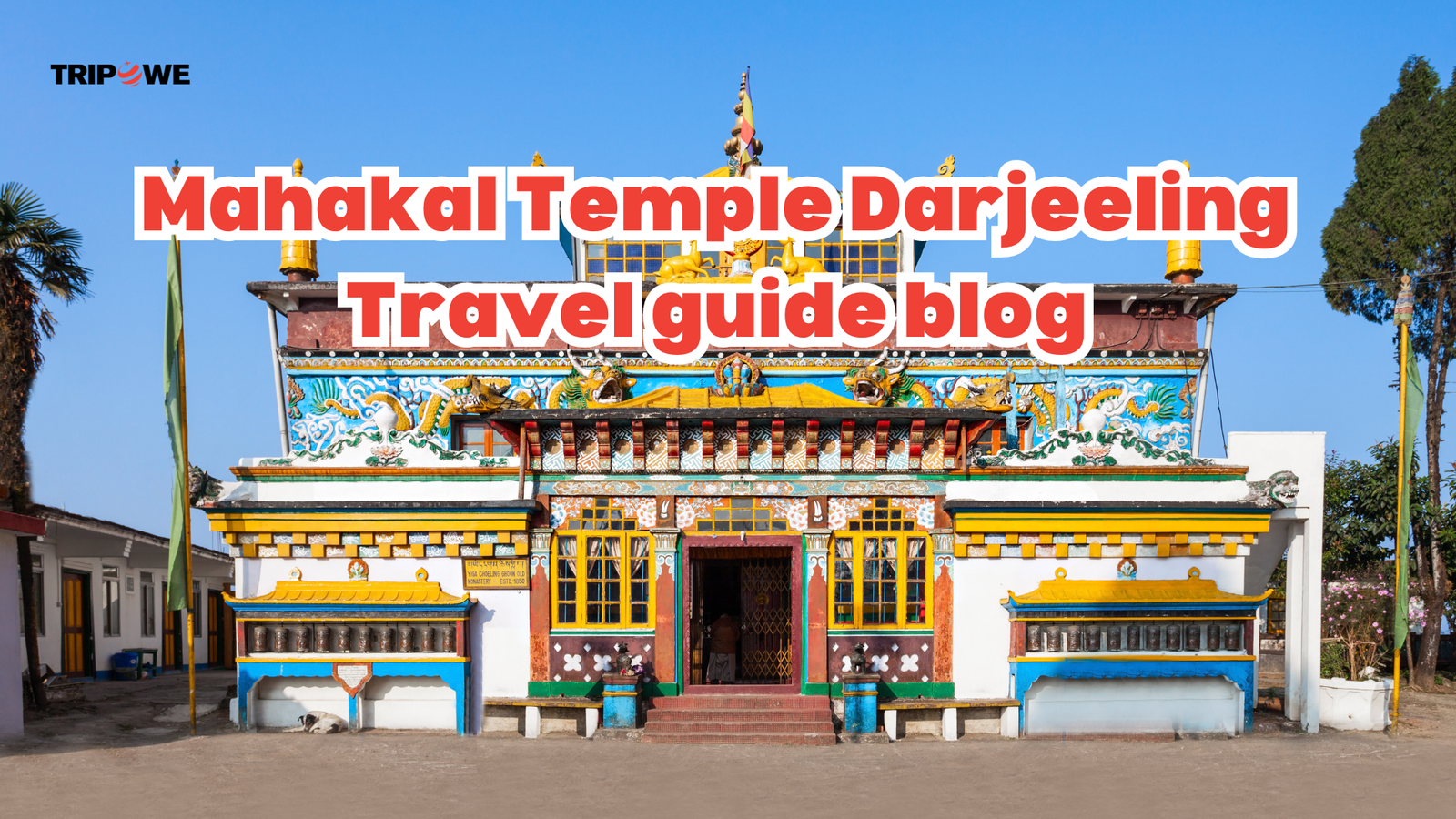
  • Must Read this Mahakal Temple Darjeeling Travel guide blog

    Must Read this Mahakal Temple Darjeeling Travel guide blog

    Must Read this Mahakal Temple Darjeeling Travel guide blog

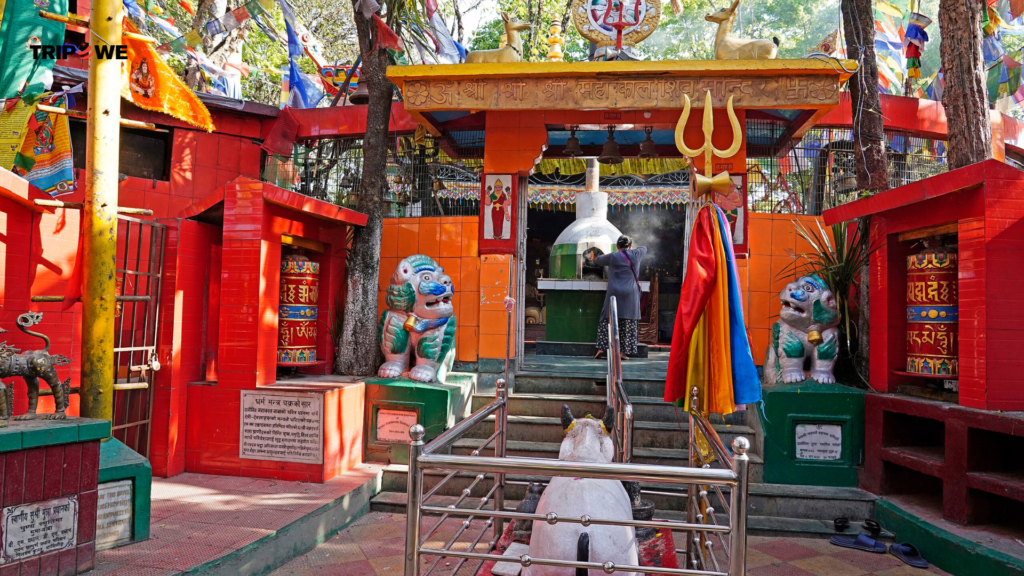
    Located in the serene Darjeeling hills, the Mahakal Temple Darjeeling is a spiritual sanctuary that presents an exceptional fusion of Buddhist and Hindu customs. This hallowed temple, perched atop Observatory Hill, is not only a site of worship but also an example of the region’s diverse cultural heritage. The Mahakal Temple Darjeeling Travel guide blog guarantees a deep experience for anyone visiting, regardless of whether they are a history buff, a traveler seeking peace, or a spiritual seeker.

    One of the main gods of Hinduism, Lord Shiva, is honored in the Mahakal Temple. But this temple’s significance to Buddhists and Hindus makes it unique. It is located on the site of a former Buddhist monastery devastated in the early 1800s by the Gorkha invasion.

    Constructed approximately concurrently, the present temple represents the peaceful coexistence of these two major faiths. The complex of temples contains Buddhist stupas and prayer flags in addition to several shrines honoring Hindu gods and goddesses. Converging religious traditions provides a distinct spiritual atmosphere that draws visitors and followers from all walks of life. This Mahakal Temple Darjeeling Travel guide blog will tell you all the things and tips to visit this temple.

    Mahakal Temple Darjeeling

    Where is Mahakal Temple in Darjeeling?

    Situated atop Observatory Hill, one of Darjeeling’s most recognizable sites, is Mahakal Temple. Beautiful views of the surrounding mountains, including the spectacular Kanchenjunga, may be seen from the top. The temple is located adjacent to Mall Road, a well-liked destination for tourists and shoppers.

    How to Travel to Darjeeling?

    By Flight: Bagdogra Airport, which is roughly 70 kilometers from Darjeeling, is the closest. It takes about three hours to drive from the airport to Darjeeling, where you can take a shared jeep or hire a taxi.

    By Train: New Jalpaiguri (NJP), approximately 62 kilometers from Darjeeling, is the closest major railway station. To get to the town from NJP, use the well-known Darjeeling Himalayan Railway (Toy Train), a shared jeep, or a taxi.

    By Road: There are excellent road connections between Darjeeling and the larger towns of West Bengal and the other states. You can travel from Siliguri, Kalimpong, or other surrounding towns by bus or private vehicle hire.

    How to visit Mahakal Temple Darjeeling? 

    It takes a little stroll to go to Mahakal Temple from Darjeeling

    From Chowrasta (Mall Road): The major Darjeeling plaza, Chowrasta, is a ten to fifteen minutes walk uphill to the temple. Walking along the “Mahakal Dara,” which leads to the temple, is a serene and beautiful experience as it goes through a forested region from Mall Road.

    By Local Transportation: Although walking is the most popular route to the temple, you may also arrange for a rickshaw or local taxi to drop you off at the foot of the hill, where you will need to continue your hike to the temple.

    Tips to visit Mahakal Temple Darjeeling

    1. Temple Hours and Entry fees

    Visitors can visit the Mahakal Temple Darjeeling from early in the morning till late at night. Although there are no set hours, it’s best to visit between 6 AM and 6 PM The temple is free to enter, although donations are welcomed.

    2. Etiquette and Clothing Code

    Although there isn’t a rigid dress requirement, modest clothing is polite. The steep path to the shrine makes appropriate walking shoes a must.

    Don’t forget to take off your shoes before going inside the main shrine. An area has been set aside for the storage of shoes.

    Though you should respect the temple’s holiness and be aware of your surroundings, taking pictures is normally permitted.

    3. The Ideal Time to Go

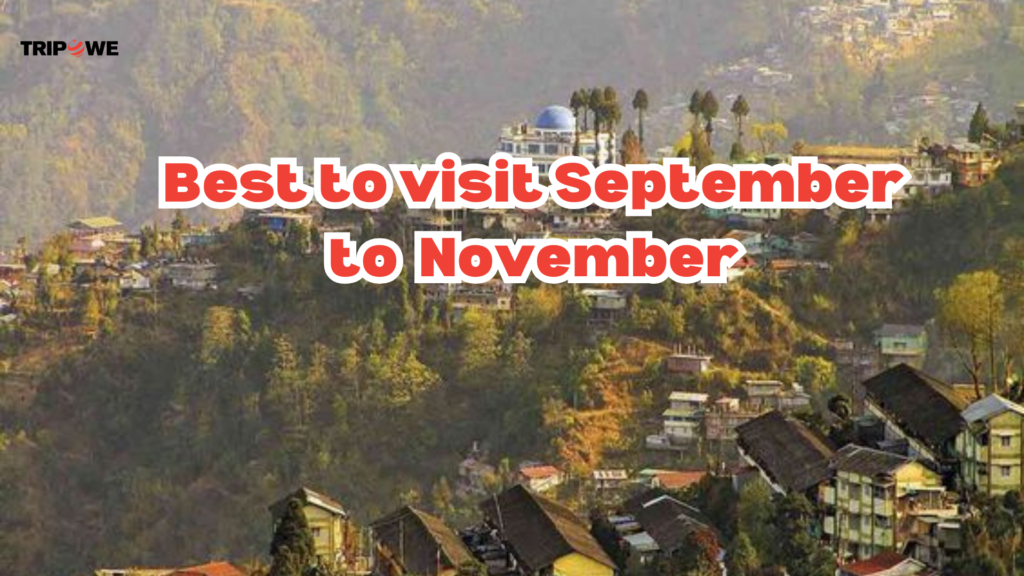
    Mahakal Temple DarjeelingThe months of March through May and September through November are the ideal times to visit Mahakal Temple Darjeeling. The views are clear, and the weather is lovely.

    It is best to avoid going from June to August, when it is monsoon season, as the path might get slick and fog can cover up the views.

    4. Particular Points to Remember

    It is best to go slowly and steadily as the ascent to the shrine might be very steep. You can take a break on the benches along the walkway.

    There may be crowds at the temple complex during big festivals, including Losar and Mahashivaratri. Skip these busy hours if you would rather have a more sedate visit.

    There many beautiful and famous hotel mahakal darjeeling

    I hope this Mahakal Temple Darjeeling Travel guide blog gave you full information about Visiting Mahakal Temple Darjeeling.

    Watch our Jyotirlinga videos this Sawan.


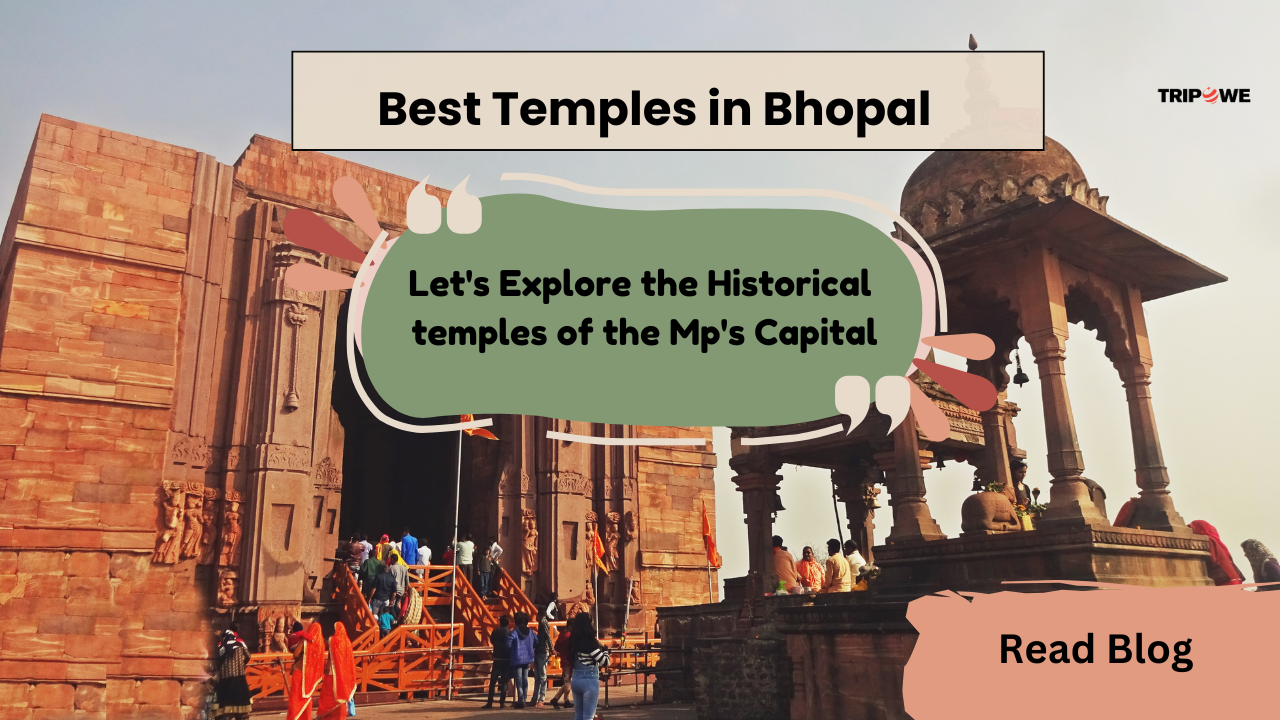
  • Best Temples In Bhopal : Let’s Explore the Historical temples of the Mp’s Capital

    Best Temples In Bhopal : Let’s Explore the Historical temples of the Mp’s Capital

    Best-Temples-In-Bhopal: Let’s Explore the Historical temples of the Mp’s Capital

    Bhopal, the capital of Madhya Pradesh, is home to several beautiful and historically significant temples. The temples in Bhopal are not only places of worship but also offer rich cultural heritage, spiritual peace, and architectural beauty. Here’s a look at some of the best and most famous temples in Bhopal:

    1. Bhojpur Temple

    Bhojpur Temple

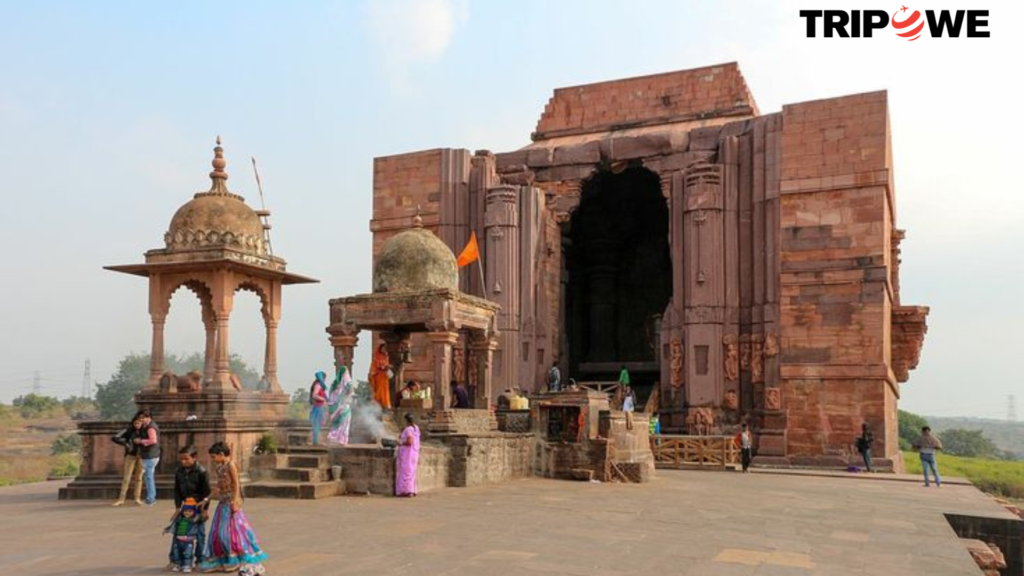
    The Bhojpur Temple, located near the town of Bhojpur in Madhya Pradesh, is one of the most significant and ancient temples dedicated to Lord Shiva. It is an architectural marvel, steeped in history and mythology, and is widely recognized for its colossal Shivalinga—one of the largest in India.

    Architecture and Structure

    The Bhojpur Temple is renowned for its grand and ambitious design, even though much of it was never completed. The most striking feature of the temple is the enormous Shivalinga, which is believed to be one of the largest in India. The Shivalinga is made of stone and stands at an impressive height of 7.5 feet and a diameter of about 8 feet.

    Tourist Experience

    Visitors to the Bhojpur Temple can expect to experience both the religious and historical significance of the site.

             Scenic Views:

    The temple’s location amidst natural surroundings adds to its appeal. The nearby hills and fields provide excellent opportunities for photography and nature walks.

              Guided Tours:

    For those interested in learning about the temple’s history, architecture, and religious significance, guided tours are available. These tours help visitors understand the historical context of the temple and its construction.

    2. Lakshmi Narayan Temple

    Lakshmi Narayan Temple

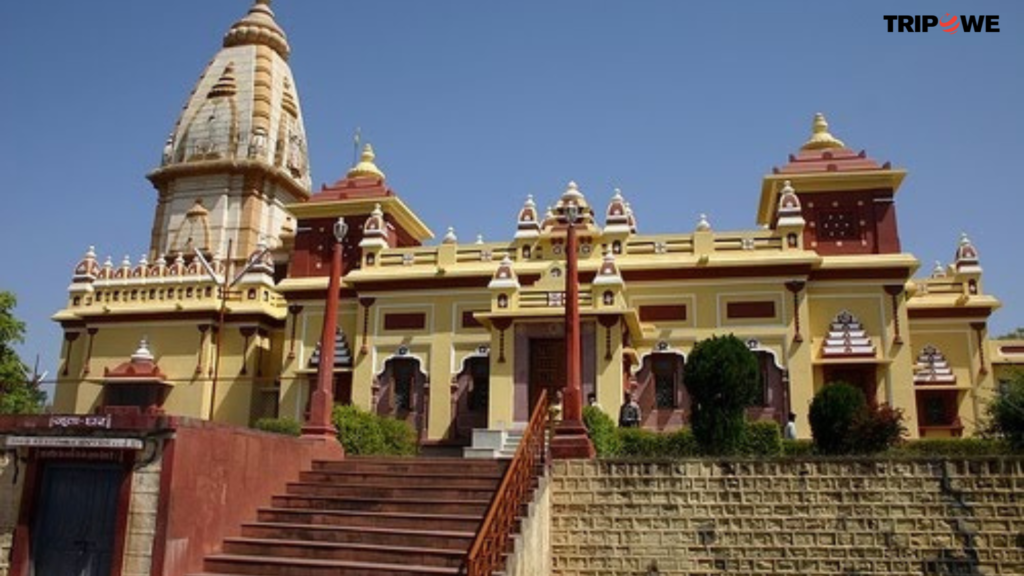
    Overview: The Lakshmi Narayan Temple, also known as the Birla Mandir, is one of the most iconic and revered temples in Bhopal, Madhya Pradesh. Situated on top of a hill in the Shyamla Hills area, it offers a breathtaking view of the city and the Upper Lake (Bhojtal). This temple is dedicated to Lord Vishnu and Goddess Lakshmi, the divine couple who represent wealth, prosperity, and well-being.

    Architectural Features:

    1. Main Shrine:
      • The central sanctum houses the deities of Lord Vishnu and Goddess Lakshmi in beautifully adorned idol forms.
      • The idols are made of white marble and are set on a raised platform in the temple’s central hall.
    2. The Structure:
      • The temple is built on a hilltop, providing a panoramic view of the surrounding city, including the famous Upper Lake (Bhojtal) and Lower Lake.
      • The walls of the temple are adorned with intricately carved figures and symbols representing various gods and goddesses.

    3.Brahma Mandir

    Brahma Mandir

    • Location: Near the Sanchi Stupa, Bhopal
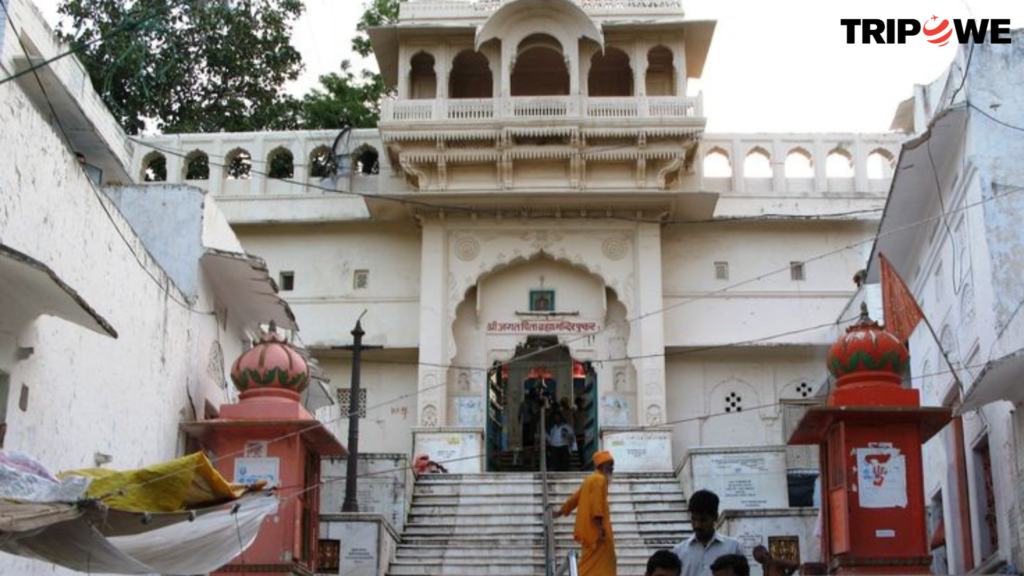
    • Significance: This temple is dedicated to Lord Brahma and is one of the few temples in India devoted to the creator of the universe. The temple’s simple yet striking architecture adds to the charm of this sacred site.

    Architectural Features:

    The Brahma Mandir is not as grandiose as some of the larger temples in Bhopal, but it stands out for its simplicity and peaceful surroundings. Some key architectural features include:

    1. Main Sanctum:
      • The temple is relatively modest in size and features a single sanctum where the idol of Lord Brahma is enshrined.
      • The idol of Lord Brahma in this temple is typically depicted with four faces, symbolizing his all-encompassing nature as the creator of the universe.
    2. Temple Design:
      • The temple has a traditional Hindu architectural style, with the sanctum placed on a raised platform.
      • The entrance and walls of the temple are decorated with carvings and sculptures of Hindu deities and mythological figures, though it is relatively simple compared to more ornate temples in the region.

    4. Raja Bhoj Temple

    Raja Bhoj Temple

    • Location: Bhojpur, near Bhopal (around 30 km from the city)
    • Significance: Located at Bhojpur, this temple is dedicated to Lord Shiva and is known for its massive Shiva Lingam. The temple is a great example of ancient Indian architecture and is situated in a picturesque location, surrounded by natural beauty.

    Nearby Attractions:

    1. Bhojtal Lake (Upper Lake):
      • The temple is located near the Upper Lake, which is a major attraction in Bhopal. Visitors can enjoy boat rides on the lake, which offers beautiful views of the surrounding area and the temple on the hilltop.
    2. Sanchi Stupa:
      • Sanchi, a UNESCO World Heritage site, is located about 30 kilometers from the Raja Bhoj Temple. The Sanchi Stupa is one of India’s oldest and most important Buddhist monuments and a major tourist destination in the region.

    5. Shree Kolar Mandir

    Shree Kolar Mandir

    • Why Visit: Located in the Kolar area of Bhopal, this temple is dedicated to Lord Shiva. The temple is especially famous during the festival of Maha Shivaratri, when devotees from all over the region gather here for prayers and celebrations.
    • Highlights: Spiritual atmosphere, Maha Shivaratri celebrations, scenic surroundings.

    Temple Architecture
    Shree Kolar Mandir boasts a simple yet striking architectural design, typical of many Hindu temples dedicated to Lord Shiva. The main sanctum houses a Shivlinga, which is the central point of worship. Devotees come here to perform Abhishekam (ritual bathing of the Shivling) with milk, honey, and other sacred offerings. The temple also has a series of smaller shrines dedicated to various deities, including Goddess Parvati, Lord Ganesha, and Lord Kartikeya.

  • Famous Temples of Ujjain: A Divine Journey into Spirituality.

    Famous Temples of Ujjain: A Divine Journey into Spirituality.

    Famous Temples of Ujjain: A Divine Journey into Spirituality.

    Ujjain, situated on the banks of the sacred Shipra River, is one of India’s most ancient and respected cities. Ujjain, known as the “City of Temples,” is rich in spirituality, history, and culture. It is one of the Sapta Puris (seven sacred cities) and a must-see for devout Hindus. The city’s association with mythology, astronomy, and religion makes it a popular pilgrimage destination, particularly during the Kumbh Mela. This blog guides you through Famous Temples of Ujjain, explaining their history, significance, and the spiritual experiences they offer.

    1. Mahakaleshwar Temple: The Jyotirlinga of Eternal Power
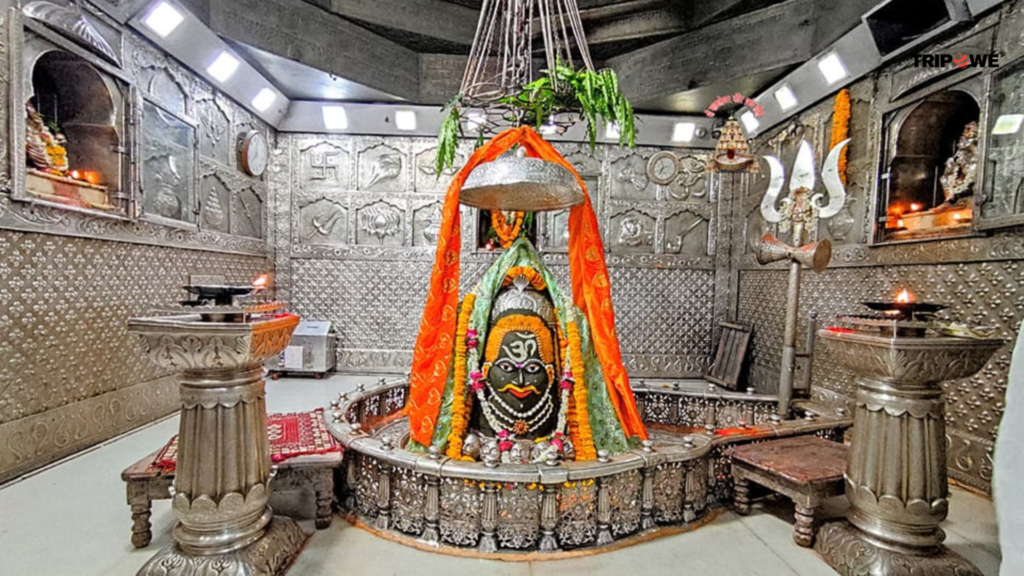
    Famous temples in ujjain

    The Mahakaleshwar Temple, one of the 12 Jyotirlingas, is Ujjain’s most well-known temple. The temple, dedicated to Lord Shiva, is unusual in that it is the only Jyotirlinga that faces south, portraying the deity as the Lord of Time and Death. The temple’s Bhasma Aarti, a procedure in which the Shiva Lingam is showered in sacred ash, offers a unique spiritual experience.

    Key highlights:

    • Experience the mysterious Bhasma Aarti at dawn.
    • Admire the exquisite architecture and relaxing atmosphere.
    • Participate in the Shivratri celebrations, which attract thousands of devotees each year.

    2. Kal Bhairav Temple: The Guardian Deity of Ujjain
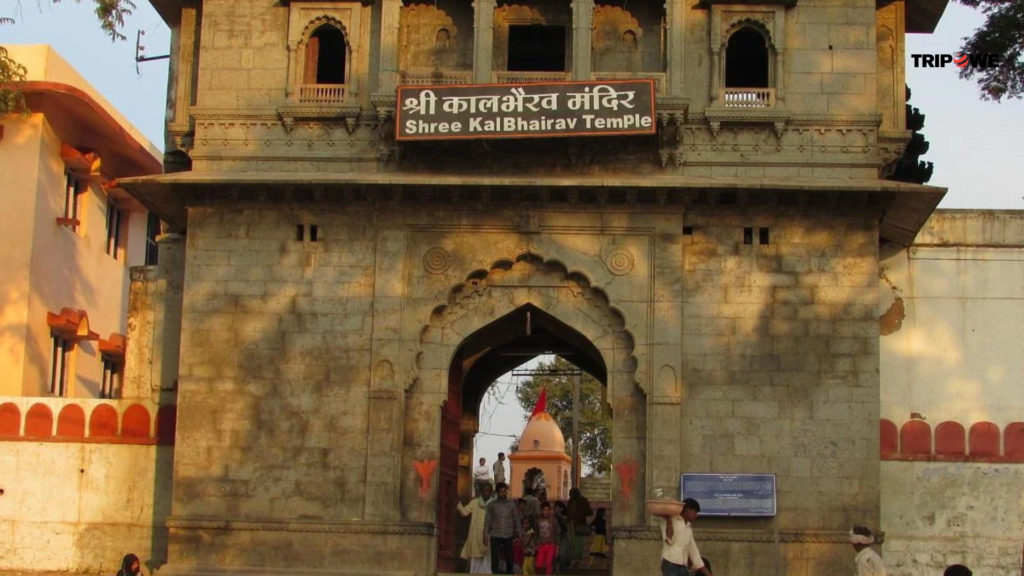
    Famous temples in ujjain

    The Kal Bhairav Temple, which is devoted to Lord Kal Bhairav, a furious manifestation of Shiva, is well-known for its distinctive liquor offerings. This tradition, based on ancient Tantric traditions, represents the notion that Lord Bhairav protects the city and its inhabitants. The temple’s magical air and unique traditions make it a must-see destination in Ujjain.

    Key highlights:

    • Participate in the liquor offering ritual.
    • Discover the temple’s ties to ancient Tantra.
    • Feel Lord Kal Bhairav’s protective and mighty energies.

    3. Harsiddhi Temple: A Famous Shaktipeetha

    The Harsiddhi Temple is one of the 51 Shaktipeethas dedicated to the goddess Durga. It is claimed that Maa Harsiddhi bestows power, health, and prosperity upon her followers. The temple is renowned by its Deepa Stambhas (light towers), which are illuminated during festivals and create an unforgettable sight.

    Key highlights:

    • Witness the splendor of the Deepa Stambhas during Navratri.
    • Seek favors from the goddess of strength and prosperity.
    • Admire the temple’s historical significance and tranquil setting.

    4. Chintaman Ganesh Temple, Lord of Beginnings
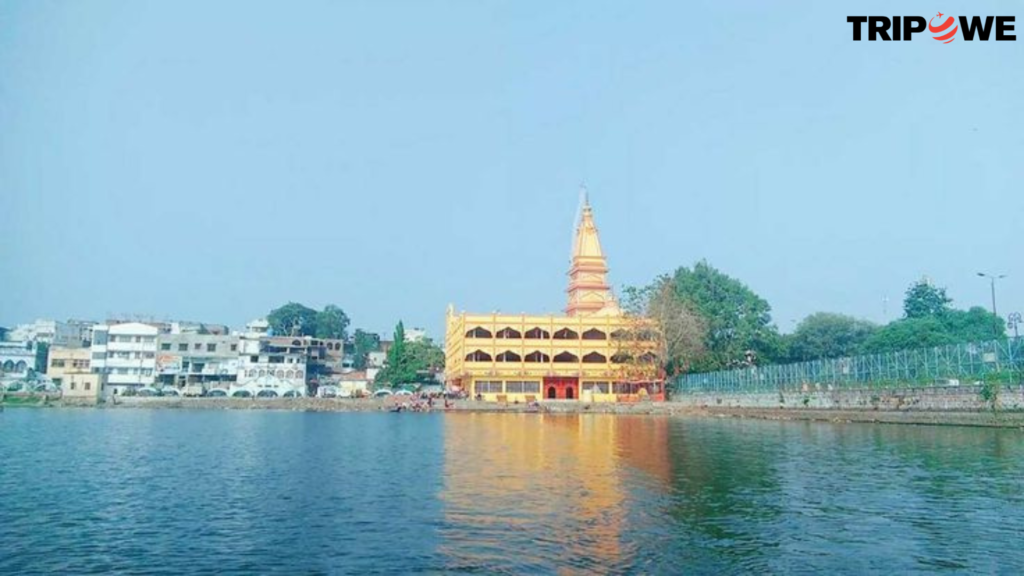
    Famous temples in ujjain

    The Chintaman Ganesh Temple, situated on the outskirts of Ujjain, is one of the oldest temples dedicated to Lord Ganesha. The name “Chintaman” means “the remover of worries,” and devotees think that visiting this temple helps them overcome their anxiety and troubles.

    Key highlights:

    • Offer prayers to Lord Ganesh’s self-manifested idol.
    • Enjoy the temple’s serene atmosphere, away from the rush and bustle of the city.
    • Seek blessings for a new beginning and success.

    Key highlights:

    • Pay tribute to the deity that inspired Kalidasa.
    • Discover the temple’s historical and cultural significance.
    • Experience the heavenly atmosphere that fosters creativity.

    5. Ram Janardhan Temple: A Masterpiece of Ancient Architecture
    Famous temples in ujjain

    The Ram Janardhan Temple is an excellent representation of Ujjain’s rich architectural heritage. The temple, dedicated to Lord Vishnu and Lord Rama, is decorated with beautiful carvings and sculptures that showcase ancient craftsmanship.

    Key highlights:

    • Admire the beautiful buildings and sculptures.
    • Seek blessings from Lords Vishnu and Rama.
    • Discover the historical significance of this ancient temple.

    6. Sandipani Ashram: The Gurukul of Krishna

    The Sandipani Ashram is an important spiritual place where Lord Krishna, Balram, and Sudama are thought to have learned under Guru Sandipani. The ashram’s peaceful surroundings and historical significance make it a must-see.

    Key highlights:

    • Visit the sacred Gomti Kund, which is said to have been created by Lord Krishna.
    • Explore the old learning centre.
    • Immerse yourself in the mythological stories surrounding Lord Krishna’s boyhood.

    Festivals & Special Events in Ujjain.

    Mahashivratri: A grand event at the Mahakaleshwar Temple.

    Kumbh Mela: This spiritual gathering occurs every 12 years and is unparalleled.

    Navratri: Exciting celebrations at the Harsiddhi Temple.

    Shraavana is a sacred month for Shiva believers, attracting millions to Ujjain.

    How to Get to Ujjain

    By air: The nearest airport is Devi Ahilya Bai Holkar Airport in Indore, 55 kilometers away.

    By Train: Ujjain Junction is a major railway station with connections to places such as Delhi, Mumbai, and Bhopal.

    By Road: Ujjain is accessible by road from Indore, Bhopal, and other surrounding places.

    Conclusion

    Ujjain has a wealth of spirituality, history, and culture. The major temples in Ujjain, such as the Mahakaleshwar Temple, Kal Bhairav Temple, and Harsiddhi Temple, provide a spiritual experience, whereas Sandipani Ashram and Gadkalika Temple provide cultural and mythical insights. Whether you’re a pilgrim seeking blessings, a traveler discovering India’s spiritual legacy, or a history buff, Ujjain is a location that will leave an impression.

    Plan your Famous Temples Of Ujjain  journey to experience the city’s holy aura, sacred rituals, and timeless stories.


  • Amarnath Yatra from Pahalgam: A Journey to the Divine

    Amarnath Yatra from Pahalgam: A Journey to the Divine

    Amarnath Yatra from Pahalgam: A Journey to the Divine

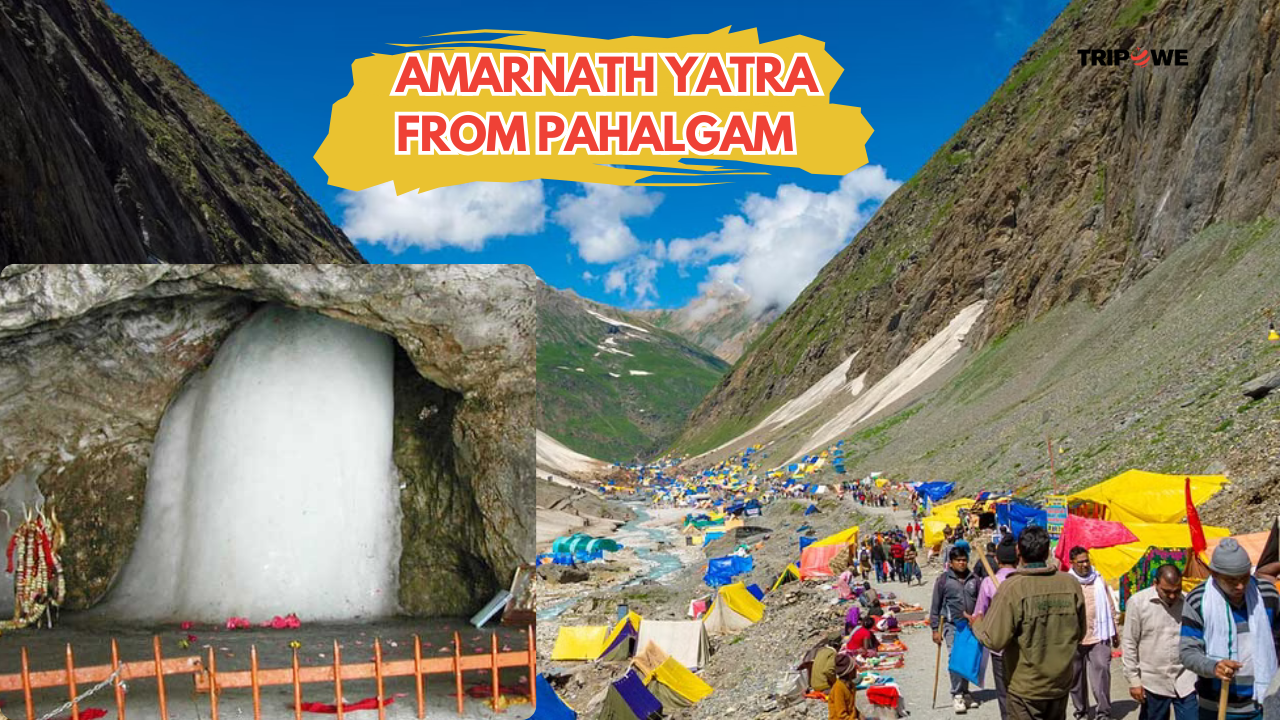
    The Amarnath Yatra, a spiritual pilgrimage, is one of the most renowned travels among Hindus worldwide. Nestled in the Himalayas, the Amarnath Cave is home to the naturally created ice Shivling, which represents Lord Shiva. The Yatra through Pahalgam, a calm town in Jammu and Kashmir, provides a peaceful and attractive approach to the holy cave. This blog will walk you through the spiritual journey, emphasizing its significance, the path, preparation, and advice for a rewarding encounter.

    Significance of the Amarnath Yatra

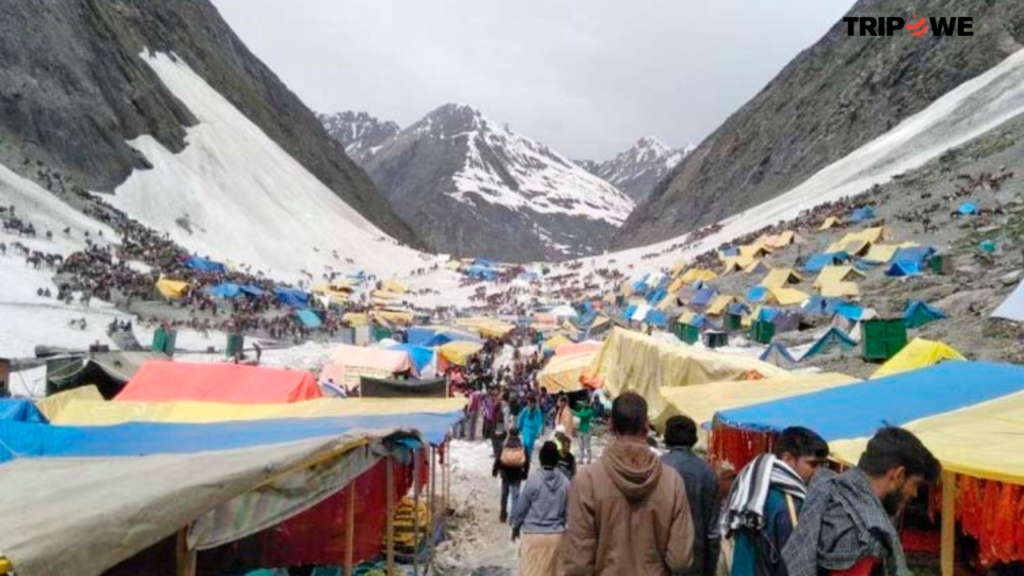
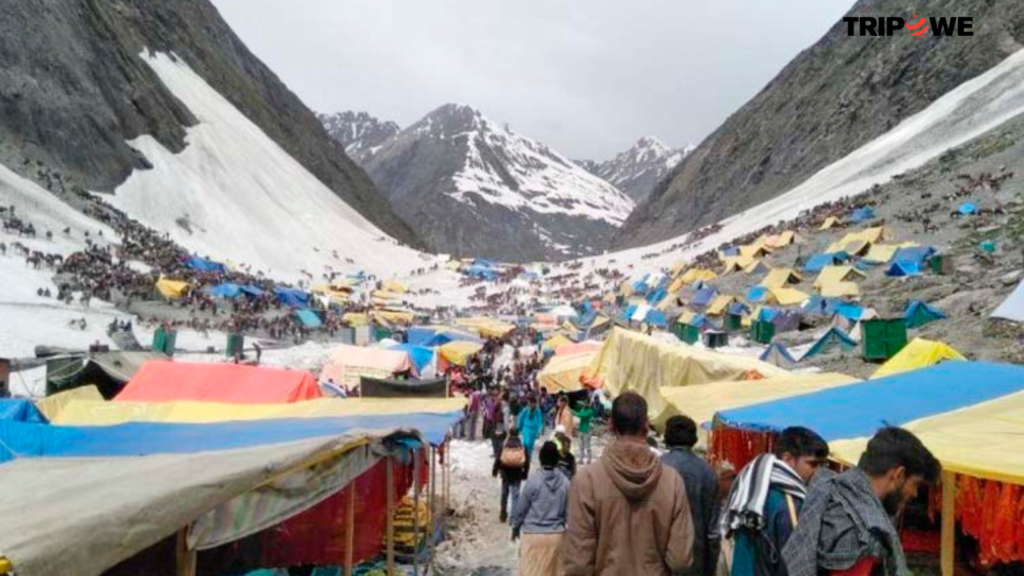
    The Amarnath Yatra is extremely religiously significant since it is thought to be the cave where Lord Shiva gave the mysteries of immortality to Goddess Parvati. Every year, thousands of devotees make this pilgrimage during the Shravan month (July-August), braving the difficult terrain in search of divine blessings.

    Starting Point: Pahalgam.

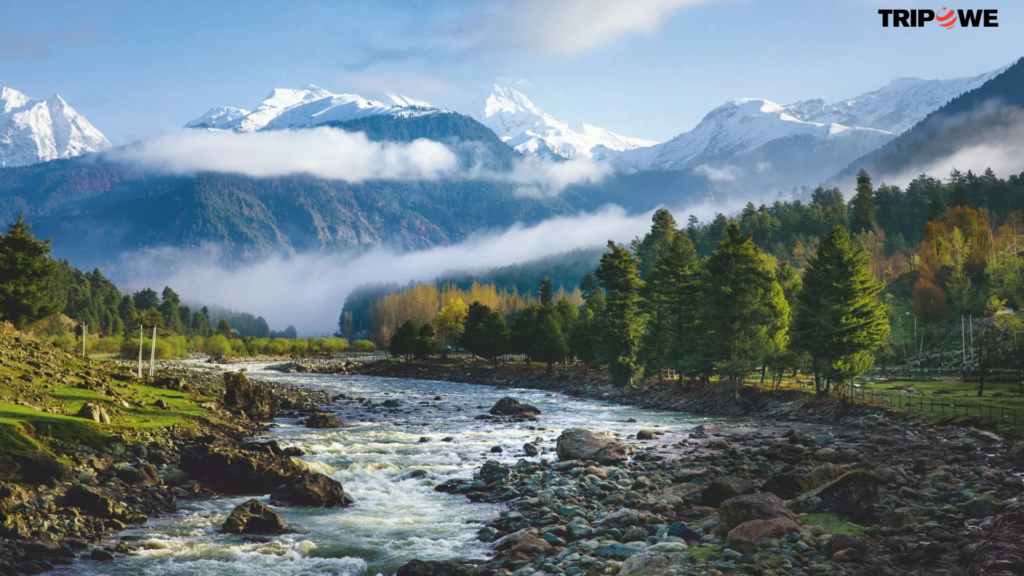
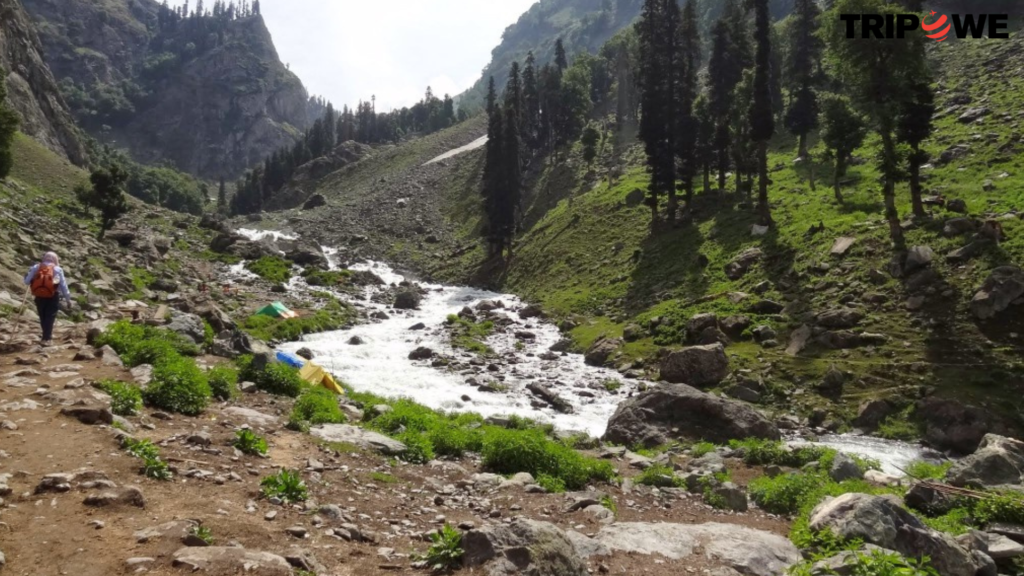
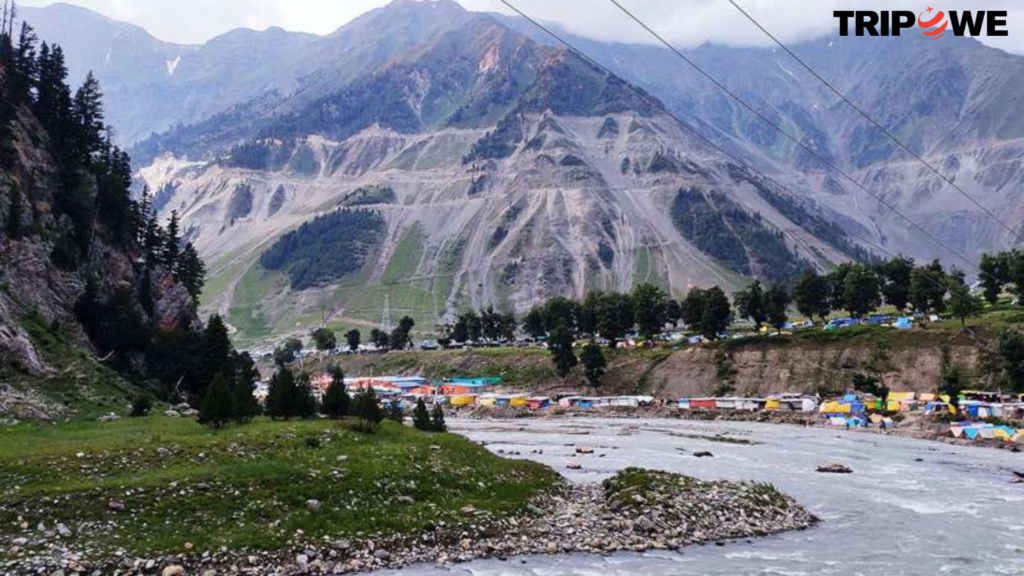
    Pahalgam, often known as the “Valley of Shepherds,” serves as the base camp for the traditional Amarnath Yatra path. This charming hamlet is bordered by lush meadows, pine trees, and the Lidder River, making it an ideal site to begin your spiritual journey. Devotees frequently spend a day here to acclimate before starting the climb.


    The Route

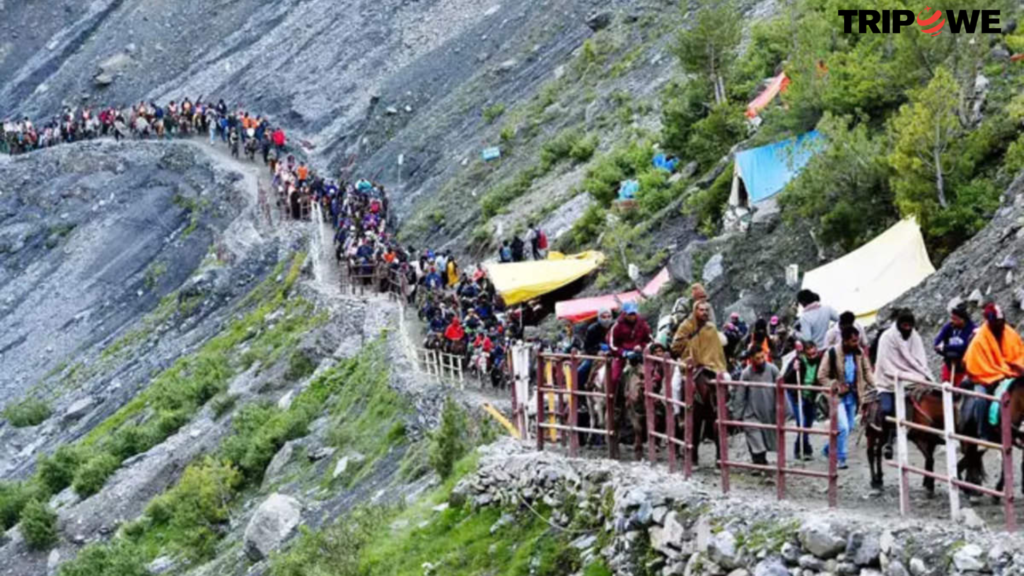
    The path from Pahalgam to Amarnath Cave is 46 kilometers long and broken into various stages:

    Pahalgam to Chandanwari (16 kilometers)

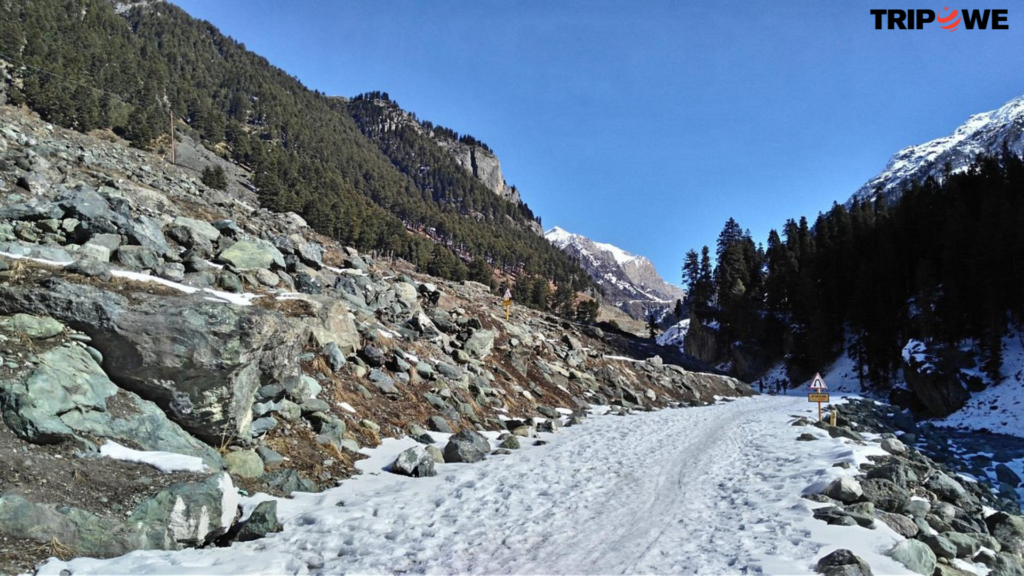
    Pahalgam to ChandanwariThe trek begins with a car or a short trek to Chandanwari, the first destination. Chandanwari is famed for its snow bridges and serves as the entryway to higher heights.
    Chandanwari to Pissu Top.

    This steep incline tries the pilgrims’ stamina. Pissu Top is thought to symbolize the gods’ victory over devils.

    Pissu Top to Sheshnag (12 kilometers)

    Pissu Top to SheshnagThe trek leads to Sheshnag Lake, a tranquil and magical high-altitude lake. The name is derived from the mythical serpent Sheshnag.

    Sheshnag to Panchtarni (9 kilometers)

    Sheshnag to PanchtarniPanchtarni, the confluence of five rivers, is the final halt before reaching the Amarnath Cave. The scenery here is stunning, with amazing vistas of the Himalayan ranges.

    Panchtarni to Amarnath Cave (6 km)

    Panchtarni to Amarnath CaveThe final portion of the voyage is both demanding and spiritually rewarding. As they approach the holy cave, devotees chant “Om Namah Shivaya”. Inside, the natural ice Shivling awaits, emitting miraculous energy.

    Tips for Pilgrims

    Tips for PilgrimsRegistration: Visit the official Amarnath Yatra website or one of the designated centers and register well in advance. Carry your Yatra permission and proof of identification.

    Health and Fitness: Make sure you are physically fit enough to complete the arduous hike. A medical fitness certificate is required for registration.

    Clothing and gear: Bring warm, waterproof clothing, strong walking shoes, gloves, and a raincoat.

    Food and drink: While there are langars (community kitchens) along the route, bring snacks and drink in case of an emergency.

    Acclimatization: Spend a day at Pahalgam or Chandanwari to get used to the high altitude and avoid altitude sickness.

    First Aid Kit: Keep a personal first aid kit stocked with important medications.

    Best time to visit

    The Amarnath Yatra is open during the Shravan month, which runs from late June to early August. This time period was chosen because of the ideal weather conditions. However, in the Himalayas, the weather can be unpredictable.

    Cultural and Scenic Experience

    The tour through Pahalgam is more than just spiritual; it also provides a diverse cultural and environmental experience.

    Pahalgam is a centre for Kashmiri handicrafts and traditional cuisine. Explore the local markets and enjoy cuisines such as Rogan Josh, Yakhni, and Kahwa.

    The trail is studded with stunning vistas, ranging from verdant valleys to snow-covered summits.

    Interactions with fellow pilgrims and locals offer insights into the region’s traditions and hospitality.

    Challenges and Safety

    The journey to the Amarnath Cave is strenuous and not recommended for individuals with major health issues. Ensure that you obey the Shri Amarnath Shrine Board’s (SASB) guidelines. There are emergency services available along the route, such as oxygen cylinders and rescue squads.

    Alternative Route: Baltal.

    Baltal.Those looking for a shorter way to the cave might take the Baltal trail, which is 14 kilometers long. However, it is steeper and more difficult than the Pahalgam way.

    Conclusion

    The Amarnath Yatra from Pahalgam is a pilgrimage of faith, dedication, and fortitude. It provides a distinct blend of spirituality and natural beauty, leaving pilgrims with lasting memories and a sense of accomplishment. This voyage to Lord Shiva’s dwelling is a soul-stirring experience for both devotees and adventurers.

    Set out on this sacred trek with trust in your heart and determination in your footsteps. Har Har Mahadev!

  • Tungnath Temple: Highest height of Shiva temple in the world

    Tungnath Temple: Highest height of Shiva temple in the world

    Tungnath Temple: Highest height of Shiva temple in the world.

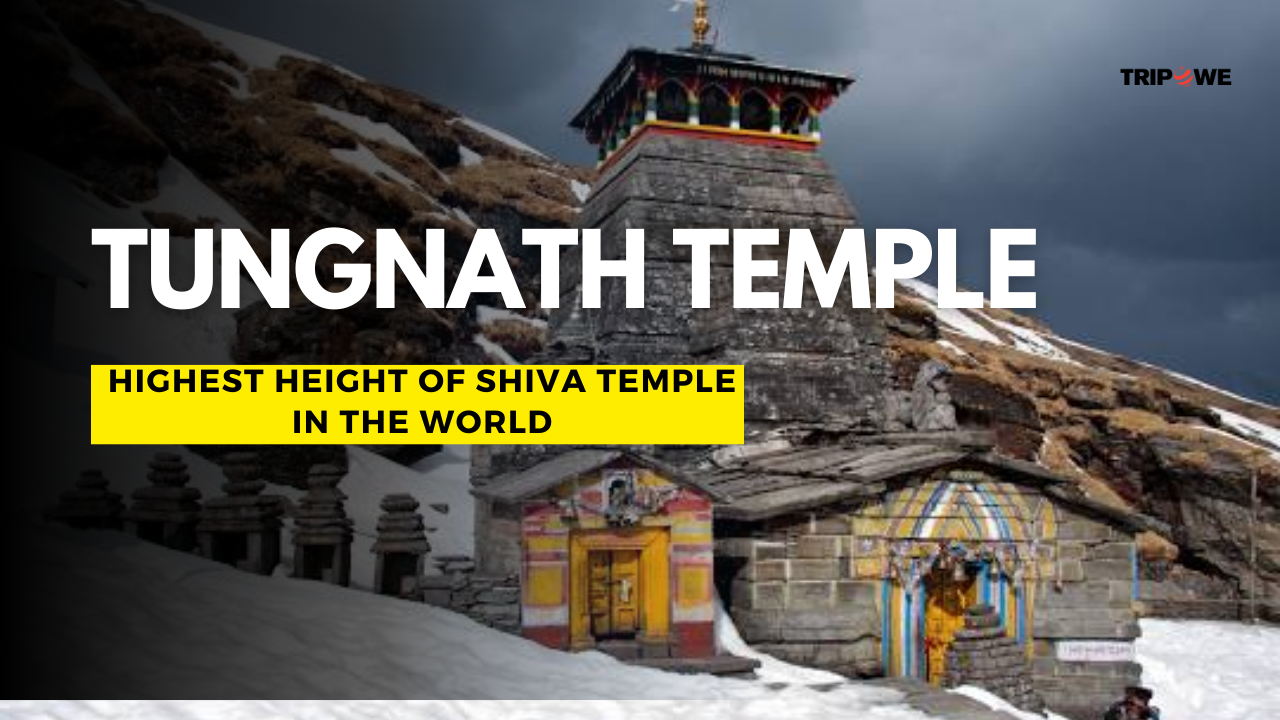
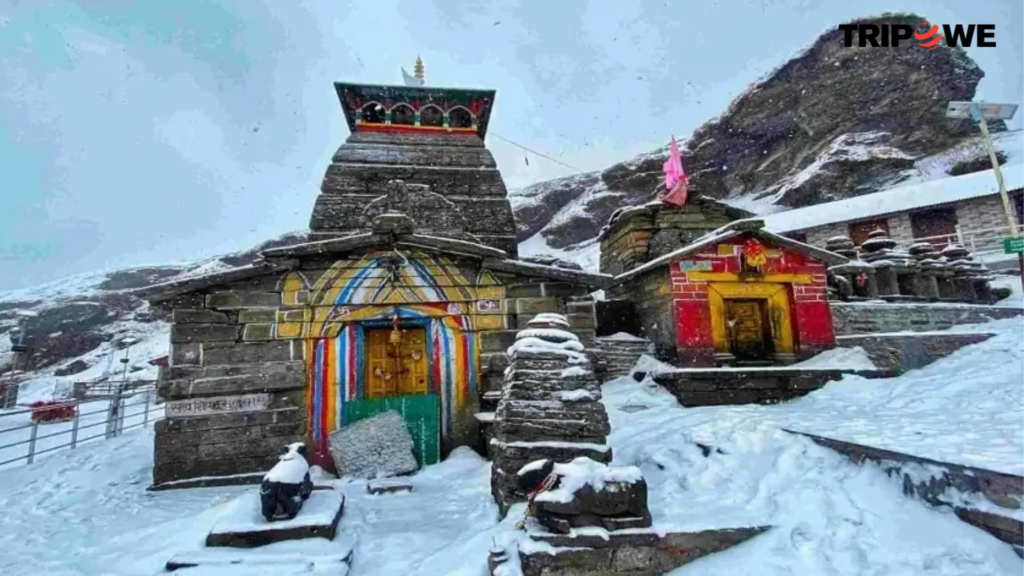
    Tungnath Temple, ensconced in the lofty heights of the Garhwal Himalayas, is a source of spirituality and peace. Tungnath, located at 3,680 meters (12,073 ft) in Uttarakhand’s Rudraprayag district, is the world’s tallest Shiva temple and one of the famous Panch Kedar shrines. This old temple is not just an important religious monument, but also a haven for hikers and environment enthusiasts.

    In this blog, we will study the temple’s history, religious significance, hiking route, best time to visit, and travel recommendations, providing a comprehensive tour to this divine site.

    History and Mythology of Tungnath

    Tungnath, which means “Lord of the Peaks,” is steeped in mythology. According to mythology, the temple is one of five temples dedicated to Lord Shiva known as the Panch Kedar. The story dates back to the Mahabharata, when the Pandavas asked Lord Shiva to forgive them for their misdeeds committed during the Kurukshetra conflict. Lord Shiva, unable to forgive them, disguised himself as a bull and hid in the Himalayas.

    Lord Shiva’s arms are supposed to have manifested in Tungnath, while the rest of his body appeared at the other Panch Kedar temples. Built more than a thousand years ago, the temple emits an aura of spirituality and ancient architectural elegance, making it a revered location for devotees.

    Trekking details:

    Distance: 4 kilometers (one-way).

    Duration: 2–3 hours

    Difficulty: Easy to Moderate.

    Altitude increase: from 2,680 meters (Chopta) to 3,680 meters (Tungnath).

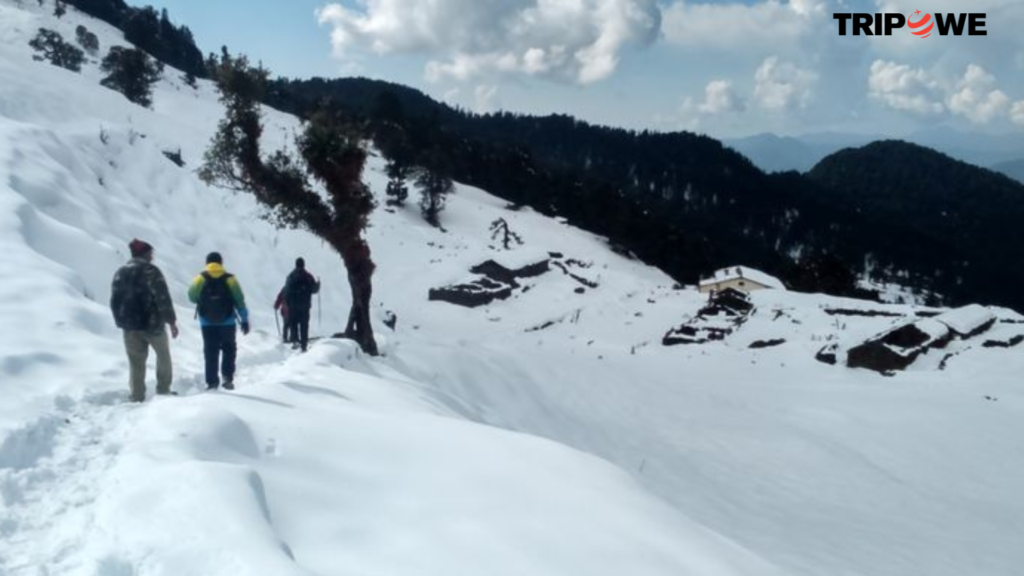
    The well-marked track leads through lush meadows, deep woodlands, and breathtaking views of snowcapped summits. Trekkers are met with panoramic vistas of the Chaukhamba, Nanda Devi, Trishul, and Kedarnath ranges. The chirping of birds and the cold mountain breeze create a peaceful atmosphere, making the hike a rejuvenating experience.

    Chandrashila Peak, The Summit of Serenity

    For those desiring more adventure, the walk can be continued to Chandrashila Peak, which is 1.5 kilometers beyond Tungnath Temple. At an elevation of 4,000 meters, Chandrashila provides a 360-degree vista of the Himalayan peaks and is revered as the location where Lord Rama meditated after killing Ravana.

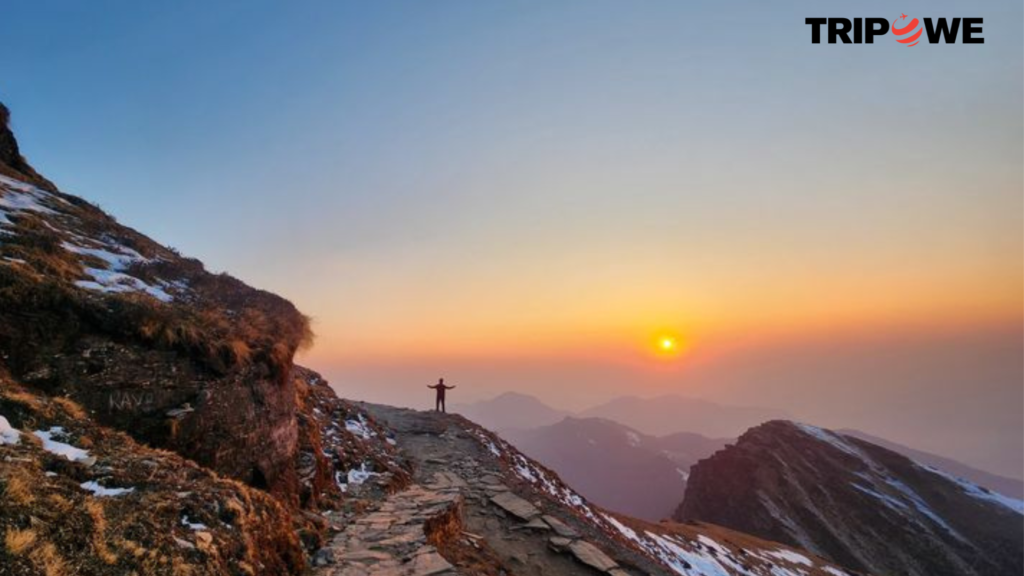
    The morning vista from Chandrashila is breathtaking, with golden hues illuminating the snow-capped peaks—a scene that will live in memory forever.

    Best time to visit Tungnath

    Tungnath is best visited in the summer (April to June) or after the rainy season (September to November).

    Summer (April-June): The temperature is lovely, and the trails are lined with blossoming rhododendrons.

    Monsoon season (July to August): Although the terrain becomes lush and beautiful, severe rainfall can make walking hazardous.

    Autumn (September to November): Clear skies and cool temperatures make it a popular season for hikers and pilgrims.
    Winter (December to March): The temple is closed, but adventurers can hike to Snow Tungnath and explore the magnificent snow-covered trails.

    How to Reach Tungnath

    By Air:

    The nearest airport is Jolly Grant Airport in Dehradun, around 200 kilometers from Chopta. From the airport, you can take a taxi or a bus to Chopta.

    By Train:

    The nearest railway station is Haridwar, which is about 225 kilometers away. There are cabs and buses available from Haridwar to Chopta.

    By road:

    Chopta is easily accessible by road to large cities like as Rishikesh, Haridwar, and Dehradun. Regular buses and private taxis serve Chopta.

    Travel tips

    Acclimatize: Spend a day in Chopta to adjust to the altitude, especially if you’re walking to Chandrashila.

    Packing essentials include warm clothing, good walking shoes, water bottles, energy snacks, and a first-aid kit.

    Hire a Guide: While the trail is well-marked, hiring a guide can improve your experience and keep you safe.

    Begin your trip early in the morning to appreciate the peaceful surroundings and return before dusk.

    Respect the environment by keeping the trail clean and not littering. Please respect the temple’s sanctity and local customs.

    Accommodation and Food

    Chopta provides a variety of lodging alternatives, from low-cost guesthouses to environmentally friendly campsites. Many lodges provide simple but wonderful native dishes like pahadi dal, rajma, and roti. During the hike, little dhabas serve tea, snacks, and light meals.

    The Beauty Beyond Spirituality

    While Tungnath Temple is a spiritual destination, the surrounding natural beauty is as intriguing. The trail is visually stunning, with flowering rhododendrons, green meadows, and clear streams. Photographers, bird watchers, and environment lovers will have several opportunity to capture the essence of the Himalayas.

    Conclusion

    Tungnath Temple is more than a site of prayer; it is a voyage of self-discovery, spirituality, and connection to nature. Tungnath offers a rejuvenating experience for the body, mind, and spirit, whether you’re a devotee seeking Lord Shiva’s blessings or a trekker looking for the excitement of conquering Himalayan paths.

    So, pack your bags, lace up your trekking shoes, and set out on this magnificent expedition to Lord Shiva’s home, where the peaks echo devotional chanting and each step brings you closer to the sky. Harhar Mahadev!

  • Sawariya Seth Temple in Rajasthan: A Divine Journey to the Land of Faith.

    Sawariya Seth Temple in Rajasthan: A Divine Journey to the Land of Faith.

    Sawariya Seth Temple in Rajasthan: A Divine Journey to the Land of Faith.

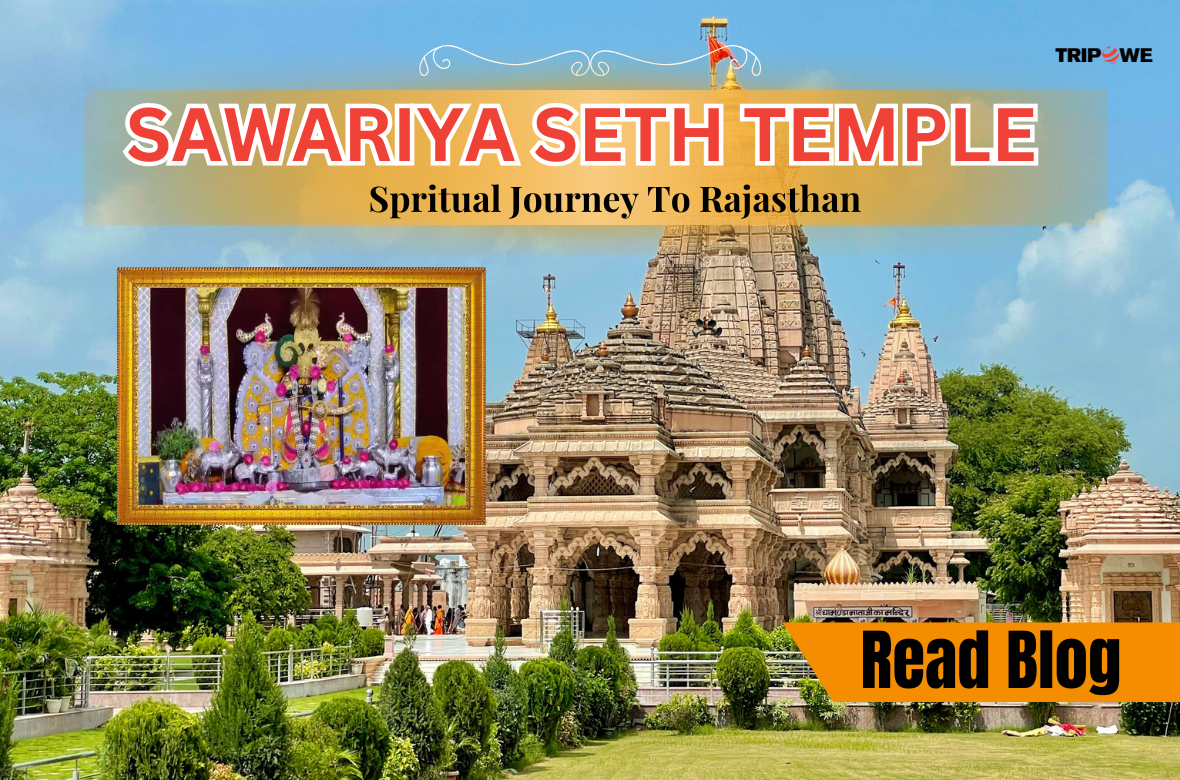
    Rajasthan, the country of kings and lively traditions, is home to several historical sites, royal palaces, and sacred temples. Among these, the Sawariya Seth Temple has a special place in the hearts of devotees. This temple, located in the Chittorgarh area, is devoted to Lord Krishna and attracts thousands of devotees from all over India. The Sawariya Seth Temple, known for its architectural splendor, spiritual significance, and festive festivals, is one of Rajasthan’s most popular pilgrimage attractions.

    Introduction to the Sawariya Seth Temple

    The Sawariya Seth Temple, also known as Shree Sawariya Ji Mandir, is a popular Krishna temple that represents dedication, beauty, and faith. It is located in Mandaphia, a tiny village near Chittorgarh. This temple is a sacred spot for Lord Krishna believers, and it is supposed to grant visitors’ wishes.

    The temple stands out for its grandeur and the black stone statue of Shree Sawariya Seth. The idol shows Krishna in his most attractive and holy form, which captivates believers’ hearts.

    Historical and mythological significance

    Sawariya Seth Temple Rajasthan

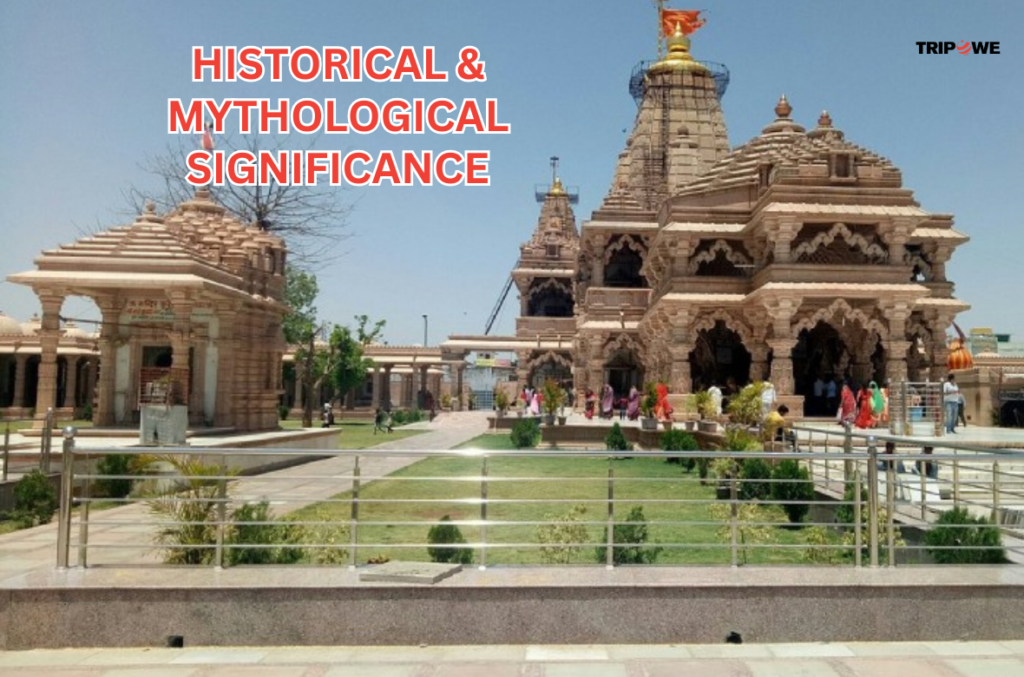
    The history of the Sawariya Seth Temple is rich with mythology and divine intervention. According to traditions, the temple’s idol was discovered in a field decades ago. The discovery of the idol was regarded as miraculous, and construction on the temple began shortly thereafter. The spot where the idol was discovered is now the temple’s sanctum, and followers believe that Lord Krishna stays there.

    The temple’s name, “Sawariya Seth,” emphasizes Krishna’s function as a guardian and benefactor, also known as the “businessman of devotion” since he grants his followers’ requests and aspirations, so rewarding their faith.

    Architectural Brilliance

    The architecture of the Sawariya Seth Temple is breathtaking. The exquisite carvings, spacious courtyards, and finely sculpted domes showcase the artisans’ skill. The temple’s architecture is classic Rajasthani, combining Mughal and Rajput influences.

    The temple complex is huge, with gardens, fountains, and walks that contribute to the tranquil atmosphere. The main sanctuary, which houses the black-stone statue of Krishna, is embellished with gold and silver, giving it a celestial aspect.

    Festivals and Celebrations

    Sawariya Seth Temple Rajasthan

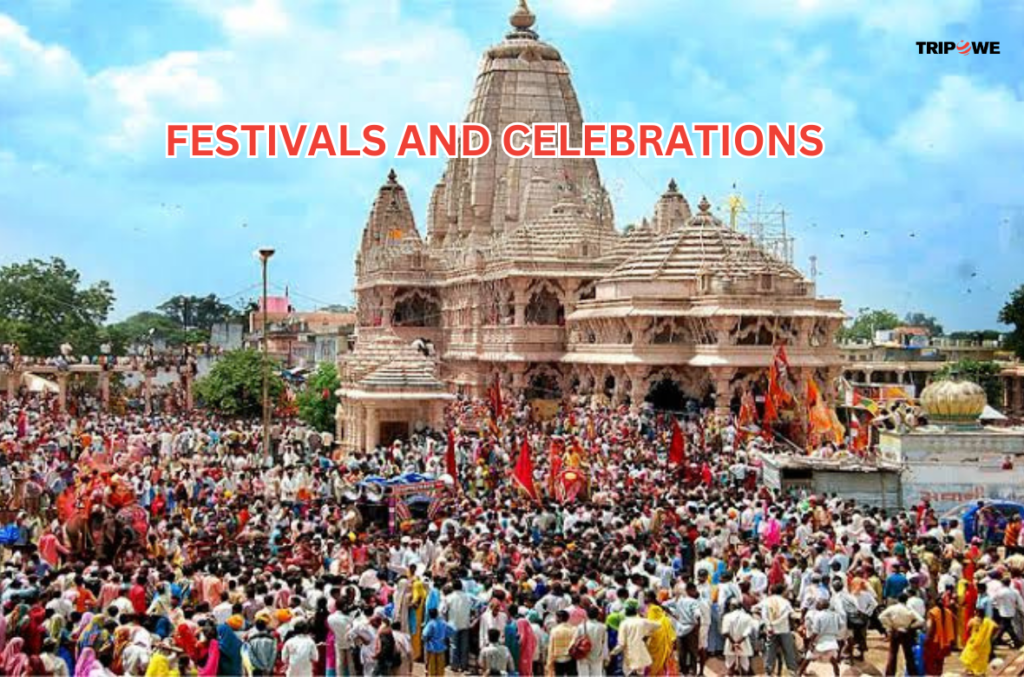
    The Sawariya Seth Temple is a hive of festival activity, with Janmashtami (Lord Krishna’s birthday) being the most widely celebrated occasion. During this event, the temple is decorated with flowers, lights, and rangoli, producing a breathtaking spectacle. Devotees congregate in great numbers for prayers, bhajans, and cultural activities.

    Another important holiday celebrated here is Holi, which transforms the temple into a riot of colors and excitement. Devotees enjoy Holi with natural colors while singing and dancing in devotion. These events draw both pilgrims and tourists, providing a glimpse into Rajasthan’s rich culture.

    Spiritual Experience

    Visiting the Sawariya Seth Temple is both a religious excursion and a spiritual experience. The tranquil surroundings, prayers being chanted, and the heavenly statue all contribute to a sense of peace and devotion. Many devotees report to feel tranquil and fulfilled after praying at the temple.

    People from many walks of life come to the temple to receive blessings for prosperity, health, and happiness. The temple is also noted for its philanthropic operations, which provide food and shelter to those in need.

    How to Get to Sawariya Seth Temple.

    The Sawariya Seth Temple is well connected to Rajasthan’s major cities, making it accessible to pilgrims and tourists.

    By Train: Chittorgarh, the nearest railway station, is well connected to major cities such as Jaipur, Delhi, and Mumbai.

    By Road: The temple is easily accessible via the road. Regular bus routes and private taxis operate from places like as Udaipur, Chittorgarh, and Jaipur.

    Best time to visit

    The best time to visit the Sawariya Seth Temple is in the winter (October to March), when the weather is mild and conducive to exploration. Festivals such as Janmashtami and Holi are also excellent opportunities to see the temple in its full magnificence.

    Nearby Attractions

    Visitors to the Sawariya Seth Temple can also explore adjacent sights, making the journey even more memorable:

    Chittorgarh Fort is a UNESCO World Heritage Site and one of India’s largest forts, notable for its historical and architectural significance.

    Bijaipur Castle is a heritage hotel that provides an insight into Rajasthan’s royal culture.

    The Mewar Fortifications are historic constructions that reflect the region’s rich history and culture.

    Tips for Visitors:

    Dress Modestly: Because this is a place of worship, visitors should be modest and respectful.

    Avoid crowds: Weekends and festivals can be packed, so plan your visit carefully.

    Photography: While photography is permitted in select sections, please respect the temple’s sacredness by not taking images in restricted zones.

    Stay Hydrated: Bring water, especially during summer visits, because Rajasthan’s environment may be harsh.

    Conclusion

    The Sawariya Seth Temple is more than just a pilgrimage destination; it is also a spiritual retreat that blends devotion, culture, and history. Its divine aura, rich traditions, and breathtaking architecture make it a must-see attraction in Rajasthan.

    Whether you are a devotee of Lord Krishna, a history buff, or a visitor looking for solitude, the Sawariya Seth Temple has something for everyone. A stay here will leave you feeling peaceful, positive, and spiritually fulfilled.

    Plan a visit to this sacred temple and get the heavenly blessings of Sawariya Seth, the beloved Lord Krishna who continues to inspire trust and devotion in millions of devotees.

  • The Fascinating Story of Mumba Devi Temple

    The Fascinating Story of Mumba Devi Temple

    The Fascinating Story of Mumba Devi

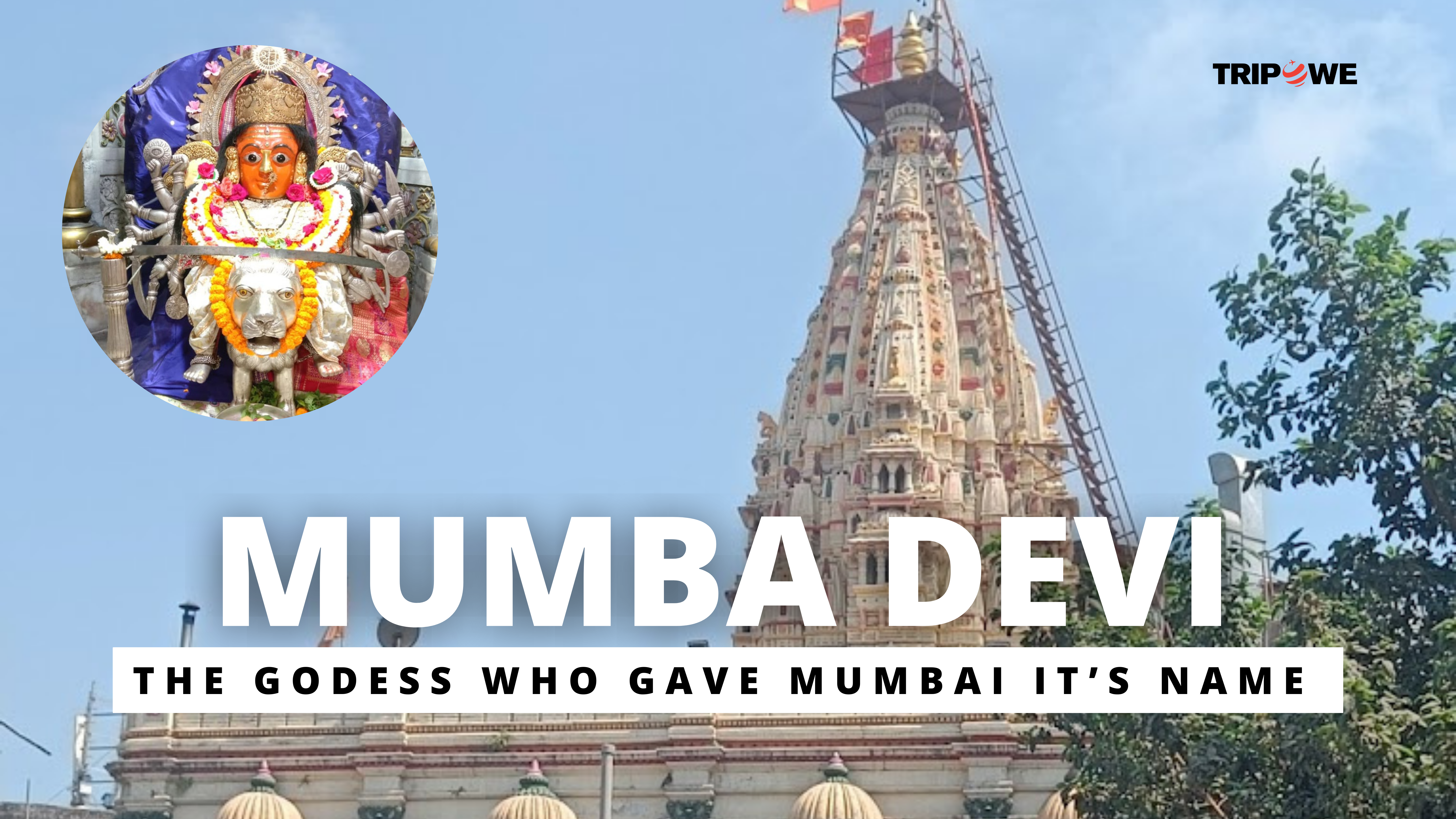
    Mumbai, India’s thriving city and financial hub, has a rich spiritual and mythological history. The city’s name comes from the goddess Mumba Devi, a cherished divinity of the Koli fishing community, who were among the region’s first settlers. The story of Mumba Devi is a fascinating look at the roots of Mumbai, combining mythology, history, and culture. In this blog you will come to know the Story of Mumba Devi Temple. Read full blog

    Who is Mumba Devi?

    Mumba Devi, also known as Mumbadevi, is a manifestation of the goddess Shakti that represents energy and force. The goddess has great significance for the Koli people, who are indigenous fisherman from Maharashtra’s coastal districts. She is revered as the island city’s guardian deity, protecting Mumbai and its inhabitants.

    The name “Mumbai” is derived from ‘Mumba‘ (the goddess) and ‘Aai,’ which means mother in Marathi. As a result, Mumbai translates to “Mother Mumba” – a moniker reflecting the local community’s devotion to this strong divinity.

    Story of Mumba Devi Temple

    Mumba Devi’s narrative is based on both folklore and mythology. According to popular mythology, the area presently known as Mumbai was formerly tormented by a powerful monster named Mumbaraka. This demon was feared throughout the area because he destroyed communities, robbed homes, and caused enormous pain for the residents. The people, powerless in the face of his power, pleaded earnestly to the gods for relief.

    Motivated by their suffering, the gods agreed to form a divine force to destroy the monster. They united their powers to produce Mumba Devi, an avatar of Parvati, Lord Shiva’s wife, and a manifestation of the fearsome goddess Durga. Mumba Devi, armed with weapons and heavenly abilities, landed on the land to face the demon.

    Mumba Devi and Mumbaraka engaged in a furious struggle that lasted days. In the end, the goddess overcame and subdued the monster. Before killing him, she granted him one last desire. Mumbaraka recognized Mumba Devi’s strength and urged her to immortalize his name by naming the country after him. The goddess agreed and blessed the place that later became known as Mumbai.

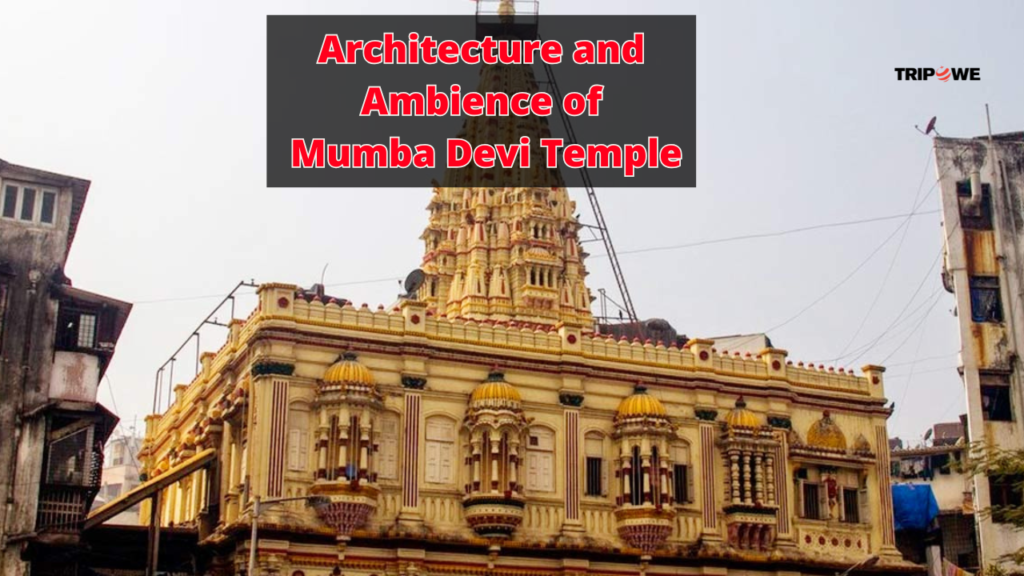
    Architecture and Ambience of Mumba Devi Temple

    Story of Mumba Devi Temple

    The Mumba Devi Temple is a basic yet spiritual temple with a tranquil atmosphere that stands out from Bhuleshwar’s crowded streets. Unlike huge temples with towering shikhars (spires), the Mumba Devi Temple is a humble shrine that honors the city’s old heritage.

    Mumba Devi’s idol inside the temple is particularly unusual. She is represented without a mouth, representing her pledge to serve the people silently. This image suggests that the goddess does not require words to show her love and protection for her worshipers.

    Visitors to the temple frequently bring flowers, coconuts, and sweets as part of their prayers. The temple complex also includes other smaller shrines devoted to different deities, which contribute to the spiritual mood of the area.

    Location: Bhuleshwar, South Mumbai.

    Timings: 6:00 AM to 10:00 PM

    Best time to visit: in the early morning or during celebratory events.

    Festivals and rituals

    The Mumba Devi Temple experiences increased activity during holidays such as Navratri, which is dedicated to the worship of many forms of the goddess Shakti. During this time, the temple is gorgeously decorated, and the atmosphere is filled with devotion. Women’s groups organize bhajans (devotional songs), and many devotees fast throughout the nine-day festival to seek the goddess’ favor.

    Special ceremonies are also performed on Tuesdays and Fridays, which are considered favorable days to honor the goddess. The temple comes alive with the sound of bells and chants as worshipers offer prayers for protection and direction.

  • Famous Temples in Tamil Nadu :  Explore these temples

    Famous Temples in Tamil Nadu : Explore these temples

    Famous Temples in Tamil Nadu : Explore these temples

    The Dravidian-style Hindu temples of Tamil Nadu, a state in South India, are famous. Meenakshi Amman Temple in Madurai boasts tall, colorfully decorated structures known as “gopurams.” Ramanathaswamy Temple is a holy place on Pamban Island. Ritual sunrises take place at the town of Kanyakumari near the southernmost point of India, here is the Famous Temples in Tamil Nadu.

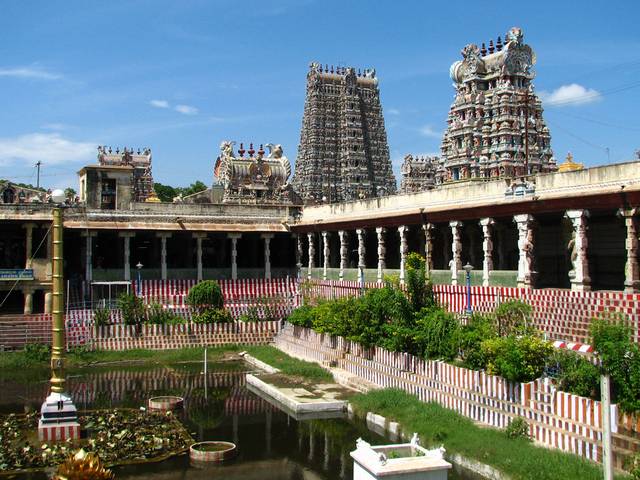
    Madurai’s Meenakshi Amman Temple
    Famous Temples in Tamil Nadu

    One of the well-known Shiva temples in Tamil Nadu was constructed during the Nayak era, and it is located in Madurai. It is dedicated to Goddess Parvati as Meenakshi and her husband Lord Shiva as Sundareshwar and is also known as the Meenakshi-Sundareshwar Temple. Both locals and visitors place considerable attention on this Shiva temple in Tamil Nadu because it is a crucial component of South Indian culture. Here, especially during the Chithirai Festival, all of Tamil Nadu’s significant festivals are observed with a great deal of fanfare. It represents Meenakshi and Sundareswarar’s celestial wedding, attracting a sizable gathering of worshippers.

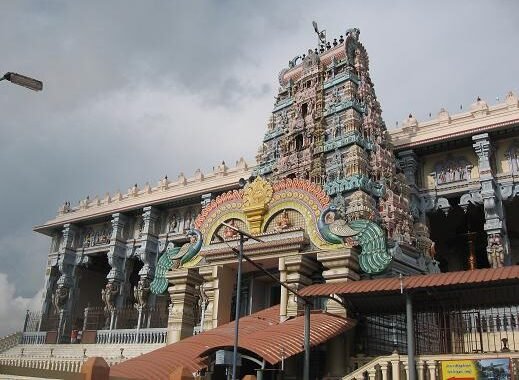
    The Bala Murugan Temple (Siruvapuri)
    Famous Temples in Tamil Nadu

    One of the well-known Murugan temples in Tamil Nadu is the Bala Murugan temple in Siruvapuri. Another name for Lord Karthikeya, the child of Lord Shiva and Goddess Parvati, is Murugan. The 500-year-old shrine is well-known among followers for granting their desires. As a result, hundreds of followers come to the Murugan temple in Tamil Nadu every day to worship Lord Karthikeya and make wishes. The temple complex also houses a shrine honoring Lord Murugan and Devi Valli as they are portrayed as being wed. Couples looking to get married frequent it.

    Sri Laxmi Narayanan Golden Temple (Vellore)
    Famous Temples in Tamil Nadu

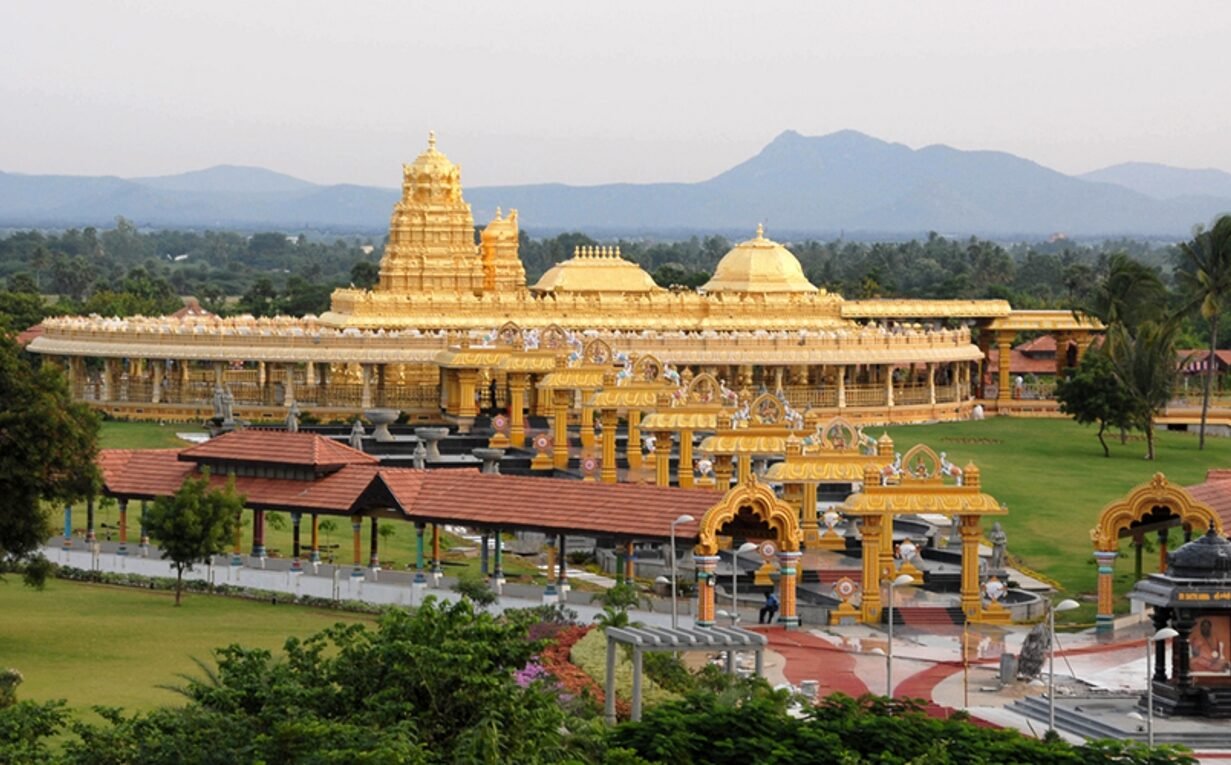
    It is also referred to as the Sripuram Golden Temple and is situated in Vellore, Tamil Nadu. It is included in nearly all south India vacation packages. The temple, known as the Golden Temple, is devoted to Laxmi, the goddess of abundance and fortune, and was totally constructed out of pure gold. Its exceptional carving, sculptures, artwork, and beautiful lighting add to its special attractiveness. This Golden Temple in Tamil Nadu, one of its type in the world, is encircled by water and provides a spectacular spectacle to witness at night.

    Navapashanam Temple( Devipattinam)

    There are nine temples collectively known as the Navagraha temples in Tamil Nadu, each of which honors one of the nine planetary deities. The Navapashanam Temple at Devipattinam, Tamil Nadu, is one of these renowned Navagraha temples. The significance of this temple is centered on the ability for followers to simultaneously worship all nine planetary deities. Along with the Ramanathaswamy Temple at Rameshwaram and the Adi Jagannatha Perumal Temple in Thiruppullani, it is a well-known Hindu pilgrimage site. The temples for the planetary deities at this Navagraha temple in Tamil Nadu, according to devotees, were constructed by Lord Ram, an avatar of Lord Vishnu.

    The Kumbakonam Brahma Temple (Kumbakonam)

    One of the well-known Hindu pilgrimage centers in Tamil Nadu’s Thanjavur district is the Kumbakonam Brahma Temple. Lord Vishnu, also known as Vedanarayana Perumal, is the main deity worshipped in this temple. On the right side of Lord Vishnu’s deity, in the sanctum, are the Goddesses Saraswati and Gayatri, as well as a Brahma deity. Yoganarasimha is seated with Bhoodevi and Sridevi on the left side. The Kumbakonam Brahma Temple in Tamil Nadu is one of the few temples in India dedicated to Lord Brahma since it is believed that he is cursed if he is not worshiped.

    Arulmigu Brahmapureeswarar Temple (Tirupattur)
    tripowe.com


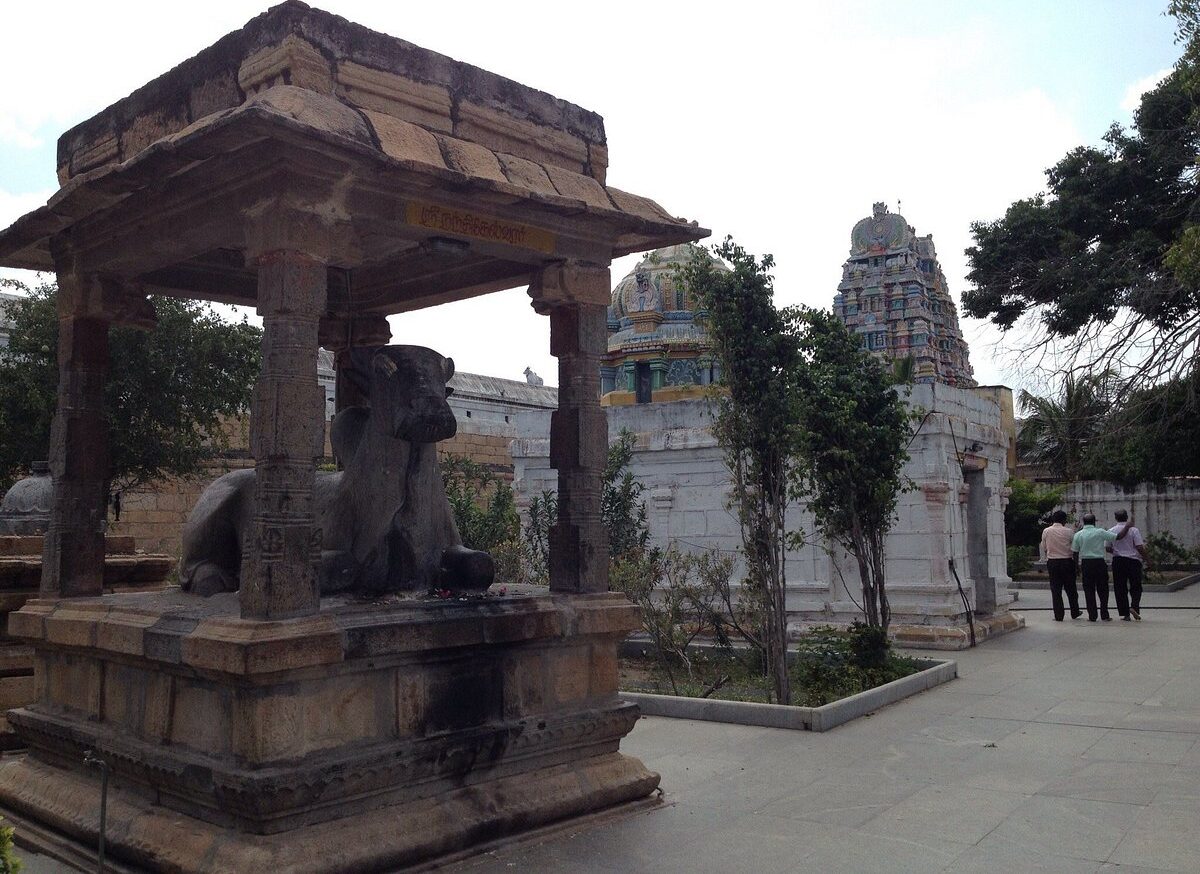
    This temple’s mythological allusion recalls the tale of Lord Brahma’s irrational vanity, which caused him to believe that he was more powerful than Shiva. Because of his arrogance, Lord Shiva caused Lord Brahma to lose all of his power and destroy his fifth head. Lord Brahma made extensive restitution to Lord Shiva after realizing his error. He performed ritualistic water purification from the neighboring tank known as Brahma Theertham while on his trip, where he worshipped the Lord beneath a tree at the location of the temple. This location is known as Brahmapureeswarar because that is where Brahma worshipped Lord Shiva.

    The  Brihadeeswarar Temple (Thanjavur)
    tripowe.com

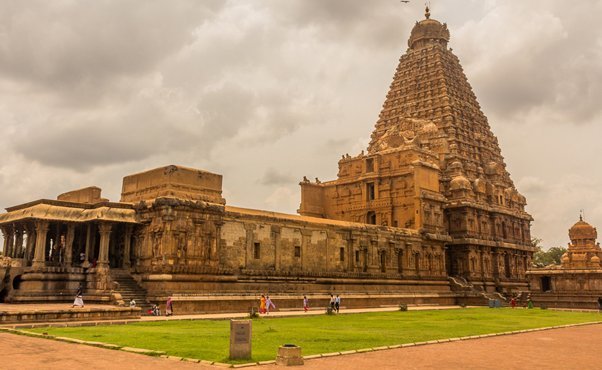
    Yet another well-known Shiva temple may be found in Tamil Nadu: Brihadeeswarar or Brihadisvara. It was constructed in the 11th century AD during the Chola Dynasty. The temple, one of India’s Great Living Chola Temples, is situated in the Thanjavur district and is a UNESCO World Heritage Site. Along with its spectacular structure, the 216-foot-tall Vimana and its 80-ton Kumban are prominent features of the temple complex and draw visitors eager to learn about notable Indian architectural styles. Numerous worshippers visit it daily as it is one of Tamil Nadu’s most well-known Shiva temples.

    Ekambareswarar Temple( Kanchipuram)

    There are numerous well-known temples in Tamil Nadu that are devoted to Lord Shiva. The Ekambareswarar Temple in Kanchipuram is one among them. One of the Pancha Bhoota Sthalas, it is well-known for representing the element Earth. Visitors to the temple come to worship Lord Shiva, also known as Ekambareswarar or Ekambaranathar, as an idol Prithvi Lingam and as a Lingam. According to legend, Goddess Parvati used to visit this location under a mango tree to worship Lord Shiva as the Prithvi Lingam (a Shiva Lingam composed of sand). Impressed by this act of kindness, the lord manifested himself and wed the Goddess.

     Ramanathaswamy Temple (Rameshwaram)
    tripowe.com

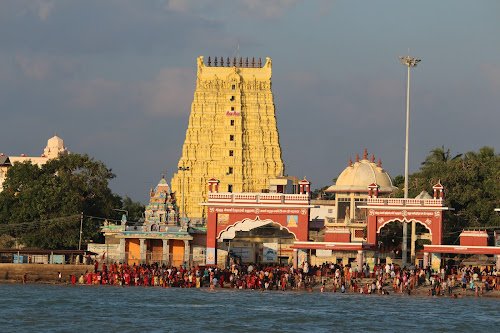
    One of the 12 Jyotirlinga temples and a sacred Hindu pilgrimage site is the Ramanathaswamy Temple in Rameshwaram. The Shiva Lingam in the temple is thought to have been constructed and worshiped by Lord Ram before he crossed the bridge to Lanka, which is where the name Ramanathaswamy came from. In order to atone for the sins he would do during the battle against Ravana, Lord Ram wished to ask his lord for forgiveness. To carry a Lingam from the Himalayas, he asked Hanuman. However, due of his tardiness, Lord Ram made a sand Lingam, which he placed in the sanctum. Another lingam, known as Vishwalingam, was brought to the shrine from Kailash.

    Kapaleeshwarar Temple (Chennai)
    tripowe.com

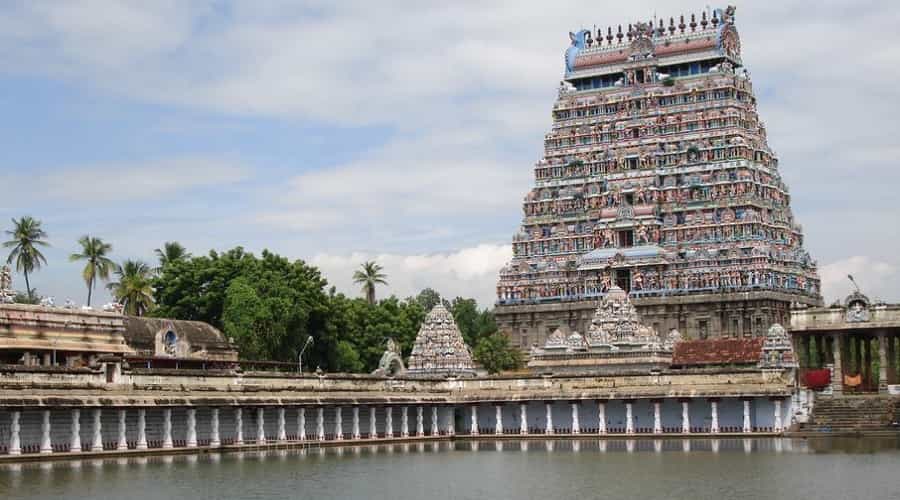
    This temple may be found in Chennai, Tamil Nadu, in the neighborhood of Mylapore. Under the rule of the Pallava King, it was constructed in the seventh century CE. However, the Portuguese damaged the ancient building, and the Vijayanagara Kings repaired the Kapaleeshwarar Temple edifice in the 16th century. The temple, which is devoted to Lord Shiva, is one of the well-known pilgrimage attractions that draws visitors from all across the nation. Legend has it that Goddess Parvati, in the shape of Mayil, offered Lord Shiva a significant penance there. Under the Punnai tree in the temple complex is a little shrine that tells the Goddess’s tale and is in the shape of a peahen.

    Elk Hill Murugan Temple (Ooty)
    tripowe.com

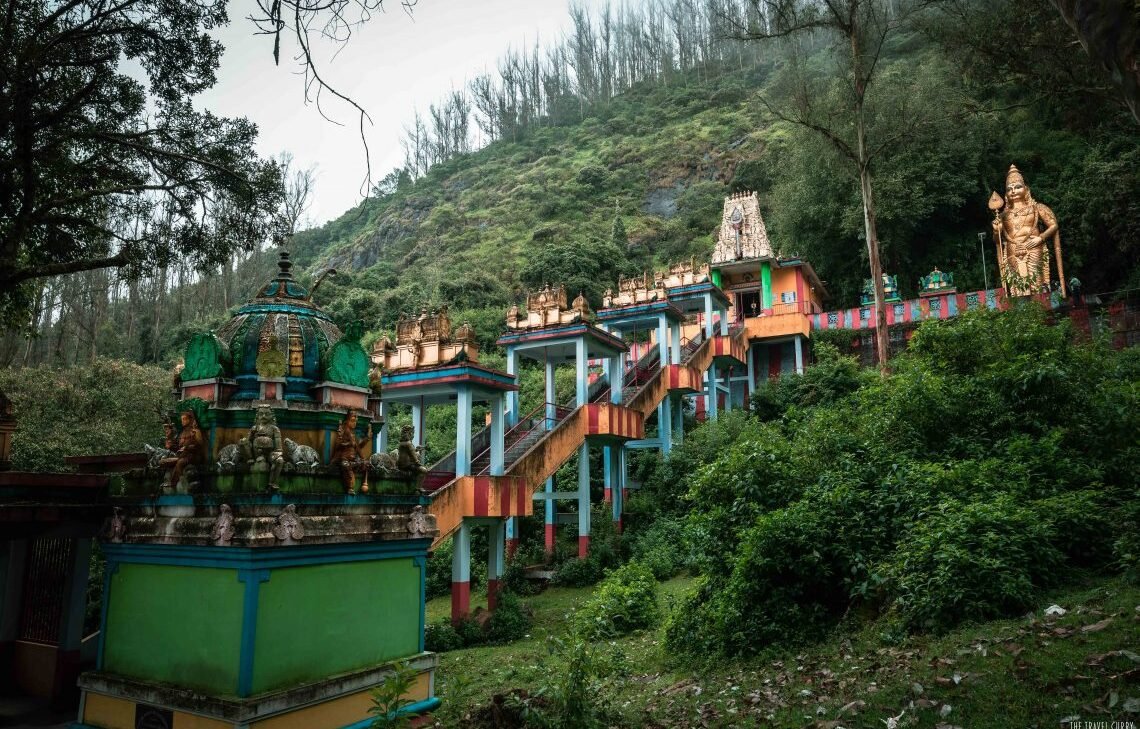
    The Elk Hill Murugan Temple, which is devoted to Lord Murugan, is located near Ooty, one Famous Temples in Tamil Nadu Because it resembles the Batu Caves in Malaysia, you notice this well-known Murugan temple in Tamil Nadu. A tranquil setting with breathtaking vistas surrounds the temple, which is built atop a tiny hill known as Elk Hill. The temple also has statues of Lord Ganesha, Lord Shiva, and Goddess Shakti, commonly known as Kali, in addition to a 40-foot-tall statue of Lord Murugan that closely mimics the statue in Batu Caves.

    Kumari Amman Temple (Kanyakumari)
    tripowe.com

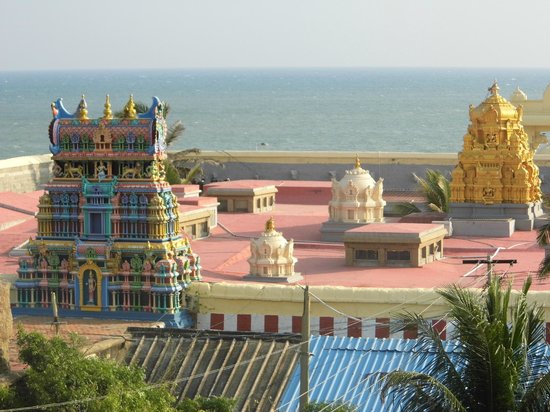
    The temple, which is 3000 years old, is devoted to the virgin Goddess Kanya Kumari, an incarnation of Goddess Shakti. A beautiful girl carrying a string of beads in her right hand is the complex’s deity. According to mythology, Goddess Shakti assumed this form in response to the Devtas’ request that she protect them from the Demon King Banasura. The Goddess assumed this incarnation in order to vanquish him because Lord Shiva had blessed her for only being defeated by a virgin girl. But because of her allure, the Banasura attempted to compel her into a union that ultimately led to his demise.

    Nagaraja Temple, Nagercoil

    Beautiful Nagercoil in Tamil Nadu offers tranquil and quiet tourist attractions. However, the town’s well-known Nagaraja Temple is what draws pilgrims there. The temple honors Nagaraja, the King of Serpents, and is situated in Nagercoil. Both Jains and Hindus appear to have worshipped at the complex of temples, according to the inscriptions and literary evidence found there. The sole Jain iconography found in the ancient temple, which was constructed before the 12th century, was of the Tirthankaras and Padmavati Devi. In the 17th century, other Hindu shrines were erected to the complex. Since that time, the sanctum of the shrine has had icons from both religions.

    Thillai Nataraja Temple (Chidambaram)
    tripowe.com

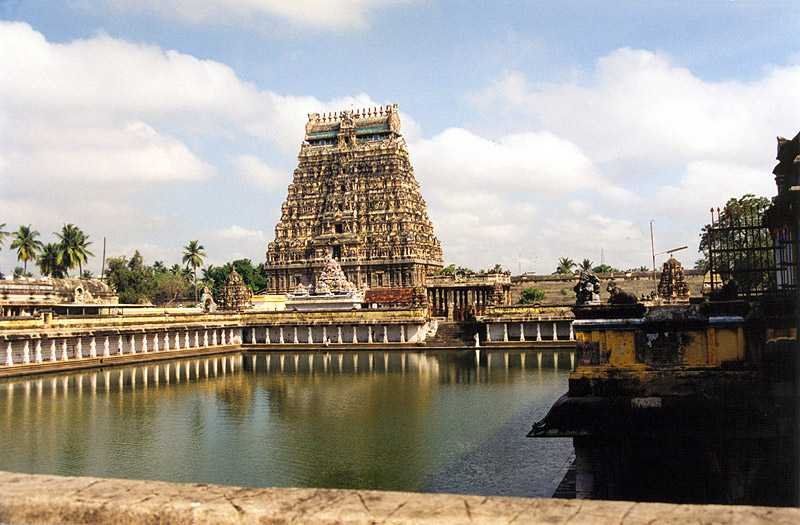
    The Nataraja incarnation of Lord Shiva, a heavenly dancer, is the focus of the temple, as implied by its name. It is one among Famous Temples in Tamil Nadu recognized for their architectural and theological significance. People think that the magnetic field’s center is where this temple is. The Natraja and Sivakamasundri deities are kept in its sanctum, known as Chitsabha. During the Pallava era in the 11th century, the temple was constructed. It represents the element Space and is one of the Pancha Bhoota Sthalas, which are devoted to the five elements of the universe: Earth, Air, Fire, Water, and Space.

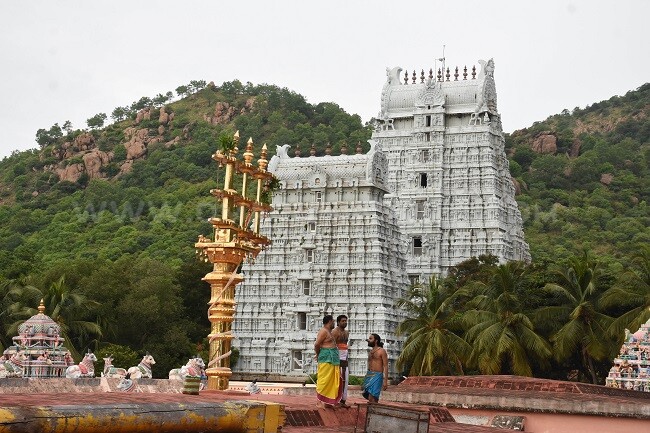
    Annamalaiyar Temple (Thiruvannamalai)
    tripowe.com

    The most important Pancha Bhoota Sthala that represents the element Agni comes at the end of our list. The temple, which was built during the Chola Dynasty’s ninth century, is situated at the base of the Annamalai hills. It was constructed using Dravidian-style architecture and exhibits the excellent craftsmanship of the period. While both tourists and locals frequently visit the temple, the yearly “Karthigai Deepam Festival” sees an increase in foot traffic. People that celebrate the festival do so while sporting colorful clothing and a large collection of drummers and dancers.

    Read this blog Places to Visit in Agra